La Romareda Stadium In Zaragoza: A Visitor's Guide To Real Zaragoza's Home Ground
La Romareda is the football stadium of Real Zaragoza, standing in the Aragonese capital of Zaragoza, Spain, and this guide covers what the building is, how to reach it, and what to see around it.
Short answer
La Romareda is Real Zaragoza's football stadium in Zaragoza, Spain. The building can be admired from outside, and the surrounding city offers museums, parks and guided walks; match tickets and stadium tours are sold by the club, so check its official channels before you go.
La Romareda is the football stadium of Real Zaragoza, the best-known sports venue in Zaragoza, the capital of Aragon on the Ebro in north-eastern Spain. Travellers who hear the name sometimes arrive expecting a museum or a monument, and what they find instead is a working football ground: a bowl of stands, a pitch, and, on match days, tens of thousands of people in blue and white. This page describes the building itself, because that is what a visitor can genuinely engage with, and then it does the useful work around it: how to reach the stadium on Zaragoza's tram and bus network, what there is to see within easy reach, and which guided tours of the city pair well with a stadium stop. Fixtures, results, league standings and transfer news are a different subject entirely and belong to the sports pages, not to a travel guide.
What Is La Romareda In Zaragoza?
La Romareda is the home stadium of Real Zaragoza, the city's historic football club, and it stands in Zaragoza, the inland capital of Aragon on the Ebro river, not in Catalonia and not in the Basque Country. It is a purpose-built football ground rather than a heritage monument, so a visit means looking at the building from outside, attending a match if the club has fixtures and tickets available, or exploring the surrounding neighbourhood, which holds one of the city's largest parks and several museums.
The first thing every visitor should understand is which Zaragoza this is. The name belongs to a city in Spain, to a football club, to a Mexican and Colombian surname, and to the Zaragoza International Bridge between El Paso and Juarez. This page is about the stadium in the Spanish city, the one reached from Zaragoza Travel Guide's home territory of Aragon. The club that plays here, Real Zaragoza, is one of Spanish football's recognisable names, and the stadium carries its identity in the streets around it: club colours, murals, and bars that fill on match days.
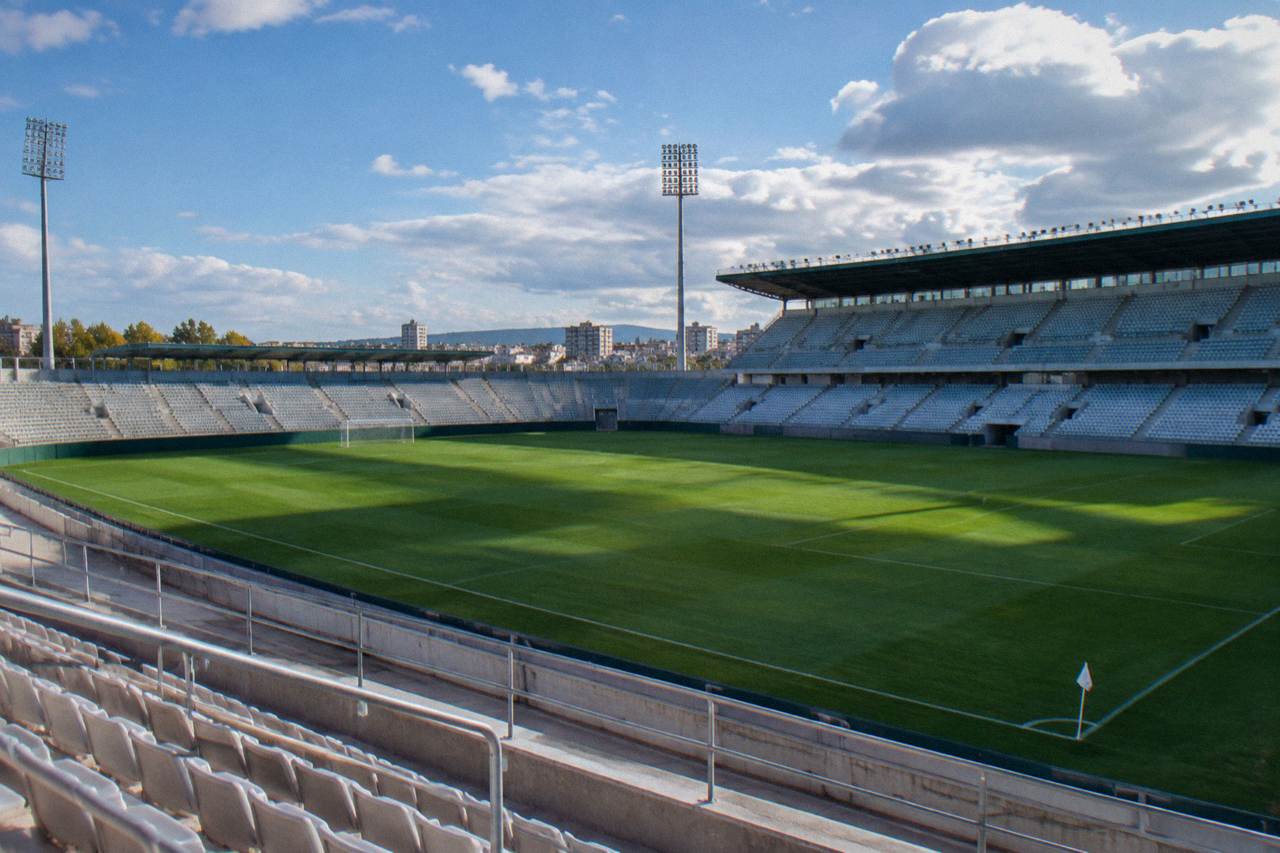
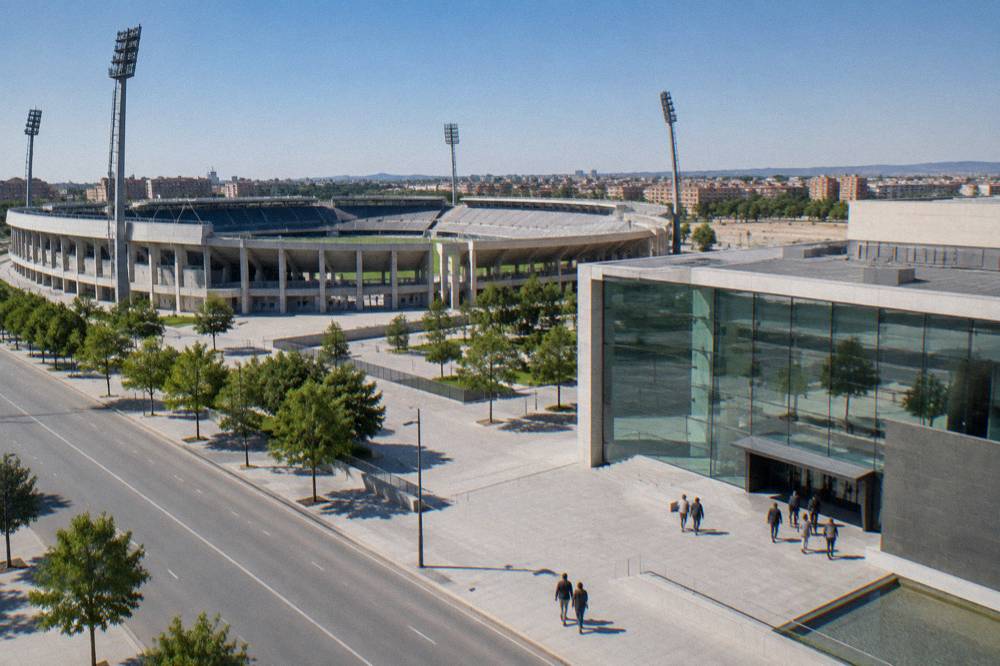
The building itself is a classic mid-generation Spanish ground: stands close to the pitch, an open aspect, and an entrance plaza that works as the club's public face. What can be said is that the stadium is a landmark in its own part of the city, that its silhouette is familiar to every local, and that it sits within reach of the Parque Grande, the great park that Zaragozans treat as their back garden.
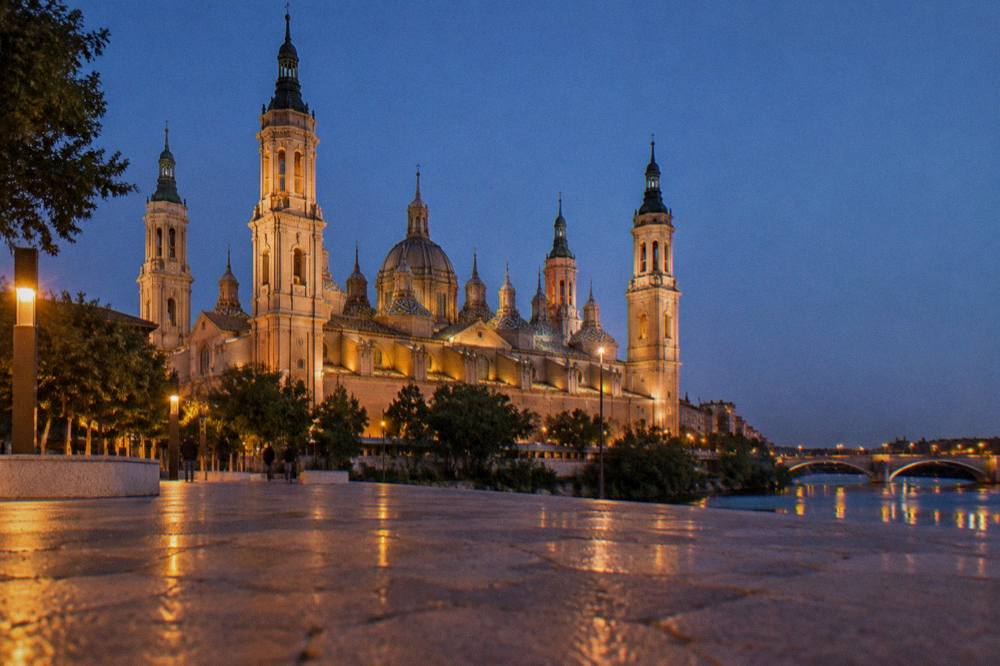
For a traveller, the honest framing is this: La Romareda is a half-hour curiosity for most, a pilgrimage for football fans, and, for everyone, a good reason to explore a side of Zaragoza that the Basílica del Pilar postcards never show. The neighbourhood around the stadium rewards the walk, and the transport links that serve it are the same trams and buses that serve the whole city, which makes it one of the easier "second sights" to slot into an itinerary built around the main things to do in Zaragoza.
Can You Visit La Romareda Stadium?
Yes, in the sense that the building is fully visible and walkable from the outside and the surrounding streets are ordinary public city space, but no verified stadium tour, museum or box-office schedule appears in the sources for this page, so match tickets and any interior access must be checked directly with the club's official channels before you travel. A visit therefore works best as a walk around the exterior combined with the park and museums nearby, rather than as a ticketed attraction in itself.
That is a more useful answer than a vague "yes", because it sets expectations correctly. Zaragoza's genuinely ticketed attractions are elsewhere in the city, and they are excellent. The Aljafería Palace, the Islamic palace that is one of Spain's great buildings, charges EUR 7 general admission or EUR 9 with a guided visit, opens daily 10:00 to 18:00 in October, and is free on the first and third Sunday and Monday of each month. La Seo, the cathedral of Salvador, charges EUR 10 general admission, a ticket that also includes the Museo de Tapices, the Museo Pilarista and the Rosario de Cristal. The Basílica del Pilar is free to enter, and its tower viewpoint, the Torre Mirador, costs EUR 6 for an adult with reductions for seniors, students and groups, while children under 12 go up free.
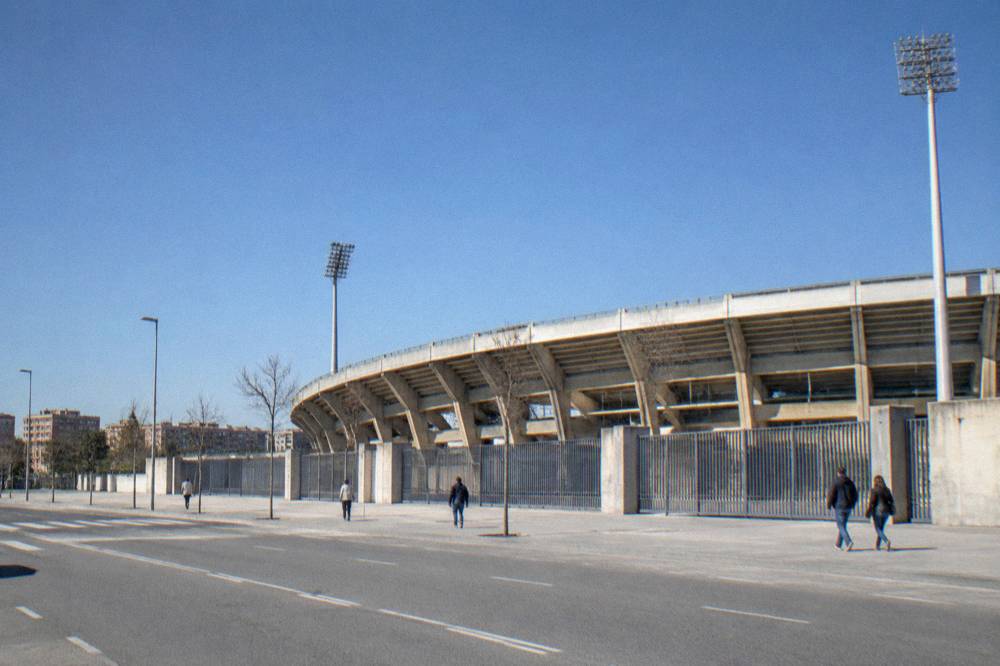
If the football is the reason for your trip, the practical route is the club's own: Real Zaragoza sells tickets and publishes fixtures through its official website and box office, and a traveller should treat that as the single source of truth for dates, prices and availability. Nothing in the verified material for this page confirms an interior stadium tour, so do not plan a trip around one without checking. What the verified material does confirm is everything around the stadium, and that is where the rest of this guide concentrates.
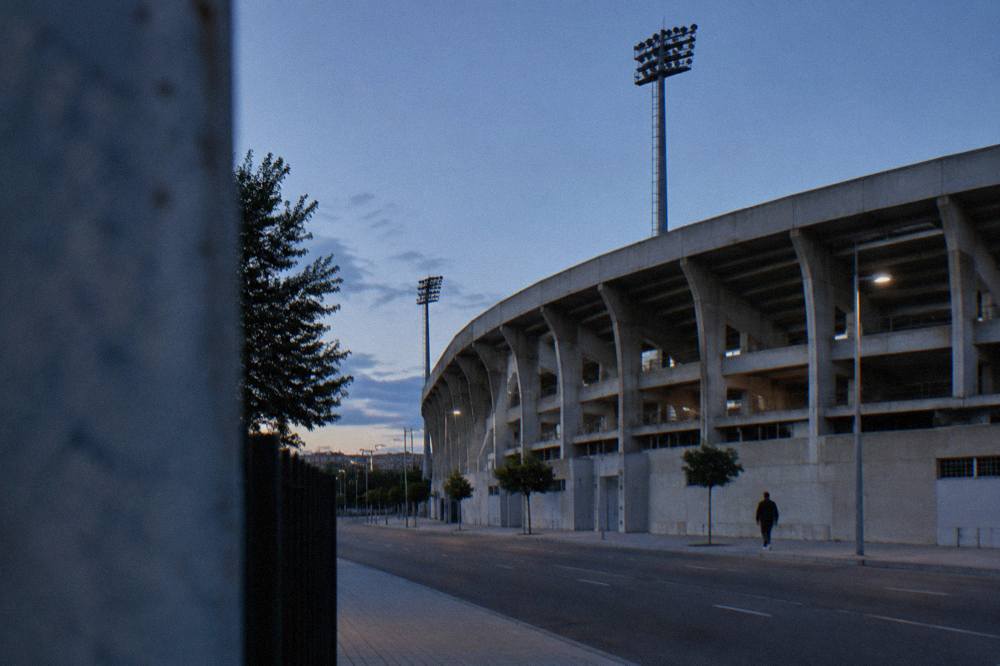
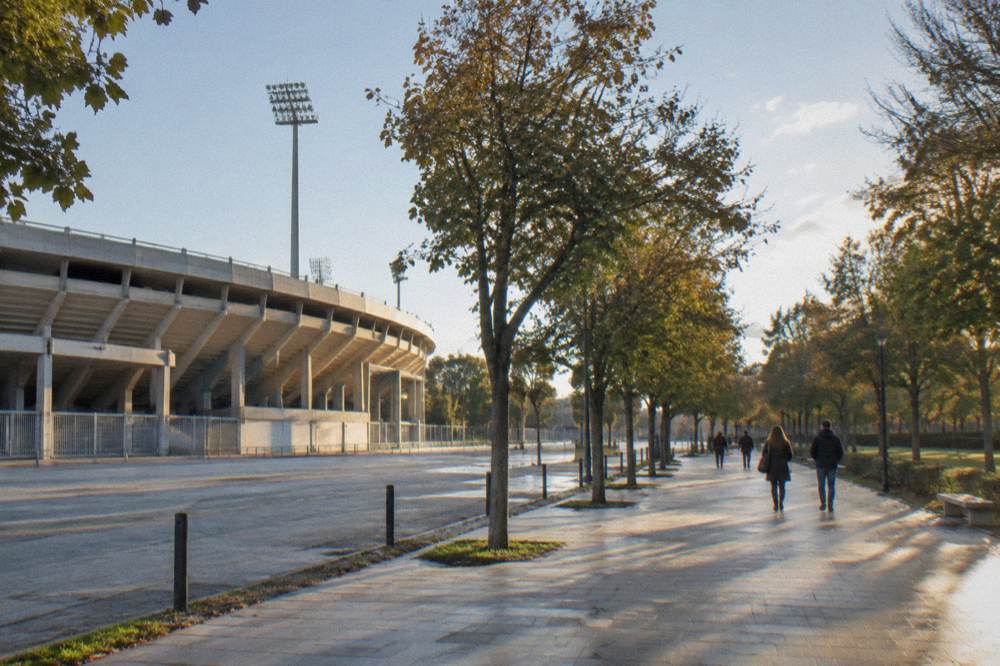
A good pattern for football fans with a free morning: walk the stadium's exterior, take a photo of the stands from the surrounding streets, then continue to the Parque Grande, the city's great green space, and loop back toward the centre for the afternoon.
For visitors who want the stadium woven into a proper guided introduction to the city, the two-hour private Must-See Attractions Walking Tour covers Zaragoza's headline sights with a guide, from $78.78 per person, rated 4.6 from 9 reviews, and it can be arranged as a private walk, which means the route and pace can reflect what interests you, football landmarks included. Check availability on the operator's live listing before you lock in a date.
What To Do Near La Romareda In Zaragoza
The stadium's neighbourhood gives you the Parque Grande, Zaragoza's great historic park with its monuments and gardens, plus a cluster of the city's museums, including the open and verified IAACC Pablo Serrano contemporary art centre, which is free, and the Centro de Historias, also free, while the Museo de Zaragoza's central building is closed for Ministry of Culture works and must not be planned as a visit. Altogether the area around the ground makes one of the better half-day walks in the city.
The Parque Grande José Antonio Labordeta, as the park is formally known, is the natural companion to a stadium visit. It is the city's flagship park, laid out in the modernist style, with tree-lined avenues, sculpture, fountains and a cable-stayed walkway that locals either love or argue about. The park's museums, the Etnología and Cerámica sections of the Museo de Zaragoza, are shut at present pending a new temporary exhibition, so check the municipal museum notices before counting them in. The park itself costs nothing and is always open, and on a Zaragoza afternoon, when the mean maximum temperature runs at 21.4 C in October by AEMET's 1981 to 2010 averages, it is where the city goes to sit in the shade.
Here is what the October municipal timetable and the verified museum notices say is actually open and visitable in the city, with hours and prices you can plan around:
| Sight in Zaragoza | Hours (October) | Admission |
|---|---|---|
| IAACC Pablo Serrano | Tue-Sat 10:00-14:00 and 17:00-21:00, Sun 10:00-14:00 | Free |
| Torreón de la Zuda (fifth-floor mirador) | Mon-Sat 10:00-14:00 and 16:30-20:00, Sun 10:00-14:00 | Free |
| Centro de Historias | Tue-Sat 10:00-14:00 and 17:00-21:00, Sun 10:00-14:30 | Free |
| Museo del Fuego y los Bomberos | Tue-Sat 10:00-19:00, Sun 10:00-14:00 | EUR 3, free 1st Sunday |
| Museo del Origami | Check the museum's notice | EUR 3, free 1st Tuesday and Sunday |
| Alma Mater Museum | Check the museum's notice | EUR 5 |
Two warnings from the same verified material: the Palacio de Sastago is closed in October, and the Museo Pablo Gargallo is temporarily closed, so neither should appear on a printed itinerary this season. The Museo Goya, the Fundación Ibercaja collection in the Camón Aznar building, reopens on 9 October 2026 after its renovation, open Tuesday to Saturday 10:00 to 20:00 and Sunday and holidays 10:00 to 14:00, closed Mondays, with its admission price not yet published, and it is covered in detail on the Goya in Zaragoza page. For a fuller museum-by-museum route through the Roman remains, the Caesaraugusta sites hold the forum, river port, baths and theatre, with a four-museum combined ticket at EUR 7 and free entry on the first Sunday of the month.
How Do You Get To La Romareda In Zaragoza?
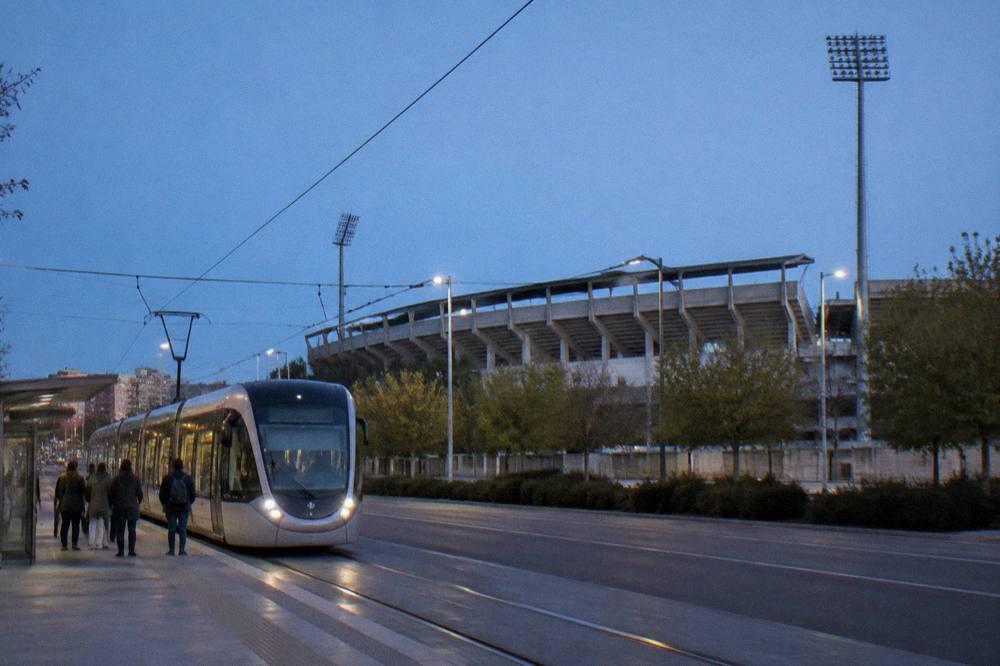
Zaragoza's urban bus and tram network is the practical way to reach the stadium, with a single ticket at 1.70 EUR, or 0.55 EUR if you load a Tarjeta Bus, which itself costs 7 EUR and works on both bus and tram, while night lines cost 1.00 EUR. The airport connection into the city is line 505 at 4.65 EUR single, timed to flights, and takes roughly 25 to 35 minutes.
The tram is the city's spine, running on its own right of way, and the bus network covers everything the tram does not. The Avanza fare table lists the single at 1.70 EUR with no transfer included, the Tarjeta Bus fare at 0.55 EUR, and the card itself at 7 EUR, valid on both bus and tram. That is the whole tariff structure a visitor needs: buy the card if you will make more than a handful of journeys, pay the single fare if you will not. The specific line and stop that serve the stadium best should be checked on the operator's journey planner before you travel, because urban works in Zaragoza are causing route deviations in several areas of the city, and the municipality publishes current notices for each one.
The fare table a visitor actually needs:
| Transport in Zaragoza | Single fare | With Tarjeta Bus |
|---|---|---|
| Urban bus and tram | 1.70 EUR | 0.55 EUR |
| Night lines | 1.00 EUR | Check the operator's notice |
| Tourist bus (24 h hop-on hop-off, 16 stops) | 10 EUR, cash on the bus | Not applicable |
| Airport bus, line 505 | 4.65 EUR | 2.25 EUR with a Lazo card |
| Bizi bike share day pass | 1 EUR plus 0.50 EUR per trip up to 30 min | Not applicable |
Two further facts from the verified material matter to drivers. Zaragoza operates a low-emission zone, the ZBE Casco Histórico, with sanctions in force since 12 December 2025, active Monday to Friday 08:00 to 20:00, and vehicles without a DGT environmental label are restricted, with a 15-minute grace period if you enter by mistake. The zone covers the historic centre rather than the stadium district, but anyone parking in the centre before or after a stadium visit should know the rule. And there is no tourist tax anywhere in Aragon: the regional government explicitly ruled one out in September 2026, so the price of a hotel stay is the price of the room.
If you are arriving by high-speed train, Zaragoza-Delicias station connects the city to Madrid and Barcelona in about 1.5 to 2 hours on the fastest services, and the station's own district is described on the Delicias pages of this site. From Delicias, the tram and bus network reaches the stadium district in a straightforward ride.
What Is The Weather Like Around La Romareda Through The Year?
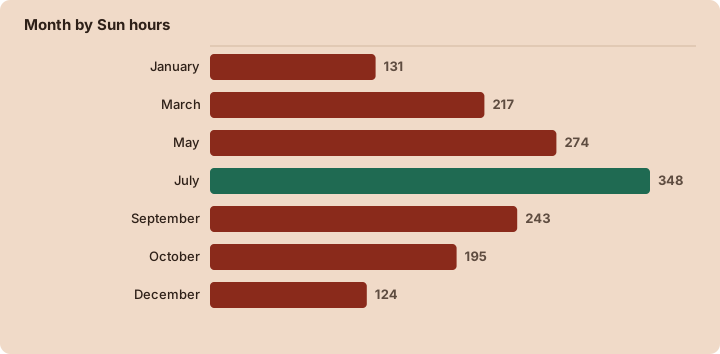
AEMET's 1981 to 2010 climate normals for the Zaragoza Aeropuerto station show a dry continental semi-arid pattern: July is the hottest and sunniest month with a mean maximum of 32.4 C and 348 hours of sun, May is the wettest at 44 mm of rain, July and August the driest at 17 mm each, and the year totals just 322 mm of rain across 51.1 days of 1 mm or more, so match-day plans are rained on far less often than in most of Spain.
Zaragoza sits inland on the Ebro, with no sea and no coast to moderate it, and the numbers reflect that. The same station normals give annual figures of 61 percent humidity, 21.3 fog days, 23.1 frost days and 81.6 clear days, with 2,693 hours of sunshine across the year. The cierzo, the cold, dry north-west wind that runs down the Ebro valley, is the city's defining weather feature, and AEMET issues wind warnings for Aragon when it strengthens; no speed or frequency figure is published on the station sheet, so none is invented here. For a stadium walk, the practical reading is simple: mornings can be sharp from November to March, with January mean minimums of 2.7 C, while summer afternoons are hot, with July and August mean maximums above 31 C.
| Month | Mean max C | Mean min C | Rain mm | Sun hours |
|---|---|---|---|---|
| January | 10.5 | 2.7 | 21 | 131 |
| March | 17.3 | 5.8 | 19 | 217 |
| May | 24.1 | 11.8 | 44 | 274 |
| July | 32.4 | 18.3 | 17 | 348 |
| September | 27.1 | 15.2 | 30 | 243 |
| October | 21.4 | 11.0 | 36 | 195 |
| December | 10.8 | 3.2 | 21 | 124 |
The figures are the 1981 to 2010 averages for the Zaragoza Aeropuerto station, the only window the station page publishes, and they should be read as planning ranges rather than forecasts. One event sits right on top of this calendar: the Fiestas del Pilar run from 10 to 18 October 2026, with the Ofrenda de Flores on 12 October, when close to a thousand groups carry flowers through the centre to the Plaza del Pilar. If your stadium visit falls in that window, the whole city is in festival mode, and the transport network runs at its busiest.
Which Guided Tours In Zaragoza Pair Well With A Stadium Visit?
The best pairing for a stadium morning is an afternoon guided walk, and the verified options run from a free, tip-based GuruWalk of the monumental centre to a 2-hour private must-see walking tour from $78.78 per person, a Spanish-language guided visit of the Aljafería from $25.23, and a 105-minute monumental introduction from $10.41, so a traveller can spend anything from nothing to around a hundred dollars on a guided half of the day depending on depth and language.
The free option deserves a straight explanation. The Free Monumental Tour of Zaragoza is a GuruWalk: a pay-what-you-want walk led by a local guru, rated 4.65 from 64 reviews, with no fixed price at all, and the tip at the end is the entire business model. Naming the platform is the honest way to describe it, because a "free tour" that is secretly tip-based is the kind of half-truth this site exists to correct. The paid options then scale up in depth: the 105-minute Monumental Sightseeing Tour, an introduction to the city from $10.41 per person, rated 4.4 from 36 reviews; the Historical Tour of the Old District, 2.5 hours from $106.92, rated 5 from 14 reviews; and the private walks, where a local guide builds the route around you.
| Guided tour in Zaragoza | From (per person) | Rating | Duration |
|---|---|---|---|
| Free Monumental Tour (GuruWalk, tip-based) | Pay what you want | 4.65 from 64 reviews | Check the listing |
| Monumental Sightseeing Tour | $10.41 | 4.4 from 36 reviews | 105 minutes |
| Aljafería Palace guided tour in Spanish | $25.23 | 4.7 from 23 reviews | Check the listing |
| Private custom walking tour with a local guide | $50.65 | 5 from 86 reviews | 2 - 8 hours |
| Must-See Attractions private walking tour | $78.78 | 4.6 from 9 reviews | 2 hours |
| Historical Tour of the Old District | $106.92 | 5 from 14 reviews | 2.5 hours |
For Spanish speakers, the guided visit of the Aljafería Palace is the natural stadium companion, because the palace is the city's most extraordinary building and a Spanish-language tour from $25.23 per person, rated 4.7 from 23 reviews, goes deeper than the audio guide. The palace's own ticketing lists Spanish guided tours at 10:30, 12:30, 13:30, 15:00 and 16:00, plus an 11:30 tour of the "Goya, del Museo al Palacio" exhibition. English speakers should note the tour runs in Spanish, and check the operator's live listing for language options before booking.
How Does La Romareda Fit Into A Day In Zaragoza?
A realistic stadium day looks like this: an exterior walk at La Romareda and a loop of the Parque Grande in the morning, a tram ride into the centre for the Basílica del Pilar, La Seo and the Aljafería in the afternoon, and an evening tapas walk, with the total transport cost under 4 EUR on single fares or 1.10 EUR on a Tarjeta Bus for two rides, which makes the stadium one of the cheapest add-ons to any Zaragoza itinerary.
The order matters less than the geometry: the stadium and the park sit together on one side of the city, the monumental centre on the other, and the tram stitches them. A one-day itinerary that wants everything should start early, because the Pilar's tower viewpoint opens at 10:30 on weekdays and 10:00 on Friday to Sunday, with last access 30 minutes before close, and the queue-free hour is always the first one. Families have a separate set of options, covered on the dedicated guides, including the Acuario de Zaragoza, which calls itself the largest river aquarium in Europe with more than 5,000 specimens and charges EUR 20 general, EUR 14 for children aged 4 to 14 and seniors, free for under-4s, and EUR 55 for an online family pack of two adults and two children; its opening calendar is published as an image, so check the aquarium's own page for the day you want.
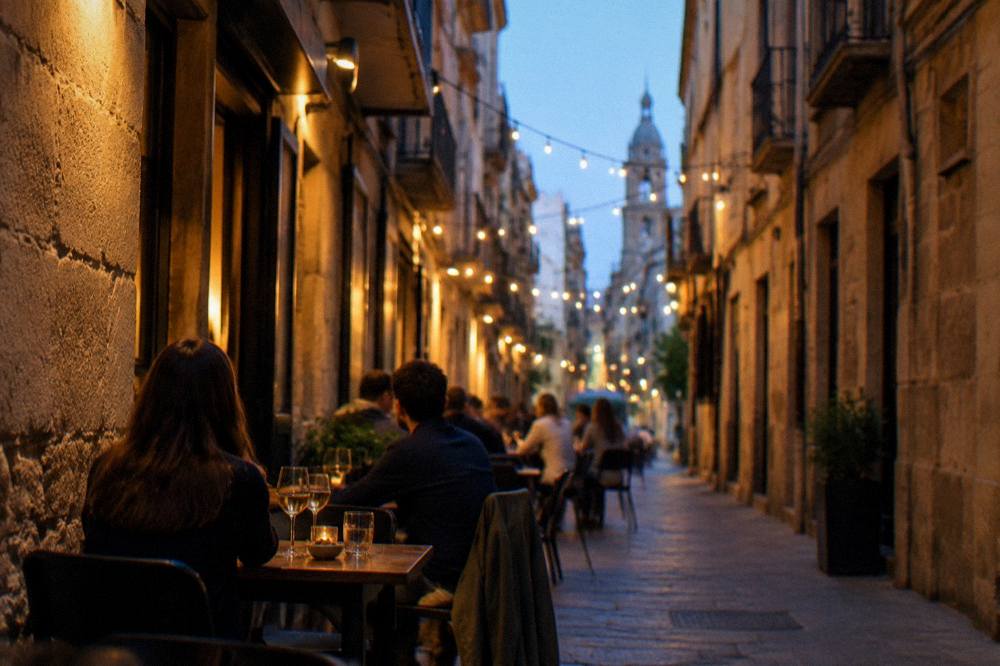
For the evening, the verified food options are the tapas walks: the Evening Tapas Walking Tour in the Old Town, 3 hours from $106.92 per person, rated 4.9 from 62 reviews, or the Tapas Sightseeing Tour from $50.65, rated 5 from 7 reviews, both of which end the day in the bars rather than at the stadium. A visitor who has walked the ground, ridden the tram twice and eaten in El Tubo has, in one day, seen more of the real Zaragoza than most weekend visitors manage.
Common Questions About La Romareda Stadium
What is La Romareda?
La Romareda is the football stadium of Real Zaragoza in Zaragoza, the capital of Aragon in Spain. It is a working football ground, not a museum, and a visit means the building's exterior, a match if the club has fixtures and tickets available, and the surrounding neighbourhood.
Can you go inside La Romareda stadium?
No verified stadium tour or interior access arrangement appears in the sources for this page, so check the club's official channels before travelling. Match tickets, when the club has a home fixture, are sold through Real Zaragoza's own box office and website.
How do you get to La Romareda from Zaragoza city centre?
Zaragoza's urban bus and tram network serves the stadium district, with a single fare of 1.70 EUR or 0.55 EUR with a Tarjeta Bus, which costs 7 EUR and works on both bus and tram. Check the operator's journey planner for the specific line and stop, because urban works are causing route deviations in parts of the city.
What is there to do near La Romareda?
The Parque Grande, the city's flagship park, sits within easy reach of the stadium, and the surrounding area holds several museums. The IAACC Pablo Serrano and the Centro de Historias are both free and open, while the Museo de Zaragoza's central building is closed for Ministry of Culture works and should not be planned as a visit.
Is La Romareda in Catalonia or the Basque Country?
Neither. La Romareda is in Zaragoza, the capital of Aragon, an inland city on the Ebro river in north-eastern Spain. Zaragoza has its own distinct Aragonese identity, and the stadium belongs firmly to it.
La Romareda will never be the reason most people come to Zaragoza, and it does not need to be: it is the city's footballing heart, sitting in a neighbourhood of parks and museums that rewards the traveller who walks twenty minutes past the end of the postcard itinerary, and it costs almost nothing to see.