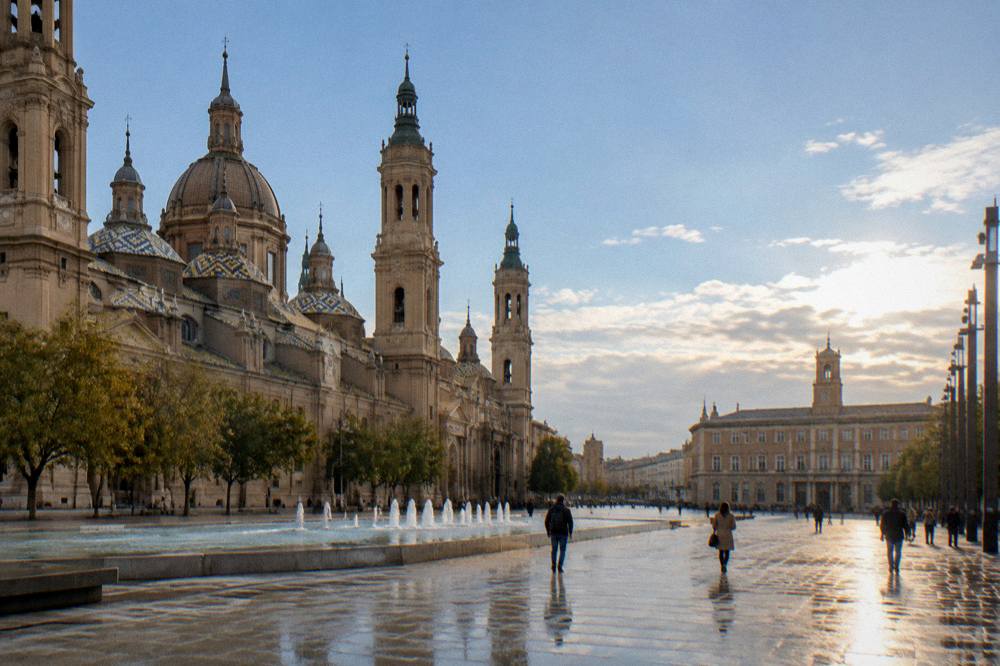
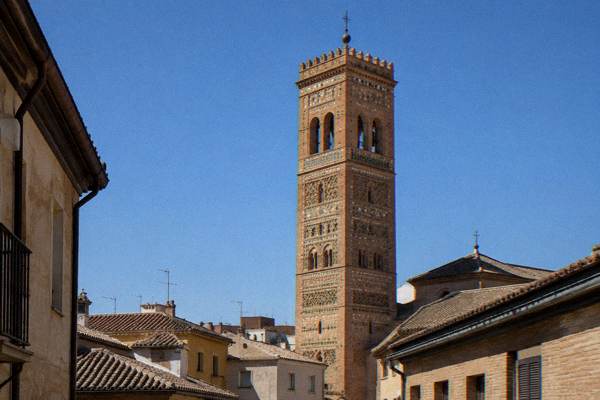
Museo De Zaragoza
The Museo de Zaragoza, the Aragonese capital's great general museum on Plaza de los Sitios, is closed for Ministry of Culture works with no reopening date. This guide explains what is shut, what is still open in the city, and how to plan the museum side of a Zaragoza trip around it.
Short answer
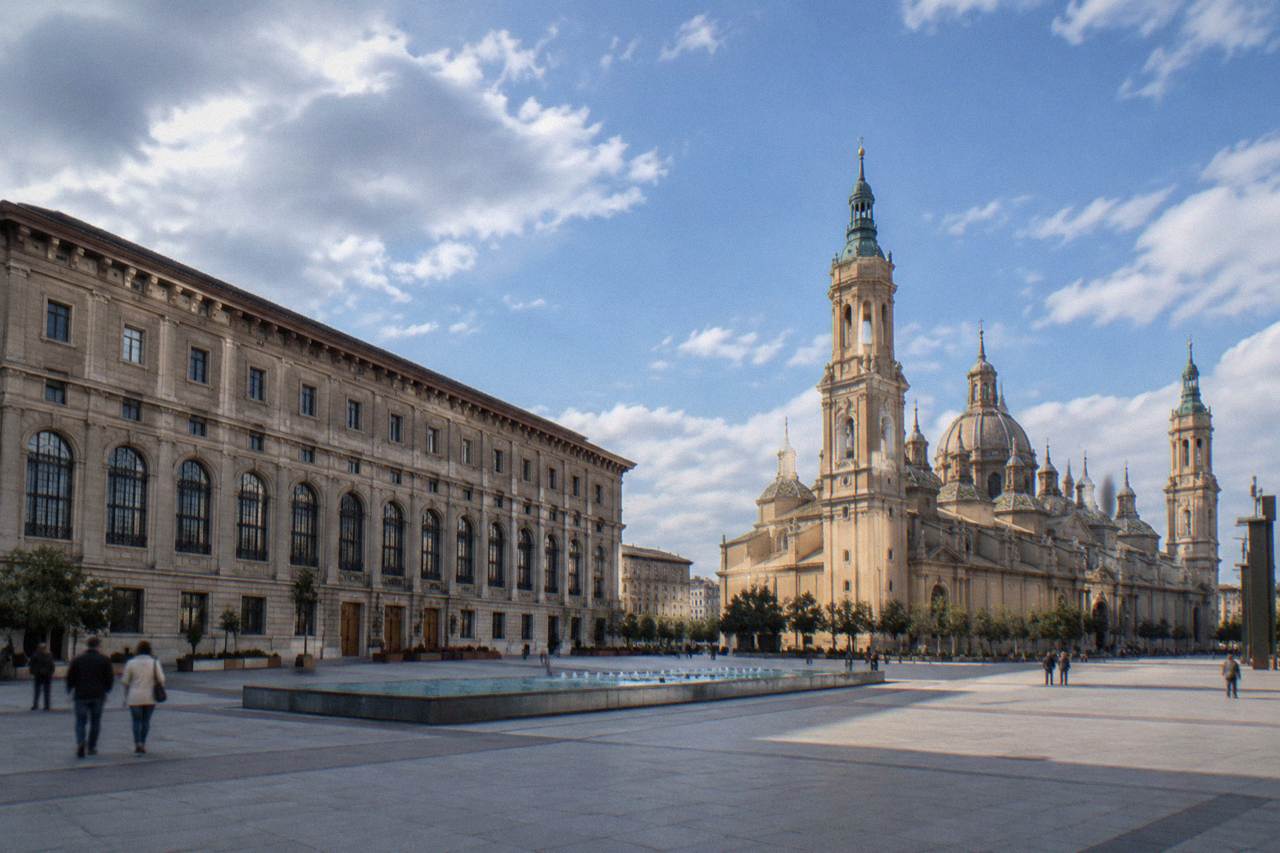
The Museo de Zaragoza's central building at Plaza de los Sitios 6 is closed for works run by the Ministry of Culture, and no reopening date has been given. Its Etnología and Cerámica sites in Parque Grande are also shut pending a new temporary exhibition. Zaragoza still has plenty of open museums, including the Caesaraugusta Roman sites, the Aljafería and the Museo Goya, which reopens on 9 October 2026.
The Museo de Zaragoza, the state-run general museum that has stood on Plaza de los Sitios in Zaragoza, Spain, for generations, is closed. The Ministry of Culture is carrying out works on the central building, the museum's own closure notice gives no reopening date, and the Etnología and Cerámica sections in Parque Grande are shut as well while they wait on a new temporary exhibition. For a city that markets itself on Roman ruins, Moorish palaces and Goya, that is a real gap in the programme, and it catches out visitors who turn up expecting a full day of archaeology and fine art.
It does not have to catch you out. Zaragoza in October 2026 has a deep bench of open museums, several of them free, and the closed building sits in a district, the Alonso area around Plaza de los Sitios, that can be re-routed in an afternoon. This page from Zaragoza Travel Guide sets out what the closure actually means, which parts of the museum network exist, and exactly which institutions are open, at what hours and at what price, so your museum time in the city is spent in front of collections rather than locked doors.
Is The Museo De Zaragoza Open?
No, the Museo de Zaragoza's central building at Plaza de los Sitios 6 is closed for works run by the Ministry of Culture, and no reopening date has been announced. The museum's own closure notice says the works are transforming part of the building and gives nothing further. The Etnología and Cerámica sites in Parque Grande are also shut at present, pending a new temporary exhibition. Until a reopening is announced, plan around it rather than around the building.
The closure is not a seasonal shutdown or a Monday routine. The notice on the museum's site describes Ministry-led works affecting the central sede, the seat that held the bulk of the collection, and the transformation of the second floor is the stated reason. Nothing in the notice, or in the municipal October timetable the city publishes for its monuments, suggests a date.
The practical consequence is a hole in one of Zaragoza's classic museum circuits. The Alonso district around Plaza de los Sitios was laid out as an exhibition quarter, and the museum was its cultural anchor. Visitors who combine the museum with the Parque Grande, the city's great Romantic garden a short way north, now find the park open and both museum buildings in it shut. The walk is still worth it, but the itinerary changes: the park becomes the destination, not the warm-up.
What should you do instead? Two things. First, check the museum's own page before you travel, because a reopening would be announced there first, and the municipal monument timetable is updated monthly. Second, redirect the museum hours you had budgeted towards the institutions that are confirmed open, which the rest of this page lists with their October hours and prices. Zaragoza is not short of them.
Which Buildings Belong To The Museo De Zaragoza?
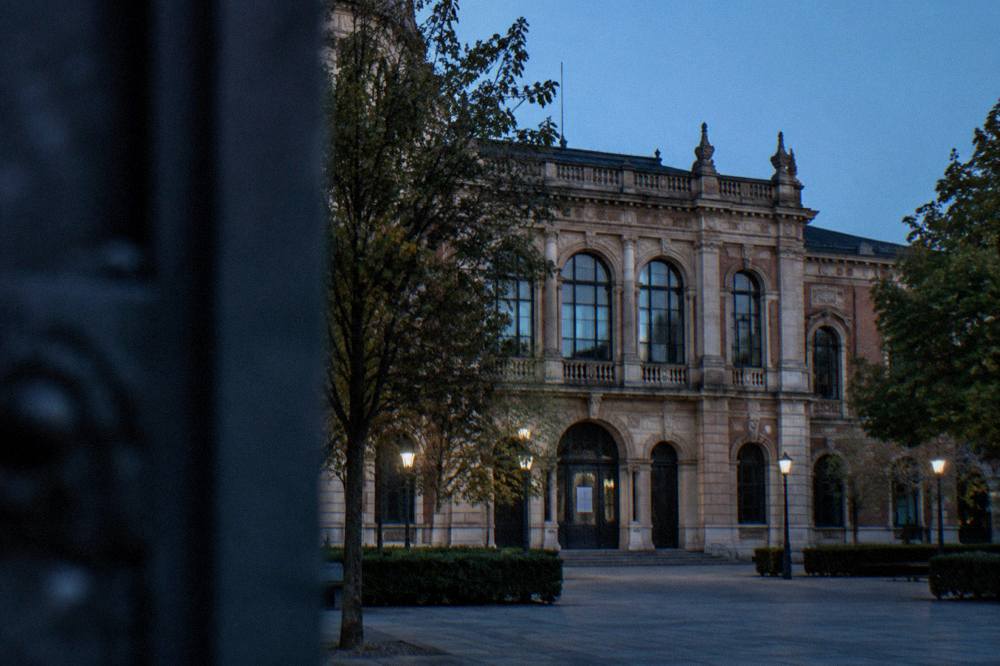
The Museo de Zaragoza is a network of buildings, not one site. The central building, at Plaza de los Sitios 6, is the main seat and is closed for Ministry of Culture works. The Etnología and Cerámica sections sit in Parque Grande, and both are currently shut pending a new temporary exhibition. That is the whole network as the museum itself describes it, and none of it is visitable at present.
The central building is the one people mean when they say "Museo de Zaragoza". It faces Plaza de los Sitios, the exhibition square in the Alonso district, and it has served as the region's principal archaeology and fine arts museum for a very long time. The Ministry of Culture runs the institution, which is why the works are a state matter rather than a municipal one, and why the city's own tourist pages are careful not to promise a date either.
The Etnología and Cerámica sites are smaller and sit inside Parque Grande José Antonio Labordeta, the large park in the north of the city. Their current closure is tied to a new temporary exhibition, which is a different kind of closure from the central building's: it is a wait, not a works programme. Even so, the municipal timetable for October lists them as shut, so they belong on the "check before you go" list rather than the itinerary.
A useful habit for Zaragoza museum planning generally: the city publishes a monthly monument timetable as a PDF on its tourism portal, and it is the single most reliable document for what is open, because it is reissued when things change. Museums in the city move between open, temporarily closed and works-closed states more often than most Spanish cities of this size, and a printed guidebook, or a blog post written before the change, will not have caught up.
What Is Open In Zaragoza While The Central Building Is Closed?
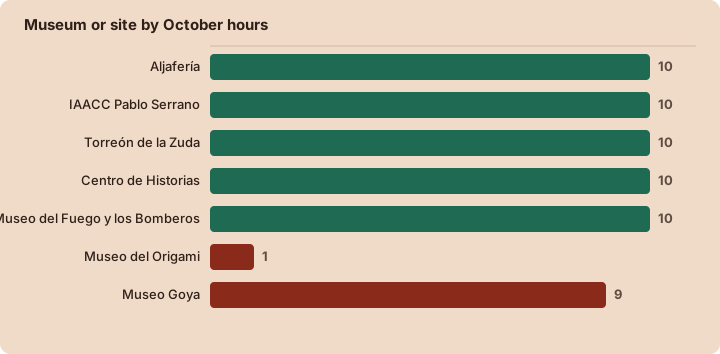
Plenty. The Caesaraugusta Roman museums are open, the Aljafería is open daily 10:00 to 18:00, the IAACC Pablo Serrano and the Centro de Historias are free, the Museo Goya reopens on 9 October 2026, and the Museo del Fuego y los Bomberos and Museo del Origami both run small-ticket visits. The only major losses are the Museo de Zaragoza itself, the temporarily closed Museo Pablo Gargallo and the Palacio de Sástago.
Here is the open list as the municipal October timetable gives it, with hours and prices attached to each institution exactly as printed:
| Museum or site | October hours | Admission |
|---|---|---|
| Aljafería | Daily 10:00-18:00 | 7 EUR general, 9 EUR guided, 2 EUR students and over 65, free under 12 |
| IAACC Pablo Serrano | Tue-Sat 10:00-14:00 and 17:00-21:00, Sun 10:00-14:00 | Free |
| Torreón de la Zuda | Mon-Sat 10:00-14:00 and 16:30-20:00, Sun 10:00-14:00 | Free |
| Centro de Historias | Tue-Sat 10:00-14:00 and 17:00-21:00, Sun 10:00-14:30 | Free |
| Museo del Fuego y los Bomberos | Tue-Sat 10:00-19:00, Sun 10:00-14:00 | 3 EUR, free 1st Sunday |
| Museo del Origami | Free 1st Tuesday and Sunday | 3 EUR |
| Alma Mater Museum | See the municipal timetable | 5 EUR |
| Museo Goya | Reopens 9 October 2026, Tue-Sat 10:00-20:00, Sun and holidays 10:00-14:00, Monday closed | Price not published, ask at the desk |
Three of those are free, which makes Zaragoza one of the cheaper museum cities in Spain even with its biggest general museum offline. The IAACC Pablo Serrano, the contemporary art centre on the Paseo de María Agustín, and the Centro de Historias, the city's own history museum near the Torreón de la Zuda, together can fill an afternoon for nothing. The Torreón de la Zuda carries the "Mirador de las cuatro culturas" viewpoint on its fifth floor, a reference to the Roman, Moorish, Jewish and Christian layers of the city, and it is free too.
The Museo Goya deserves its own section and gets one below, because the 9 October 2026 reopening is the biggest museum event in the city this autumn. And the Aljafería, the Islamic palace that is the finest single historic interior in Aragon, is the monument most visitors will substitute for the closed museum without feeling shortchanged. Its page at Aljafería Palace covers the building in depth.
For anyone who wants the open sights stitched together with a guide rather than navigated alone, the Must-See Attractions Walking Tour covers the monumental core in two hours, and Check availability takes a minute.
Can You Still See Roman Zaragoza Without The Museo De Zaragoza?
Yes, and in some ways better. The four Caesaraugusta museums, the Foro, the Puerto Fluvial, the Termas and the Teatro, are in situ sites in the centre, open Tue-Sat 10:00-14:00 and 17:00-21:00 and Sun and holidays 10:00-14:30. The Foro costs 4 EUR, the Termas and the Puerto 3 EUR each, and a four-museum bono costs 7 EUR, or 5 EUR reduced. The first Sunday of the month is free.
The Caesaraugusta network is the reason the closed central building hurts less than it might. Where a general museum would show you Roman finds behind glass, the city's Roman museums are the finds: the forum platform under the Plaza de la Seo, the river port at the Puente de Piedra end of town, the baths, and the theatre, all excavated where they stood when Caesar Augustus founded the colony. The Roman Forum Museum and the Roman Theatre Museum have their own pages here, and the Roman Baths and Walls and River Port Museum close the set.
| Caesaraugusta site | Admission | Hours (October) |
|---|---|---|
| Foro | 4 EUR | Tue-Sat 10:00-14:00 and 17:00-21:00, Sun and holidays 10:00-14:30 |
| Termas | 3 EUR | Tue-Sat 10:00-14:00 and 17:00-21:00, Sun and holidays 10:00-14:30 |
| Puerto Fluvial | 3 EUR | Tue-Sat 10:00-14:00 and 17:00-21:00, Sun and holidays 10:00-14:30 |
| Teatro | Included in the 4-museum bono | Tue-Sat 10:00-14:00 and 17:00-21:00, Sun and holidays 10:00-14:30 |
| Four-museum bono | 7 EUR, 5 EUR reduced | Same hours, all four sites |
The bono is the obvious buy if you plan to see more than one site: at 7 EUR it is cheaper than the Foro plus any single other site, and the reduced 5 EUR rate applies to the usual categories. Free entry on the first Sunday of the month applies across the network, which makes the first weekend a good time to be in the city for the budget-minded.
The wider Roman story is told on the Roman Caesaraugusta page, including how the colony's street plan still shows in the modern grid. What the closed Museo de Zaragoza would have added, the smaller finds and the interpretive context, is partly covered by the Centro de Historias, which is free, and partly by the on-site displays at each Caesaraugusta museum, which are substantial in their own right.
When Does The Museo Goya Reopen In Zaragoza?
The Museo Goya, the Fundación Ibercaja museum in the centre of Zaragoza, reopens on 9 October 2026 after renovation and expansion, with new access, immersive experiences and larger exhibition spaces. Its hours are Tue-Sat 10:00 to 20:00, Sunday and holidays 10:00 to 14:00, Monday closed. The admission price has not been published, so check at the entrance or on the museum's own page.
Goya is Zaragoza's painter. He was born in Fuendetodos, a village in the province, trained in the city, and the Fundación Ibercaja's museum holds the world's dedicated Goya collection in the building long known as the Museo Camón Aznar. The renovation has been the city's biggest museum project of recent years, and the reopening on 9 October 2026 lands it one day into the Fiestas del Pilar, which run from 10 to 18 October. That timing is deliberate and it is also a warning: the opening week will coincide with the busiest week of the Zaragoza year.
Plan around that. If you are in the city for the fiestas, expect the Museo Goya to be at its most crowded in its first ten days of life, and consider going on a weekday morning after the opening rush. If you are visiting later in the autumn, you get a newly expanded museum at normal pace. The Museo Camón Aznar page covers the collection's background, and the sister Goya in Zaragoza guide traces the painter across the city.
One honest note on price: the museum has not published an admission figure, and the municipal timetable still carries the phrase "apertura prevista 9 octubre, informacion por confirmar". So do not budget a number for it. Budget the hours, which are published, and check the price at the desk when you arrive.
What Does A Museum Day In Zaragoza Look Like Now?
A realistic museum day pairs the Aljafería in the morning, one or two Caesaraugusta sites in the early afternoon, and the Museo Goya or the free Centro de Historias and IAACC Pablo Serrano in the late slot. With the bono at 7 EUR, the Aljafería at 7 EUR and the free institutions, a full day of museums costs under 20 EUR per person, and less on the first Sunday of the month.
The geography helps. The Aljafería sits west of the centre, the Caesaraugusta sites are clustered in the old town around the Plaza de la Seo and the Puente de Piedra, and the IAACC Pablo Serrano and the Torreón de la Zuda are on or near the Paseo de Independencia corridor. Nothing in the open network is more than a short tram or bus ride from anything else, and the urban single is 1.70 EUR, or 0.55 EUR with the Tarjeta Bus.
| Time of day | Best picks | Cost |
|---|---|---|
| Morning | Aljafería, opens 10:00, last access 45 min before close | 7 EUR, or 9 EUR with a guided tour |
| Midday | Caesaraugusta Foro and Teatro, or La Seo and its Museo de Tapices | 4 EUR site, 7 EUR bono, 10 EUR La Seo |
| Late afternoon | Museo Goya from 9 October 2026, or IAACC Pablo Serrano, free | Goya price unannounced, Serrano free |
| Evening | Centro de Historias, open to 21:00 Tue-Sat | Free |
La Seo deserves its slot in that table because its ticket is a museum ticket in disguise: 10 EUR general buys the cathedral, the Museo de Tapices, the Museo Pilarista and the Rosario de Cristal together, and the general-plus-tower combination is 12 EUR. The La Seo Cathedral page has the full breakdown, including the free-entry days for Aragon residents on the 6th, 12th, 23rd and 27th of each month.
A caution on two names you may see on older lists. The Palacio de Sástago is closed in October, and the Museo Pablo Gargallo, the sculpture museum in the Palacio de los Condes de Argillo, is temporarily closed. Both are central, both are commonly recommended, and neither should be on your walking route this month without a fresh check.
Which Zaragoza Museums Are Free?
Four institutions are free outright: the IAACC Pablo Serrano, the Torreón de la Zuda, the Centro de Historias and the Aljafería on its free days, the 1st and 3rd Sunday and Monday of each month. The Caesaraugusta museums are free on the 1st Sunday, the Museo del Fuego y los Bomberos on the 1st Sunday, and the Museo del Origami on the 1st Tuesday and Sunday. Free things to do across the city are collected on the free-things page.
The free days reward calendar-aware planning more than any other part of a Zaragoza trip. Arrive on the first weekend of a month and the entire Caesaraugusta network, the fire museum and, if it is the first Sunday, a chance at the Origami museum open without a ticket. Land mid-month and the Aljafería's 1st and 3rd Sunday and Monday rule becomes the one to watch, because a 7 EUR ticket on the free days becomes zero.
| Institution | Free terms |
|---|---|
| IAACC Pablo Serrano | Always free |
| Torreón de la Zuda | Always free |
| Centro de Historias | Always free |
| Caesaraugusta museums | 1st Sunday of the month |
| Museo del Fuego y los Bomberos | 1st Sunday of the month |
| Museo del Origami | 1st Tuesday and 1st Sunday |
| Aljafería | 1st and 3rd Sunday and Monday of each month |
| Basílica del Pilar, temple entry | Free, the tower viewpoint is ticketed |
The Basílica del Pilar belongs on that list because it is the city's most visited building and entering the temple is free. The tower viewpoint, the Torre Mirador, is the ticketed part, at 6 EUR for an adult with reductions for over 65s, residents, ages 13 to 18, students and groups, and free under 12. The Basílica del Pilar and tower pages carry the full October hours.
If the free-day arithmetic appeals, the broader free things to do in Zaragoza guide collects the rest, from the parks to the churches. Parque Grande, where the museum's Etnología and Cerámica sites sit behind closed doors, is itself a free destination and one of the finest public gardens in Spain.
Should You Take A Guided Tour While The Museum Is Closed?
Yes, if your museum interest is really a city-history interest, a guided walk replaces much of what the closed building offered. The two-hour Must-See Attractions Walking Tour covers the monumental core, the Aljafería guided tour in Spanish adds the palace's Islamic and palace-court history at $25.23 from, and the free historical-centre walk on GuruWalk, tip based, runs the old town with a local guru.
The Aljafería option is the closest single substitute for a museum visit, because the palace is itself the artefact. The guided tour in Spanish, from $25.23 per person and rated 4.7 from 23 reviews, walks the taifa palace, the Christian palace built inside it and the exhibition spaces, with the ticket handled by the operator. There is also a combined ticket-and-guided-visit product at $24.76 rated 4.7 from 82 reviews if you prefer the pairing done for you. The palace's own guided tours in Spanish run at 10:30, 12:30, 13:30, 15:00 and 16:00, with the "Goya, del Museo al Palacio" exhibition tour at 11:30, a nice irony given the museum situation: the palace is currently showing Goya material while the state museum next to the river of Goya's youth is shut.
The free walk deserves its explanation. The Free Tour through the Historical Center of Zaragoza runs on GuruWalk, it is free or pay what you want, tip based, rated 4.15 from 122 reviews, and it is led by a local guru who sets their own meeting point and route. GuruWalk is named here because that is the platform the walk lives on and the only way to book it honestly. Never pay a fixed price for it in advance; if a reseller asks for one, that is not this tour.
For the fuller picture of what a guide adds, the things to do in Zaragoza page sets the walks alongside the food, tapas and day-trip options, and the El Tubo page covers the tapas street that most walks finish near.
What Else Should You Know Before Visiting Zaragoza'S Museums?
Four things shape every museum plan in Zaragoza in late 2026: the Museo de Zaragoza network is closed with no reopening date, the Museo Goya reopens on 9 October 2026, the Fiestas del Pilar run 10 to 18 October and will crowd the centre, and there is no tourist tax in Aragon, so the city's costs are admission, transport and food. Urban bus and tram singles are 1.70 EUR, or 0.55 EUR with a Tarjeta Bus.
The fiestas matter more than most visitors expect. The Ofrenda de Flores on 12 October brings hundreds of groups through the centre from early morning, and the concerts, jota contests and fireworks of the 10 to 18 October programme fill the squares that museum walks pass through. The Fiestas del Pilar and Ofrenda de Flores pages cover the programme in detail. If your museum day can move to late October or November, it will be quieter; if it cannot, book timed entries where they exist and go early.
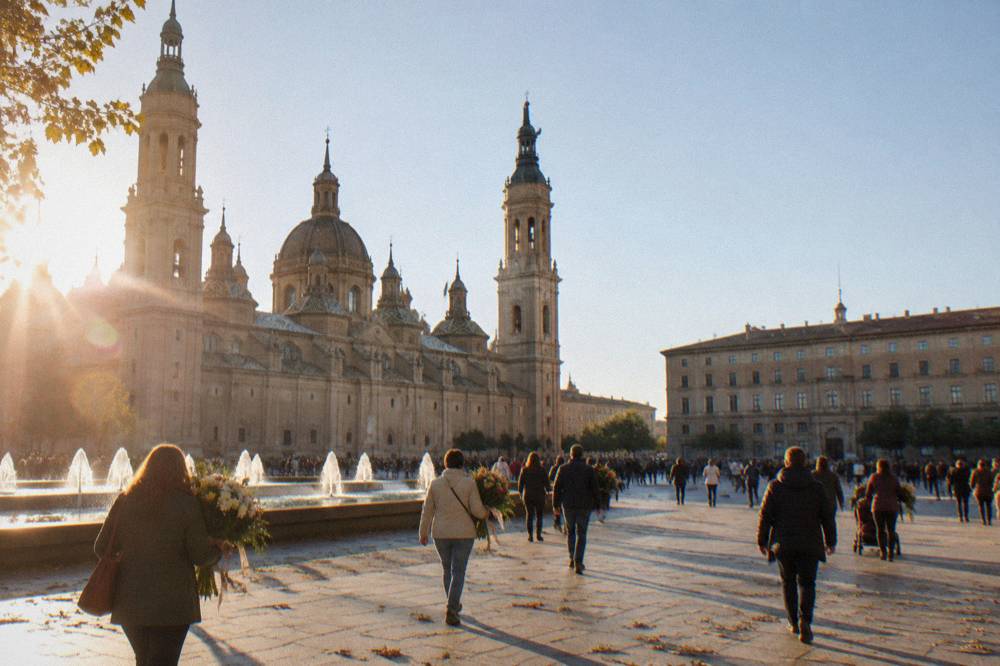
Transport to the open sites is simple. The tram and the urban bus network share a fare, 1.70 EUR for a single with no transfer, 0.55 EUR with the Tarjeta Bus, which itself costs 7 EUR and is valid on both. The Aljafería and the Parque Grande both sit on tram corridors, and the old-town museums are walkable from anywhere central. The getting around guide has the network detail.
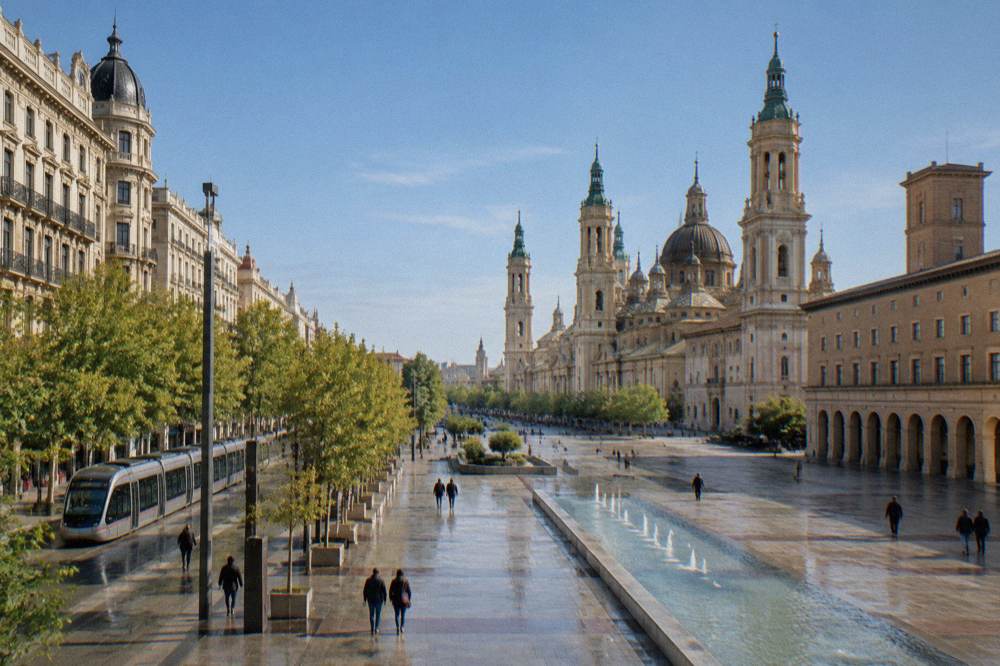
Two further notes on the closed network. First, do not treat the Museo de Zaragoza's closure as a reason to skip the Alonso district: the square and its exhibition pavilions, the Parque Grande and the walk between them, remain one of the city's better half-days. Second, the museum's reopening, when it comes, will be announced on its own site and reflected in the municipal timetable, so a fresh check the week you travel is the only reliable method. A printed guidebook from a few years ago will tell you the museum is open; the building will tell you otherwise.
Common Questions About The Museo De Zaragoza
What can I see in Zaragoza instead of the Museo de Zaragoza?
The Caesaraugusta Roman museums, the Aljafería, the IAACC Pablo Serrano, the Centro de Historias, the Torreón de la Zuda, the Museo del Fuego y los Bomberos, the Museo del Origami, the Alma Mater Museum, and the Museo Goya from 9 October 2026. La Seo's 10 EUR ticket also includes the Museo de Tapices, the Museo Pilarista and the Rosario de Cristal.
Is the Museo Goya in Zaragoza open?
It reopens on 9 October 2026 after renovation and expansion. Hours are Tue-Sat 10:00 to 20:00, Sunday and holidays 10:00 to 14:00, Monday closed. The admission price has not been published, so check at the desk or on the museum's page.
Are Zaragoza museums free?
Several are. The IAACC Pablo Serrano, the Torreón de la Zuda and the Centro de Historias are always free. The Caesaraugusta museums and the Museo del Fuego y los Bomberos are free on the 1st Sunday of the month, the Museo del Origami on the 1st Tuesday and Sunday, and the Aljafería on the 1st and 3rd Sunday and Monday of each month.
Is there a museum pass in Zaragoza?
There is no confirmed city museum pass. The closest things are the Caesaraugusta four-museum bono at 7 EUR, or 5 EUR reduced, and La Seo's combined cathedral and museums ticket at 10 EUR. Budget per site and check each institution's own page for its current terms.
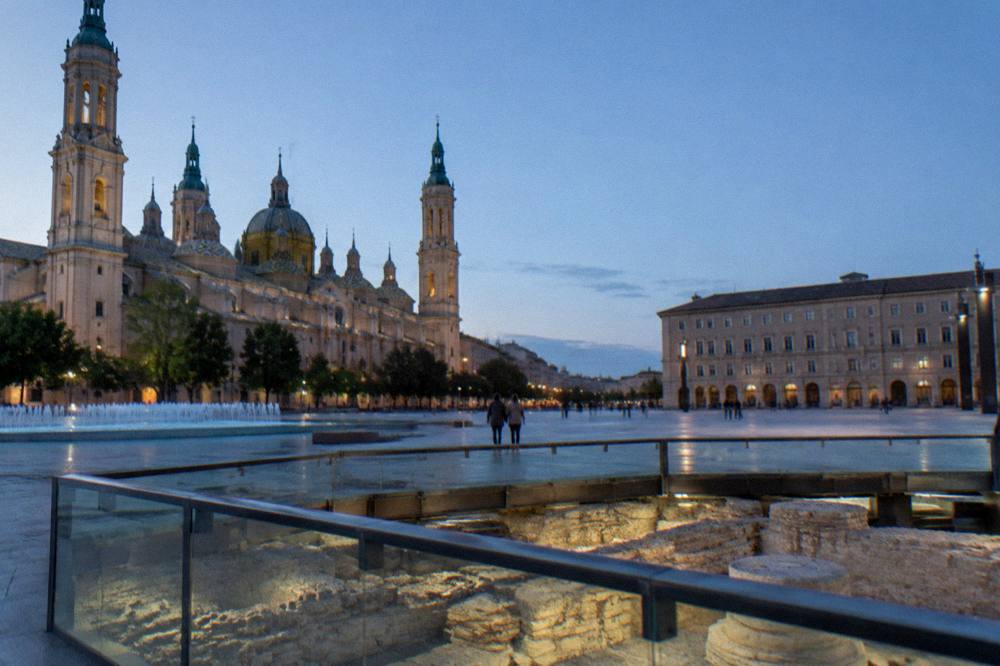
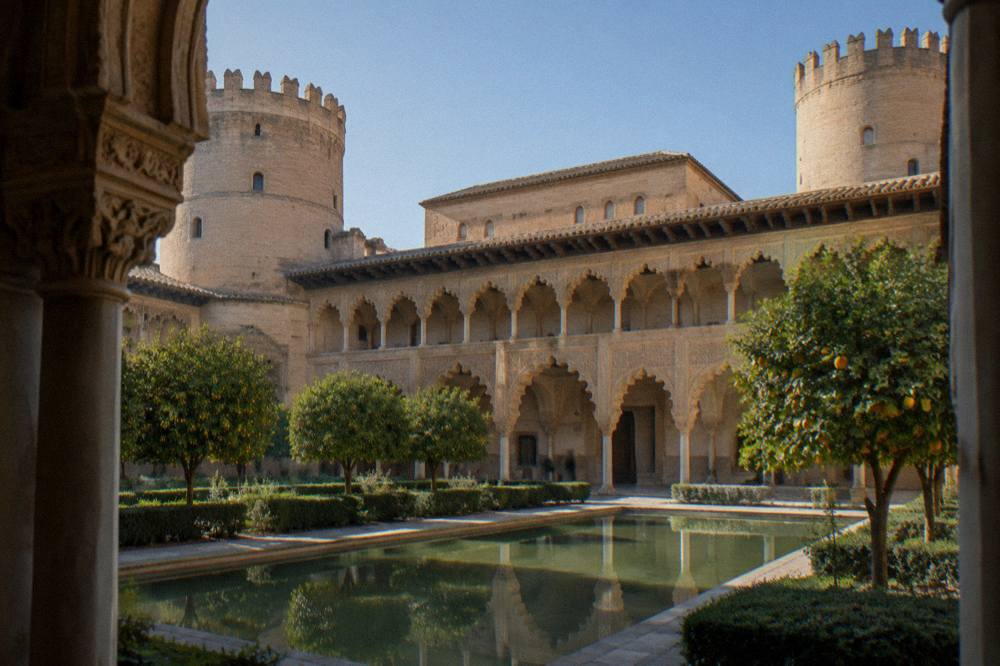
If you are weighing the guided options against doing it alone, the trio below covers the three most useful angles on the open city: the must-see walk, the Aljafería in Spanish with a guide, and the free historical-centre walk on GuruWalk. Each one starts in Zaragoza and each one works with the closures rather than against them.
Until then the honest position is simple: the city's museum story in 2026 and into 2027 is told by its Roman cellars, its Islamic palace, its reopened Goya collection and a set of free municipal museums that punch well above their ticket prices. Plan for those, check the museum's own page the week you arrive, and the closed building becomes a footnote rather than a disappointment.