Is There A High Speed Train From Barcelona To Zaragoza?
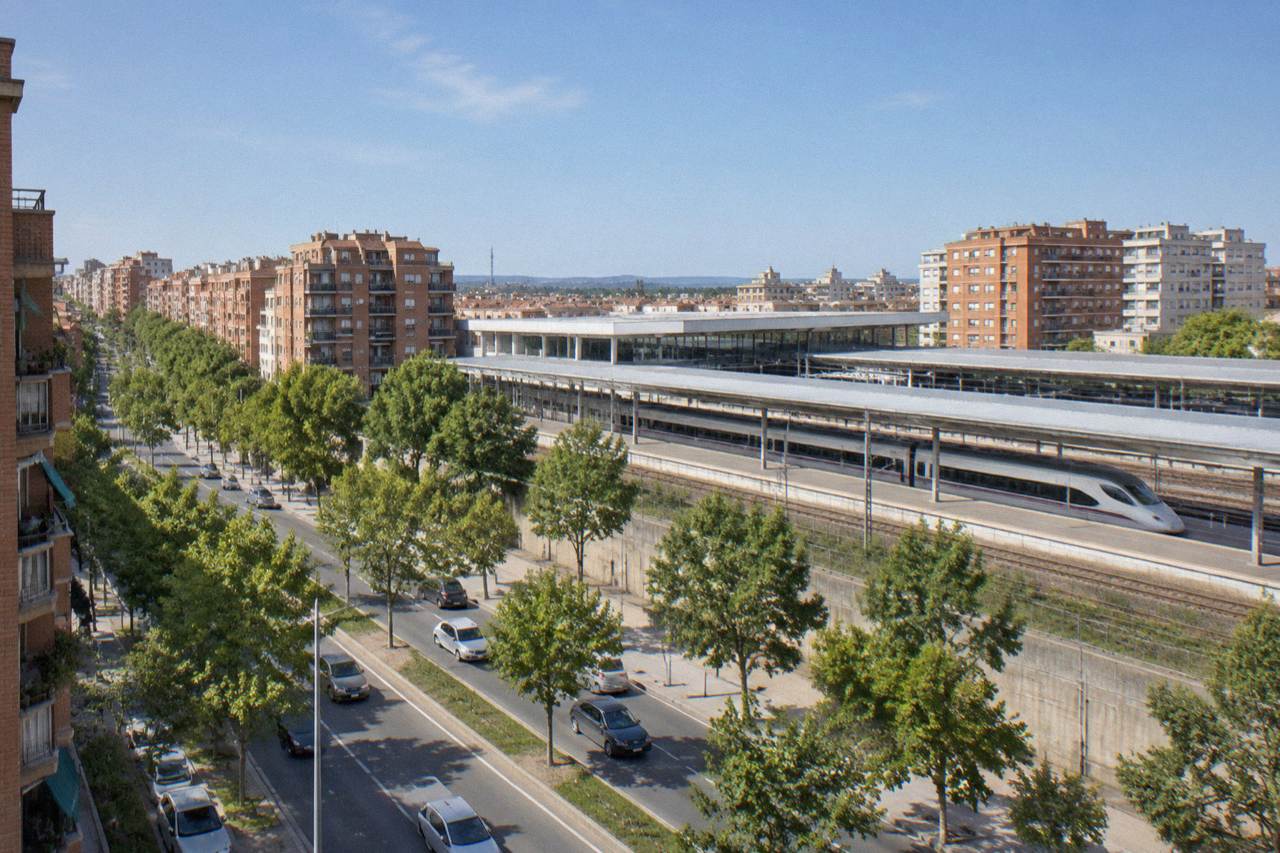
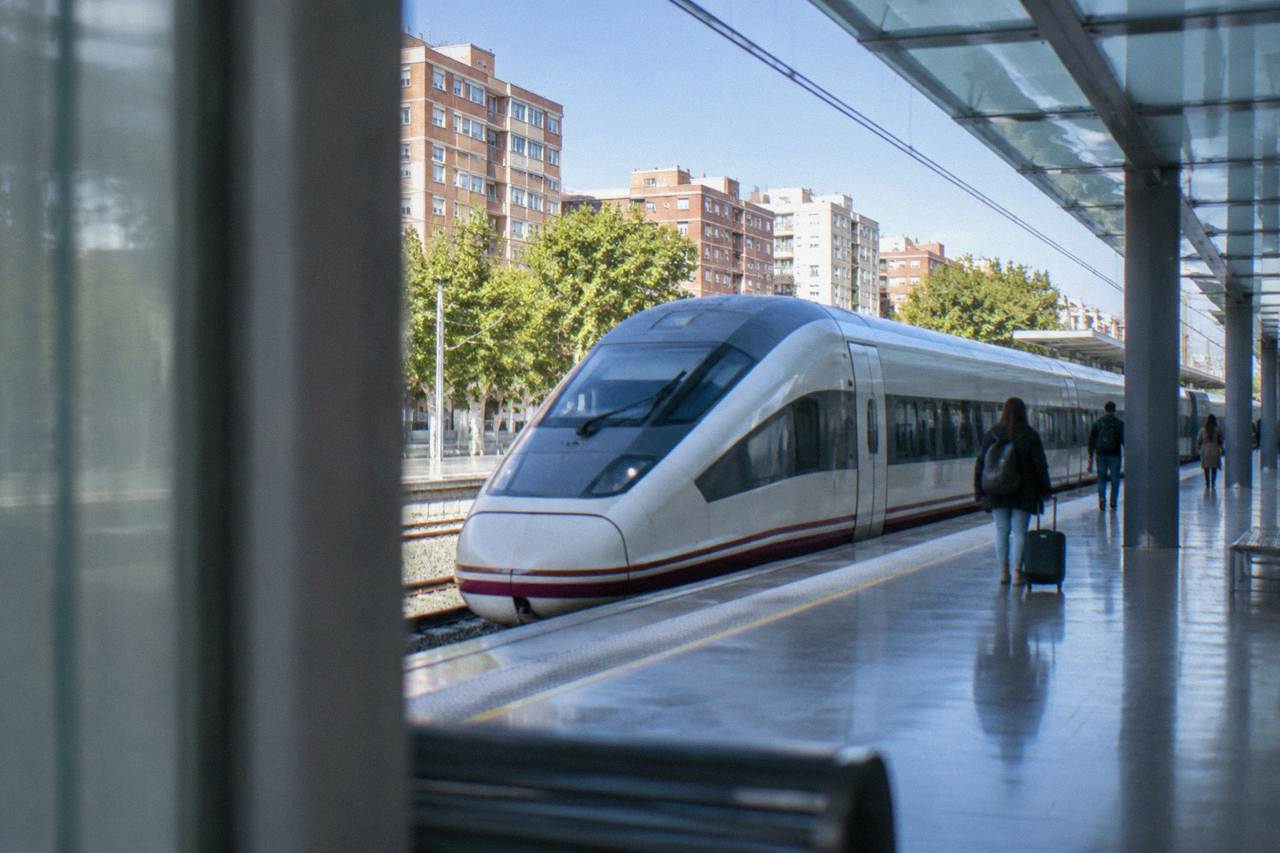
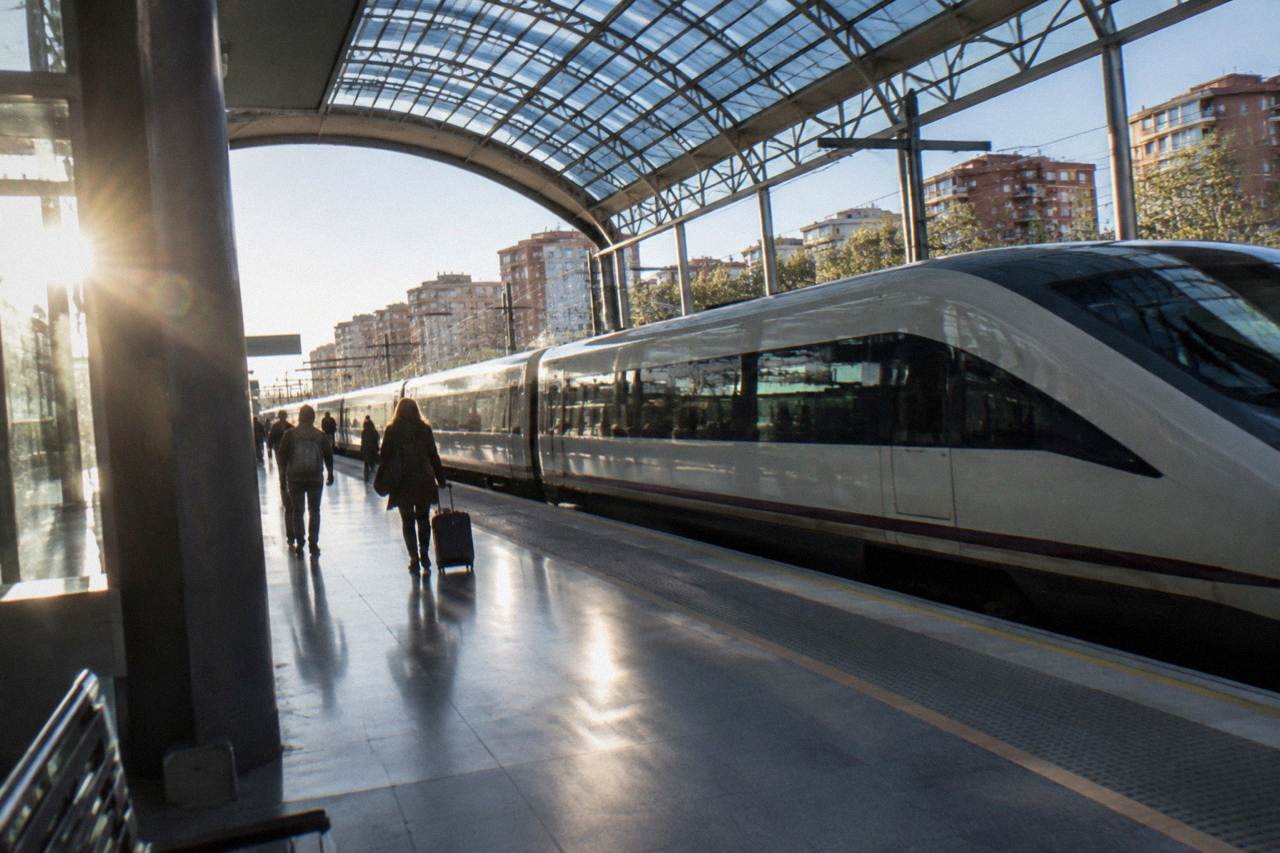
Yes, a high speed train links Barcelona with Zaragoza, Spain, in about 1.5 to 2 hours to Zaragoza-Delicias. Here is what to know about the route, the station and what to do on arrival.
Most queries about this city are practical ones: how long the fast train from Madrid takes, what the cierzo wind does to a winter afternoon, which tower views charge and which churches let you in for nothing. The pages below take each question in turn, with the opening hours, prices and transport details spelled out.
Yes, a high speed train links Barcelona with Zaragoza, Spain, in about 1.5 to 2 hours to Zaragoza-Delicias. Here is what to know about the route, the station and what to do on arrival.
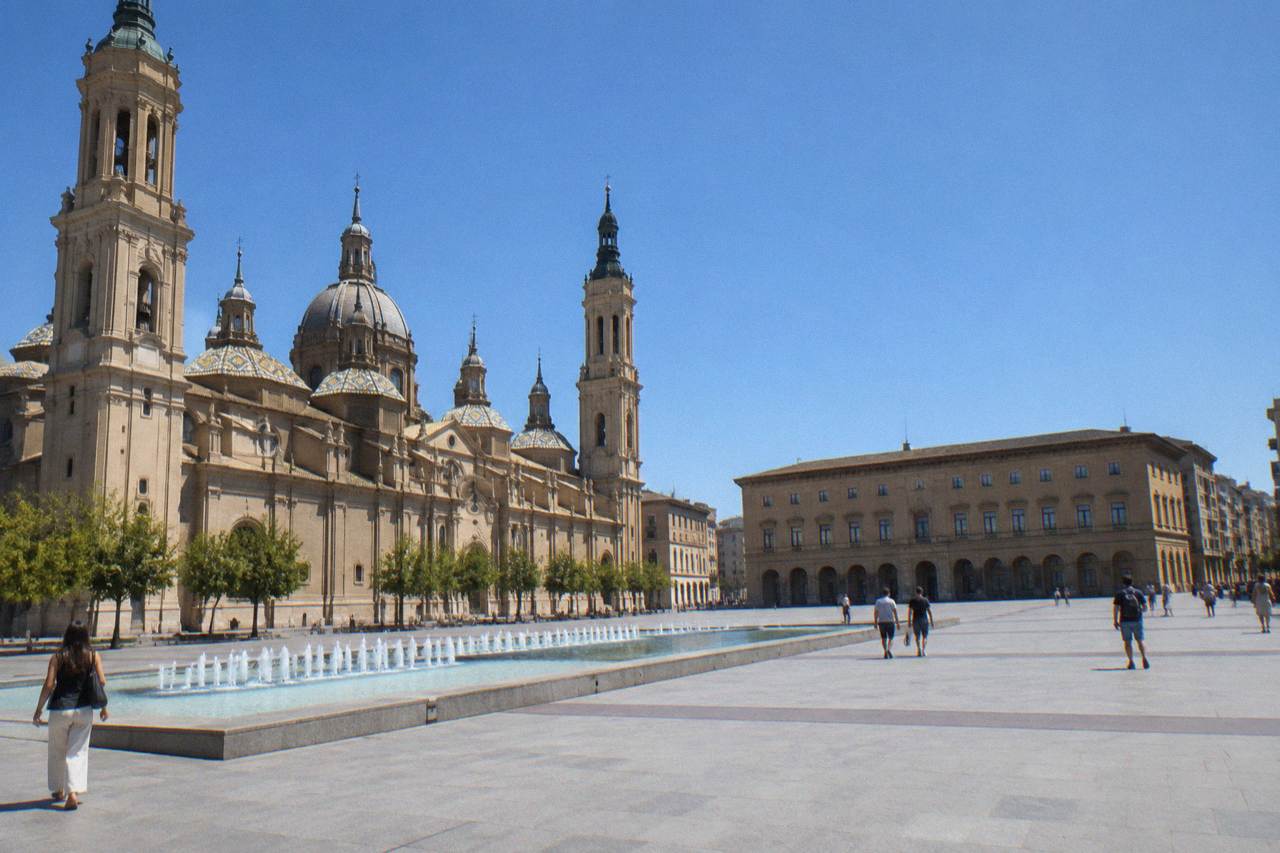
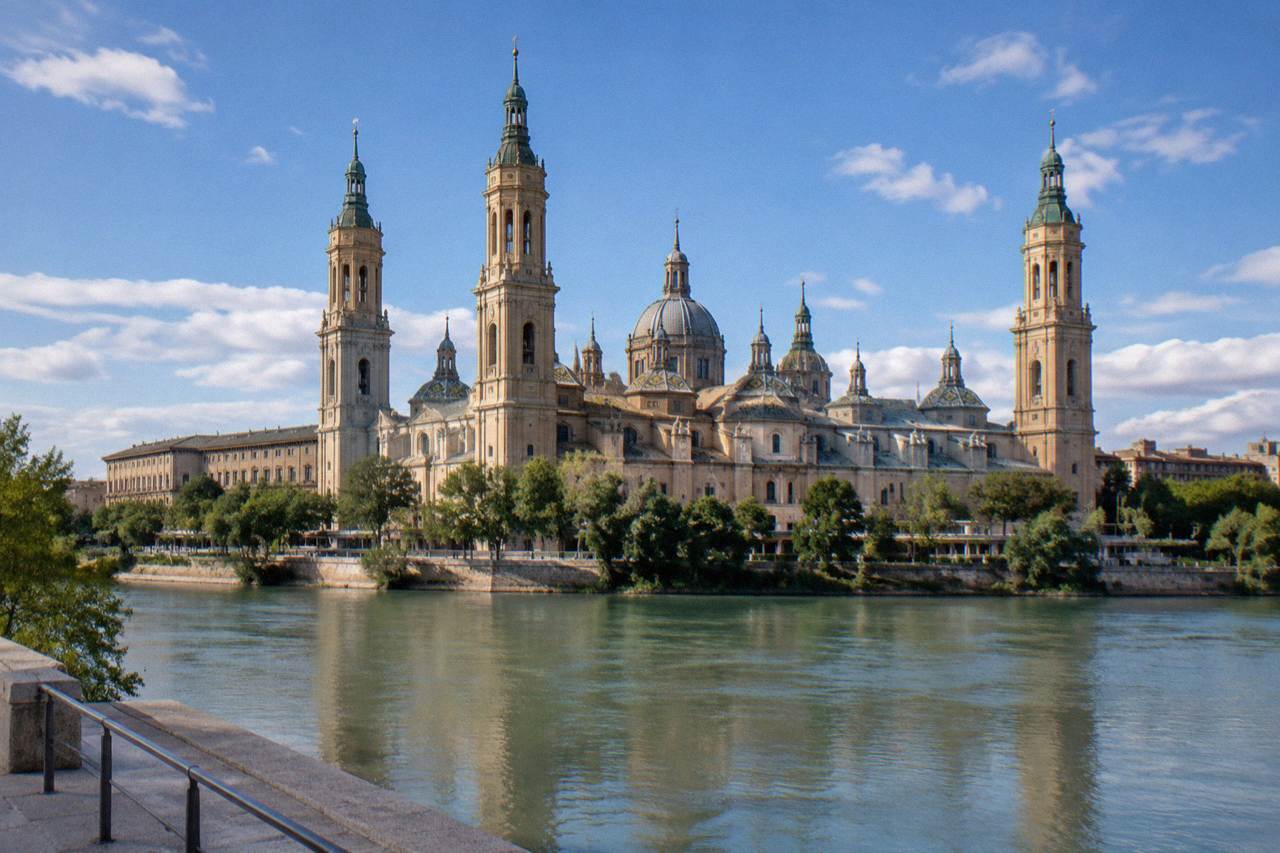
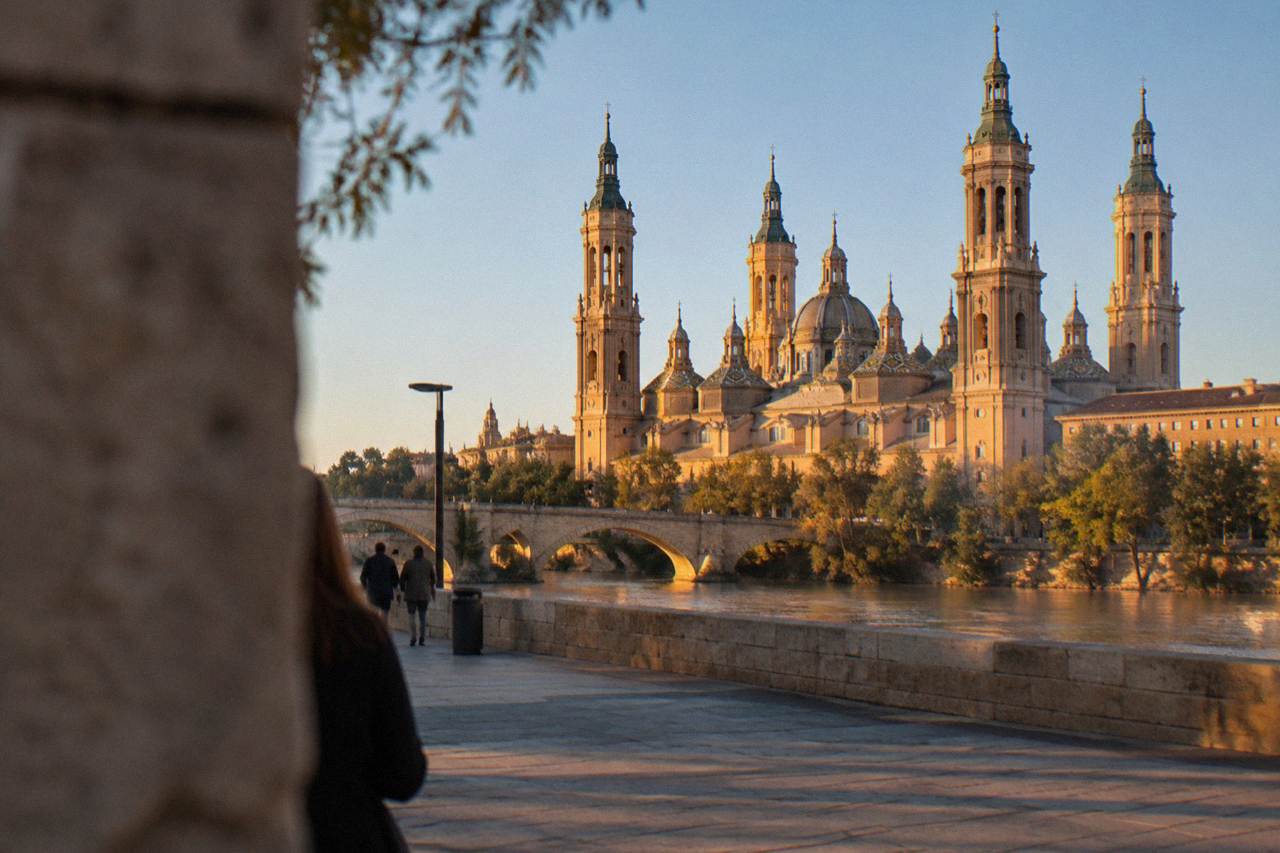
A practical one-day itinerary for Zaragoza, Spain: the Basílica del Pilar, La Seo, the Aljafería, tapas in the old town, with verified opening hours, prices and transport tips.
An honest comparison of Valencia and Zaragoza, Spain, covering character, sights, costs, food and festivals, with verified Zaragoza figures to help you choose.
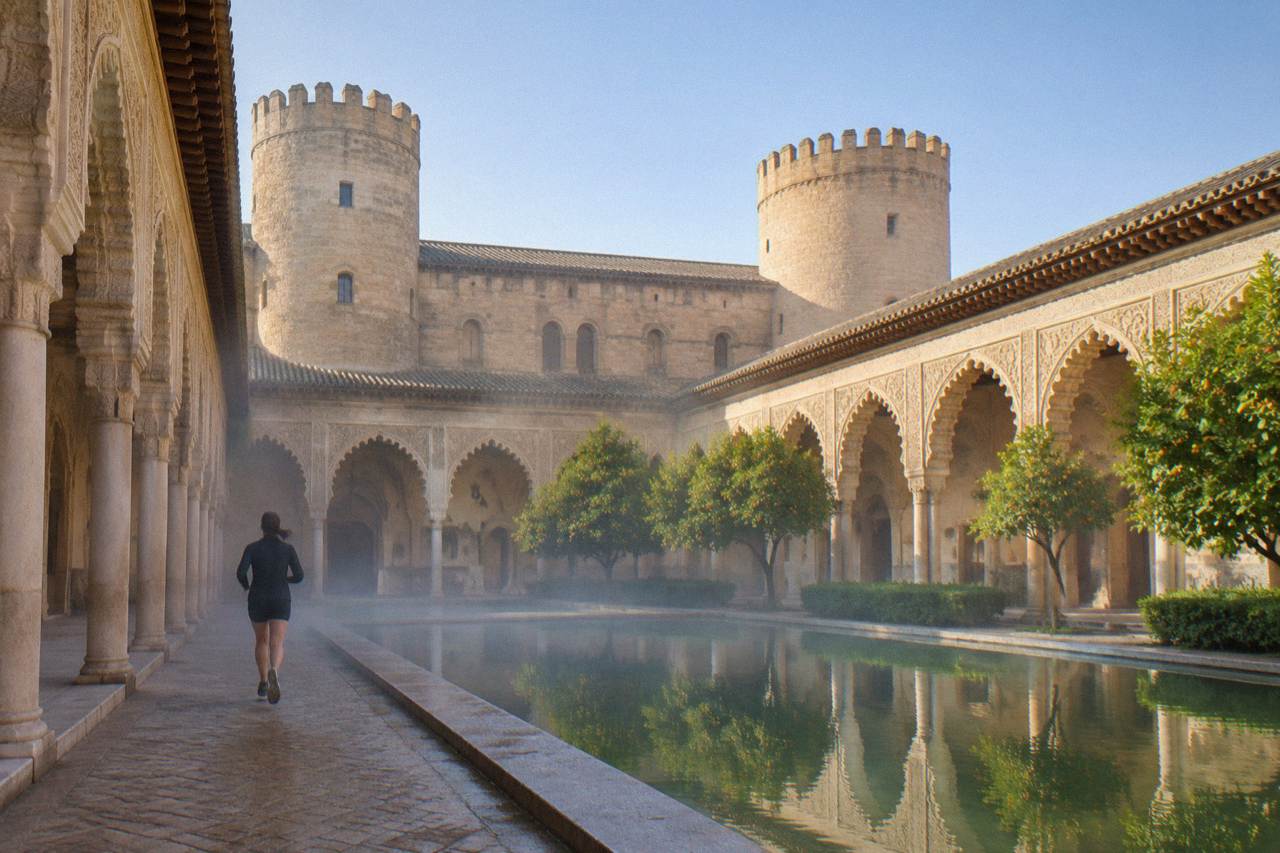
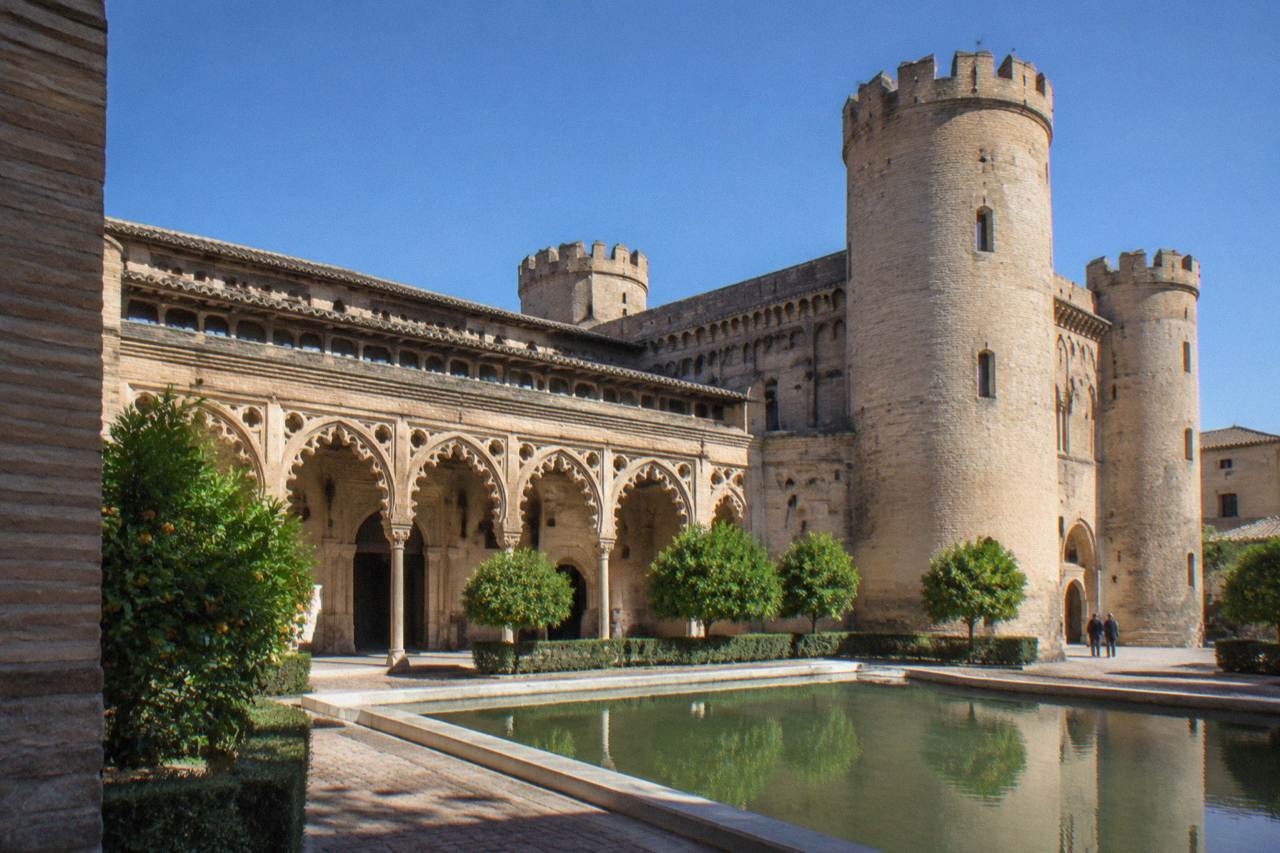
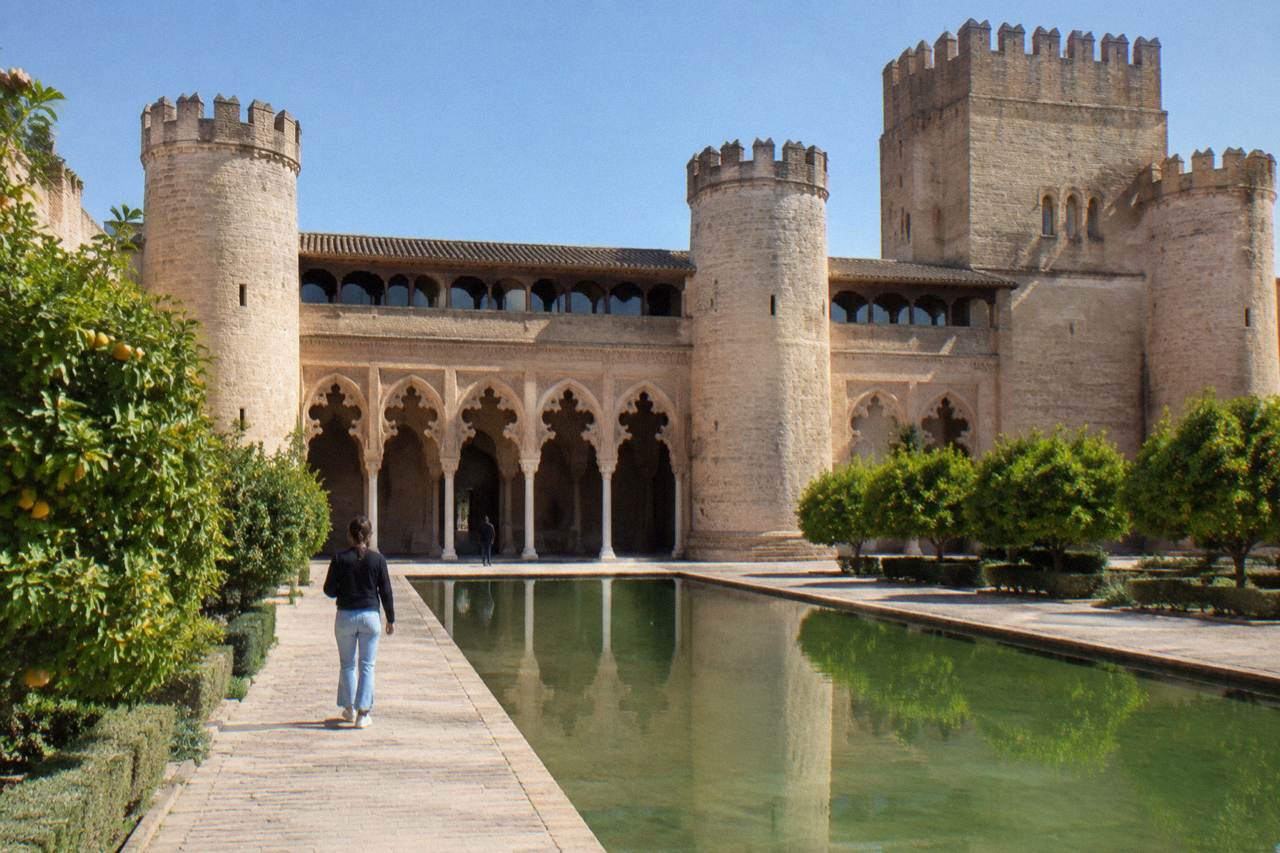
A room-by-room answer to what is inside the Aljafería palace in Zaragoza, Spain: the courtyard, the throne room, the oratory, the Goya exhibition, ticket prices, hours and guided tour times.
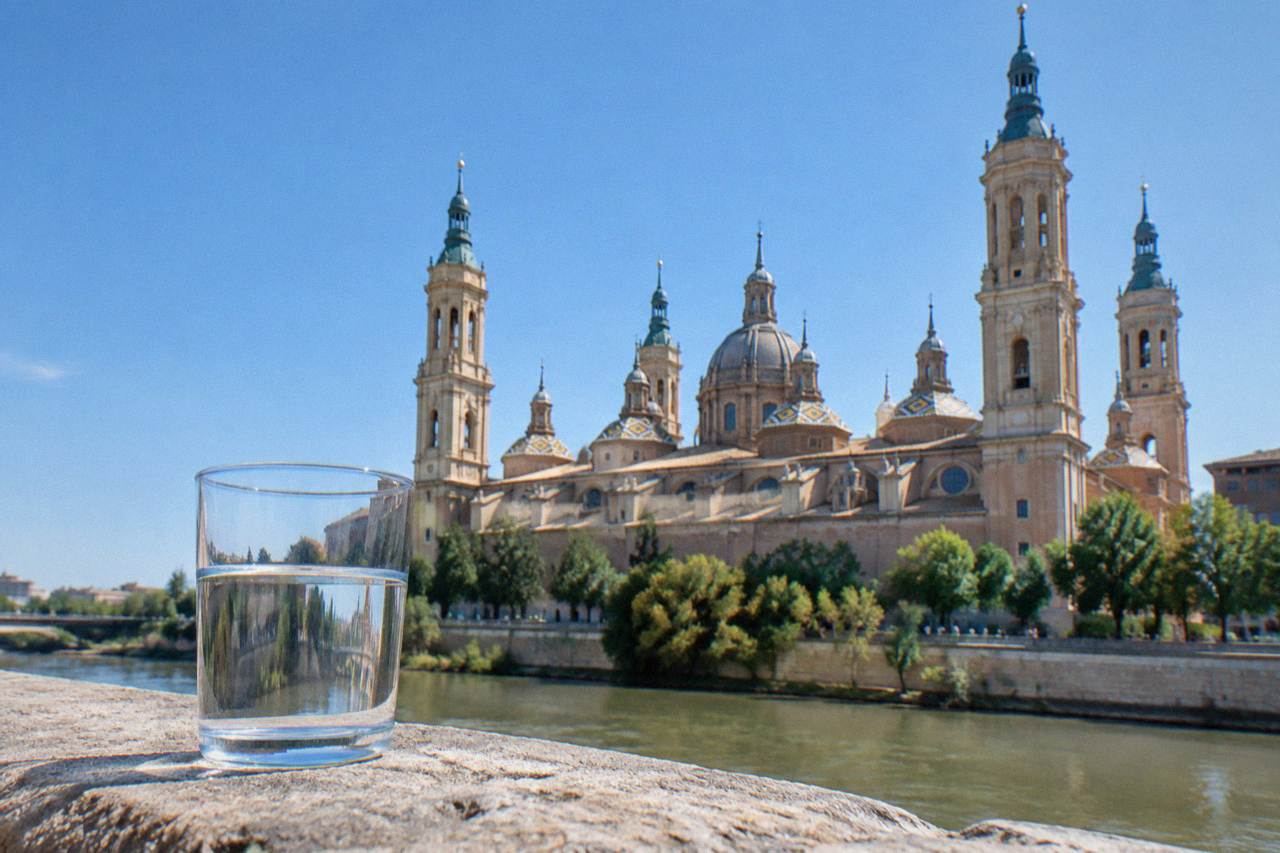
Yes, the tap water in Zaragoza, Spain is safe to drink. A practical guide to taste, restaurants, ice, summer heat and bottled water in the Aragonese capital.
Yes, the Aljafería Palace in Zaragoza, Spain is open to visitors daily. Here are the current opening hours, ticket prices, guided tour times and free-entry days.
Do they speak English in Zaragoza, Spain? A plain answer for visitors to the Aragonese capital, with what to expect at monuments, museums, menus and guided tours.
No. Zaragoza is one of the driest cities in Spain, with 322 mm of rain a year on the AEMET 1981-2010 averages. Here is how rain actually falls across the year and what it means for a visit.
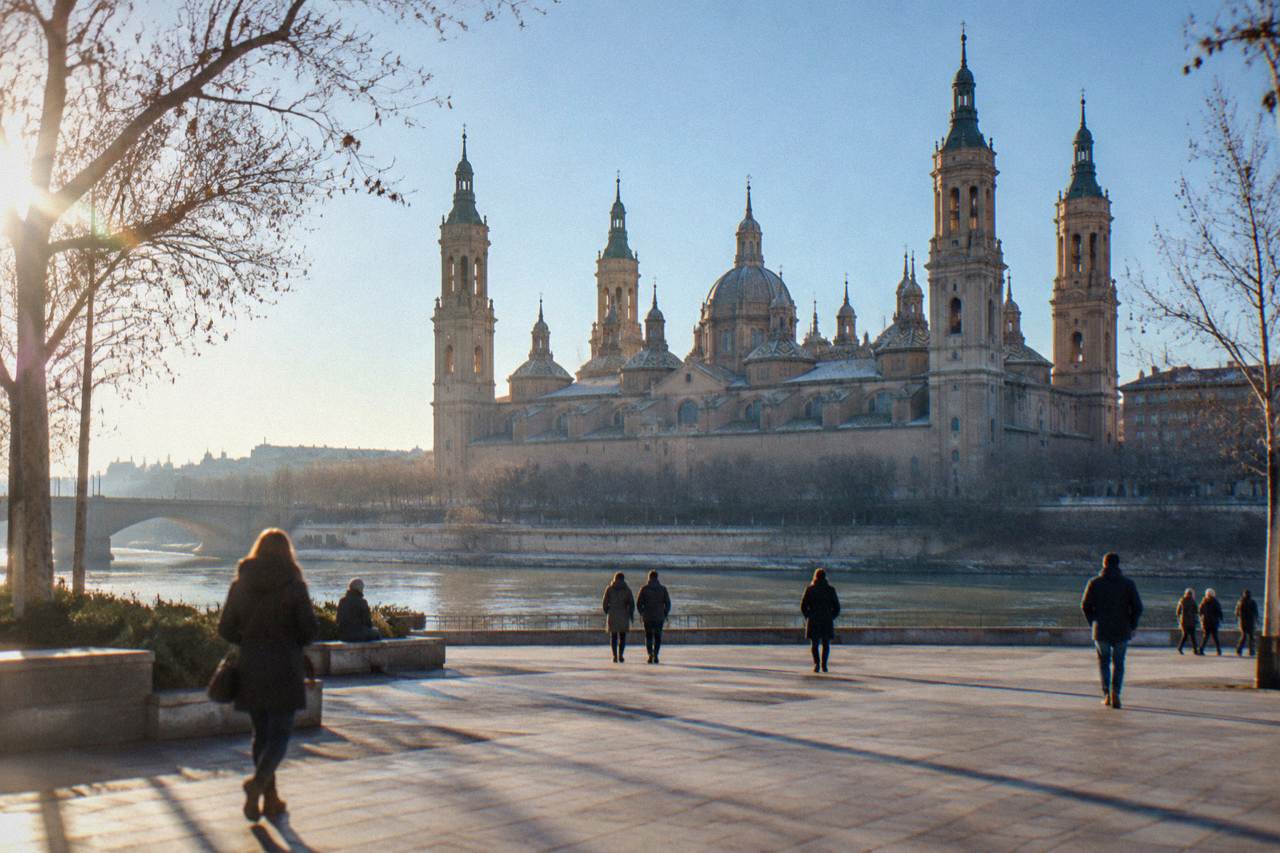
Snow in Zaragoza is rare but not impossible. AEMET's 1981-2010 averages for the city show what winter actually delivers: frost, fog and the cierzo wind, with only occasional snowfall on the Ebro plain.
The correct Castilian pronunciation of Zaragoza, Spain, syllable by syllable, plus how to say Basílica del Pilar, Aljafería and La Seo like a local.
The Madrid to Zaragoza high-speed train takes about 1.5 to 2 hours. Here is what the journey involves, what Zaragoza-Delicias is like on arrival, and how to spend the time you save.
Two days covers Zaragoza's essentials and three lets you breathe: a practical answer to how many days you need in Zaragoza, Spain, with itinerary splits for one, two and three days.
The straight answer to whether Zaragoza, the capital of Aragon in Spain, hosts a US military base, plus what the air base is and what the city actually offers a visitor.
No, Zaragoza is not a Basque city. It is the capital of Aragon, an inland region in north-east Spain on the Ebro river. Here is where the confusion comes from and what the city actually is.
Is Zaragoza a windy city? Yes: the capital of Aragon sits in the Ebro valley and is known for the cierzo, a cold, dry north-west wind. What it means for your visit.
No, Zaragoza is not in Catalonia. It is the capital of Aragon, an inland city on the Ebro in north-east Spain. Here is where it actually sits, what region it belongs to, and what that means for a visit.
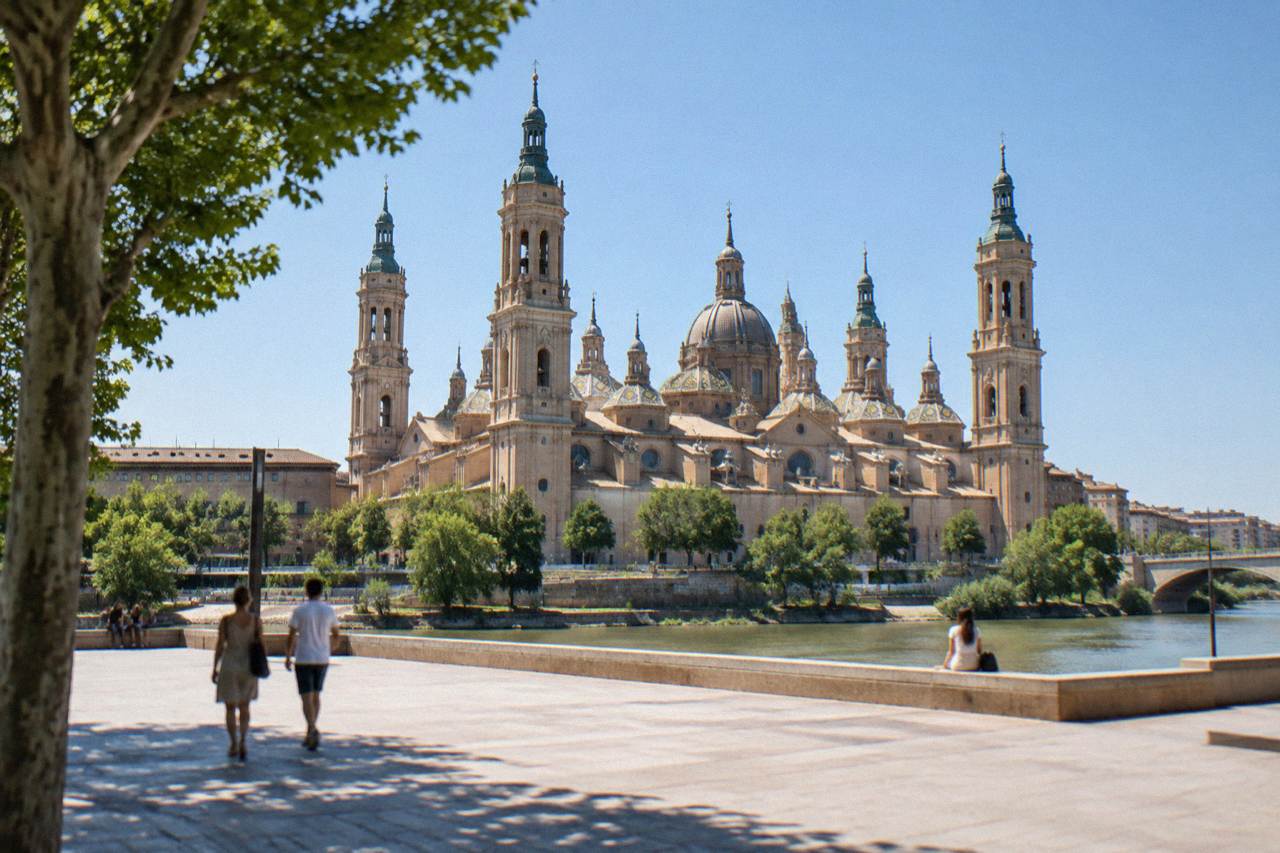
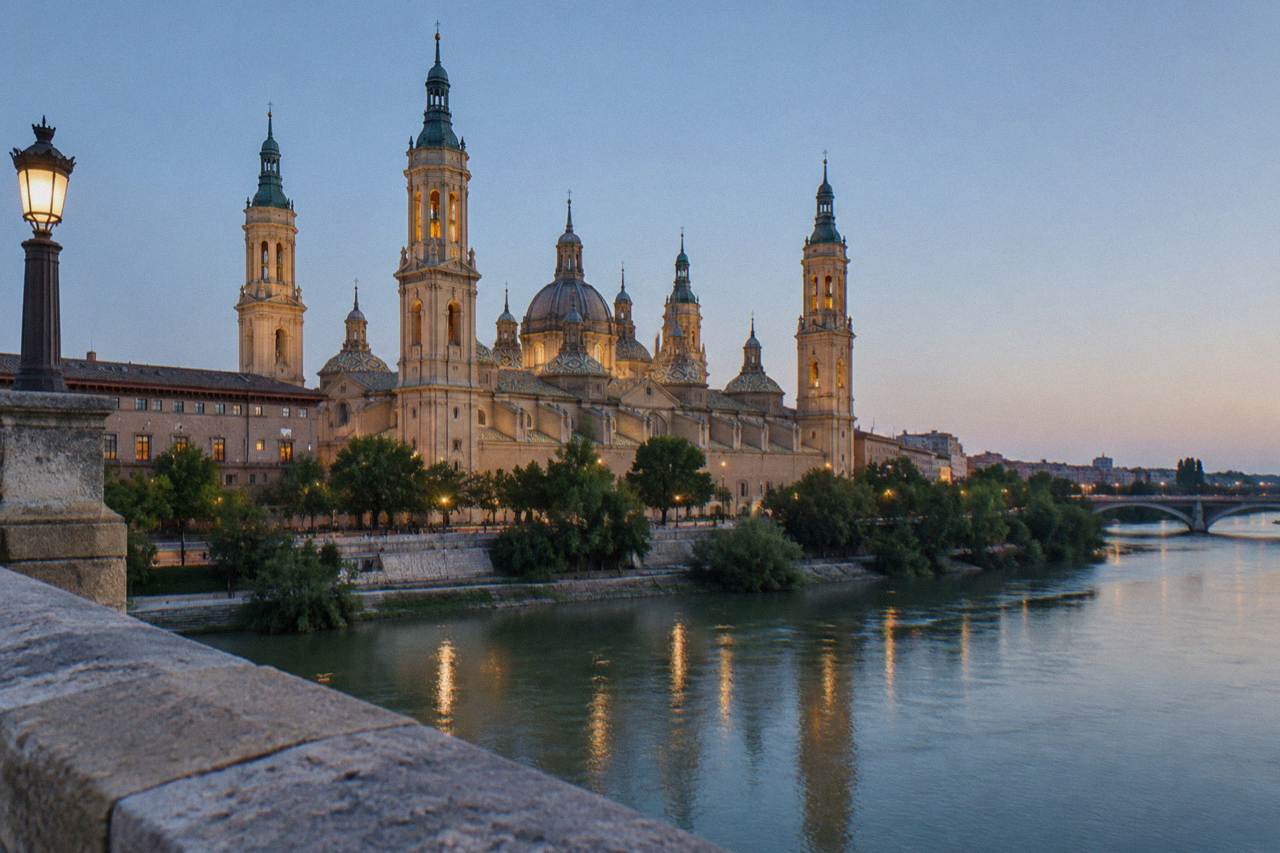
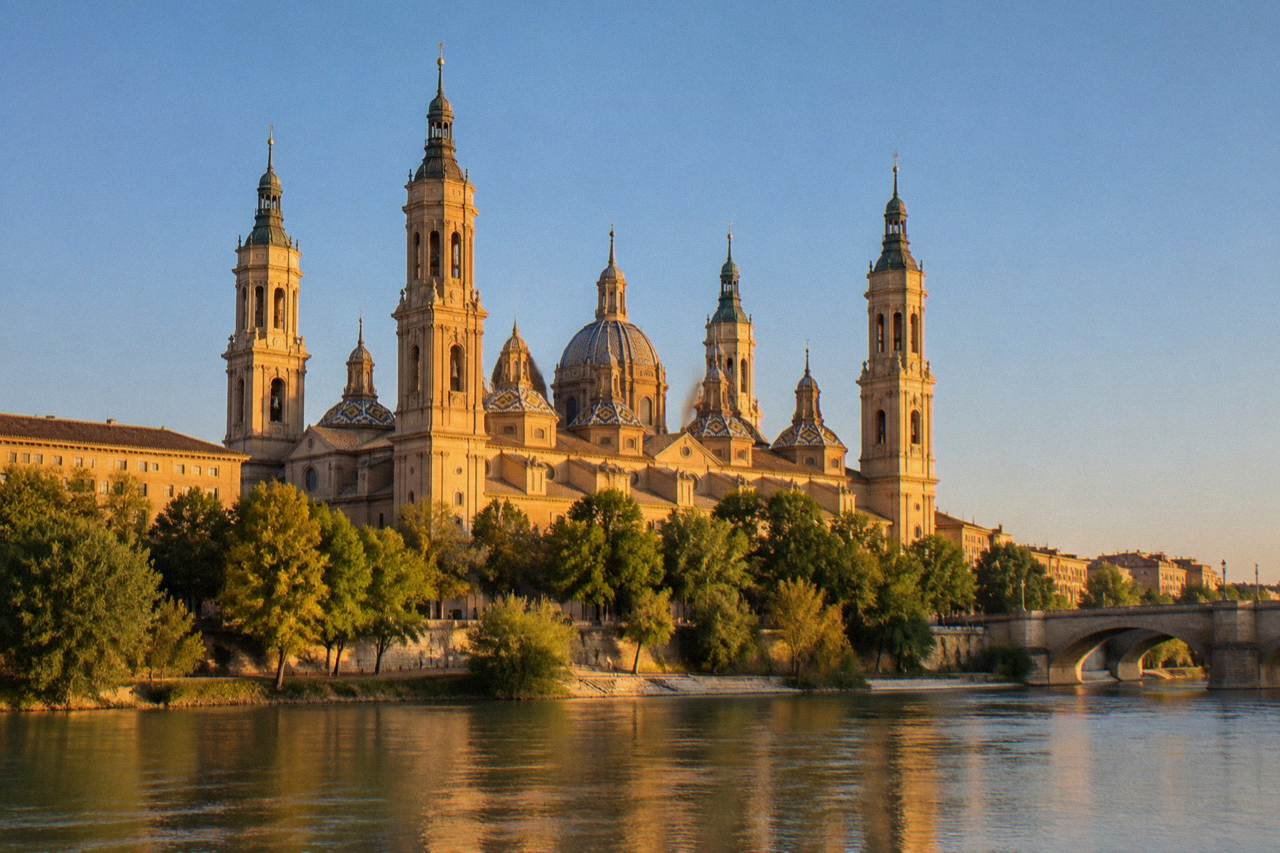
Zaragoza, the capital of Aragon on the Ebro, is worth visiting for the Basílica del Pilar, La Seo, the Aljafería, Roman Caesaraugusta and some of the cheapest city sightseeing in Spain.
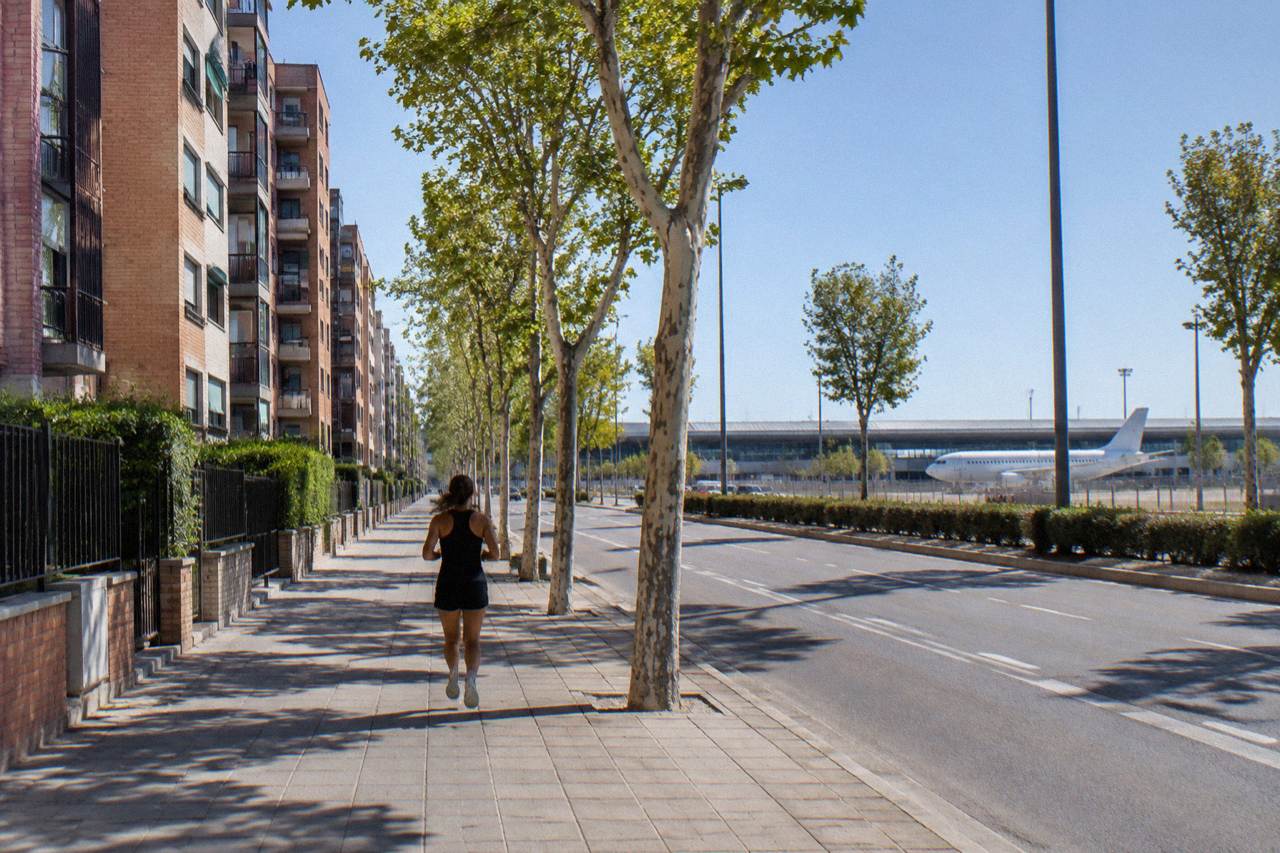
The airlines serving Zaragoza Airport in Spain, how to reach the city centre from the terminal, and whether flying beats the high-speed train from Madrid or Barcelona.
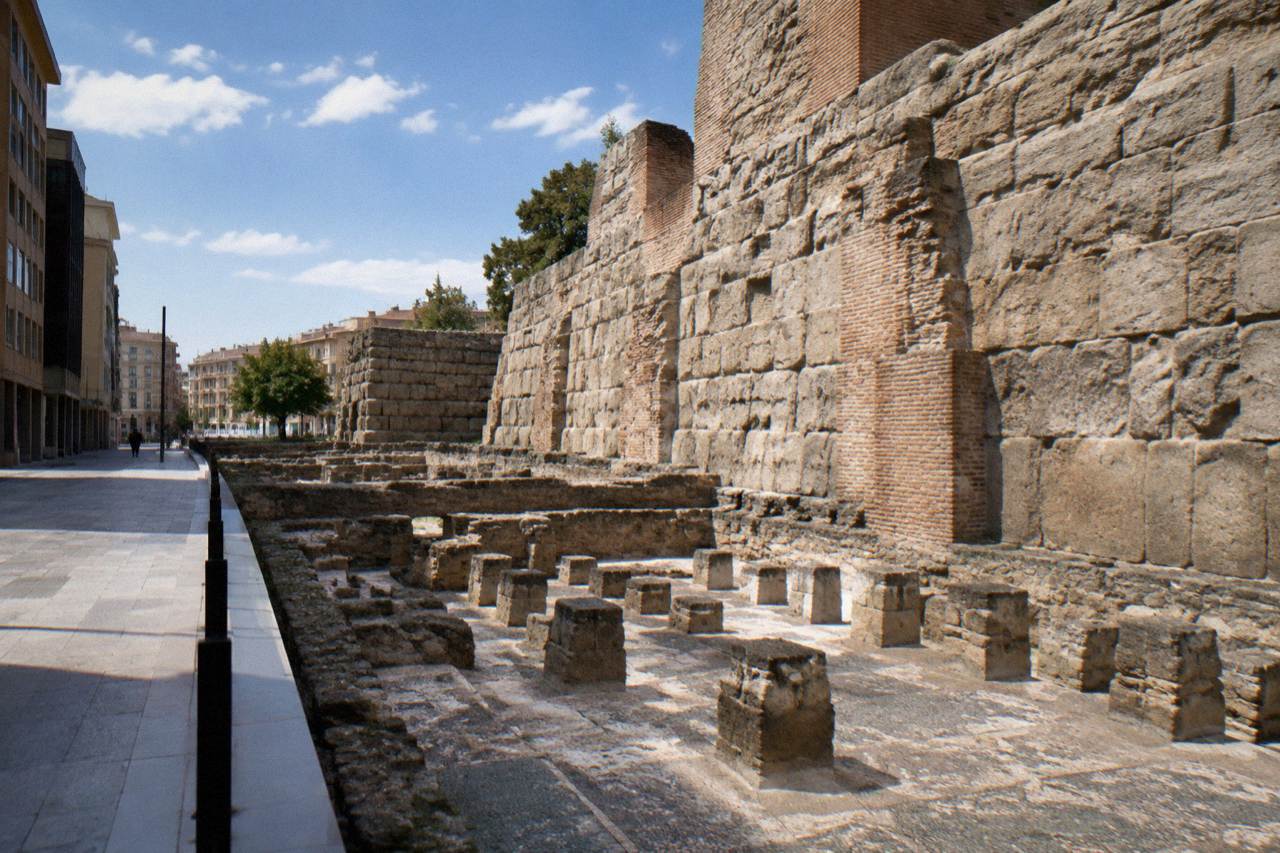
The Roman city of Caesaraugusta survives in four municipal museums in Zaragoza: the Forum, the River Port, the Baths and the Theatre. What to see, what each costs and how to plan a visit.
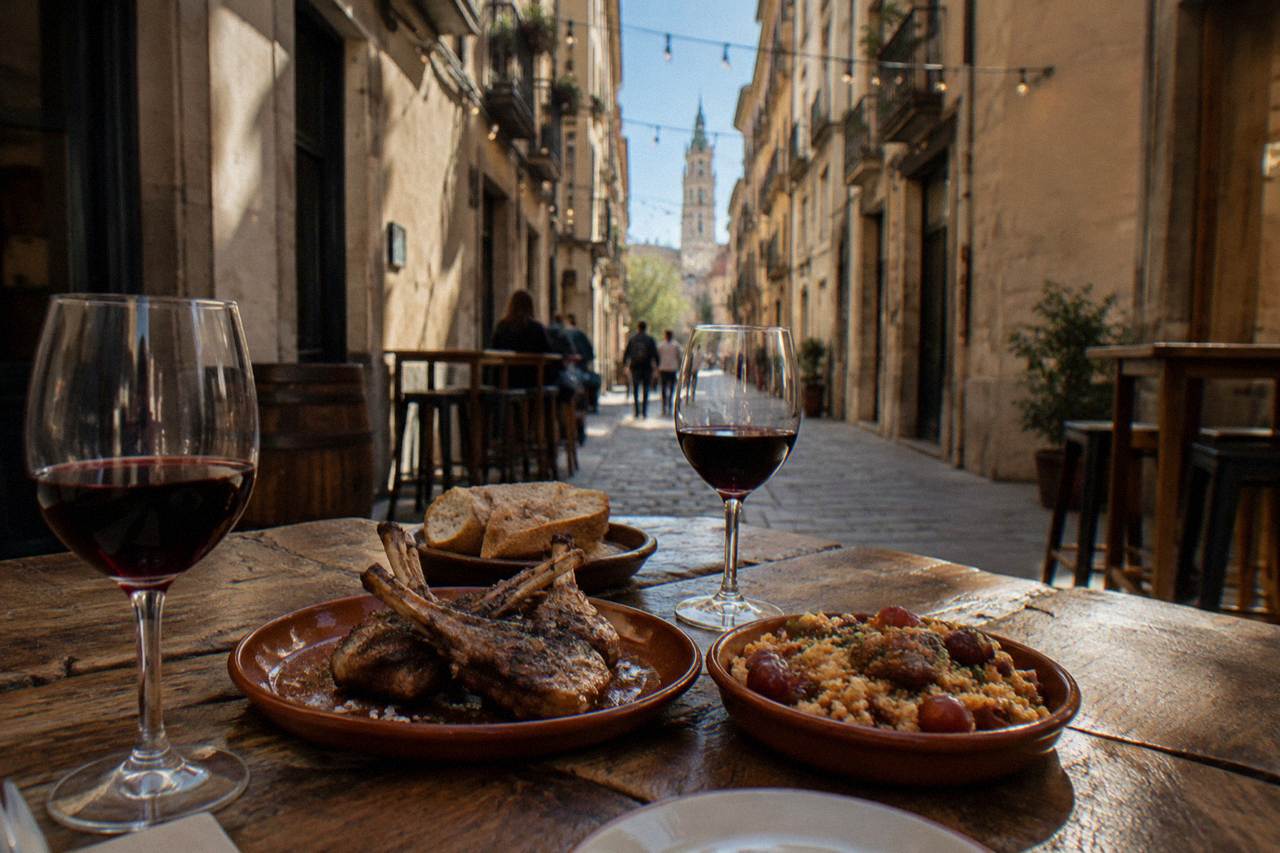
Zaragoza, the capital of Aragon in Spain, is famous for ternasco de Aragon lamb, migas aragonesas, a deep tapas culture and the wines of nearby Carinena. Here is what to eat, and the guided food experiences worth booking.
October 12 is Spain's national day and, in Zaragoza, the day of the Ofrenda de Flores to the Virgen del Pilar. What happens, when the 2026 Fiestas run, and how to plan a visit.
The history of the Aljafería Palace in Zaragoza, Spain, from an Islamic-era fortified palace to a royal seat, a military barracks and a restored monument, with UNESCO status, opening hours and ticket prices explained.
July is the hottest month in Zaragoza, Spain, with a 1981-2010 average high of 32.4 C. Here is how the Aragonese capital's summer really behaves, month by month.
The case for Zaragoza, the capital of Aragon, as Spain's most underrated city: Roman ruins, the Basílica del Pilar, the Aljafería, Mudéjar architecture and Fiestas del Pilar, all without coastal crowds.
Zaragoza, the capital of Aragon on the Ebro, makes one of the strongest cases for the prettiest city in Spain: the Basílica del Pilar, the Aljafería, Roman Caesaraugusta and Mudéjar towers, all in one walkable old town.
The richest city in Spain has no single official answer, and rankings shift with the measure used. Here is how the question plays out, and where Zaragoza, the capital of Aragon, fits into it.
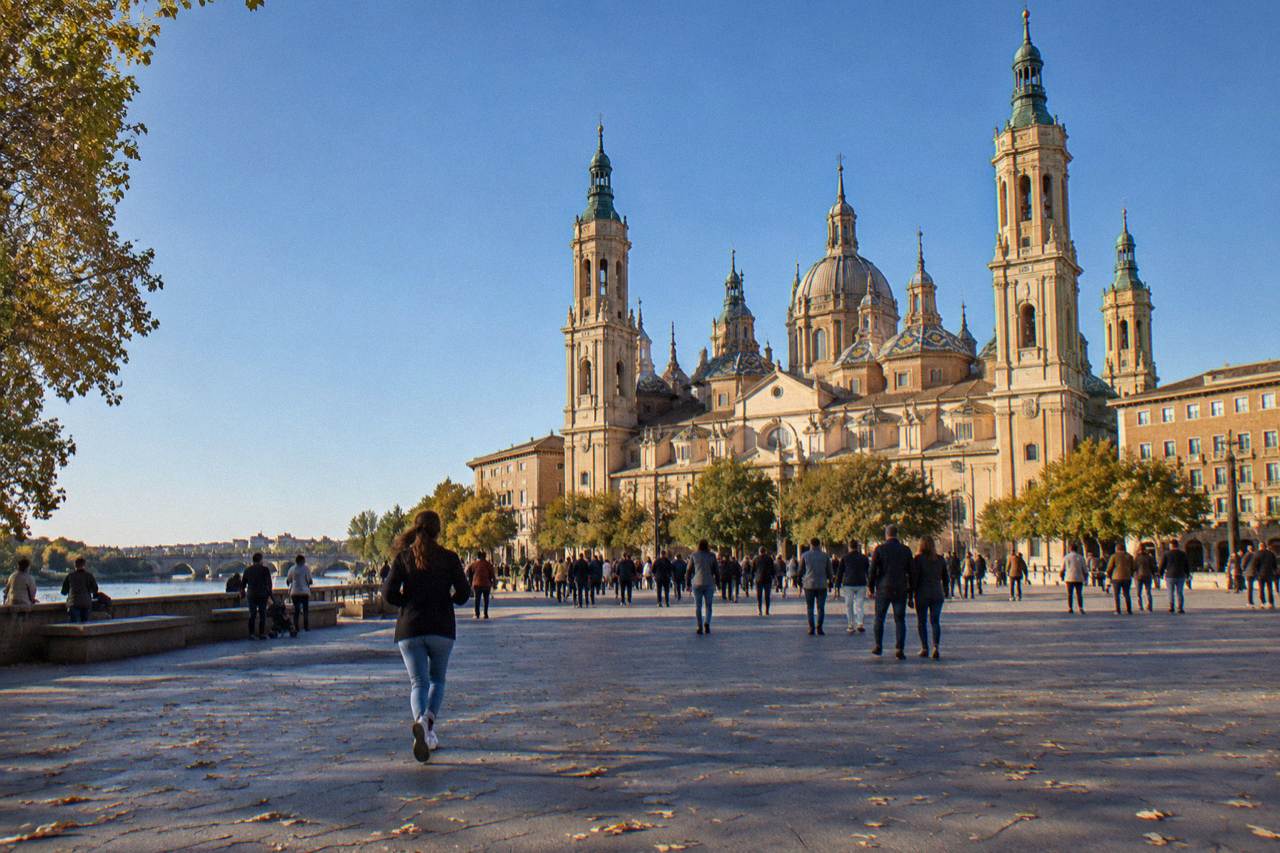
Zaragoza, the capital of Aragon in Spain, is famous for the Basílica del Pilar, UNESCO-listed Mudéjar architecture, Roman Caesaraugusta remains, the Fiestas del Pilar and Aragonese food. Here is what to see.
Zaragoza is the capital of Aragon, an inland city on the Ebro in north-eastern Spain, roughly equidistant by high-speed train from Madrid and Barcelona. Here is exactly where it sits, how to reach it and what that location means for a visit.
A sober, source-based answer to where to avoid in Zaragoza, Spain: no go-areas are few, but closures, the low emission zone, fiesta crowds and July heat are worth planning around.
Madrid and Barcelona both sit about 1.5 to 2 hours from Zaragoza by high-speed train. Here is how the two routes really compare, and what to do with the time you save.
The name of Zaragoza, the capital of Aragon in Spain, comes from the Roman city of Caesaraugusta. Here is what that means, what survives from it, and how to see it today.