What Airlines Fly To Zaragoza?
The airlines serving Zaragoza Airport in Spain, how to reach the city centre from the terminal, and whether flying beats the high-speed train from Madrid or Barcelona.
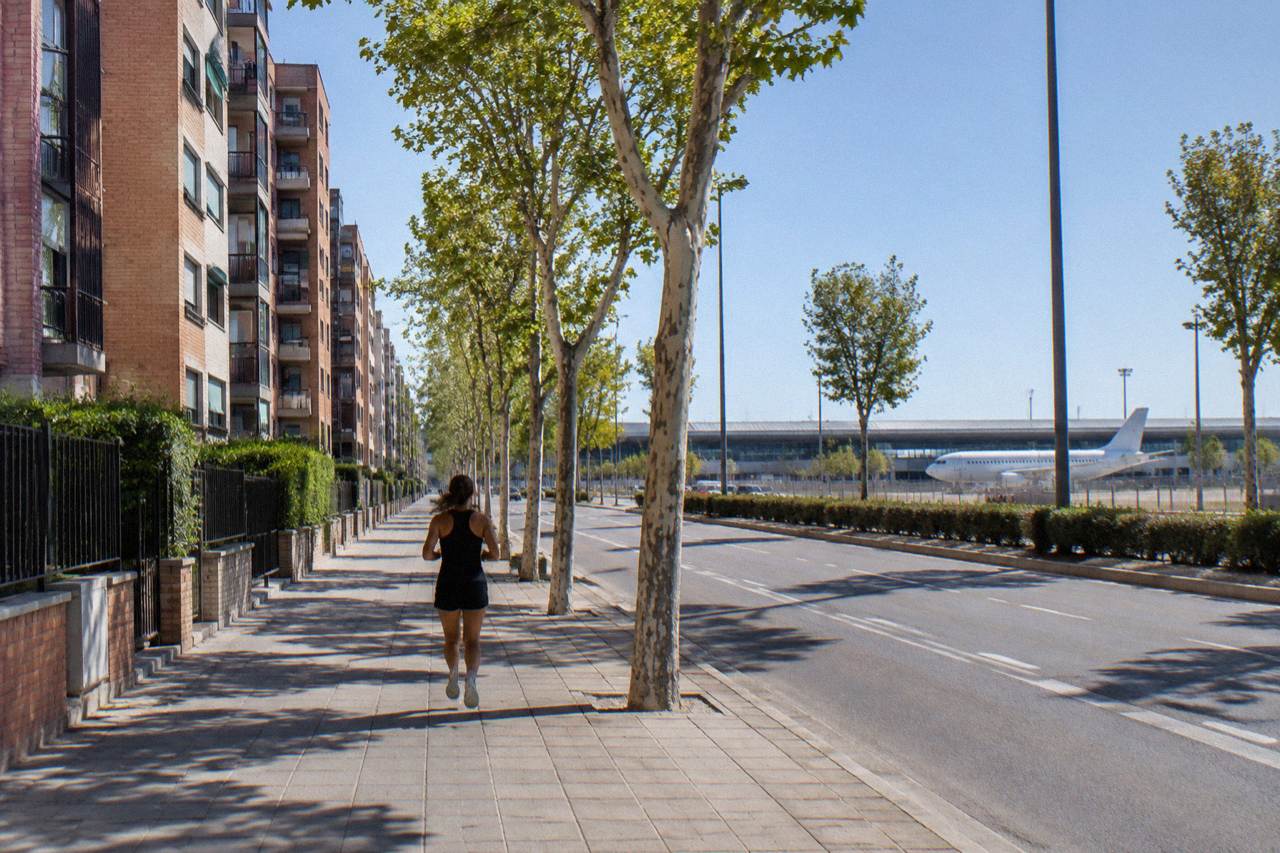
Zaragoza, the capital of Aragon in north-eastern Spain, is served by its own commercial airport, Zaragoza Airport (ZAZ), which sits a short bus or taxi ride from the city centre on the Ebro. AENA, the Spanish airport operator, lists six airlines operating from the terminal as of 30 September 2026: Ryanair, Wizz Air, Binter, Volotea, Vueling and Alba Star, serving 13 destinations in all. That is a small network compared with Madrid or Barcelona, but it is enough to reach Zaragoza directly from several European countries, and the city is also one of the best-connected inland rail hubs in Spain, with high-speed trains from Madrid and Barcelona taking about 1.5 to 2 hours. This page sets out exactly which carriers fly to Zaragoza, what the airport is like, and how to get from the terminal into the city, with the guided walking options worth booking once you arrive. For the wider picture, start with things to do in Zaragoza and the question of whether Zaragoza is worth visiting.
What Airlines Fly To Zaragoza?
Six airlines operate from Zaragoza Airport (ZAZ) according to AENA's airline and destination listing of 30 September 2026: Ryanair, Wizz Air, Binter, Volotea, Vueling and Alba Star, serving 13 destinations in total. Ryanair and Wizz Air are the low-cost backbone of the schedule, Volotea and Vueling add Spanish and European city routes, Binter connects the Canary Islands and Alba Star operates charter and seasonal work.
That list matters more than it looks. Zaragoza is not a hub, so the schedule leans heavily on low-cost carriers and on routes that carry the Aragonese diaspora, students and cargo-adjacent traffic rather than pure city-break tourism. The airport's own listing is the authoritative source for which airlines are present, and it changes with the seasons, so a route that existed last winter may pause in summer and return later. Anyone planning a trip around a specific carrier should check the airport's current destination page before booking anything else, because the 13-destination figure is a snapshot, not a permanent network.
What the listing does not give, and what no timetable printed here can give, is frequencies, days of operation or seasonal start and end dates. Those details live on each airline's own booking system and shift several times a year. Treat the airline names as fixed and everything else as worth confirming at the moment you book. The practical consequence is simple: if your home airport has a direct Zaragoza flight with one of these six carriers, the city is remarkably easy to reach, and if it does not, the high-speed rail option from Madrid or Barcelona is usually the faster answer anyway.
Where Does Zaragoza Airport Fly To?
AENA's listing of 30 September 2026 gives 13 destinations across the six carriers at Zaragoza Airport, without publishing a route-by-route timetable on the same page. The network is dominated by low-cost European city routes from Ryanair, Wizz Air, Volotea and Vueling, plus Binter's connection to the Canary Islands and Alba Star's charter and seasonal operations. No individual route, frequency or seasonal schedule is confirmed here beyond that carrier list.
The shape of the network tells you who the airport is for. Zaragoza Airport has always balanced three kinds of traffic: scheduled low-cost passenger flights, a substantial cargo operation that comes with the airport's logistics role, and seasonal or charter work that appears and disappears with the year. For a visitor, the practical reading is that direct flights to Zaragoza are most likely if you are flying from a major European low-cost hub or from the Canary Islands. If your departure city is not on the network, the answer is not to fly somewhere else in Spain and drive, but to fly to Madrid or Barcelona and take the train, which the section below covers.
| Airline | Type of operation at ZAZ | Typical role in the network |
|---|---|---|
| Ryanair | Scheduled low-cost | Largest low-cost presence, European city routes |
| Wizz Air | Scheduled low-cost | European city routes |
| Volotea | Scheduled | Spanish and European mid-haul routes |
| Vueling | Scheduled | Spanish and European city routes |
| Binter | Scheduled | Canary Islands connection |
| Alba Star | Charter and seasonal | Seasonal and charter operations |
One caution is worth stating plainly. The airport's airline list names the carriers and the destination count, but route announcements in local press sometimes describe plans rather than operating services. A route that has been announced but has not started does not appear on the AENA listing, and this page sticks to the listing. Before booking a connecting itinerary around a specific Zaragoza route, confirm the flight exists on the airline's own booking system for your dates.
How Do You Get From Zaragoza Airport To The City Centre?
The airport bus is line 505, costing 4.65 EUR for a single journey or about 2.25 EUR with a Lazo card, with a journey time of about 25 to 35 minutes and departures timed to flight arrivals, while a taxi takes about 15 to 20 minutes with no fixed fare published here. Line 505 is the correct number: the 44 is a city bus route and has nothing to do with the airport.
The 505 is the workhorse for most arrivals. It is timed to flights, which means you do not need to memorise a schedule, you need to know that the bus is coordinated with landings, and the timetable itself should be confirmed on the Avanza or Consorcio de Transportes pages before you travel, because a private local site is the source for the fare and journey time and official timetables are the ones that count. Pay attention to the card distinction: the Lazo card cuts the fare roughly in half, which matters if two or more people are travelling together and can share the logistics of buying one. The wider set of guides lives on Zaragoza Travel Guide.
A taxi is the faster option at 15 to 20 minutes, and no fare figure is printed here because none is verified. Once you are in the city, urban transport is cheap and simple: the 2026 Avanza fare table lists a single bus or tram ticket at 1.70 EUR, or 0.55 EUR with the Tarjeta Bus, and the card itself costs 7 EUR and works on both bus and tram. Most visitors, however, will barely need either, because the Casco Histórico, the Basílica del Pilar, La Seo and the Aljafería cluster close enough together that walking is the normal way to see them, as the one-day itinerary for Zaragoza shows.
| Option from ZAZ | Cost | Journey time | Notes |
|---|---|---|---|
| Airport bus, line 505 | 4.65 EUR single, about 2.25 EUR with Lazo card | About 25 to 35 minutes | Timed to flights; confirm timetable on Avanza or Consorcio pages |
| Taxi | No verified fare published | About 15 to 20 minutes | Rank at the terminal |
| Urban bus or tram, once in the city | 1.70 EUR single, 0.55 EUR with Tarjeta Bus | Varies by route | 2026 Avanza fare table |
Is Flying To Zaragoza Better Than The Train From Madrid Or Barcelona?
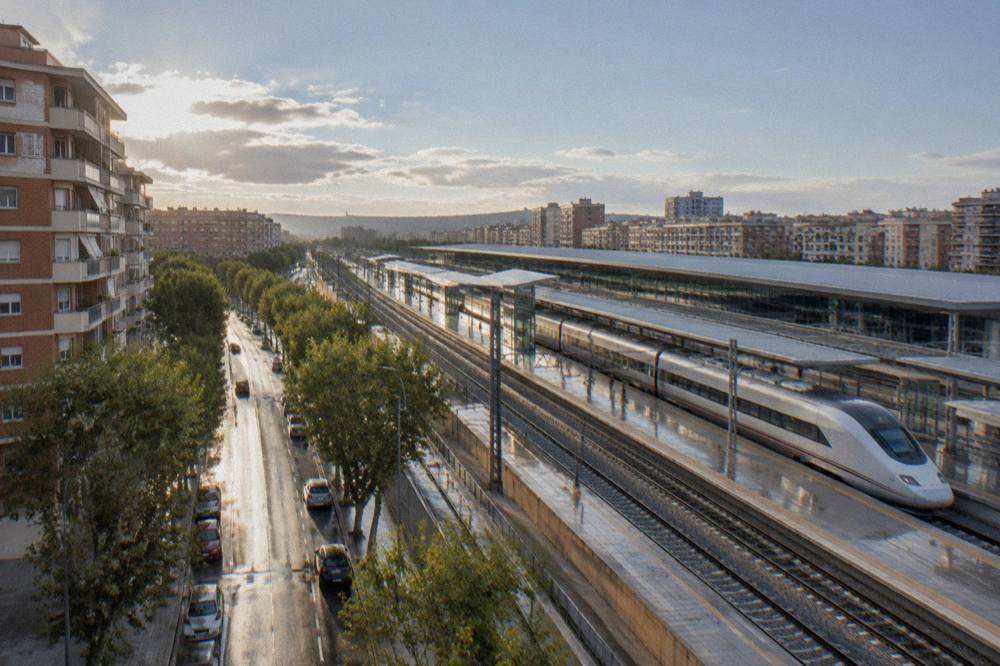
Flying to Zaragoza makes sense when a direct flight from one of the six carriers exists from your home airport, because the airport is only about 25 to 35 minutes from the centre by the 505 bus. When no direct flight exists, the high-speed train is usually the better answer: Zaragoza-Delicias is about 1.5 to 2 hours from both Madrid and Barcelona, city centre to city centre, with no airport transfer at either end.
The arithmetic is what decides it. A flight into Zaragoza from a distant hub involves getting to that hub's airport, the flight itself, then the 505 or a taxi into the city. The train from Madrid or Barcelona involves getting to Atocha or Sants, a journey of roughly an hour and a half to two hours, and arriving directly at Zaragoza-Delicias, from which the tram and bus network runs at the 1.70 EUR single fare. For anyone already in Spain, or arriving at Madrid or Barcelona from overseas, the train wins on almost every count except price on specific promotional fares, and no exact train fare or timetable is printed here because the aggregators are not the operators. Check the operators' own sites for live times and prices.
There is a third pattern worth knowing: some visitors fly into Zaragoza precisely because the city makes an efficient first stop on a Spanish itinerary. Zaragoza sits on the Madrid to Barcelona high-speed corridor, so a landing at ZAZ can begin a route that continues by rail to either city. The comparison between Zaragoza and its bigger neighbours, and the question of which city is closer, Madrid or Barcelona, is covered elsewhere on this site.
What Should You Do First After Landing In Zaragoza?
Most arrivals should head straight for the Casco Histórico, where the Basílica del Pilar, La Seo and the Roman Caesaraugusta sites stand within a few minutes' walk of each other, and a guided walking tour on the first afternoon is the most efficient way to anchor the rest of the stay. The two-hour Must-See Attractions Walking Tour covers the essential sights and costs from 78.78 USD per person, rated 4.6 from 9 reviews.
The logic of a first-day tour is orientation. Zaragoza's monumental core is compact but layered, with Roman, Moorish, Mudéjar and baroque layers stacked on the same few streets, and a guide who explains what you are looking at saves an afternoon of guesswork. The Must-See Attractions Walking Tour is a private two-hour walk, which suits a first afternoon after a flight, and it can be booked for Check availability alongside the internal tour page. If the budget is tighter, the historical centre also has a tip-based free walking tour, and a self-guided scavenger hunt version exists for visitors who prefer to move at their own pace; both appear in the options below.
Two timing notes are worth having before you plan that first day. Entry to the Basílica del Pilar itself is free, though the tower viewpoint carries its own ticket, and the Aljafería is open daily 10:00 to 18:00 in October with a general ticket at 7 EUR. If your landing happens to fall in mid-October, the Fiestas del Pilar run from 10 to 18 October 2026 with the Ofrenda de Flores on 12 October, which transforms the whole centre and is covered in detail on the what is Zaragoza famous for page.
Common Questions About Flying To Zaragoza
What airlines fly to Zaragoza?
AENA's listing of 30 September 2026 names six airlines at Zaragoza Airport: Ryanair, Wizz Air, Binter, Volotea, Vueling and Alba Star, serving 13 destinations in total. Frequencies and seasonal schedules are not published on the same listing and should be confirmed with each airline.
Is Zaragoza Airport close to the city centre?
Yes. The 505 airport bus covers the distance in about 25 to 35 minutes for 4.65 EUR single, about 2.25 EUR with a Lazo card, and a taxi takes about 15 to 20 minutes. The bus is timed to flight arrivals, so check the Avanza or Consorcio pages for the timetable before you travel.
Can you fly direct to Zaragoza from outside Spain?
Yes, depending on the season. Ryanair, Wizz Air, Volotea and Vueling all operate routes at Zaragoza, and the airport's network includes European destinations alongside Spanish ones. The 13-destination figure is a snapshot from AENA's listing of 30 September 2026, so confirm your specific route on the airline's own booking system.
Is it better to fly to Madrid or Barcelona and take the train to Zaragoza?
Often, yes. High-speed trains reach Zaragoza-Delicias from both Madrid and Barcelona in about 1.5 to 2 hours, city centre to city centre, which compares well with a connecting flight plus airport transfers once you account for getting to and from each airport. Exact times and fares vary by operator and date.
Do you need a car once you arrive in Zaragoza?
No. The monumental centre is walkable, the urban bus and tram single is 1.70 EUR or 0.55 EUR with a Tarjeta Bus per the 2026 Avanza fare table, and the low-emission zone restricts unlabelled vehicles in the Casco Histórico on weekdays from 08:00 to 20:00. A car only earns its keep for day trips into rural Aragon.
The six-carrier list at Zaragoza Airport is small, current and checkable, and the rail corridor does the rest: between them, almost any traveller can reach the capital of Aragon without a layover inside Spain, and be standing in front of the Basílica del Pilar within an hour of landing.