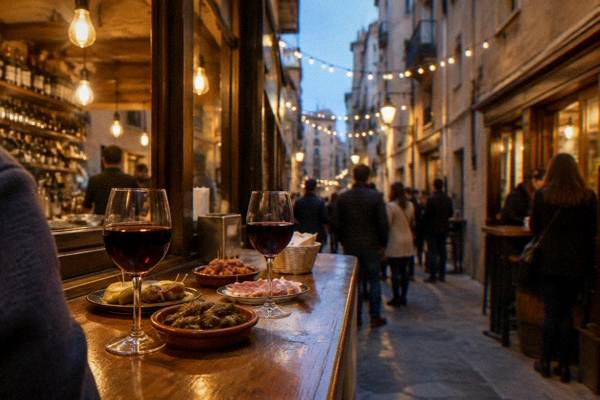
El Tubo: Zaragoza's Dense Old-Town Grid Of Tapas Bars
El Tubo is the dense lattice of narrow streets of tapas bars behind the Basílica del Pilar in Zaragoza, the capital of Aragon on the Ebro, and it is the city's natural end point after a day of monuments.
Short answer
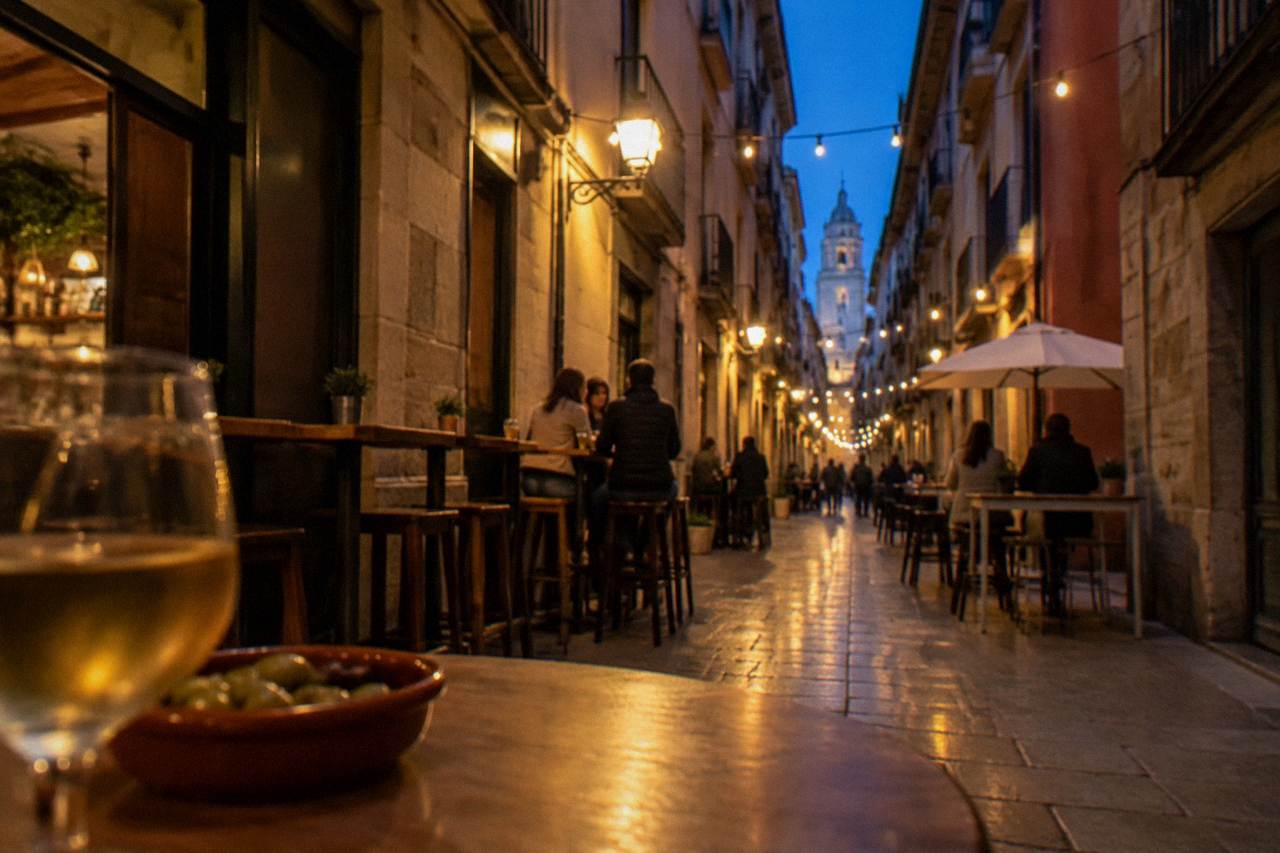
El Tubo is a compact grid of narrow old-town streets packed with tapas bars, sitting between the Basílica del Pilar and the Calle de Alfonso I shopping axis in central Zaragoza, Spain.
El Tubo is the name locals give to the dense grid of narrow streets of tapas bars that sits in Zaragoza's old town, steps from the Basílica del Pilar. Zaragoza is the capital of Aragon, an inland city on the Ebro with no sea and a dry continental climate, and its tapas culture is the social engine of the historic centre. The streets themselves are short, tight and mostly pedestrian in feel, and the whole area can be crossed on foot in a few minutes, which is exactly why it works as a bar-hop: you never walk far between one counter and the next.
What Is El Tubo In Zaragoza?
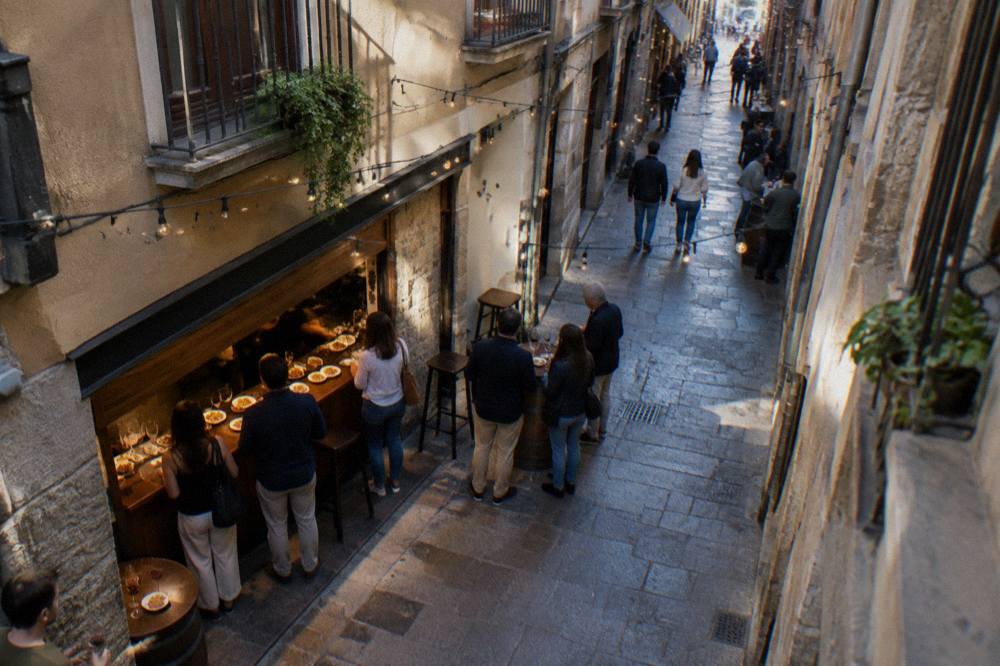
El Tubo is a compact lattice of narrow old-town streets packed with tapas bars, sandwiched between the Basílica del Pilar and the Calle de Alfonso I axis in central Zaragoza. The name refers to the tight street pattern rather than a single venue, there is no gate, ticket or defined boundary, and the experience is entirely self-directed: you drift from counter to counter, ordering one or two small dishes and a drink at each stop.
That self-directed drift is the whole point. Unlike a food hall or a market with fixed stalls, El Tubo behaves like a single long evening spread across dozens of doorways, and the rhythm is yours to set. Locals tend to eat late, so the streets feel quiet in the early evening and fill steadily as the night goes on, peaking around the hours when the dinner crowd moves out of the bars and into the streets. A visitor who arrives early gets an easy seat and a slower pace; a visitor who arrives at peak gets the atmosphere and the crowd.
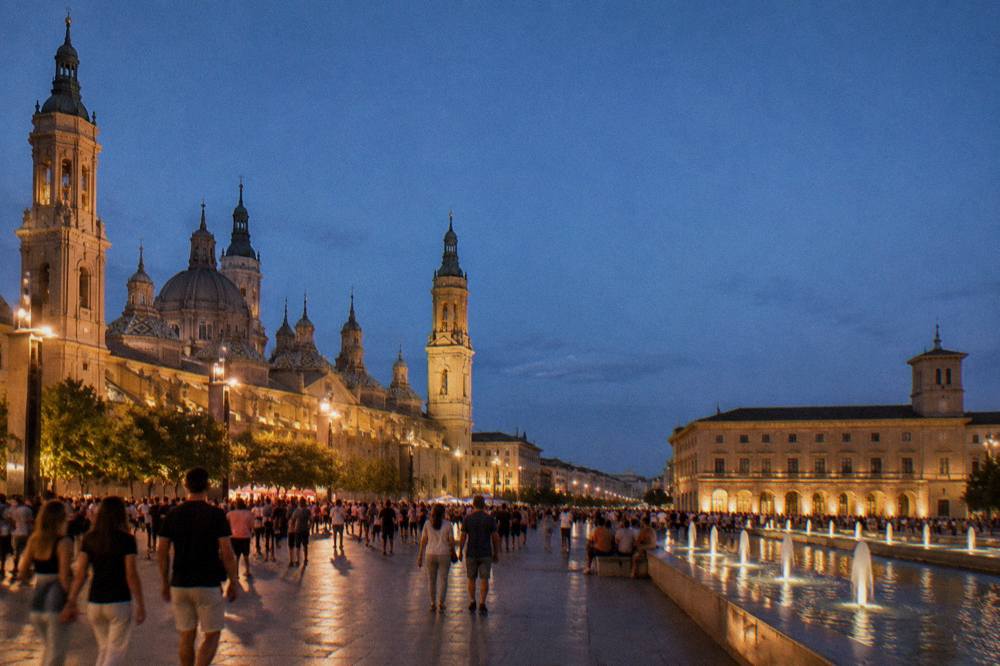
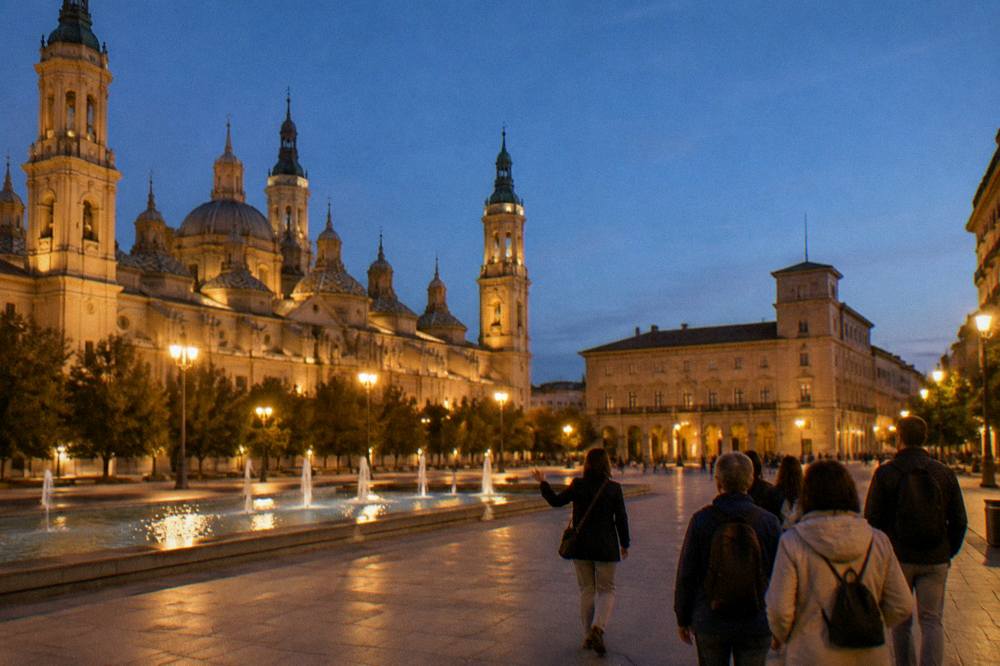
The area earns its place on an itinerary for one simple reason: it sits inside the same walkable core as the city's headline monuments. The Basílica del Pilar, La Seo, the Roman forum museum and the Puente de Piedra are all within a short stroll, so the natural shape of a Zaragoza day is monuments by afternoon and El Tubo by night. The Basílica del Pilar dominates one end of the walk, and the bar grid tucks in behind it.
Where Is El Tubo And How Do You Find It?
El Tubo sits in the Casco Histórico, the old town of Zaragoza, a few minutes' walk behind the Basílica del Pilar and just off the Calle de Alfonso I pedestrian shopping street that links the Pilar square to the central Paseo de la Independencia. There is no signposted entrance and no official boundary: the grid is simply the block of narrow lanes between the basilica, La Seo and the main pedestrian axis, and any walk from the Pilar towards the shopping street passes through or beside it.
Finding it on foot takes no skill. Stand in the Plaza del Pilar with the basilica at your back, walk away from the river, and within a couple of blocks the streets narrow and the bar fronts begin. The La Seo cathedral sits to the east of the area, the Puente de Piedra and the Ebro lie a few minutes north, and the whole grid is flat, compact and walkable in ordinary shoes.
For a first evening, a guided walk is a reliable way to get oriented before going it alone. The city's guided options include a 105-minute monumental introduction that covers the old town's headline sights at a gentle pace, plus a Spanish-language Aljafería visit with ticket for the palace itself, and a free, tip-based historical-centre walk. All three start from central Zaragoza and put you within reach of the bar grid when they finish.
The 105-minute monumental introduction tour runs from $10.41 per person and is rated 4.4 from 36 reviews, a low-commitment orientation that leaves the rest of the evening free. If you would rather book ahead, Check availability on the operator's live listing.
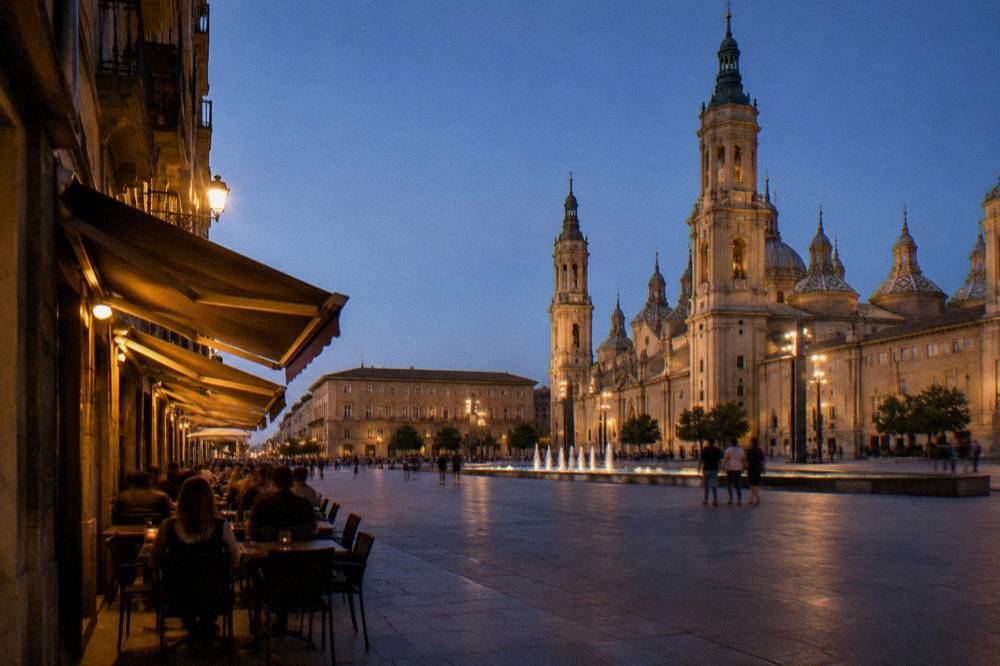
What Can You Expect From An Evening In El Tubo?
An evening in El Tubo is a slow, self-paced crawl from one small bar to the next, ordering a drink and one or two tapas at each counter rather than a full meal anywhere. Expect standing room more than seated tables, prices posted at the bar rather than on a website, a crowd that builds as the night goes on, and a route you improvise: two bars or six is equally normal, and there is no correct order to visit them in.
The practical rules are few and forgiving. Order at the bar, not from a queue. Pay when you finish or when the bar's system asks, which varies from place to place, so keep cash or a card handy rather than assuming one payment style. Tap sizes are small by design, which is what lets you try several kitchens in one night. And because no bar is a destination in itself, a bad stop costs you nothing: you finish your drink, step outside, and the next doorway is metres away.
Timing matters more than planning. Zaragoza eats late, and the bars fill in waves, first the after-work crowd, then the pre-dinner crowd, then the full night. Arriving on the early side means space at the counter and time to talk; arriving late means energy and noise. Either works, but a group of four or more will find standing room easier than a table on a busy night, so plan to drift rather than to sit.
One way to convert a good evening into a great one is to let a local guide pick the first stops. A guided tapas walk handles the ordering, the language and the choice of counters, which matters if your Spanish is thin or your time is short. The guided options below all start in central Zaragoza and finish in or near the old town.
What Dishes And Drinks Define Zaragoza Tapas?
Zaragoza's tapas identity rests on a handful of Aragonese staples: ternasco de Aragon, the region's roasted lamb; migas aragonesas, a shepherd's dish of fried breadcrumbs with garlic and often grapes or pork; and a general tapas culture built on small hot dishes taken with wine or beer rather than plated restaurant meals. The local wine country is the Carinena region to the south-west, and a tapas evening in El Tubo is the easiest place to taste all of it in one night.
Ternasco is the signature. It is young lamb, traditionally roasted, and it appears across Aragon in both restaurant portions and smaller bar formats. Migas is the other dish visitors remember: breadcrumb-based, garlicky, and hearty in a way that surprises people expecting light Mediterranean food. Beyond those two, the counters run the usual Spanish range, croquetas, tortilla, cheeses, cured meats, and whatever the kitchen does best, and the honest approach is to ask what the house recommends rather than to hunt for a single famous plate.
Drinks follow the food. Aragon's wine identity centres on Carinena, a historic denomination south-west of the city, and a tapas crawl is the natural place to try local reds by the glass. Beer, vermouth and house wine all work as crawl drinks because they come in small formats that suit moving on. The Zaragoza food guide covers the city's dishes in more depth, and the ternasco de Aragon page goes deep on the lamb itself.
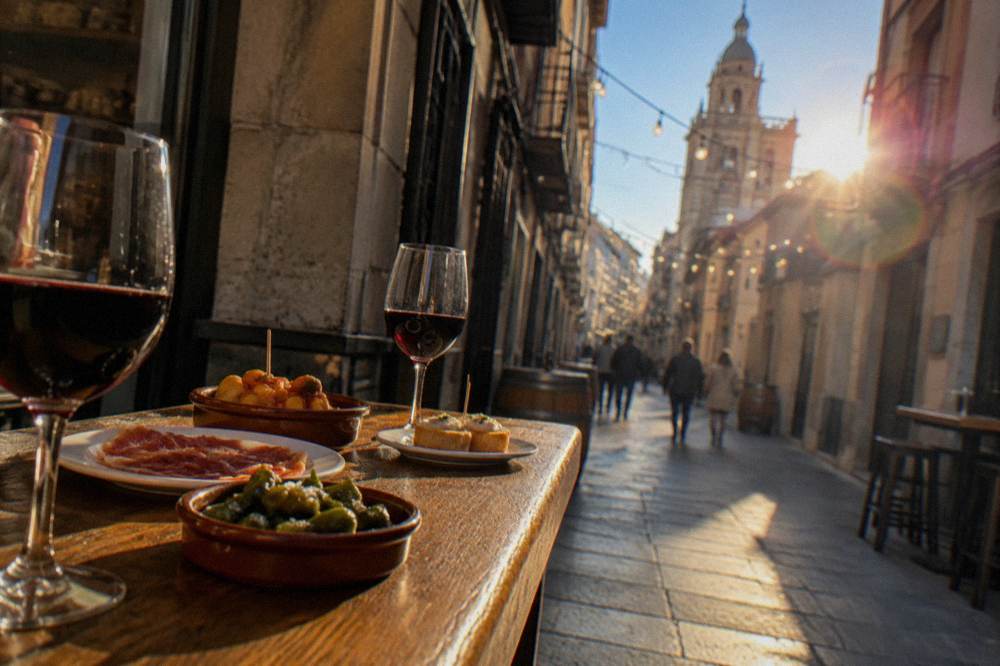
How Does El Tubo Fit Into A Day Of Sightseeing?
El Tubo sits at the centre of Zaragoza's monument cluster, so the practical plan is to spend the afternoon on the Pilar, La Seo, the Aljafería and the Roman museums, then finish on foot in the bar grid as the evening begins. Every major sight is within the same walkable old town, the municipal October timetable gives long evening hours at the basilica, and the whole sequence needs no car and no more than a pair of comfortable shoes.
The monuments around the grid are generous with their hours. The Basílica del Pilar is free to enter, with the main altar zone open into the evening, and its tower viewpoint charges 6 EUR for an adult. La Seo charges 10 EUR general admission, a ticket that also covers its Museo de Tapices, the Pilar's museum and the Rosario de Cristal. The Aljafería, the Islamic-era palace a short hop west of the centre, is 7 EUR general or 9 EUR with a guided tour, open daily 10:00 to 18:00 in October. The Roman museums of Caesaraugusta cluster in the same streets as the bars themselves.
| Sight | October hours | Adult price | Notes |
|---|---|---|---|
| Basílica del Pilar | Main altar zone Mon-Sat 7:30-13:30 / 16:30-20:15, Sun to 21:30 | Free entry | Tower viewpoint 6 EUR, last access 30 min before close |
| La Seo | Mon-Sat 10:00-14:30 / 16:00-20:00, Sun 10:00-12:00 / 16:00-20:00 | 10 EUR | Includes Museo de Tapices, Museo Pilarista, Rosario de Cristal |
| Aljafería | Daily 10:00-18:00 | 7 EUR, guided 9 EUR | Free 1st and 3rd Sunday and Monday; 4 EUR with tourist bus ticket |
| Caesaraugusta Forum Museum | Tue-Sat 10:00-14:00 / 17:00-21:00, Sun 10:00-14:30 | 4 EUR | 4-museum bono 7 EUR, free 1st Sunday |
| Torreón de la Zuda | Mon-Sat 10:00-14:00 / 16:30-20:00, Sun 10:00-14:00 | Free | "Mirador de las cuatro culturas" on the fifth floor |
That cluster is why the area rewards a full day rather than a quick stop. The Roman Caesaraugusta museums sit inside the same streets you will eat in, so an afternoon of forum, theatre and river-port ruins ends, naturally, at a counter. A good primer on the sequence is the one-day Zaragoza itinerary, which routes the Pilar, La Seo and the river walk into a single loop.
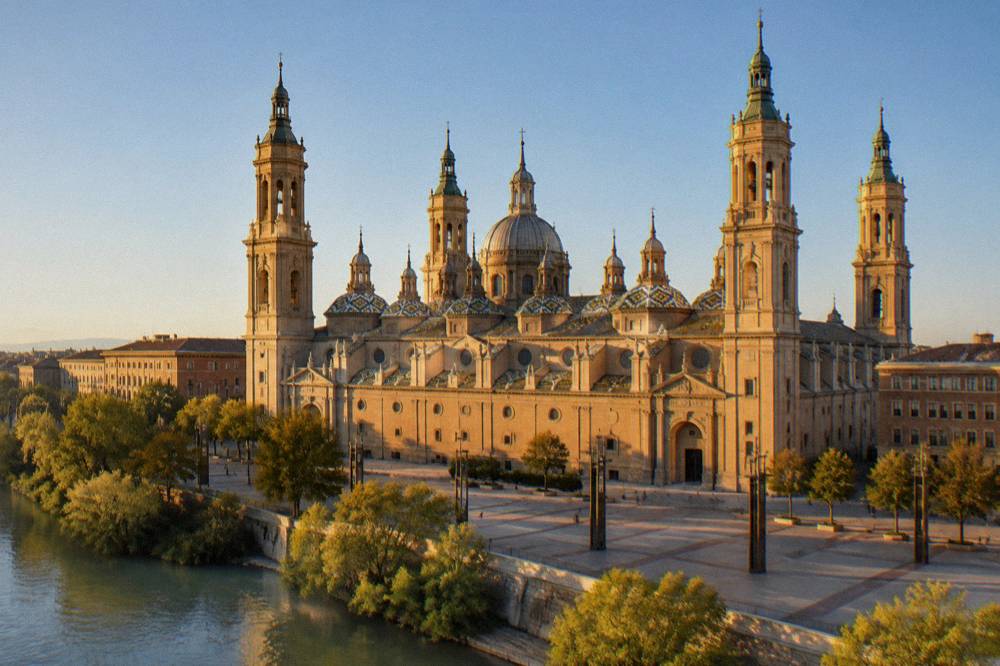
How Do You Get To El Tubo?
El Tubo is reached on foot from anywhere in central Zaragoza: it lies behind the Basílica del Pilar, a few minutes from the Paseo de la Independencia and the Puente de Piedra. The urban bus and tram single fare is 1.70 EUR, dropping to 0.55 EUR with a Tarjeta Bus, the airport bus is line 505 at 4.65 EUR a single, and the Zaragoza-Delicias station connects to Madrid and Barcelona by high-speed train in about 1.5 to 2 hours.
Once you are in the centre, transport mostly stops mattering. The old town is flat and compact, and the bar grid sits at the intersection of the pedestrian shopping axis and the monumental core, so most visitors arrive on foot from a hotel in the centre or a stop on the tram line. The tourist bus, at 10 EUR for a 24-hour hop-on hop-off ticket with 16 stops on a 90-minute loop, is an alternative for visitors who want the wider city without walking it.
| Transport | Single fare | With card | Notes |
|---|---|---|---|
| Urban bus and tram | 1.70 EUR | 0.55 EUR with Tarjeta Bus | Night lines 1.00 EUR; card costs 7 EUR and works on both |
| Airport bus (line 505) | 4.65 EUR | 2.25 EUR with Lazo card | 25-35 minutes, timed to flights |
| Tourist bus | 10 EUR (24 h) | Discounts available | 16 stops, 90-minute loop, cash only on the bus |
| Bizi bike share | 1 EUR day pass | 0.50 EUR per trip up to 30 min | 50 EUR card deposit held on day, month or single products |
Drivers should note the low-emission zone. Zaragoza's ZBE covers the Casco Histórico with sanctions since 12 December 2025, active Monday to Friday from 08:00 to 20:00, and vehicles without a DGT environmental label are the ones restricted. There is a 15-minute grace window if you enter by mistake, but the simpler answer is to leave the car outside the zone and walk in; the grid is small enough that a peripheral car park plus a ten-minute stroll beats circling narrow streets.
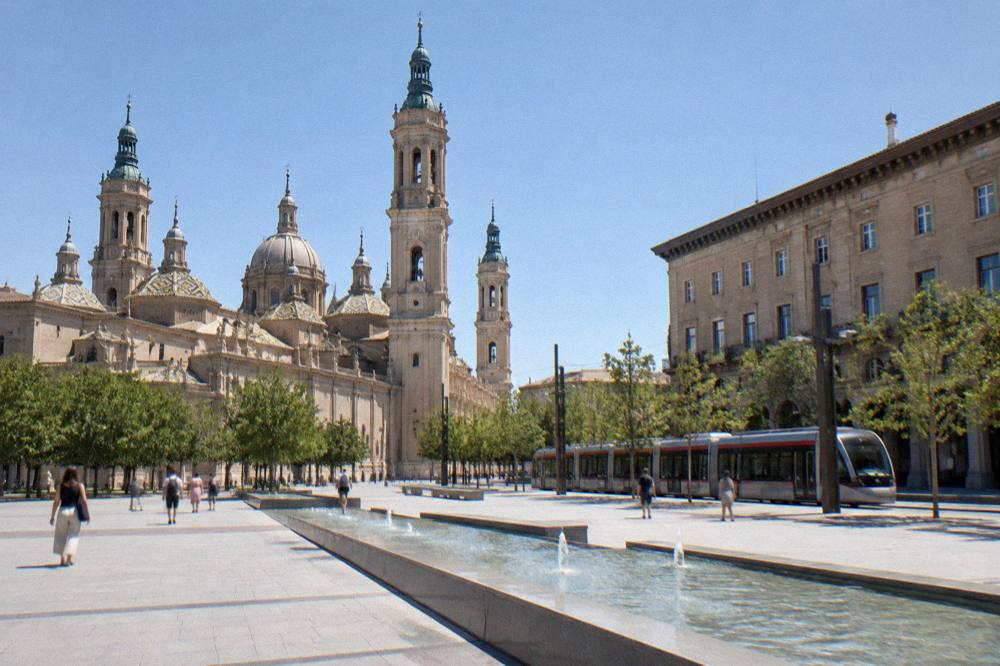
When Is The Best Time To Go To El Tubo?
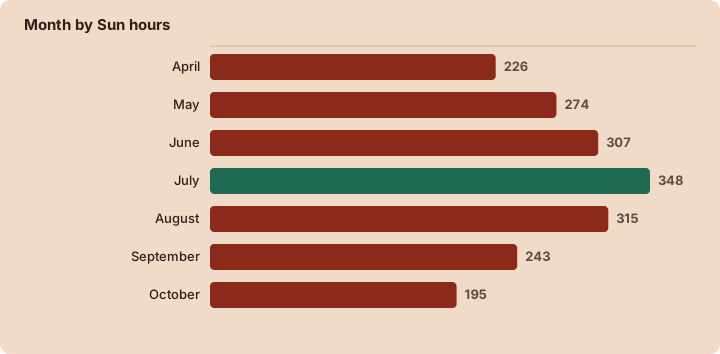
The best months for an El Tubo evening are April, May, September and October, when Zaragoza's 1981-2010 climate averages put mean maximums between 19.6 and 27.1 C and rain at 30 to 44 mm a month, warm enough for street tables without the July and August peak of 32.4 C and 31.7 C. October carries a bonus: the Fiestas del Pilar run from 10 to 18 October 2026, and the city is at its liveliest.
The climate data comes from AEMET's 1981-2010 normals for the Zaragoza Aeropuerto station, the only window the station page publishes, and it describes a dry continental pattern: 322 mm of rain across the whole year, July and August the driest months at 17 mm each, and May, at 44 mm, the wettest. Summer evenings stay warm well after dark, which suits standing at a counter, but midsummer afternoons are genuinely hot and best spent indoors in a museum. Winter evenings are cold, with January mean minimums of 2.7 C, so pack a layer if you go then.
| Month | Mean max C | Mean min C | Rain mm | Sun hours |
|---|---|---|---|---|
| April | 19.6 | 7.9 | 39 | 226 |
| May | 24.1 | 11.8 | 44 | 274 |
| June | 29.3 | 15.8 | 26 | 307 |
| July | 32.4 | 18.3 | 17 | 348 |
| August | 31.7 | 18.3 | 17 | 315 |
| September | 27.1 | 15.2 | 30 | 243 |
| October | 21.4 | 11.0 | 36 | 195 |
October deserves a special mention. The Fiestas del Pilar, the city's great annual festival, runs from Saturday 10 to Sunday 18 October 2026, with the Ofrenda de Flores on 12 October, when hundreds of groups in regional dress bring flowers to the basilica along a route that starts near the Paseo de la Independencia, right beside the bar grid. The pregón opens the festival on 10 October at 21:00 from the balcony of the Ayuntamiento, and the programme adds concerts and fireworks through the week. Bars will be busy and the streets full; that is either the point or the problem, depending on what you came for. The Fiestas del Pilar guide covers the full programme.
Should You Take A Guided Tapas Tour Of El Tubo?
A guided tapas tour is worth it if you want the ordering, the language and the counter choices handled for you: the evening tapas walk in the old town runs about 3 hours from $106.92 per person and is rated 4.9 from 62 reviews, the midday market and tapas tour is rated 5 from 9 reviews, and a 3-hour tapas sightseeing tour starts at $50.65. Going alone is free and completely normal.
The trade-off is control against convenience. Alone, you choose every stop, spend what you like and leave when you like, but you also carry the risk of walking into the wrong counter at the wrong hour. Guided, you pay more and move with a group, but a local guide knows which kitchens are strong on which nights, and the tour price typically covers the food and drink along the way, check the listing for exactly what is included. For a short visit, one guided evening plus one solo evening is a balanced mix.
| Tour | Length | From (per person) | Rating |
|---|---|---|---|
| Evening Tapas Walking Tour in the Old Town | 3 hours | $106.92 | 4.9 from 62 reviews |
| Midday Market and Tapas Tour | 3 hours | $106.92 | 5 from 9 reviews |
| Tapas Sightseeing Tour | 3 hours | $50.65 | 5 from 7 reviews |
| Wine Tasting and Tapas | 3 hours | $106.92 | 5 from 21 reviews |
| Midday Market Tour and Spanish Cooking Class | Varies | $113.53 | 5 from 41 reviews |
The midday options deserve a look even though El Tubo is an evening place. A market-and-tapas tour or a cooking class shows you the raw ingredients and the shopping culture behind the counters, which changes how you read the bars afterwards. And for visitors who prefer to start free, GuruWalk lists a free, tip-based old-town tour rated 4.97 from 576 reviews, a two-hour walk where you pay the guru what you think it was worth at the end.
For the evening itself, the Evening Tapas Walking Tour in the Old Town is the closest match to a classic El Tubo crawl with a guide attached, and the operator's live listing carries the current dates and departure points for the season.
If your time in the city is short and you want one decision to cover the monuments and the orientation in a single booking, the 105-minute monumental introduction is the cheapest guided starting point on the board, and it finishes close enough to the bar grid to walk straight into dinner.
The wider set of guided options, from the Aljafería visit with ticket to the free historical-centre walk, is collected below for anyone planning the full stay rather than a single evening.
Common Questions About El Tubo In Zaragoza
What is El Tubo in Zaragoza?
El Tubo is the dense grid of narrow old-town streets of tapas bars behind the Basílica del Pilar, in the historic centre of Zaragoza, the capital of Aragon. It is a bar-hop district, not a single venue, with no gate, ticket or fixed boundary.
Where is El Tubo located?
It sits in the Casco Histórico between the Basílica del Pilar, La Seo and the Calle de Alfonso I pedestrian axis, a few minutes' walk from the Plaza del Pilar and the Puente de Piedra. Any walk from the basilica towards the Paseo de la Independencia passes it.
How much does an evening in El Tubo cost?
There is no entry cost and no fixed price: you pay per bar for what you order, and prices are posted at each counter rather than published centrally. A guided evening tapas walk in the old town starts at $106.92 per person, while going alone costs only what you eat and drink.
When do the bars in El Tubo get busy?
Zaragoza eats late, so the grid is quiet in the early evening and fills as the night goes on, with the peak in the hours around the local dinner time. Arriving early means space at the counter; arriving late means the full atmosphere.
Is El Tubo walkable from the main sights?
Yes. The Pilar, La Seo, the Caesaraugusta Roman museums and the Puente de Piedra are all within a short stroll of the bar grid, and the whole old town is flat and compact, so no transport is needed between the monuments and the bars.
Can you visit El Tubo during the Fiestas del Pilar?
Yes, and it is at its liveliest then. The Fiestas del Pilar 2026 run from 10 to 18 October, with the Ofrenda de Flores on 12 October processing along a route that starts near the Paseo de la Independencia, right beside the bar grid, so expect crowds and a festival atmosphere.
One last planning note: the Zaragoza Travel Guide covers every sight around the grid, from the basilica tower to the river walk, and the tapas counters will still be there when the monuments close. Go early to the Pilar, walk the river at dusk, and let the evening find its own route through the lanes.