Zaragoza Food Guide: What To Eat, Where And When In Aragon's Capital
Zaragoza, the capital of Aragon on the Ebro, eats on lamb, breadcrumbs, river fish and Cariñena reds, and its tapas culture runs from midday markets to late-night old-town bars.
Short answer
Zaragoza's food is Aragonese: ternasco lamb, migas aragonesas, borraja and river fish, washed down with Cariñena and Somontano wines. Tapas culture peaks in the old town, and guided market, tapas and cooking tours start from around $50 per person.
Zaragoza, the capital of Aragon on the Ebro, is one of Spain's great eating cities, and almost nobody outside Aragon plans a trip around its tables. That is the whole appeal. The city sits inland, in a dry continental valley that has always produced lamb, olive oil, hard wheat and river fish rather than the coastal seafood that dominates Spanish food writing, and its kitchens still cook the way the countryside eats. Ternasco de Aragón lamb, migas aragonesas, borraja and Cariñena red wine are not tourist dishes here, they are weekly food. This guide covers what to eat, how tapas culture actually works in the old town, which market and cooking experiences are worth a morning, what Aragon pours into the glass, and when in the year the city eats best. The Zaragoza Travel Guide food pages collect the dishes and the traditions, and this one is the starting point.
What Food Is Zaragoza Famous For?
Zaragoza is famous for ternasco de Aragón, slow-roasted milk-fed lamb, for migas aragonesas, a dish of fried breadcrumbs with grapes and chorizo, and for borraja, a borage green almost nobody outside Aragon grows. Behind those three sit river fish from the Ebro, Calanda peaches, olive oil from the Lower Aragon groves and red wine from Cariñena, and the city eats them all year round in bars, markets and family kitchens rather than in restaurants built for visitors.
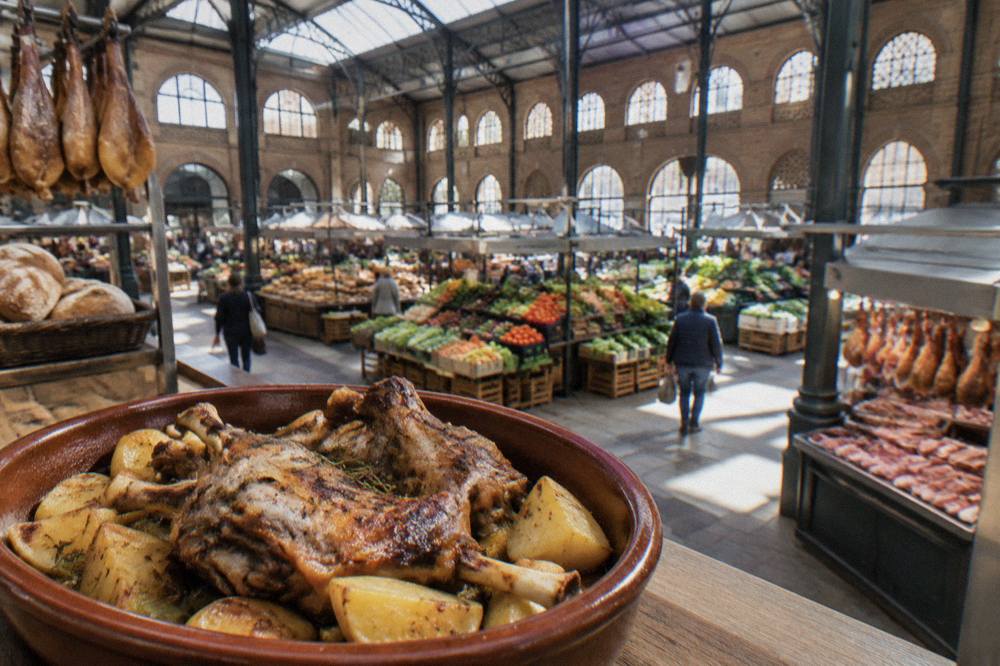
Aragon's cooking is a landlocked cooking. There is no sea within reach, so the historic proteins are lamb, pork, game and river fish, and the historic preserves are oil, hard wheat and dried vegetables. Ternasco de Aragón is the flagship: young lamb, typically from the area's flocks, roasted with potatoes in a wood oven until the fat renders into the pan. It appears on Sunday tables and on festive menus, and it is the dish most Aragonese families would name first if asked what home tastes like. For the deeper background on the city's signature plates, the companion piece what food is Zaragoza famous for works through the same question in more detail.
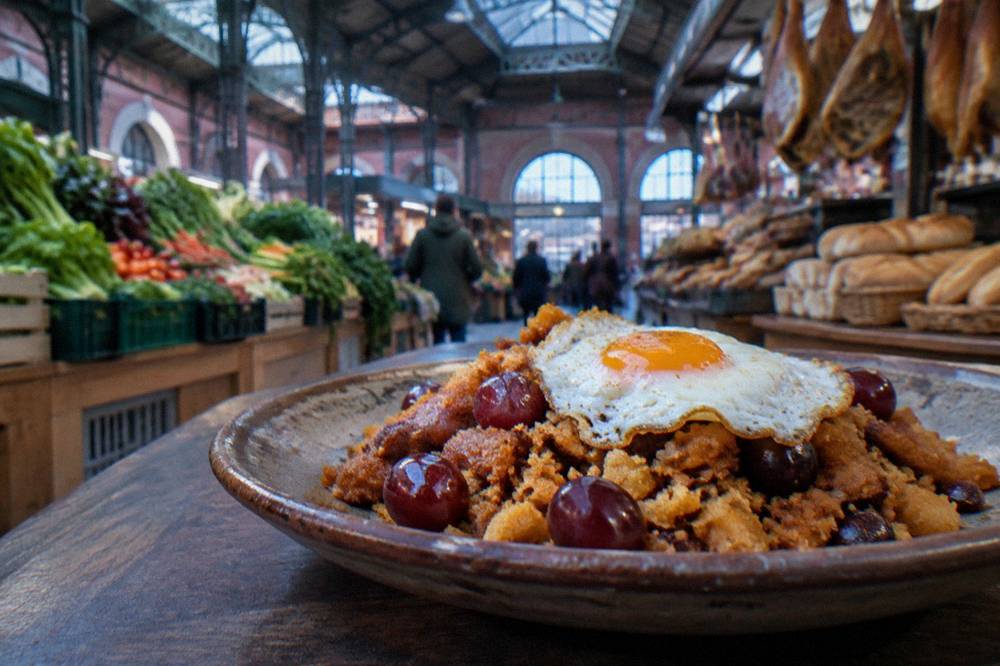
Migas aragonesas is the other pillar. Day-old bread is torn to crumbs, moistened, then fried in olive oil with garlic and served with fried eggs, grapes, chorizo or sardines. It began as a shepherd's breakfast and it is now a restaurant dish and a festival dish, heavy, warming and exactly right in the cold north-westerly cierzo wind that funnels down the Ebro valley in winter. Alongside it sit the vegetable dishes Aragon does better than most of Spain: borraja, a hairy-stemmed green served simply with oil or potatoes, and cardo, cardoon baked or with almonds.
The sweets matter too. Aragon is Spain's fruit-growing country, and candied fruit, guirlache almond brittle and adoquín, a hard almond sweet traditionally sold by weight, all come out of the region's orchards and almond groves. Do not expect a single famous pastry shop to photograph, expect a tradition of almond and fruit confectionery that appears in every neighbourhood bakery.
Which Dishes Should You Try First In Zaragoza?
Start with ternasco de Aragón lamb and migas aragonesas, the two dishes the region identifies by, then add borraja with oil, Ebro river fish such as shad, and a dessert of peaches from Calanda in syrup or guirlache almond brittle. Order lamb as a shared plate rather than a single portion, because ternasco is carved at the table and portion sizes run large, and let the kitchen tell you which river fish arrived that day rather than choosing from a menu you read online.
That last point is the practical one. River fish and game are seasonal and supply-driven in Zaragoza, and a dish that exists in a guidebook may not exist on a Tuesday in February. The reliable core is lamb, migas and vegetables, and everything else is a bonus of the season. Here is the dish list in the order a first-time visitor should work through it.
| Dish | What It Is | How to Order It |
|---|---|---|
| Ternasco de Aragón | Slow-roasted young lamb with potatoes | Shared plate for the table, festive and Sunday menus |
| Migas aragonesas | Fried breadcrumbs with garlic, grapes, egg or chorizo | Autumn and winter, main course |
| Borraja | Borage greens with olive oil or potato | Simple starter, winter vegetable |
| Cardo | Cardoon baked or with almonds | Winter, festive menus |
| River fish from the Ebro | Seasonal freshwater fish | Ask what arrived, do not pre-plan |
| Longaniza and Chorizo | Aragonese cured and fresh pork sausages | Tapas portions |
| Calanda peach in syrup | Clingstone peach candied in sugar | Late-summer and preserved year round |
| Guirlache | Almond brittle caramelised with sugar | With coffee, sold by weight |
A tapas crawl is the fastest way to taste several of these in one evening, and the guided options remove the guesswork of which bar serves what. The tours below cover the old-town tapas circuit, a market-and-cooking morning and a day trip that pairs olive oil with a sobering historic site.
The evening tapas walk deserves a specific mention because it solves the problem every visitor hits in the old town: the bars that look best from the street are rarely the ones regulars eat in. A guided walk moves between the places a local guide already knows, which matters on a first night. runs three hours through the old centre, and the listing carries the current price and times.
How Does Tapas Culture Work In Zaragoza?
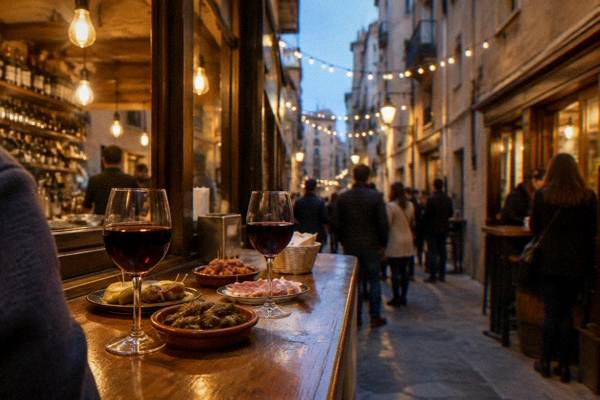
Tapas in Zaragoza work as a moving dinner: you stand or sit at a bar, order one or two small plates and a drink, then move to the next bar, repeating three or four times across an evening. The old town around the Tubo lane network is the historic heart of it, portions are ordered at the bar rather than at a table, and the evening starts late, with bars filling from around nine o'clock and the last orders well past midnight on weekends.
The rhythm is the thing visitors get wrong. Arriving at seven for tapas means eating in an empty bar; arriving at ten means joining the city. Each bar in a crawl tends to have one or two specialities, so the local method is to ask what the house does best rather than reading the whole menu. A caña of beer or a glass of wine with each plate is normal, and nobody expects you to settle in for the night at one counter.
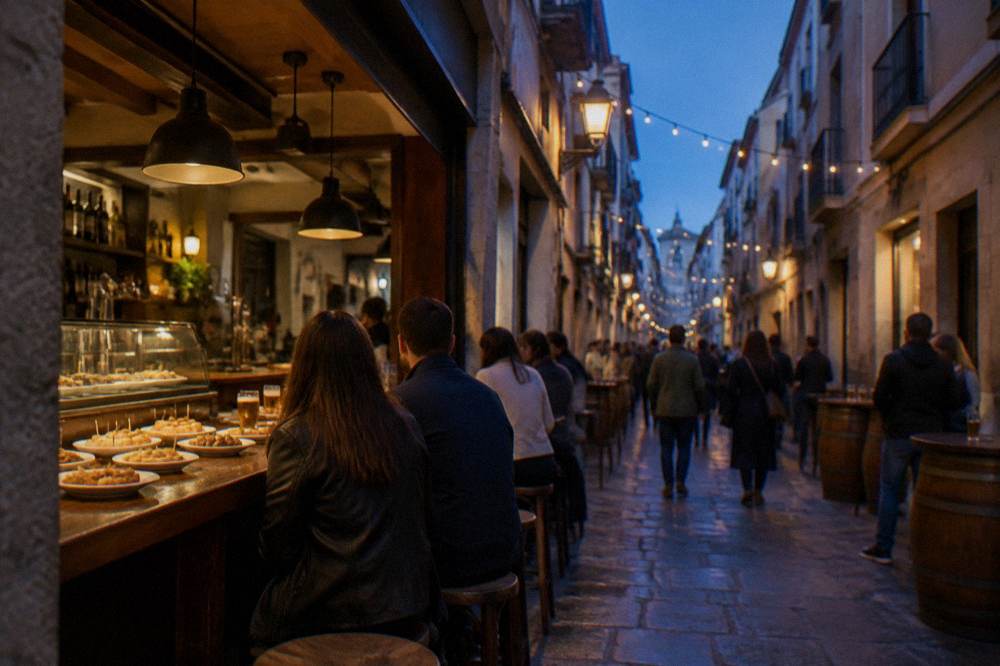
The old town is where this happens, and the old town casco histórico page maps the streets if you want to build your own route. For a first evening, though, a guided crawl earns its price: it removes the language barrier at the counter and the risk of walking into a bar that is really just a drinks place. is the classic three-hour evening version, and mixes the streets with a churro tasting for a lighter, cheaper introduction.
If you would rather eat your way through the city in daylight, the midday versions swap the night bars for the market and the early-afternoon tables. runs three hours from late morning, and it pairs well with a slower afternoon, since the Spanish lunch that follows a market visit is the biggest meal of the day.
Where Can You Learn To Cook Aragonese Food In Zaragoza?
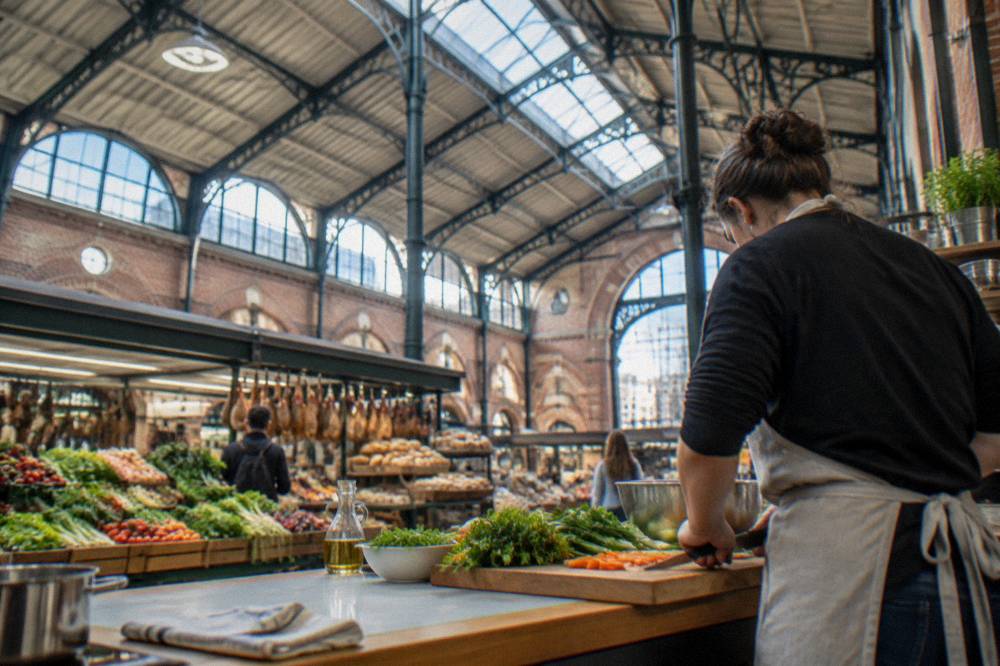
The best way to learn Aragonese cooking in Zaragoza is a market tour followed by a Spanish cooking class, a half-day format in which you shop the Central Market with a guide, then cook and eat the results, and a guided midday market and tapas tour covers the shopping half on its own. Both formats run from late morning into the Spanish lunch hour, and both teach the shopping logic behind the dishes rather than just recipes, which is the part of Aragonese cooking that transfers home.
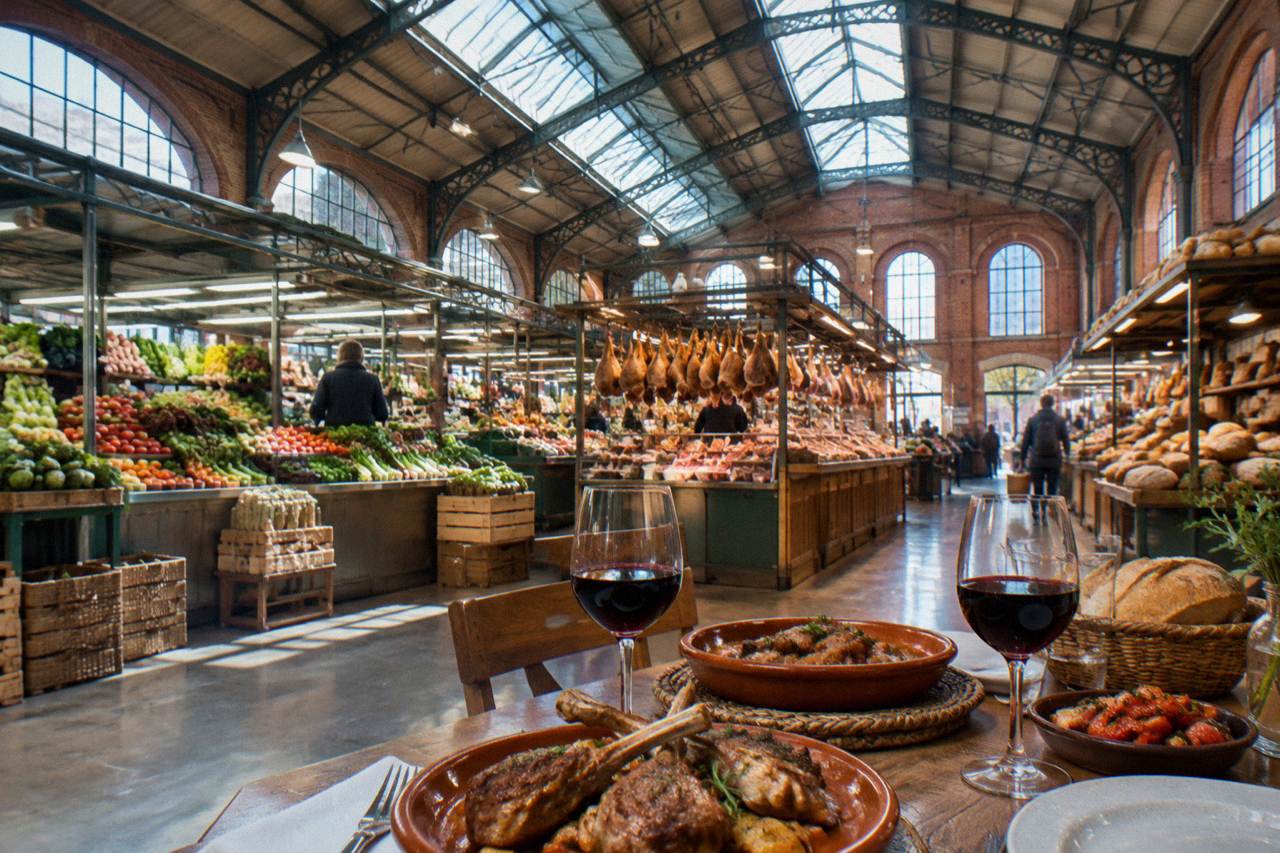
The Central Market is the engine of this. The Mercado Central page covers the building itself, a striking early-twentieth-century iron-and-glass hall, but the reason to go with a guide is the stalls: knowing which butcher cuts ternasco, which stall sells borraja in season and which fishmonger carries Ebro catch is local knowledge, not menu knowledge. A cooking class turns that shop into a meal, usually a full Spanish lunch with wine, and it is the one food experience in the city that ends with a skill rather than a receipt.
For visitors planning a longer stay, the class makes a good anchor for a rainy or very hot afternoon, when walking the old town is less appealing. The Zaragoza rainy day guide has more ideas in that direction, and the Zaragoza travel planning page helps slot a cooking morning into a first itinerary.
Which Wines And Olive Oils Come From Aragon?
Aragon pours two great wine regions: Cariñena, one of Spain's oldest demarcated regions, whose garnacha reds are the traditional partner for ternasco lamb, and Somontano, in the Pyrenean foothills, known for a broader modern range of reds and whites. The region's olive oil comes mainly from Lower Aragon's groves, an Empeltre olive oil that is fruity and mild, and the wineries and mills sit within day-trip distance of the city, reachable on guided wine and olive-oil tours.
Cariñena is the historic name. The vineyards sit south-west of Zaragoza around the town of Cariñena, and the region's garnacha and cariñena grapes were exported for decades to strengthen wines from elsewhere before Aragon began bottling them proudly under its own name. Somontano, further north towards Huesca, is younger as a brand and more international in its grape range, and its wineries run serious visitor programmes. Both regions are covered in more depth on the Cariñena wine region page.
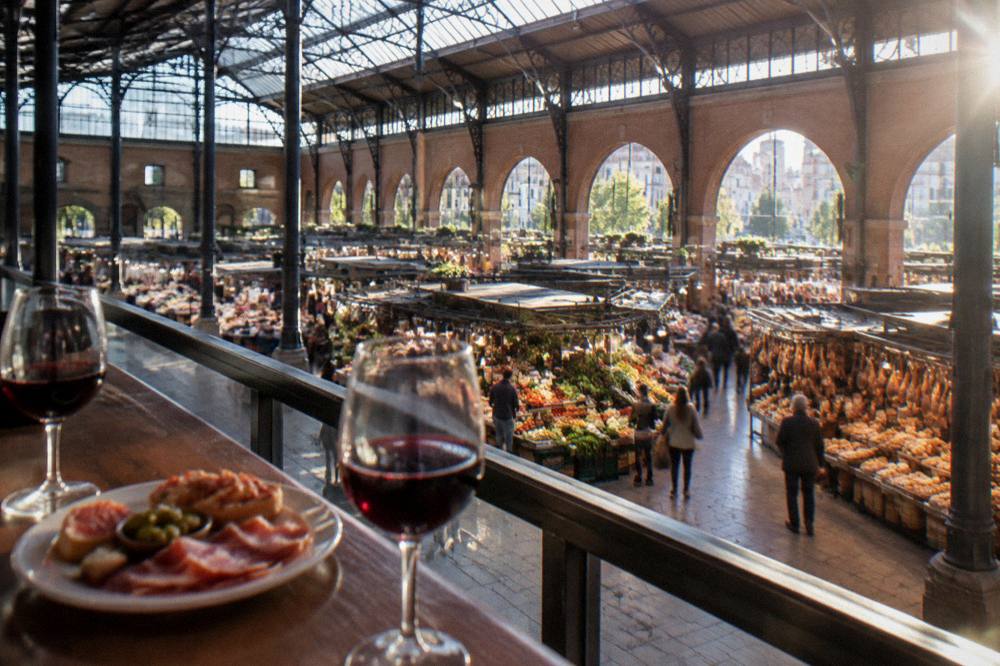
In the city itself, wine tasting with tapas is the easiest way in. runs three hours pairing Aragonese wines with small plates in the old town, and the longer covers similar ground with a strong review record. To taste at the source, is a half-day winery trip out of the city, and the full-day Somontano excursion adds the village of Alquézar in the foothills.
| Wine and Oil Experience | Format | Length | Starting Price |
|---|---|---|---|
| Wine tasting and tapas in the old town | Guided tasting, city centre | 3 hours | $106.92 per person |
| Complete tour with wine and tapas | Sightseeing plus tasting | 5 hours | $212.71 per person |
| Half-day winery tour from Zaragoza | Day trip to a winery | Half day | $166.28 per person |
| Somontano wine excursion with Alquézar | Full-day wine and village trip | Full day | $280.95 per person |
| Olive oil and winery tour | Combined oil mill and winery | Day trip | $172.01 per person |
Olive oil deserves the same attention. The Empeltre olive of Lower Aragon gives a smooth, fruity oil, and the guided olive-oil tours pair a mill visit with something else: the Belchite old town trip combines the oil with a sobering walk through a village destroyed in the Civil War and left as it stood, and the tone of that visit is quiet and reflective, not a photo stop.
When Is The Best Time To Eat Your Way Through Zaragoza?
The best time to eat your way through Zaragoza is October, when the Fiestas del Pilar run from 10 to 18 October and the city eats outdoors at its fullest, followed by spring, when the winter vegetables are still on the menus and terrace weather arrives. Summer shifts the menu to cold dishes, fruit and late dinners, and winter brings migas, lamb and hot stews, so there is no month when the city does not eat well, only months when the menu changes.
The calendar matters more than the weather here. The Fiestas del Pilar in mid-October are Aragon's biggest festival, and the food side of them, street stalls, festive menus and the Ofrenda de Flores on 12 October, turns eating into a public event. The Fiestas del Pilar page covers the programme, and the best time to visit Zaragoza page weighs food against crowds and heat.
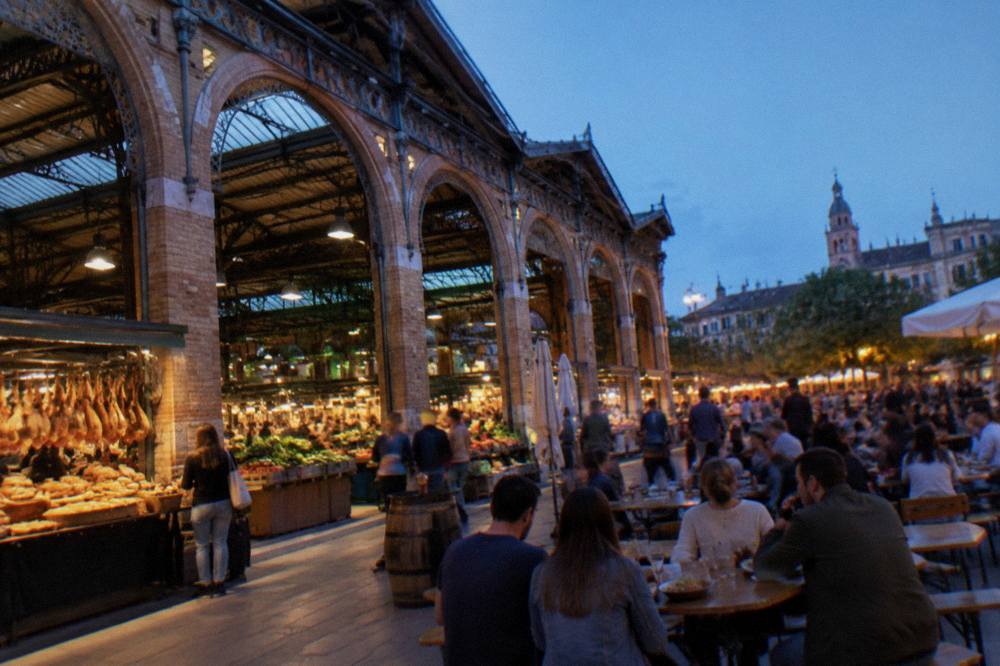
The climate shapes the plate. AEMET's 1981-2010 normals for the Zaragoza Aeropuerto station show July as the hottest month with a mean maximum of 32.4 C and the sunniest at 348 hours, while May is the wettest month at 44 mm and July and August the driest at 17 mm each. That heat is why summer eating runs cold and late, and why the terrace season stretches from April to October.
| Season | 1981-2010 Averages (Zaragoza Aeropuerto) | What Is on the Menu |
|---|---|---|
| Spring (Mar-May) | Mean max 17.3 to 24.1 C, May rain 44 mm | Winter greens finishing, first terrace weather, Semana Santa sweets |
| Summer (Jun-Aug) | Mean max 29.3 to 32.4 C, Jul-Aug rain 17 mm | Cold dishes, Calanda peaches, late dinners, river fish |
| Autumn (Sep-Nov) | Mean max 27.1 to 14.8 C, Oct rain 36 mm | Migas return, Fiestas del Pilar in October, game and stews begin |
| Winter (Dec-Feb) | Mean max 10.5 to 13.1 C, Jan rain 21 mm | Ternasco lamb, cardo, hot migas, heartiest eating of the year |
How Much Does Eating In Zaragoza Cost?
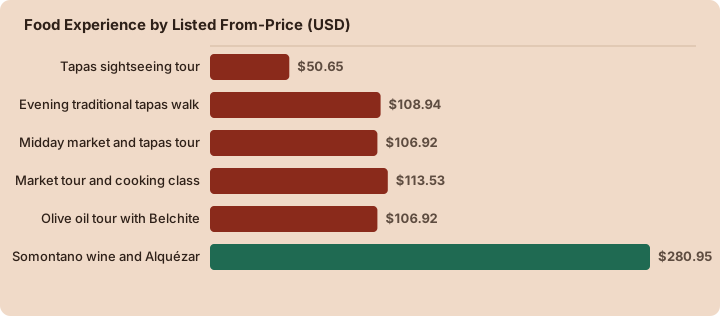
Eating in Zaragoza costs less than in Madrid or Barcelona at every level, with a bus or tram ride to your restaurant at 1.70 EUR a single and guided food experiences starting from $50.65 per person for a tapas sightseeing tour and rising to $280.95 for a full-day wine excursion with lunch. Individual restaurant and bar prices vary by neighbourhood and season, so treat any specific figure you read online as out of date and check the menu or the room before you order.
Prices move, menus change with the season, and a number copied from a two-year-old blog post is worse than no number at all. What can be said firmly is the structure: tapas portions cost less than raciones, raciones less than full plates, and the fixed-price menú del día at weekday lunch is the cheapest full meal in Spain, offered across the country including Zaragoza. For the wider budget picture, the Zaragoza cost and budget page breaks down accommodation, transport and food together.
| Food Experience | Format | Length | Listed From-Price |
|---|---|---|---|
| Tapas sightseeing tour | Guided walk with tapas | 3 hours | $50.65 per person |
| Evening traditional tapas walk | Guided old-centre crawl | 3 hours | $108.94 per person |
| Midday market and tapas tour | Market plus tapas | 3 hours | $106.92 per person |
| Market tour and cooking class | Shop, cook, eat | Half day | $113.53 per person |
| Olive oil tour with Belchite | Day trip with food | 5 hours | $106.92 per person |
| Somontano wine and Alquézar | Full-day wine trip | Full day | $280.95 per person |
Two structural savings are worth knowing. First, the biggest meal of the Spanish day is lunch, and lunch menus are cheaper than the same kitchen's dinner. Second, standing at the bar has always cost less than sitting at a table in much of Spain, and in Zaragoza's tapas bars the bar is where the action is anyway.
What Should You Bring Home From Zaragoza?
Bring home olive oil from Lower Aragon, a bottle of Cariñena garnacha or Somontano wine, candied Calanda peaches, guirlache almond brittle and hard almond sweets sold by weight, all of which travel well and none of which needs refrigeration. Avoid fresh items like borraja, which will not survive the journey and is barely known outside Aragon anyway, and buy oil and wine from a shop that packs for travel rather than a market stall at the last minute.
The pantry logic is simple: Aragon's exportable food is its preserves, oil, wine, candied fruit and almonds, because those were the products the region historically shipped. A bottle of Empeltre olive oil and a garnacha from Cariñena will taste of the trip months later, and both regions' wines are hard to find outside Spain at any reasonable price.
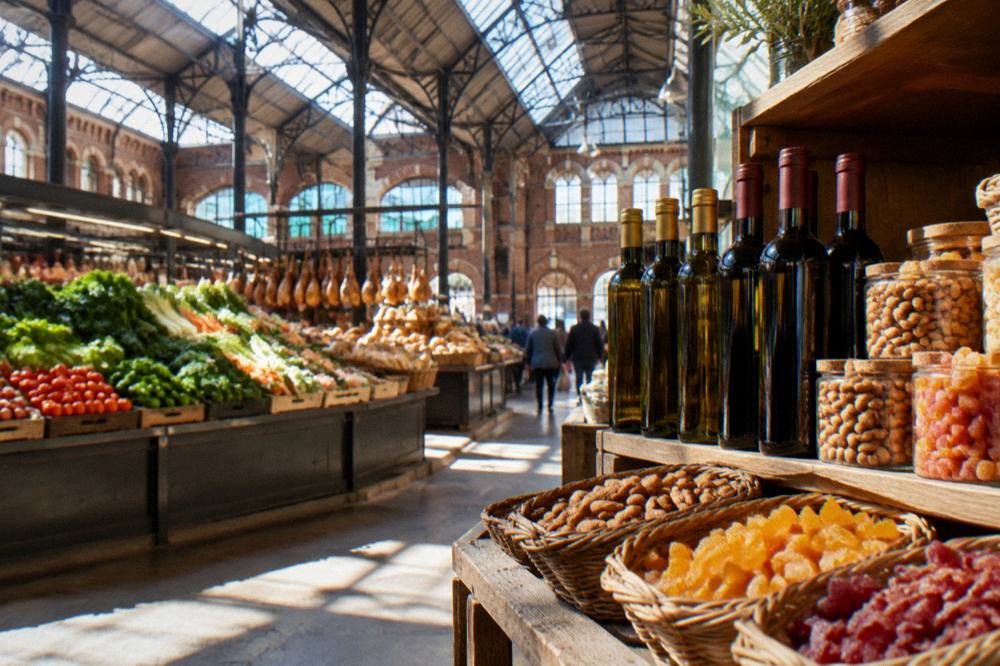
If the trip ends at the airport, remember that liquids fly in checked luggage only, and the Zaragoza airport page covers the airport bus, line 505 at 4.65 EUR a single, for getting there from the centre. For more ideas that cost nothing at all, the free things to do in Zaragoza page balances a food-heavy itinerary with the city's free museums and squares.
For a final evening, or a first, the guided food tours remain the most efficient use of a hungry few hours in Zaragoza.
Common Questions About Zaragoza Food
What food is Zaragoza famous for?
Zaragoza is famous for ternasco de Aragón roasted lamb, migas aragonesas fried breadcrumbs, borraja greens, Ebro river fish, Calanda peaches in syrup and guirlache almond brittle, all paired with Cariñena and Somontano wines.
Is Zaragoza good for tapas?
Yes. The old town's lane network is one of Spain's classic tapas territories, with bars filling from around nine in the evening and the local habit of moving between two or four counters in a night.
What is ternasco de Aragón?
Ternasco de Aragón is young, milk-fed lamb, roasted slowly with potatoes, and it is the signature festive dish of the region, usually carved and shared at the table.
What wine should you drink in Zaragoza?
Drink garnacha-based reds from Cariñena with lamb, and explore Somontano reds and whites from the Pyrenean foothills. Both regions sit within day-trip distance of the city and appear on guided wine tours.
When does Zaragoza eat best?
Mid-October, during the Fiestas del Pilar from 10 to 18 October, when street food and festive menus take over the city, and again in spring for terrace season and in winter for lamb and migas.
Can you do a food tour in Zaragoza in English?
Yes. The guided tapas, market, cooking and wine tours on this page run with English-speaking guides, and the operator's live listing confirms the current language, price and start time before you book.
Eat the lamb, take the oil home, and let a local pick the bars on the first night, that is the whole strategy for eating well in Zaragoza.