Zaragoza Aquarium (Acuario De Zaragoza): Tickets, What You'll See And How To Plan A Visit
The Acuario de Zaragoza sits in the Ranillas meander of the Ebro, beside the Expo 2008 site, and calls itself the largest river aquarium in Europe. Here is what a ticket costs, what is inside, and how to fit it into a day in the Aragonese capital.
Short answer
The Acuario de Zaragoza charges 20 EUR general admission, 14 EUR for children aged 4 to 14 and seniors, and free for ages 0 to 3, with a 55 EUR online family pack covering 2 adults and 2 children. It holds more than 5,000 specimens in river-themed tanks and sits beside the Parque del Agua in the Ranillas meander.
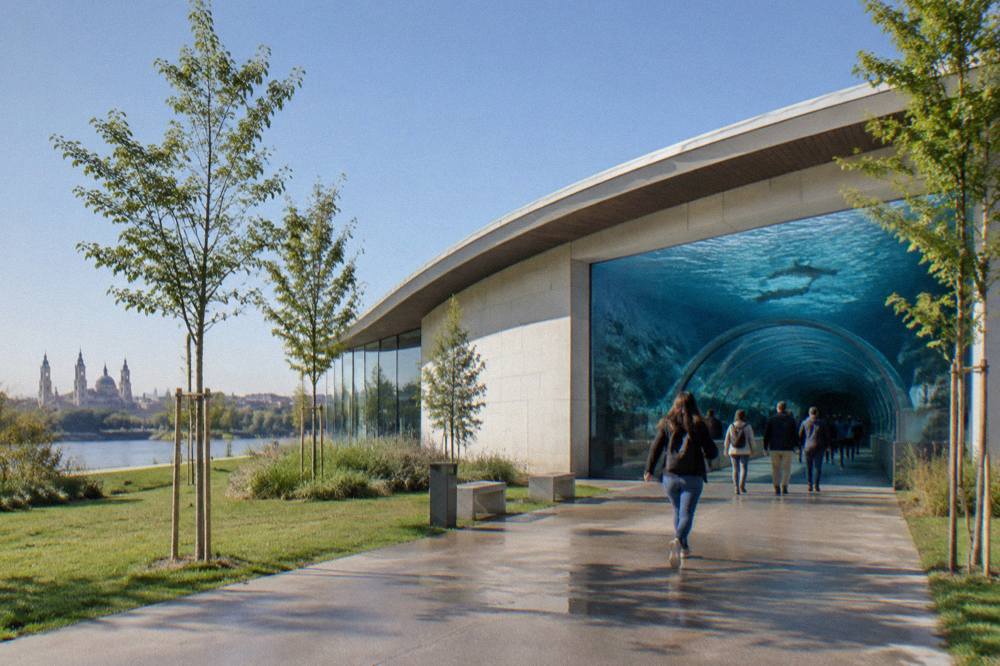
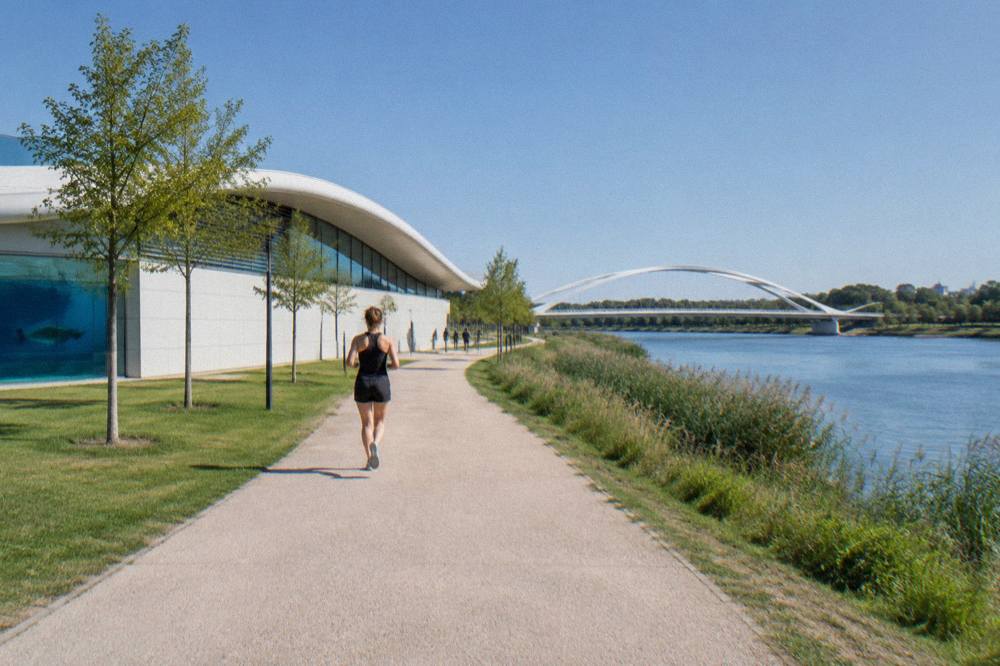
The Acuario de Zaragoza, in Zaragoza, Spain, the inland capital of Aragon on the Ebro, is a building devoted entirely to rivers: it presents itself as the largest river aquarium in Europe, holding more than 5,000 specimens in tanks arranged around freshwater ecosystems. It stands in the Ranillas meander, the great bend of the Ebro where the city held its Expo 2008 international exhibition under the theme of water and sustainable development, and that setting is half the reason to go. The building itself was the Expo's river aquarium pavilion, and it kept that role after the exhibition closed, which makes it one of the few Expo 2008 structures that still does today exactly what it was built to do. The surrounding district, the Expo 2008 site, has become a parkland of bridges, pavilions and open space that makes the trip out there feel like a second, quieter half of the city.
Zaragoza is often visited as a stop between Madrid and Barcelona, and the aquarium district is the part of town that most day-trippers never reach, which is a pity, because it is where the city's modern face lives. For orientation before the details, the Zaragoza Travel Guide planning page covers how the city splits into the old town, the centre, and the Ebro meanders.
How Much Do Acuario De Zaragoza Tickets Cost?
General admission to the Acuario de Zaragoza is 20 EUR, children aged 4 to 14 pay 14 EUR, seniors pay 14 EUR, and children aged 0 to 3 enter free. The aquarium's own site also lists an online family pack at 55 EUR covering 2 adults and 2 children. There is no verified combined city pass that includes the aquarium, so the ticket window or the aquarium's own booking page is the place to confirm any concession you think you qualify for.
Those are the prices the aquarium publishes on its own site, and they are the only figures worth repeating, because third-party resellers sometimes add their own margin or bundle in extras. The child rate applies from age 4, so a family with one toddler and one eight-year-old pays for one child only. The family pack works out cheaper than four separate tickets at the standard rates, and it is sold online rather than at the door, so if you are travelling as two adults with two children it is worth buying before you set out rather than deciding at the window.
One thing the aquarium's site does not publish in readable form is its daily opening calendar: the opening schedule is published as an image, so check the aquarium's own page for the day you plan to visit rather than relying on a timetable copied from a travel article. Zaragoza has no tourist tax, so at least the visit itself carries no hidden local levy on top of the ticket.
| Ticket type | Price |
|---|---|
| General (adult) | 20 EUR |
| Child 4 to 14 | 14 EUR |
| Senior | 14 EUR |
| Ages 0 to 3 | Free |
| Online family pack (2 adults + 2 children) | 55 EUR |
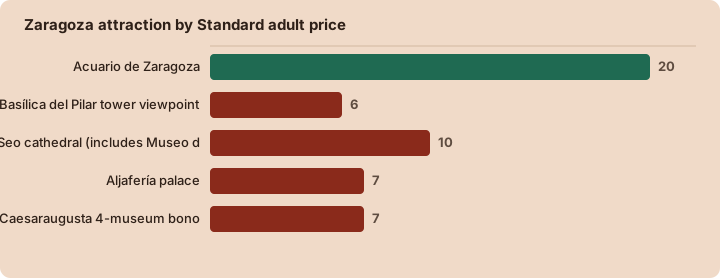
For comparison, the city's other big paid attractions sit at very different price points, which matters if you are budgeting a whole weekend rather than one aquarium visit.
| Zaragoza attraction | Standard adult price |
|---|---|
| Acuario de Zaragoza | 20 EUR |
| Basílica del Pilar tower viewpoint | 6 EUR |
| La Seo cathedral (includes Museo de Tapices) | 10 EUR |
| Aljafería palace | 7 EUR |
| Caesaraugusta 4-museum bono | 7 EUR |
The aquarium is the most expensive single ticket on that list, and that is worth knowing before you arrive with a family of five. The old town, by contrast, can be walked for the price of a tip on a free tour, and the Aljafería Palace costs less than a third of an aquarium ticket. Most visitors mix the two halves of the city: a morning of monuments and an afternoon of tanks.
What Will You Actually See Inside The Zaragoza Aquarium?
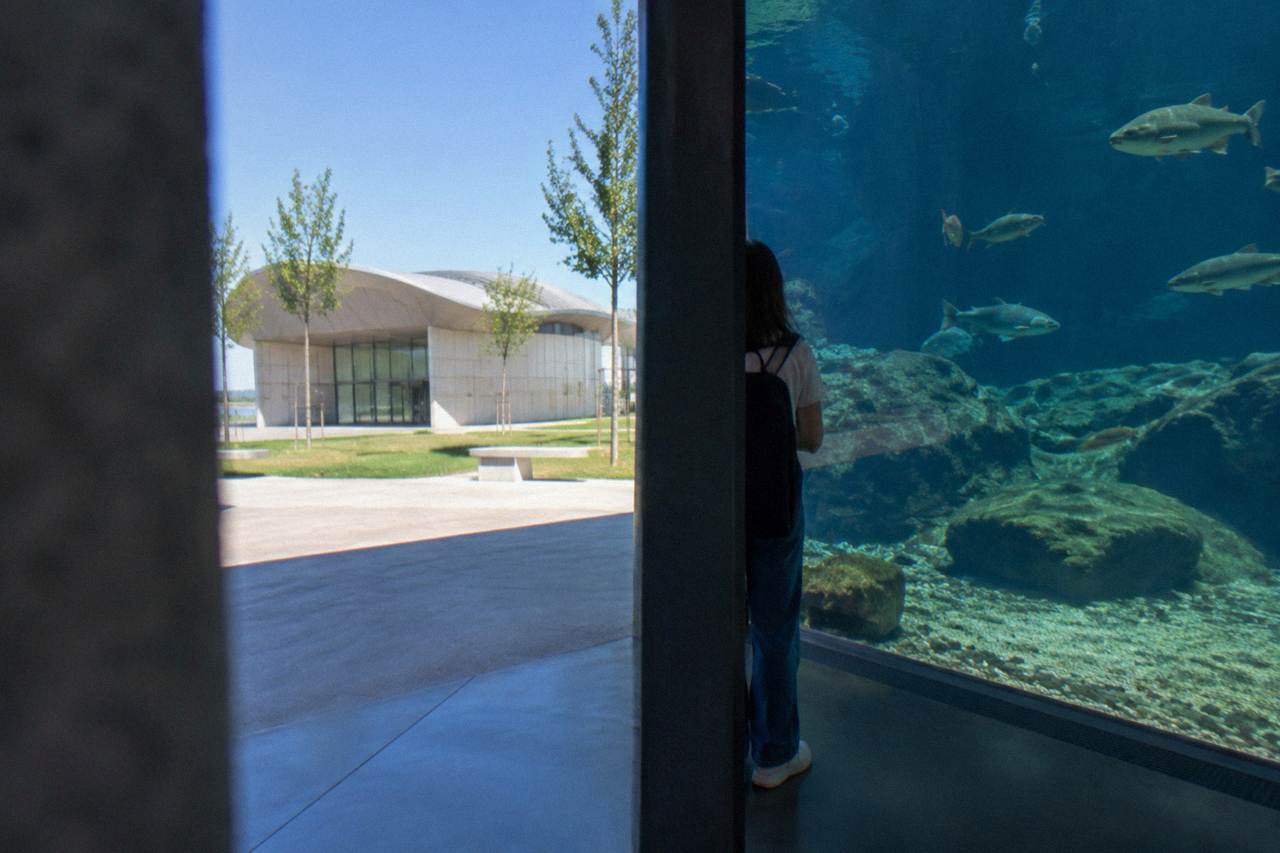
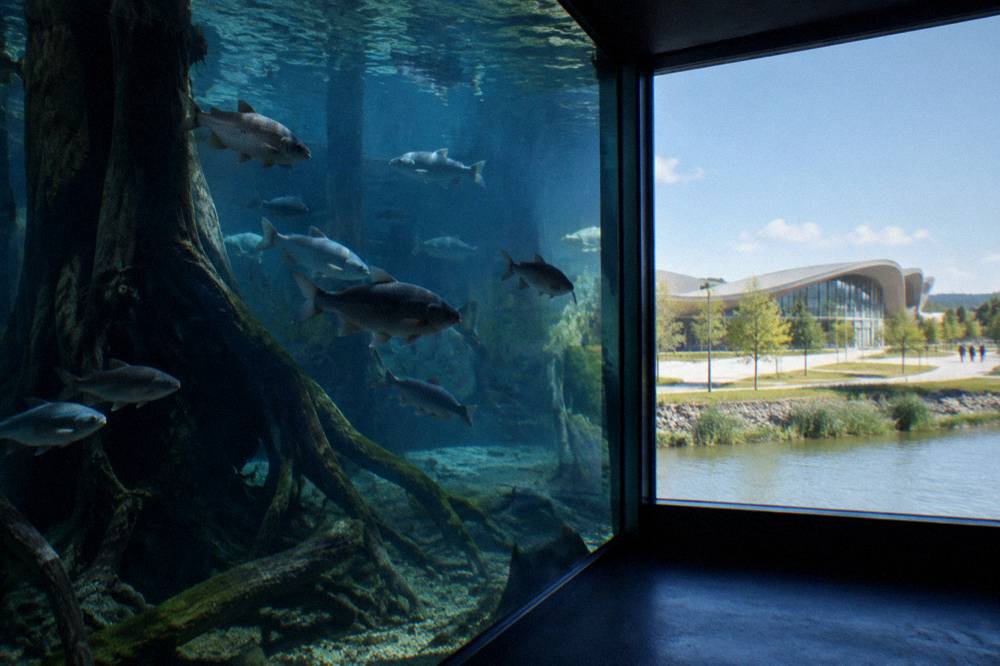
The aquarium holds more than 5,000 specimens arranged around river ecosystems rather than the coral reefs and sharks of a conventional sea aquarium. Its own site describes it as the largest river aquarium in Europe, and the exhibition route follows freshwater environments, from local Ebro species to river systems from other continents. Expect tanks, tunnels and basins built around flowing water rather than open ocean tanks.
That river-first framing is the aquarium's identity. Where a coastal city's aquarium leads with sharks and tropical reefs, this one was designed for the Expo 2008 water theme, and its collection reflects the rivers of the world: European river fish, freshwater species from other basins, and the reptiles and amphibians that live alongside them. The building's own description, "the largest river aquarium in Europe", is a claim about scale as much as spectacle, and the 5,000-plus specimen count is the figure the aquarium itself publishes.
The visit works well for families precisely because the route is indoors and compact, and because the subject, rivers, connects directly to the Ebro outside the window. Children who have just walked the Ebro river walk can see what swims in the water they were standing beside. The aquarium's tone is educational rather than showy, which suits Zaragoza generally: this is a city of Mudéjar brick and Roman ruins more than rollercoasters, though there are plenty of options for Zaragoza with kids if the aquarium is only one stop on a family day.
Where Is The Aquarium And How Do You Get There?
The Acuario de Zaragoza stands in the Ranillas meander of the Ebro, beside the Expo 2008 site in the north-west of the city, across the river from the Actur district. It is not in the historic centre: the old town's Basílica del Pilar and La Seo sit on the opposite bank downstream. The urban tram and bus network serves the Expo district, with a standard single fare of 1.70 EUR or 0.55 EUR with a Tarjeta Bus.
The Ranillas meander is the wide loop the Ebro makes around the northern edge of Zaragoza, and the 2008 Expo turned it from an industrial riverside into the city's most modern quarter. The aquarium sits in that ensemble, next to the Parque del Agua Luis Buñuel, more than 120 hectares of parkland that was the Expo's green lung and that the city describes as the first European green space to hold the Green Globe certification. The park was designed to flood safely in big Ebro rises, which tells you how deliberately this whole landscape was engineered around the river.
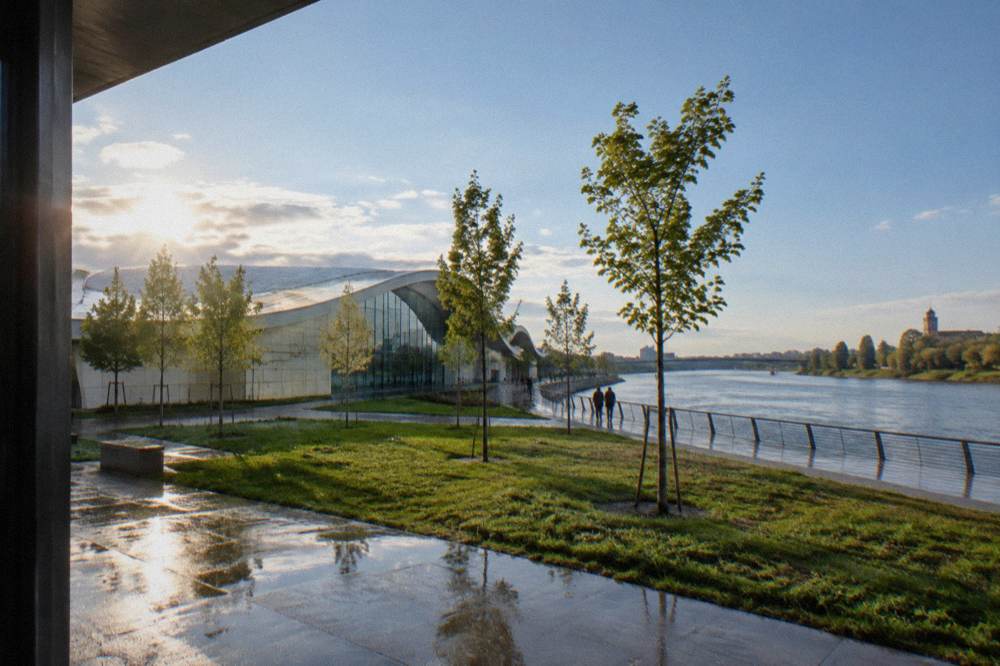
Getting out there is cheap. The urban bus and tram single is 1.70 EUR, dropping to 0.55 EUR with a Tarjeta Bus, which itself costs 7 EUR and works on both networks, per the 2026 Avanza fare table. The aquarium district is flat, walkable and built around wide pavements, so once you are there everything is on foot. If you are driving, note that Zaragoza's low-emission zone covers the Casco Histórico, the historic centre, with enforcement Monday to Friday 08:00 to 20:00 for vehicles without a DGT environmental label; the Expo district is a different part of town, but check your route before setting out.
Can You Combine The Aquarium With Parque Del Agua And The Expo Site?
Yes, and you should: the aquarium, the Parque del Agua Luis Buñuel and the Expo 2008 pavilions form one continuous riverside district that can be covered in a single half-day. The park covers more than 120 hectares in the Ranillas meander, with two marked running circuits of 5 km and 10 km, and the Expo site's landmark structures, including the Torre del Agua and the Pabellón Puente, stand within the same walk.
The Parque del Agua is the reason the aquarium trip becomes a full outing rather than a ninety-minute indoor stop. The park's own description, published by the city, runs to more than 120 hectares beside the Expo site, with the two running circuits and the flood-meadow design. Admission to the park itself carries no ticket: it is public parkland. The Torre del Agua and the Pabellón Puente, the Expo's two most photographed buildings, are a different matter, and no verified admission price or opening arrangement for either is available, so treat them as landmarks to view from outside unless the aquarium's ticket window or the city's tourism pages tell you otherwise on the day.
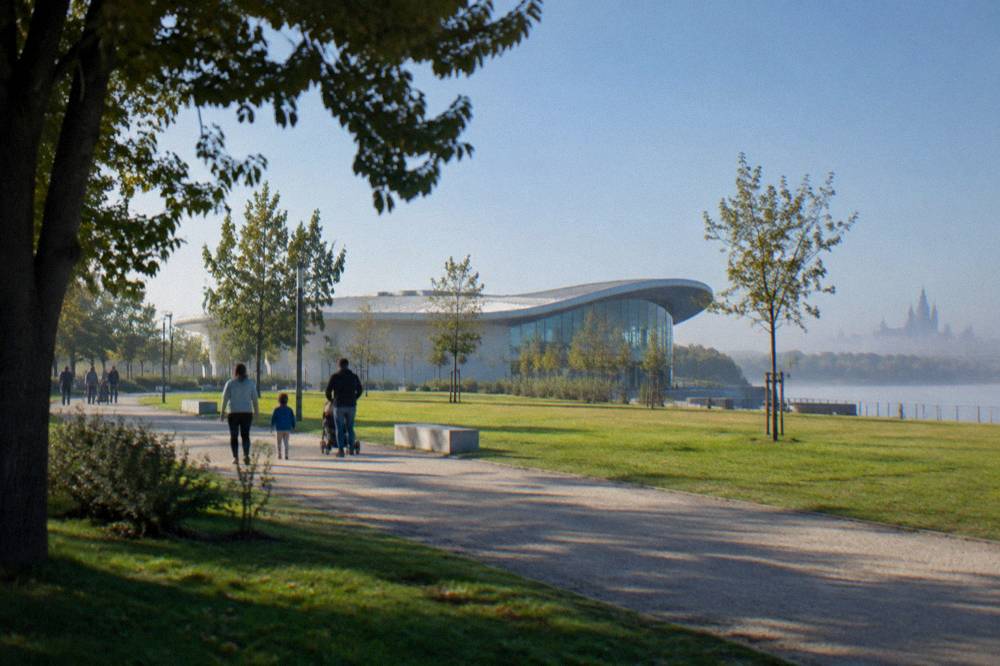
A sensible route is to arrive in the district, walk the riverbank first while the light is good, then go into the aquarium when the afternoon heat or the crowds build, and finish on the bridges. The Parque del Agua and the Expo ensemble are covered in their own detail on the site's Expo 2008 guide, and the third-milenio bridge crossing nearby gives the district its most striking modern silhouette over the Ebro.
| Element of the Ranillas district | What it is | Ticket needed? |
|---|---|---|
| Acuario de Zaragoza | River aquarium, 5,000+ specimens | Yes, from 20 EUR general |
| Parque del Agua Luis Buñuel | 120+ ha riverside park, 5 km and 10 km circuits | No, public parkland |
| Expo 2008 site | Former international exhibition grounds and pavilions | Grounds open, pavilions vary |
| Torre del Agua | Expo landmark tower | No verified admission details, view from outside |
| Pabellón Puente | Expo bridge pavilion over the Ebro | No verified admission details, view from outside |
Is The Zaragoza Aquarium Worth It Compared With The Old Town Monuments?
For most visitors the aquarium is a strong second half of a day rather than the reason to come to Zaragoza: the Basílica del Pilar, La Seo and the Aljafería are free or cheap, centuries old and unique to this city, while the aquarium is a modern, family-friendly attraction at the highest single ticket price in town, 20 EUR. Families with children and visitors with a second or third day in the city get the most out of it.
The honest comparison is about what Zaragoza alone can give you. Entering the Basílica del Pilar is free; its tower viewpoint is 6 EUR; La Seo, with the Museo de Tapices included in the ticket, is 10 EUR; the Aljafería, the greatest surviving Islamic palace in Spain, is 7 EUR, and free on the first and third Sunday and Monday of each month. Against that, a 20 EUR aquarium ticket buys a modern indoor collection that many Spanish cities could, in spirit, replicate. What it cannot replicate is the setting, a river aquarium on the Ebro beside the park built for a world's fair about water.
So the sequencing matters. A first-time visitor with one day should spend it in the Casco Histórico: the Pilar, La Seo, the Roman Caesaraugusta museums, the Aljafería, and the evening tapas streets around El Tubo. The aquarium district rewards the visitor with a second day, a rainy afternoon, or children who have seen enough brick and altarpiece for one morning. If you are planning by length of stay, the site's Zaragoza 2 day itinerary is built around exactly that split.
The aquarium also earns its place in bad weather. Zaragoza's climate, on AEMET's 1981 to 2010 normals for the Zaragoza Aeropuerto station, averages 322 mm of rain a year spread over 51.1 days of 1 mm or more, with May the wettest month at 44 mm and July and August the driest at 17 mm. Summer afternoons are hot, with a July mean maximum of 32.4 C on the same normals, and an air-conditioned aquarium is a legitimate refuge from that.
| Situation | Is the aquarium the right call? |
|---|---|
| First visit, one day only | No, walk the old town first |
| Second or third day in the city | Yes, pairs with Parque del Agua |
| Travelling with children aged 4 to 14 | Yes, the strongest family ticket in town |
| Hot July or August afternoon | Yes, indoors and shaded |
| Rainy day in spring or autumn | Yes, one of the few large indoor options |
What Else Is Near The Aquarium For A Full Day Out?
The Ranillas meander gives you the aquarium, the Parque del Agua, the Expo site's landmark buildings and several modern bridges across the Ebro, all within one flat walkable district. Beyond it, the Actur district sits across the river, and the old town's monuments are a short tram or bus ride back down the Ebro. A full day out combines the morning in the historic centre, the afternoon in the meander, and dinner back in the centre.
The modern bridges are the district's free architecture. The Pabellón Puente, the Expo's bridging pavilion, and the third-milenio bridge cross the Ebro in this stretch, and the riverbank between them is where Zaragozans run, cycle and walk in the evenings. The Bizi bike-share system covers the city, with a 1 EUR day pass plus 0.50 EUR for the first 30 minutes of each trip on the 2026 tariff sheet, and a 50 EUR card deposit held on day passes, so cycling out to the meander is an option if the family is confident on two wheels.
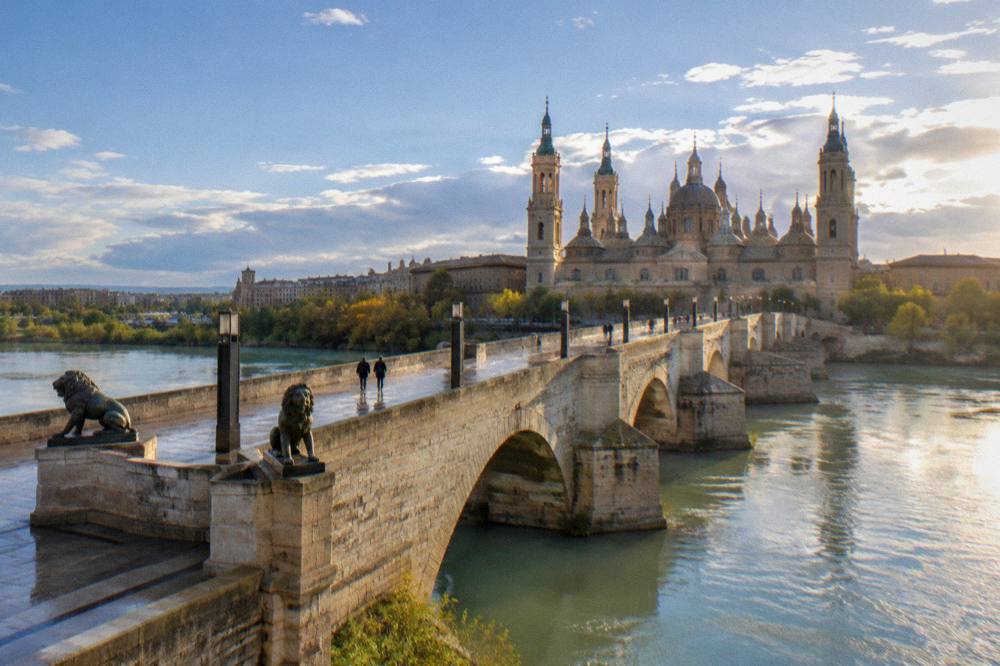
The Basílica del Pilar and La Seo Cathedral anchor the two ends of the Plaza del Pilar, the Puente de Piedra, the stone bridge built from 1401 and opened in 1440 with its four bronze lions added in 1991, gives the classic river view, and the Aljafería sits a short way west. You can Check availability for your dates, and the same operator's listing carries the current departure times.
How Does The Aquarium Fit Into A Zaragoza Trip Around Fiestas Del Pilar?
If you are in Zaragoza between 10 and 18 October 2026 for the Fiestas del Pilar, the aquarium is the calm counterweight to the busiest week of the city's year: the Ofrenda de Flores fills the centre on 12 October, while the Expo district and Parque del Agua stay comparatively quiet. The aquarium makes an excellent escape from the festival crowds, and the two halves of the city balance each other across the week.
The Fiestas del Pilar, running 10 to 18 October 2026, concentrate almost everything in the centre: the pregón opens them from the Ayuntamiento balcony on the Saturday evening, the Ofrenda de Flores brings the great flower procession to the Pilar on 12 October, and the concert and fireworks programme runs through to the closing night at the Ebro on 18 October. The city's own festival pages register hundreds of participating groups for the Ofrenda, which conveys the scale of the centre that weekend.
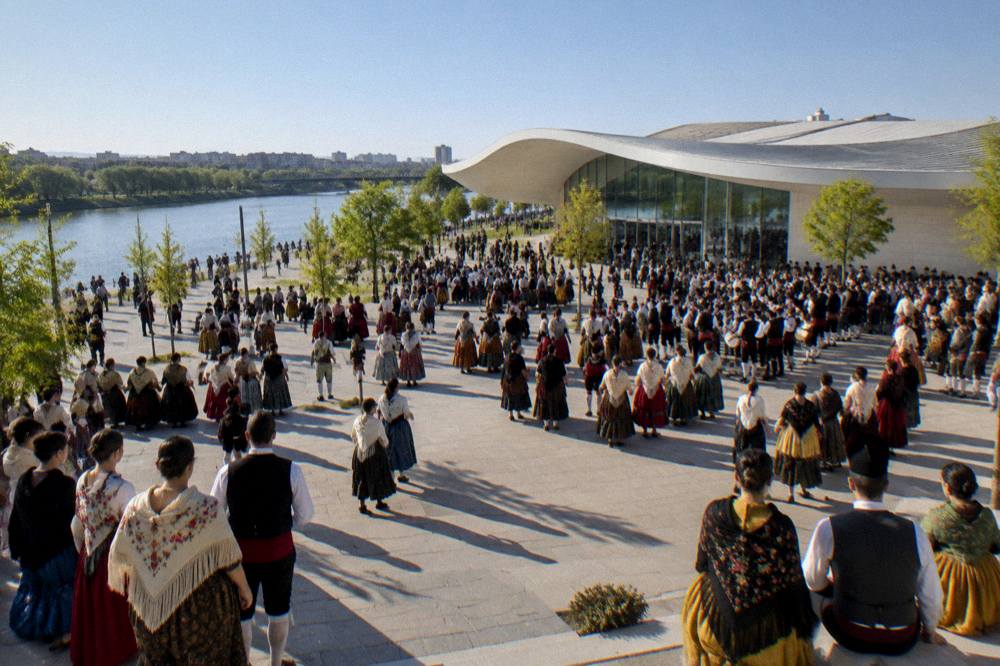
The Ranillas meander, ten minutes from all of that by tram, is where locals go to breathe during Pilar week. An aquarium morning, a park circuit, and a return to the centre for the evening programme is a pattern that works for families especially, since the festival crowds in the old town peak in the afternoons. The Ofrenda de Flores has its own page if you want the full route and timing detail, and the wider Fiestas del Pilar coverage carries the programme.
One caveat for October 2026: several city museums are affected this month. The Palacio de Sastago is closed in October, the Museo Pablo Gargallo is temporarily closed, and the Museo de Zaragoza's central building on Plaza de los Sitios remains shut for Ministry of Culture works with no reopening date. The aquarium, by contrast, is a fully operational attraction, which makes it more useful than usual as a rainy-day or festival-week option this particular autumn.
Common Questions About The Zaragoza Aquarium
How much are Acuario de Zaragoza tickets?
General admission is 20 EUR, children aged 4 to 14 and seniors pay 14 EUR, and ages 0 to 3 enter free. The aquarium's own site lists an online family pack at 55 EUR for 2 adults and 2 children.
What are the opening hours of the Acuario de Zaragoza?
The aquarium publishes its opening calendar as an image on its own site rather than as a readable timetable, so check its page for the day you plan to visit. No daily hours can be relied on from third-party articles.
Is the Acuario de Zaragoza the largest aquarium in Europe?
The aquarium's own site describes it as the largest river aquarium in Europe, holding more than 5,000 specimens. The claim is specifically about river aquariums, not sea aquariums in general.
How do I get to the Zaragoza Aquarium from the city centre?
The aquarium sits in the Ranillas meander beside the Expo 2008 site, across the Ebro from the Actur district. The urban tram and bus network serves the district, with a single fare of 1.70 EUR or 0.55 EUR with a Tarjeta Bus.
Is the Zaragoza Aquarium good for children?
Yes. The river-themed tanks, indoor route and family pack pricing suit families well, and the surrounding Parque del Agua, with its 5 km and 10 km circuits, extends the outing outdoors.
Can you visit the Torre del Agua or the Pabellón Puente on the same trip?
You can see both from the Expo district, but no verified admission price or opening arrangement is published for either, so treat them as landmarks to view from outside and ask at the aquarium's ticket window or the city's tourism pages about access on the day.
The Acuario de Zaragoza is at its best as the modern half of a city that leads with Mudéjar brick and baroque domes: buy the family pack online, walk the meander while the light lasts, and save the old town for the cooler hours.