Zaragoza Tourist Card And Passes: What Exists And What To Buy Instead
Zaragoza, the capital of Aragon on the Ebro, has no city pass that could be confirmed on an official page, but it does have combined cathedral tickets, a four-museum Roman bono, generous free-entry days and a hop-on hop-off tourist bus. This guide lays out what a visitor can actually buy.
Short answer
No Zaragoza Card or city-wide attraction pass could be confirmed on any official page, and the municipal ticketing platform Zaragoza Go is a booking system, not a pass. Visitors should buy single tickets: the La Seo general ticket at EUR 10 already includes three further sites, the four Caesaraugusta museums share a EUR 7 bono, and the Aljaferia costs EUR 7 entry or EUR 9 with a guided tour.
Zaragoza, the capital of Aragon on the Ebro, is a city where the honest answer to the tourist-card question is more useful than a sales pitch: no city-wide attraction pass could be confirmed on any official page, and the municipal ticketing platform the city mentions, Zaragoza Go, is a place to buy individual tickets rather than a bundled card. That does not leave a visitor short of ways to save money. The city's own monuments run a combined cathedral ticket, a four-museum Roman bono, several free-entry days each month and a 24-hour tourist bus, and the arithmetic of those single tickets is what this guide works through. For the wider budget picture, see the Zaragoza cost and budget guide, and for what costs nothing at all, the free things to do in Zaragoza.
Is There A Zaragoza Tourist Card Or City Pass?
No. No Zaragoza Card, city card or bundled attraction pass could be confirmed on any official page for the city, and the ticketing platform the municipality mentions, Zaragoza Go, is a booking system for individual tickets, not a pass. There is no tourist tax in Aragon either: the regional government ruled one out in September 2026, so nothing is added to a hotel bill that a card would need to offset.
None of that could be confirmed on the municipality's own pages, and a pass that cannot be shown to exist should not be planned around. The practical route for a visitor is to buy the single tickets that do exist, several of which are already combinations in disguise. The La Seo cathedral ticket, for example, is not one monument but four sites under one price, and the Roman museums sell a bono covering all four Caesaraugusta locations. Add the monthly free-entry days and the difference between the "card" a visitor imagined and the tickets they can actually hold is smaller than it looks.
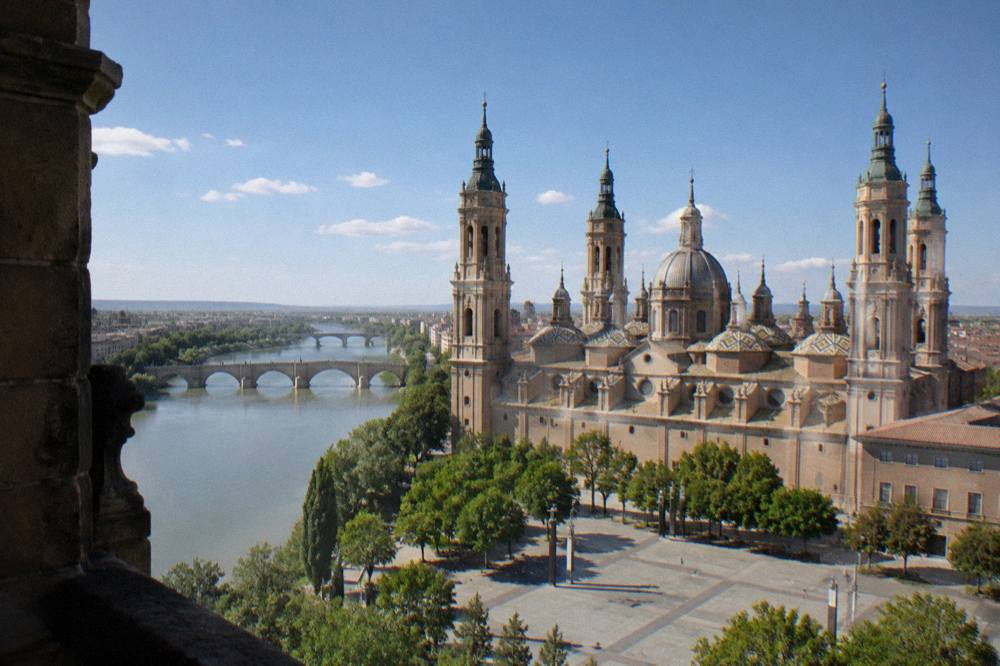
The other reason not to wait for a card is that Zaragoza's headline monument is free to enter. The Basilica del Pilar charges nothing for the temple itself, so the only paid items at the city's most visited building are the tower viewpoint and the museum. A pass would have very little left to bundle, which is likely why none exists.
What Single Tickets And Combined Tickets Exist In Zaragoza?
The La Seo general ticket at EUR 10 is the closest thing Zaragoza has to a pass: it covers the cathedral itself plus the Museo de Tapices, the Museo Pilarista and the Rosario de Cristal, with a reduced rate of EUR 9 for over 65s and EUR 7 for students and ages 13 to 18, and a combined ticket with the tower at EUR 12. Under 12s enter free.
The La Seo ticket is the one to understand before any other, because it quietly includes more of the city than anything else on sale. The cathedral's own page lists the inclusions, and the municipal monument timetable confirms the hours the ticket buys into: Monday to Saturday 10:00 to 14:30 and 16:00 to 20:00, Sunday mornings until 12:00. Aragon residents get free entry on the 6th, 12th, 23rd and 27th of each month, a local perk worth knowing about if travelling with anyone registered in the region.
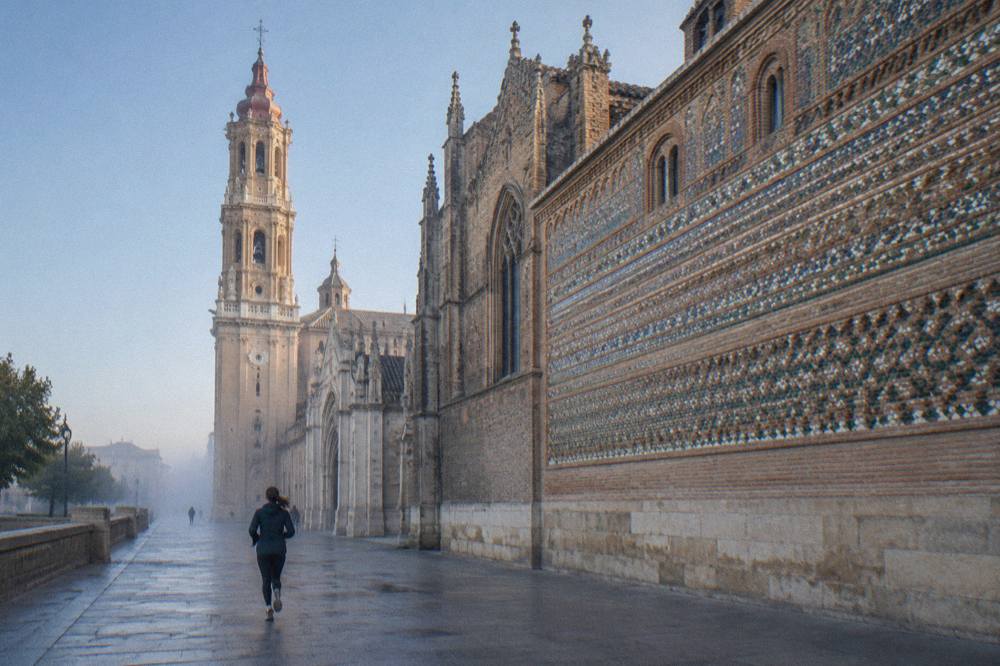
The Aljafería Palace, whose surviving Mudéjar features are one of Zaragoza's three UNESCO-listed components, prices at EUR 7 general entry and EUR 9 with a guided tour, with students, over 65s and Carnet Joven holders at EUR 2 and under 12s free. Holders of a tourist bus ticket get in for EUR 4, which is one of the few genuine cross-discounts in the city. The palace is open daily 10:00 to 18:00 in October, with last access 45 minutes before closing.
| Ticket | General | Reduced | Free |
|---|---|---|---|
| La Seo + Museo de Tapices + Museo Pilarista + Rosario de Cristal | EUR 10 | EUR 9 over 65, EUR 7 students and 13-18 | Under 12 |
| La Seo combined with tower | EUR 12 | Not listed separately | Under 12 |
| Basílica del Pilar tower viewpoint | EUR 6 | EUR 5 over 65 and residents, EUR 4 ages 13-18, students, groups of 20+ | Under 12 |
| Aljafería Palace entry | EUR 7 | EUR 2 students, over 65, Carnet Joven | Under 12 |
| Aljafería Palace guided tour | EUR 9 | Not listed separately | Under 12 |
Entering the Basilica del Pilar itself is free, and the municipal October timetable lists the tower viewpoint hours separately: Monday to Thursday 10:30 to 14:30 and 16:00 to 20:00, Friday to Sunday 10:00 to 20:00, last access 30 minutes before closing. The Museo Pilarista, included in the La Seo ticket, is open daily 10:00 to 13:30 and 16:00 to 20:00.
For travellers who want the Aljafería with a guide rather than a self-guided wander, the Aljafería ticket and guided visit bundles entry with a guided tour, from $24.76 per person and rated 4.7 from 82 reviews. Spanish-language guided tours of the palace run at fixed times, 10:30, 12:30, 13:30, 15:00 and 16:00, and there is a separate tour of the exhibition "Goya, del Museo al Palacio" at 11:30. Check availability on the operator's live listing before travelling, because the fixed tour times mean a ticket bought on the day can mean a wait.
Which Monuments In Zaragoza Are Free, And When?
The Aljafería is free on the first and third Sunday and Monday of each month, the four Caesaraugusta museums are free on the first Sunday, the Museo del Fuego y los Bomberos is free on the first Sunday, the Museo del Origami on the first Tuesday and Sunday, and the IAACC Pablo Serrano, the Torreón de la Zuda and the Centro de Historias are free at all times.
The free-entry calendar is Zaragoza's real answer to the tourist card, and it rewards a visitor whose dates are even slightly flexible. Time a trip to include the first Sunday of the month and both the Aljafería and the entire Roman museum circuit cost nothing. The municipal museums that are always free, including the IAACC Pablo Serrano with its contemporary art collections and the Torreón de la Zuda with its fifth-floor "mirador de las cuatro culturas" viewpoint, need no timing at all.
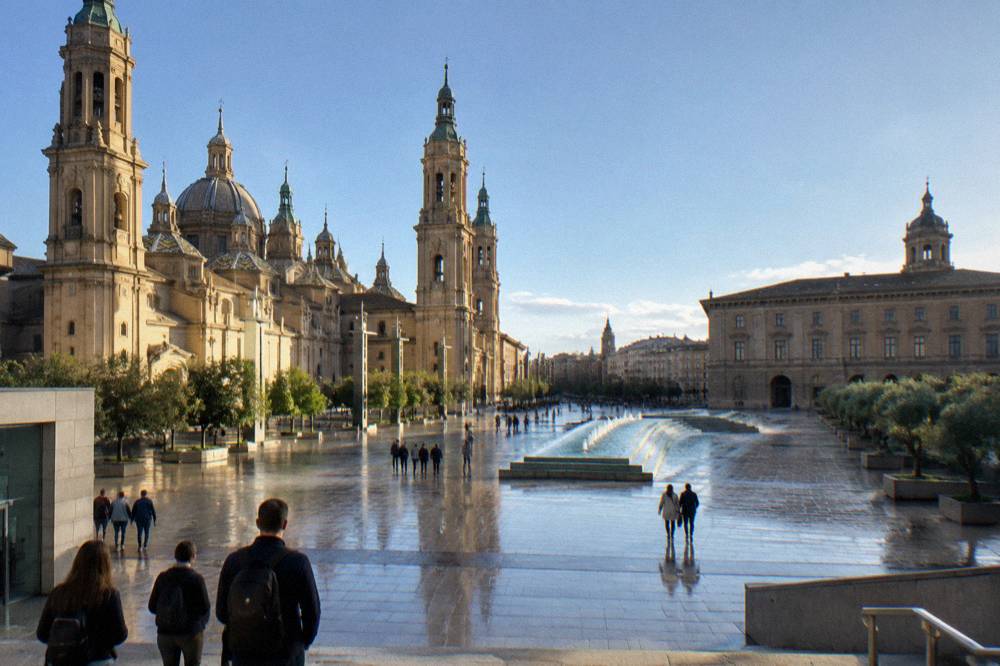
| Site | Normal price | Free entry |
|---|---|---|
| Aljafería Palace | EUR 7 | 1st and 3rd Sunday and Monday of each month |
| Caesaraugusta museums (Foro, Puerto Fluvial, Termas, Teatro) | EUR 3-4 per site, EUR 7 bono | 1st Sunday of the month |
| Museo del Fuego y los Bomberos | EUR 3 | 1st Sunday of the month |
| Museo del Origami | EUR 3 | 1st Tuesday and 1st Sunday |
| IAACC Pablo Serrano | Free always | Free always |
| Torreón de la Zuda | Free always | Free always |
| Centro de Historias | Free always | Free always |
| Basílica del Pilar temple | Free always | Free always |
Two cautions for October 2026 planning. The Palacio de Sástago is closed in October, and the Museo Pablo Gargallo is temporarily closed, so neither should be counted in a ticket itinerary. The Museo de Zaragoza's central building on Plaza de los Sitios is closed for Ministry of Culture works with no reopening date, and its Etnología and Cerámica sections in the Parque Grande are also shut at present, so the city's archaeological museum is simply not part of the ticket arithmetic for now.
How Do The Caesaraugusta Roman Museum Tickets Work?
The four Caesaraugusta museums, the Foro, the Puerto Fluvial, the Termas and the Teatro, cost EUR 4 for the Foro and EUR 3 each for the Termas and Puerto Fluvial individually, but a bono covering all four costs EUR 7 general and EUR 5 reduced, which is the clear best buy for anyone visiting more than two of them.
The Roman circuit is the one place in Zaragoza where a genuine multi-site pass exists, and it is priced to be used. Buying the four museums individually at general rates costs more than double the bono, so the decision is simple: anyone planning the Roman Caesaraugusta route should buy the bono at the first museum. Hours are Tuesday to Saturday 10:00 to 14:00 and 17:00 to 21:00, Sunday and holidays 10:00 to 14:30, with tickets sold through the municipal culture ticketing pages.
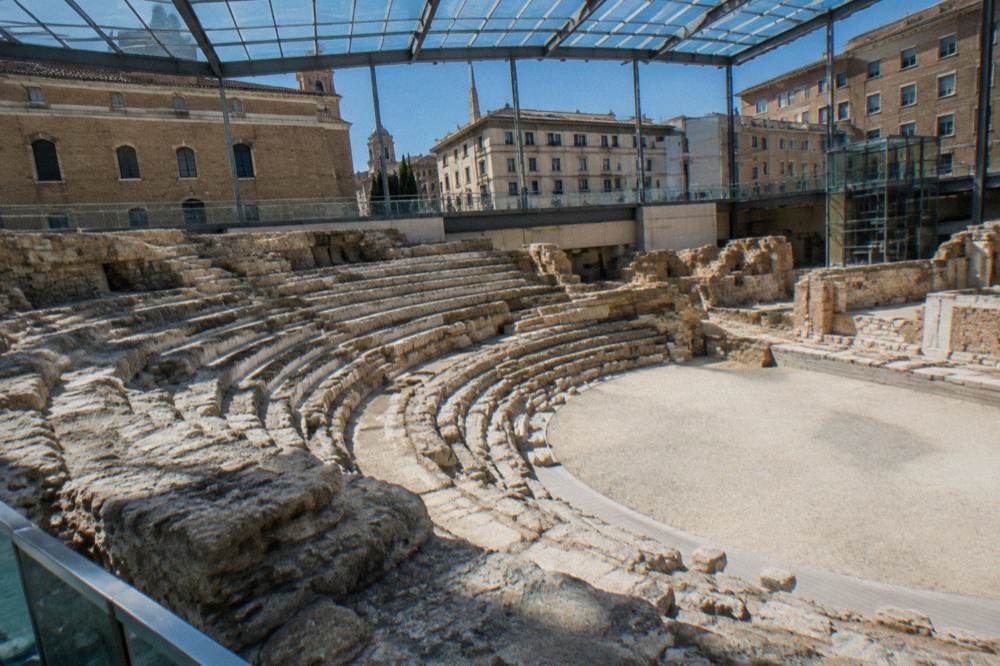
| Caesaraugusta site | Single ticket | With EUR 7 bono |
|---|---|---|
| Museo del Foro | EUR 4 | Included |
| Museo del Puerto Fluvial | EUR 3 | Included |
| Museo de las Termas | EUR 3 | Included |
| Museo del Teatro | Listed with bono | Included |
The bono also stacks with the free-entry calendar: on the first Sunday of the month all four are free, so the bono only earns its keep on the other three or four weeks. For a short visit built around the Zaragoza one-day itinerary, the Foro and the Teatro are the two most visitors manage in a day, and at EUR 7 the bono still beats two singles.
How Much Does The Zaragoza Tourist Bus Cost And What Does It Cover?
The Zaragoza Bus Turístico costs EUR 10 for a general ticket valid 24 hours, hop-on hop-off, across 16 stops on a 90-minute loop, with discounts available and payment in cash on the bus, which makes it the city's only official sightseeing pass and the one product that most resembles a tourist card.
The EUR 4 Aljafería discount for tourist bus holders is the only confirmed cross-benefit between city products, so a day that includes both the bus and the palace effectively prices the palace at less than half. The municipality's tourism pages carry the current stops and seasonal schedule, and the cash-only rule on the bus is worth knowing before boarding. Everything else covered here is indexed on Zaragoza Travel Guide.
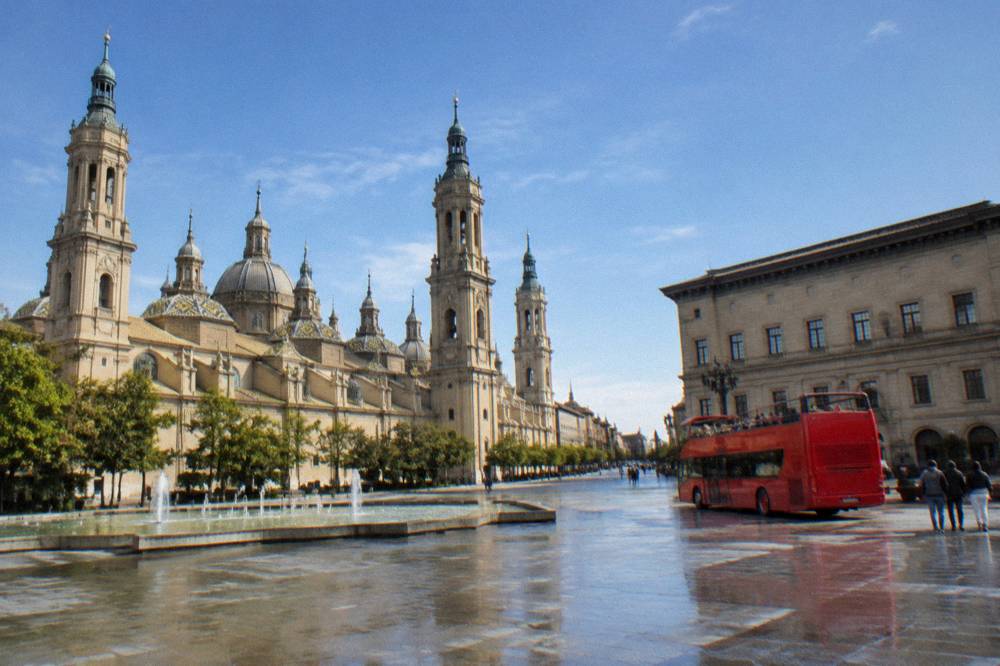
For visitors who prefer to walk, the guided options below cover the same ground with a guide's commentary, and the getting around Zaragoza guide covers the ordinary tram and bus network for the days when a hop-on bus is more than needed.
Do Transport Passes Save Money In Zaragoza?
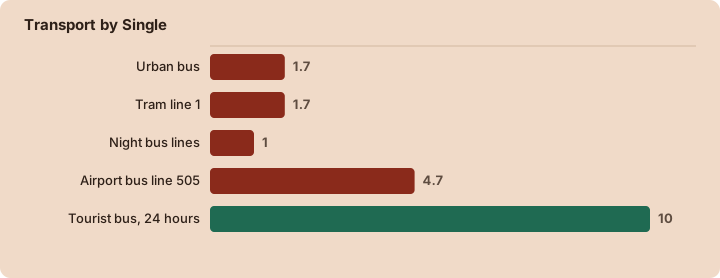
A single urban bus or tram journey costs EUR 1.70, dropping to EUR 0.55 with a Tarjeta Bus that costs EUR 7 and works on both bus and tram, so the card pays for itself after roughly six journeys and is the correct buy for any stay of two days or more; night buses cost EUR 1.00 per single journey.
Zaragoza's transport arithmetic is unusually clear because the 2026 Avanza fare table applies one single fare across the whole urban network. A tourist making three journeys a day for three days spends just over EUR 15 in singles, against EUR 7 for the card plus EUR 0.55 a journey. The card is bought once and topped up, and it works identically on the tram, which links Zaragoza-Delicias station with the city centre.
| Transport | Single | With Tarjeta Bus |
|---|---|---|
| Urban bus | EUR 1.70 | EUR 0.55 |
| Tram line 1 | EUR 1.70 | EUR 0.55 |
| Night bus lines | EUR 1.00 | Not listed |
| Airport bus line 505 | EUR 4.65 | EUR 2.25 with Lazo card |
| Tourist bus, 24 hours | EUR 10 | Not applicable |
The Zaragoza airport to city centre guide works through the options, and the Zaragoza airport guide covers the airlines serving the field. The Bizi bike-share system prices at EUR 1 for a day pass plus EUR 0.50 for the first 30 minutes of each trip, with a EUR 50 card deposit held on day, monthly and single-trip products.
What Does A Guided Tour Add Over A Single Ticket?
A guided tour replaces the audio-guide-and-placard experience of a single ticket with a fixed-time, live commentary, and in Zaragoza the guided options range from a 105-minute monumental introduction at $10.41 per person to private walks from about $50 per person, while the free GuruWalk tours, tip-based and led by a named guru, cover the old town at no fixed price at all.
The choice between a ticket and a tour is really a choice between depth and freedom. The Aljafería's Spanish guided tours at fixed hours suit a visitor who wants the palace explained; the private walking tours suit a traveller who wants the whole old district, from the Roman walls to the Renaissance, in one narrative. The listing for the monumental sightseeing introduction describes a 105-minute first-day orientation at $10.41 per person, rated 4.4 from 36 reviews, and the private custom walking tour with a local guide runs two to eight hours from $50.65 per person, rated 5 from 86 reviews.
For the cathedral, the La Seo visit pairs a ticket with a guide's context at $22.51 per person, and the Basílica del Pilar Spanish-language tour covers the basilica's art and history at $12.38 per person, rated 4.7 from 46 reviews. The free GuruWalk tours deserve their own paragraph: the Indispensable Zaragoza Free Tour of the old town, rated 4.97 from 576 reviews, is pay-what-you-want, and GuruWalk is named here because that is how the platform works, a free walk with a guru who is tipped at the end, never a fixed price.
How Should Ticket Planning Change Around Fiestas Del Pilar?
The Fiestas del Pilar run from 10 to 18 October 2026, with the Ofrenda de Flores on 12 October drawing 994 registered groups and roughly 99,980 signed-up participants onto the streets, so monument tickets should be booked ahead for those nine days, the Rosario de Cristal is closed from 4 to 15 October, and the free-entry days that fall within the festival are the busiest days of the year to use them.
The October festival is both the best and the hardest time to be a ticket-holder in Zaragoza. The city's own pages confirm the 2026 dates and the Ofrenda route from Paseo de la Independencia to Plaza del Pilar, and the sheer scale of the flower offering means the old town functions as a festival site rather than a museum district for the middle weekend. The Rosario de Cristal closure from 4 to 15 October is a direct hit on the La Seo combined ticket: one of its four inclusions is unavailable for most of the festival, which is worth knowing before paying EUR 10 for it in that window.
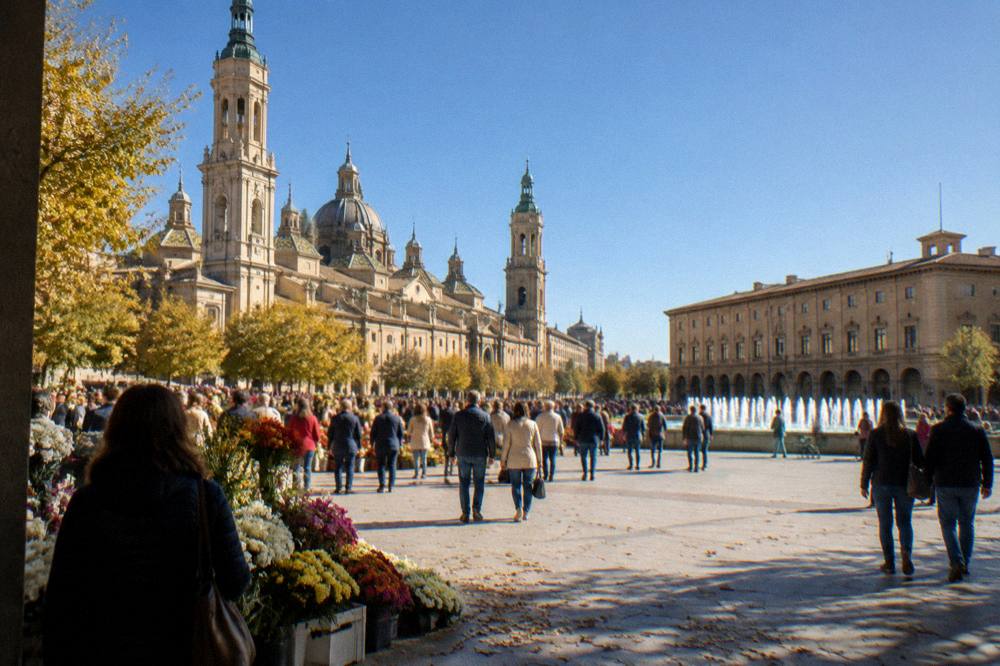
The Fiestas del Pilar guide and the Ofrenda de Flores guide cover the festival programme in detail. For ticket planning, the practical advice is simple: book the Aljafería and the Pilar tower in advance for 11 to 13 October, expect queues at anything free, and remember that the pregón opens the festival from the Ayuntamiento balcony on the evening of 10 October.
Which Days Of The Week Affect Zaragoza Tickets And Closures?
Mondays close the Museo Goya, which reopens on 9 October 2026 with Tuesday to Saturday hours of 10:00 to 20:00 and Sunday openings of 10:00 to 14:00, the Caesaraugusta museums and most municipal sites shut on Monday afternoons or all day, and the Aljafería is the one major monument open daily, which makes Monday the day it carries the city's visiting load.
The weekly rhythm matters more in Zaragoza than a card ever would, because several of the city's headline collections simply are not open every day. The Museo Goya, reopening on 9 October 2026 after its renovation with new access and larger exhibition spaces, keeps Monday closed, and its admission price has not been published, so check the museum's own page before visiting. The municipal October timetable shows the same Monday pattern across the Caesaraugusta museums and the smaller municipal sites.
| Site | Monday | Tue-Sat | Sunday |
|---|---|---|---|
| Aljafería Palace | Open 10:00-18:00 | Open 10:00-18:00 | Open 10:00-18:00 |
| La Seo | Open 10:00-14:30, 16:00-20:00 | Open 10:00-14:30, 16:00-20:00 | 10:00-12:00, 16:00-20:00 |
| Museo Goya | Closed | 10:00-20:00 | 10:00-14:00 |
| Caesaraugusta museums | Closed | 10:00-14:00, 17:00-21:00 | 10:00-14:30 |
| Basílica del Pilar temple | Open | Open | Open |
| Museo Pilarista | Open 10:00-13:30, 16:00-20:00 | Open 10:00-13:30, 16:00-20:00 | Open 10:00-13:30, 16:00-20:00 |
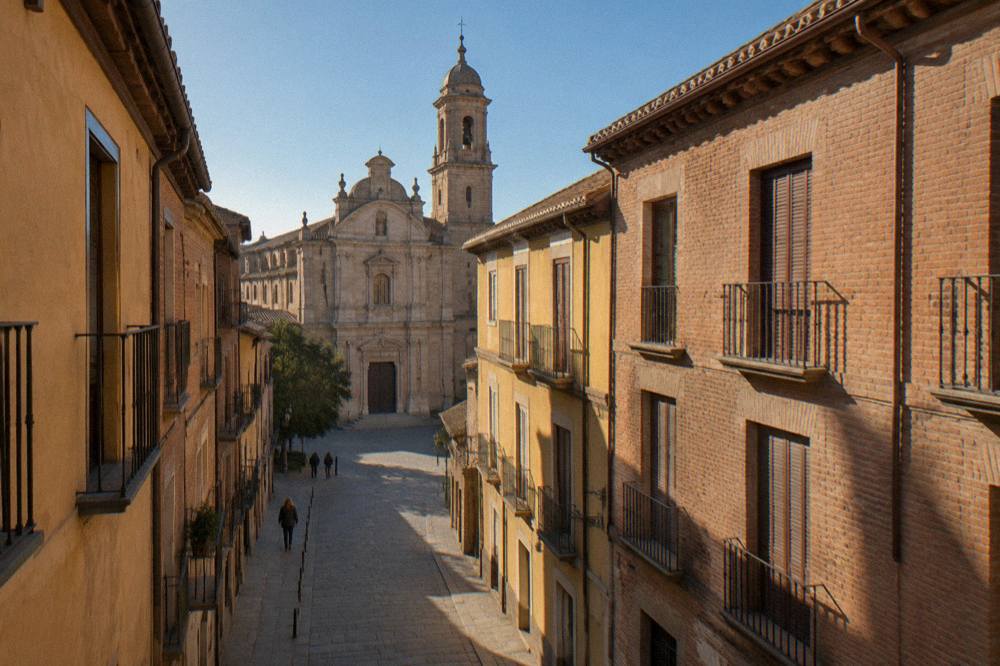
A Monday visitor's plan therefore writes itself: the Aljafería in the morning, the Pilar and its tower at midday, and the free Torreón de la Zuda viewpoint in the afternoon. Anyone building a longer stay around these rhythms will find the Zaragoza travel planning guide and the best time to visit Zaragoza guide useful companions to this page.
What Is The Smartest Ticket Strategy For A Short Visit?
For a two-day visit, buy the La Seo combined ticket at EUR 10, the Caesaraugusta bono at EUR 7 and the Pilar tower at EUR 6, a total of EUR 23 for the city's core monuments, then add either the EUR 10 tourist bus or one guided walk, and aim for the first Sunday of the month if the calendar allows, when the Aljafería and all four Roman museums are free.
That EUR 23 core is the number to hold in mind instead of hunting for a card that cannot be confirmed. It covers a cathedral with three museums attached, the entire Roman circuit and the best view over the Ebro valley from the Pilar tower, and it shrinks to EUR 10 on a first Sunday if the Aljafería is taken free and the Roman bono is not needed.
For anyone who wants the city explained rather than just entered, the guided options above are the upgrade worth making, and the things to do in Zaragoza page places the ticketed and free options side by side. Zaragoza Travel Guide keeps every price on this page tied to the municipal and operator figures that publish it, and where a figure is not published, the answer is to ask at the ticket window rather than trust a number invented in between.
Common Questions About Zaragoza Tourist Cards And Passes
What is included in the La Seo ticket?
The EUR 10 general ticket to La Seo cathedral includes the Museo de Tapices, the Museo Pilarista and the Rosario de Cristal, with a combined ticket including the tower at EUR 12. Reduced rates are EUR 9 for over 65s and EUR 7 for students and ages 13 to 18, and under 12s enter free.
Is the Basílica del Pilar free to enter?
Yes, entering the temple is free. The tower viewpoint costs EUR 6 for adults, EUR 5 for over 65s and residents and EUR 4 for ages 13 to 18, students and groups of 20 or more, with under 12s free. Last access is 30 minutes before closing.
When is the Aljafería Palace free?
The Aljafería is free on the first and third Sunday and Monday of each month. Otherwise entry costs EUR 7 general, EUR 9 with a guided tour, EUR 2 for students, over 65s and Carnet Joven holders, and EUR 4 for tourist bus ticket holders, with under 12s free.
Is the Zaragoza tourist bus worth it?
The Zaragoza Bus Turístico costs EUR 10 for 24 hours of hop-on hop-off across 16 stops on a 90-minute loop, and it carries the city's only confirmed cross-discount, EUR 4 Aljafería entry for ticket holders. Payment on the bus is cash only.