Fuendetodos: A Goya Day Trip From Zaragoza
Fuendetodos is the small Aragonese village where Francisco de Goya was born, a half-day escape from Zaragoza into the dry plains south of the city, and the natural companion to a Goya-themed day in Zaragoza itself.
Short answer
Fuendetodos is Goya's birthplace village, reached as a short rural excursion from Zaragoza, Spain. The birthplace house and the village's stone architecture are the draw, and the day pairs naturally with the Goya collections in Zaragoza.
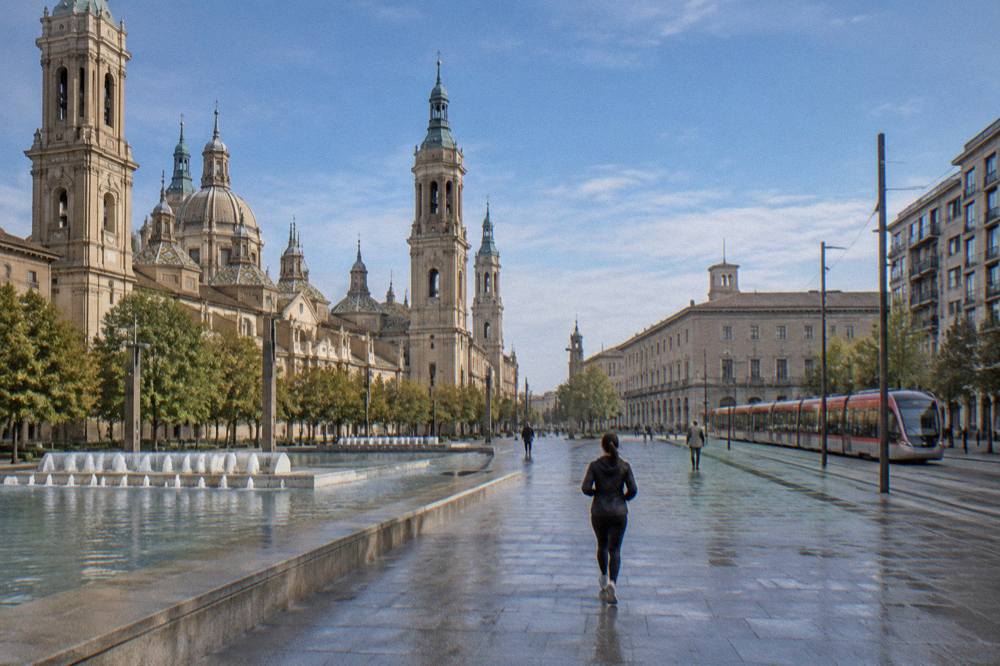
Fuendetodos is a small village in the province of Zaragoza, in Aragon in inland Spain, and it holds one of the great names in Spanish art: Francisco de Goya was born here before his family moved to Zaragoza, the city whose museums now carry the largest part of his story. The village sits in dry, open plains south of Zaragoza, a landscape of stone houses, low hills and wide skies that feels a world away from the Ebro riverside and the Mudéjar towers of the regional capital. A day here is short, quiet and rewarding, and it makes most sense as one half of a Goya day that starts in Zaragoza and ends in the countryside.
This page covers what Fuendetodos is, what there is to see in the village, how the day connects to the Goya collections back in Zaragoza, what the practical planning looks like, and which other Aragonese villages and towns sit close enough to share the drive. The Goya thread is the reason almost every visitor comes, and it is worth getting the sequence right: the city gives you the paintings, the village gives you the origin.
What Is Fuendetodos And Why Do Visitors Go There From Zaragoza?
Fuendetodos is the birthplace village of Francisco de Goya, the painter and printmaker born here, and it is visited from Zaragoza as a short rural excursion into the dry plains south of the city. The village is small, built of stone and whitewashed walls, and its main sight is the modest house where Goya was born, which makes it a pilgrimage of origin rather than a full day of monuments.
The village's fame rests on a single biographical fact, and that fact is unusually well anchored. Goya was born in Fuendetodos, the son of a master gilder, and the family soon moved to Zaragoza, where the young Goya trained and where his career began. That split, birthplace in the village, career in the city, is exactly how a visitor should structure the trip. Zaragoza holds the collections and the churches he painted for; Fuendetodos holds the house and the landscape.
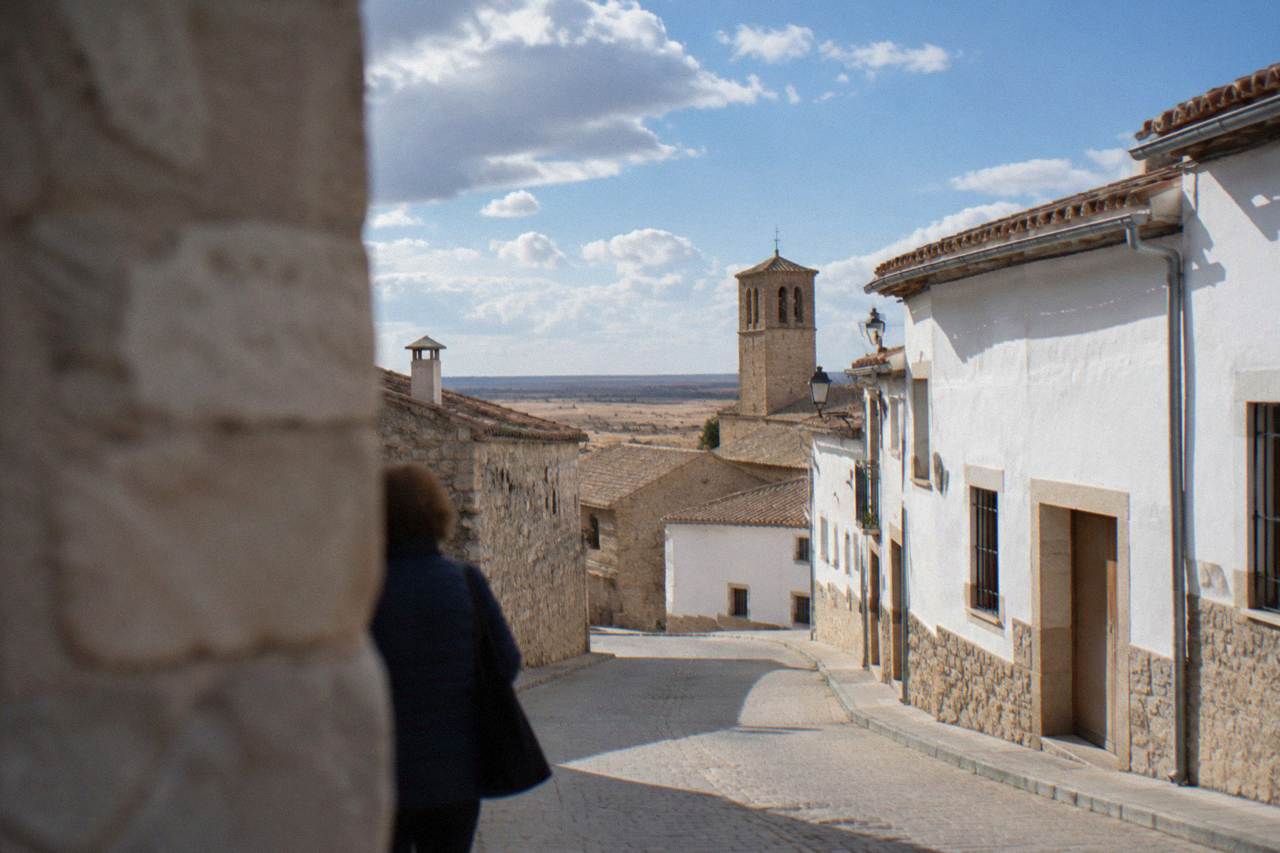
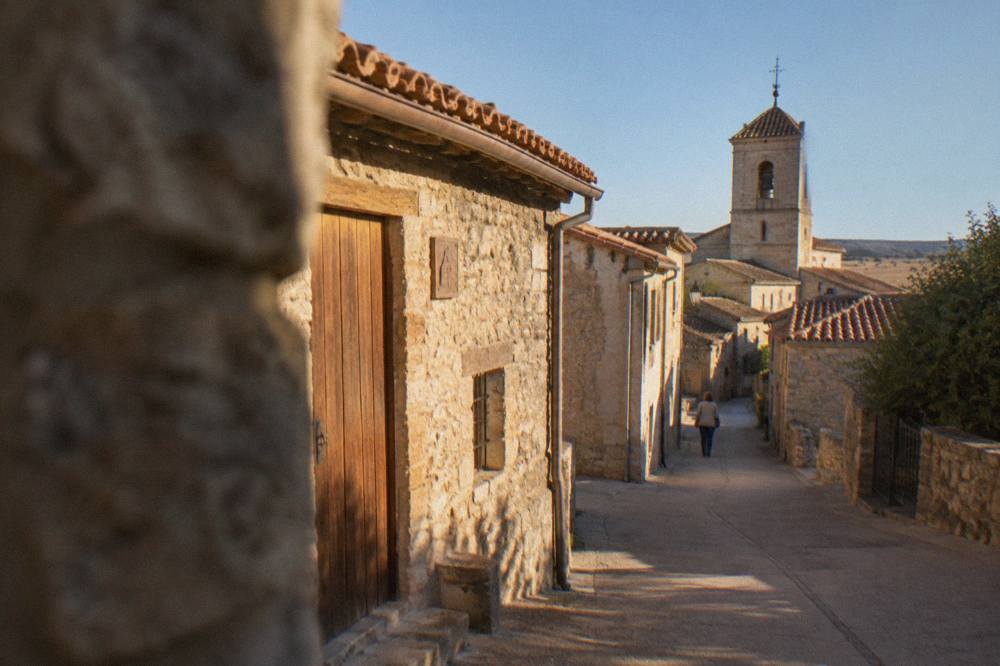
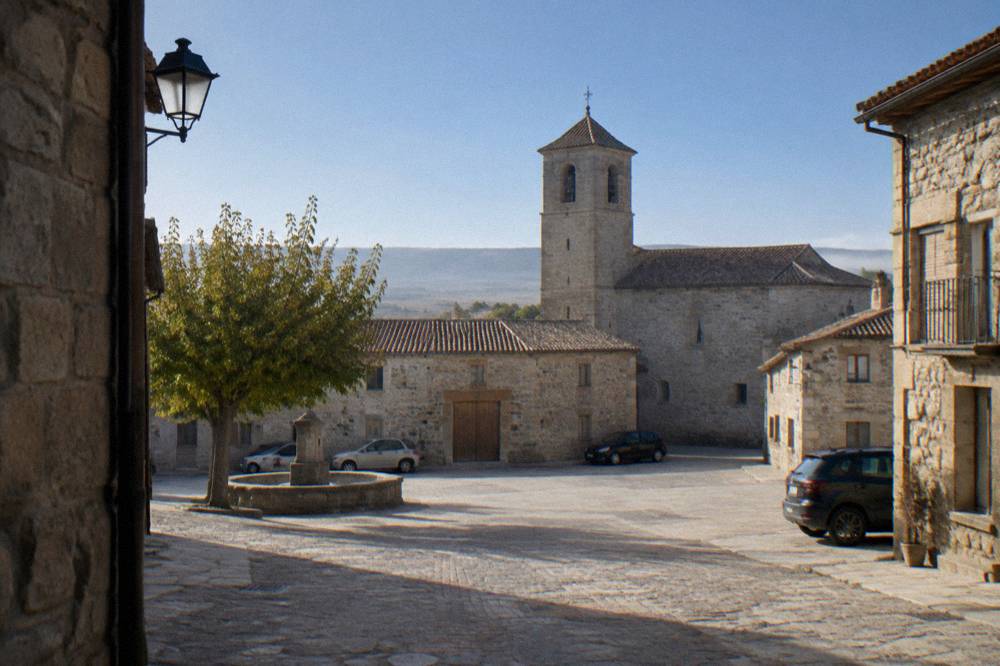
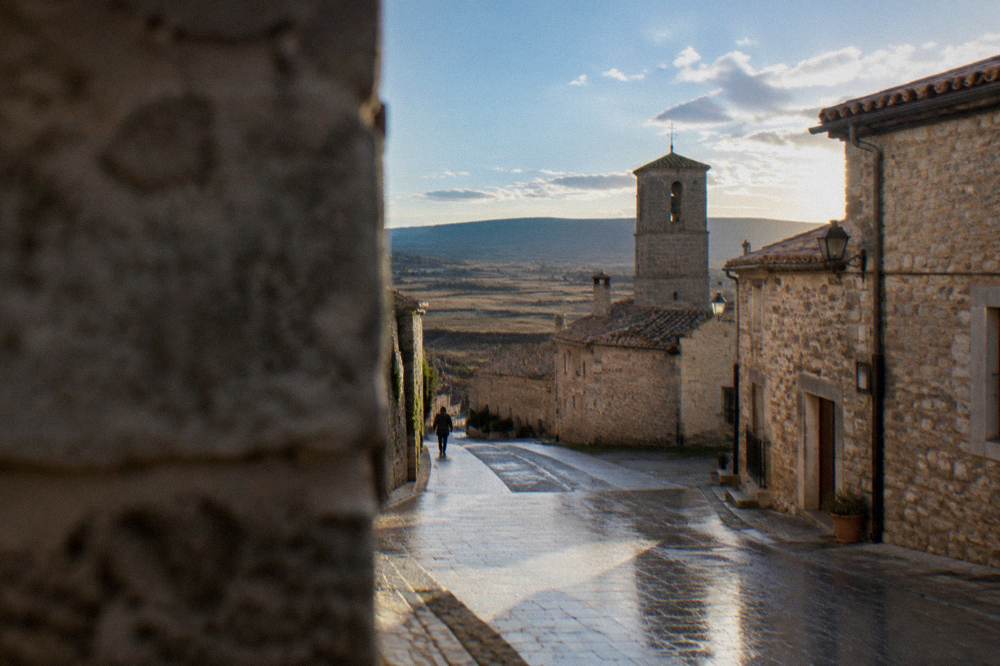
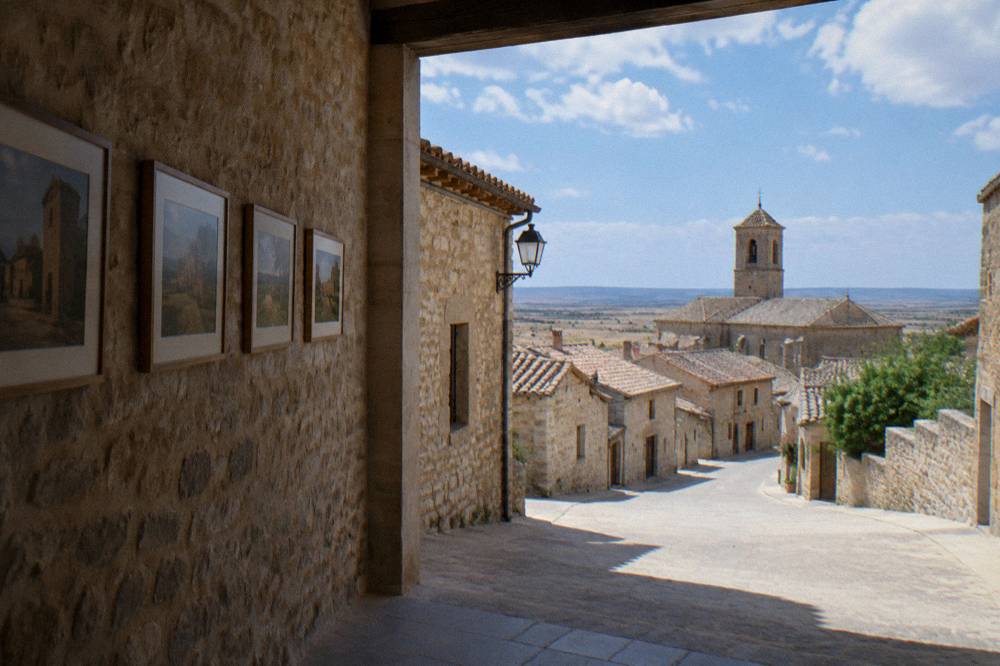
What the village itself offers is atmosphere more than acreage. The traditional Aragonese architecture of the old centre, stone walls brightened with white paint, low doorways and narrow lanes, survives in good condition, and the surrounding countryside is the open, scrubby plateau country typical of this part of Aragon: hot and dry in summer, cold and exposed in winter, golden in the low light of spring and autumn. AEMET's 1981 to 2010 normals for the Zaragoza Aeropuerto station, the nearest published series, show July as the hottest month with a mean maximum of 32.4 C and July and August as the driest with 17 mm of rain each, which tells you what the plains around the village feel like in high summer.
For visitors planning a wider Aragon circuit, Fuendetodos sits among several worthwhile excursions from Zaragoza, and the guides to Belchite, Daroca and Calatayud cover other directions from the city. If the Goya theme is the reason for the trip, though, the strongest preparation is a proper orientation walk in Zaragoza first. The Must-See Attractions Walking Tour covers the monumental core in two hours with a guide, which is an efficient way to see the city Goya knew before driving out to the village where he was born.
What Can You Actually See In Fuendetodos On A Day Trip?
The sights of Fuendetodos fit into a compact walk: the birthplace house of Goya, the village's old stone centre with its narrow lanes and whitewashed walls, a museum space dedicated to Goya's graphic work, and the surrounding plains and viewpoints at the edge of the village. It is a two-to-three-hour visit at a relaxed pace, not a full museum day, and no opening hours or admission prices are published in a form this guide can confirm, so check the current listings before setting out.
The birthplace house is the anchor. It is a small, modest rural dwelling of the kind common in old Aragonese villages, restored and presented as the family home it was, and it is the single reason most visitors make the journey. Treat it as a short, quiet visit: the point of the house is what it represents, the plain rural setting that produced the most incisive eye in Spanish painting, rather than a long gallery experience.
The graphic-work museum is the second stop. Fuendetodos is also home to a collection built around Goya's engravings and etchings, the prints on which much of his reputation as a satirist and observer rests, and a visit here pairs naturally with the paintings in Zaragoza. Because no verified hours or prices for the village's museums appear in this guide's sources, the practical advice is simple: check the operator's or the museum's own notice before you go, especially for winter weekdays when small rural museums in Aragon run reduced schedules.
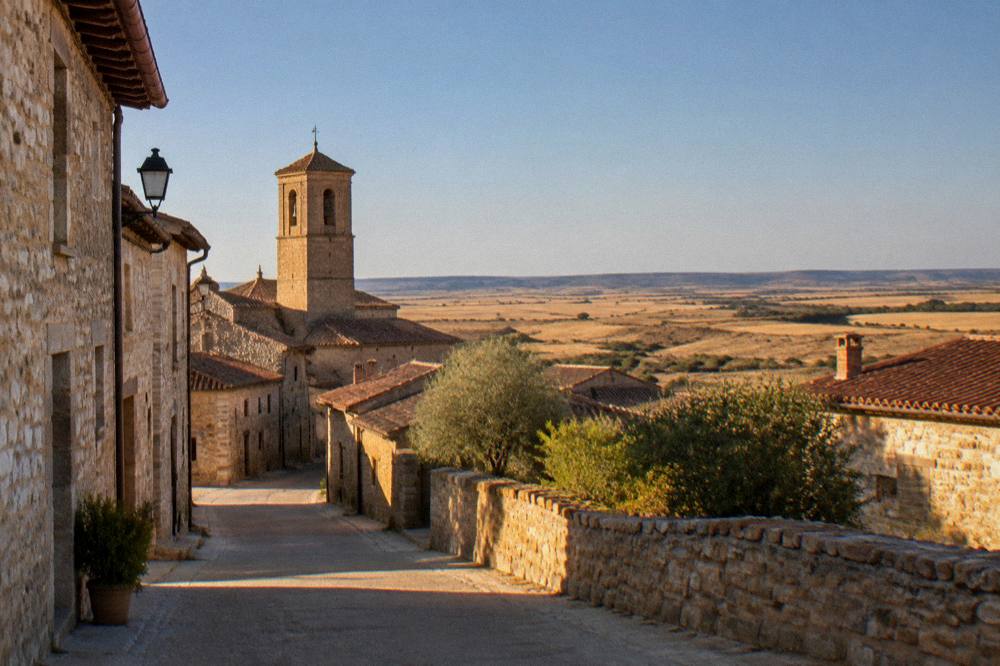
Beyond the two museums, the village itself is the exhibit. Give the old centre an unhurried loop, and walk out to the edge of the built area for the view over the plains: the horizon is wide, the land is low and dry, and the light in the late afternoon is the same hard, clear light that shapes so much of Aragonese painting. There is no trail length, elevation figure or opening hour verified for any walk here, so plan by daylight and season rather than by published routes.
For readers who want the city half of the Goya day mapped out in advance, the guide to Goya in Zaragoza and the museum pages on this site cover where his work hangs in the city. A self-guided option in Zaragoza itself also exists as a bookable product: the app-guided Roman Walls to Renaissance Wonders walk covers the old city at your own pace, and the Four Cultures audio tour does something similar with the city's layered history.
How Do You Get To Fuendetodos From Zaragoza?
Fuendetodos is reached from Zaragoza by road, as a drive into the plains south of the city, and no verified public bus timetable, fare or frequency exists for the route, so a rental car, a taxi or a private driver is the practical choice. The village is close enough to Zaragoza to be a half-day excursion, but the lack of a confirmed regular service means anyone relying on public transport should check the current regional bus listings before committing to the day.
That leaves two realistic shapes for the day. The first is a self-drive trip: pick up a car in Zaragoza, follow the roads south out of the city, and enjoy the fact that the plains make an easy, uncrowded drive. The second is a private arrangement, a hired driver or a taxi booked for the return leg, which removes the parking question but costs more.
The direction is the one thing that can be stated with confidence: the village lies south of Zaragoza, out on the dry plateau country of the province. No kilometre count or driving time is published in this guide's sources, so treat the journey as short by Aragonese standards but plan the day around daylight rather than a fixed schedule.
While you are in the city itself, the transport figures that are verified are worth knowing. The 2026 Avanza fare table lists the urban bus and tram single at 1.70 EUR, or 0.55 EUR with the Tarjeta Bus, and the tourist bus, the Zaragoza Bus Turístico, runs a 24-hour hop-on hop-off ticket at 10 EUR with 16 stops on a 90-minute loop, cash only on the bus. The airport bus is line 505, never 44 or 501, at 4.65 EUR single or about 2.25 EUR with a Lazo card, timed to flights.
| Transport in Zaragoza | Fare | Notes |
|---|---|---|
| Urban bus or tram single | 1.70 EUR | No transfer included |
| Same trip with Tarjeta Bus | 0.55 EUR | Card itself costs 7 EUR, valid on bus and tram |
| Night bus single | 1.00 EUR | Night lines only |
| Tourist bus, 24 h hop-on hop-off | 10 EUR | 16 stops, 90-minute loop, cash only on the bus |
| Bizi bike share, day pass | 1 EUR plus 0.50 EUR per trip up to 30 min | 50 EUR card deposit held |
| Airport bus, line 505 | 4.65 EUR single | About 2.25 EUR with Lazo card, timed to flights |
How Does Fuendetodos Connect To The Goya Trail In Zaragoza Itself?
The Goya trail runs in both directions: Fuendetodos holds the birthplace house and the engravings, while Zaragoza holds the painter's training ground and the institutional collections, most notably the Museo Goya of the Fundación Ibercaja, which reopens on 9 October 2026 after renovation with hours of 10:00 to 20:00 Tuesday to Saturday and 10:00 to 14:00 on Sundays and public holidays, closed Mondays, with its admission price not yet published.
That reopening is the single most important piece of Goya planning for anyone visiting in late 2026. The museum's own page states the reopening date of 9 October 2026 and the hours above, but no admission price has been published, so do not budget a figure for it: check the listing before you go. A Goya day that starts with a morning walk through the old town, continues in the museum after it reopens, and ends with the drive south to Fuendetodos, is the fullest version of the theme Zaragoza offers.
One caution belongs here, because it affects itineraries published elsewhere. The Museo de Zaragoza, the city's central museum at Plaza de los Sitios 6, is closed for Ministry of Culture works, with no reopening date announced, and its Etnología and Cerámica sections in the Parque Grande are also currently shut pending a new temporary exhibition. Any Goya itinerary that lists it as visitable is out of date. The Goya sites that can be planned around are the Museo Goya once it reopens, the village of Fuendetodos, and the churches and monuments of the old town that a guided walk covers.
| Goya Site | Location | Status |
|---|---|---|
| Museo Goya, Fundación Ibercaja | Zaragoza city centre | Reopens 9 October 2026, Tue-Sat 10:00-20:00, Sun and holidays 10:00-14:00, Monday closed, price not published |
| Museo de Zaragoza, central building | Plaza de los Sitios 6, Zaragoza | Closed for Ministry of Culture works, no reopening date |
| Museo de Zaragoza, Etnología and Cerámica | Parque Grande, Zaragoza | Currently closed pending a new temporary exhibition |
| Goya birthplace house | Fuendetodos | Open as the village's main sight, check current hours locally |
| Graphic-work collection | Fuendetodos | Built around Goya's engravings, check current hours locally |
The self-guided products are a good fit for the city half of this theme, and both sit among the guided options from Zaragoza. The app-guided walk from the Roman walls to the Renaissance quarter runs from $7.99 per person, rated 4.6 from 8 reviews, and the Four Cultures audio tour runs from $11.99 per person, rated 4.2 from 5 reviews.
When Is The Best Time Of Year To Visit Fuendetodos?
The best months for Fuendetodos are spring and autumn, when the plains south of Zaragoza are neither frozen nor baking: AEMET's 1981 to 2010 normals for the Zaragoza Aeropuerto station show April and May warming from a 19.6 C to a 24.1 C mean maximum, and October holding a 21.4 C mean maximum with 36 mm of rain, while July and August combine 32.4 C and 31.7 C mean maximums with the year's driest months at 17 mm each.
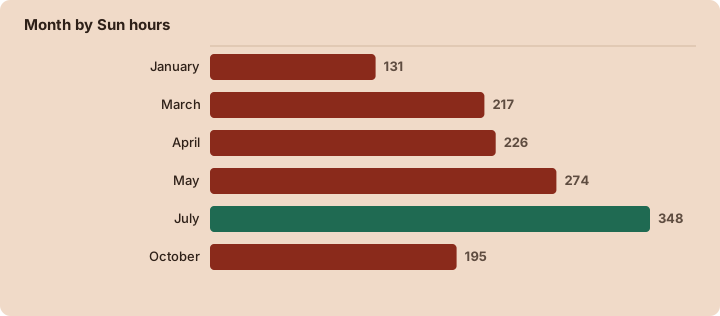
The climate table below is the whole argument. Winter is genuinely cold on the plateau, with January mean minimums of 2.7 C and 23.1 frost days across the year at the airport station, and summer is genuinely hot, with July the sunniest month at 348 hours and mean maximums above 31 C through July and August. The village's lanes and viewpoints are open-air sights, so the shoulder seasons give the most comfortable walking.
October deserves a special note, and not only for the weather. The Fiestas del Pilar run from 10 to 18 October 2026, with the Ofrenda de Flores on 12 October filling the city centre, so a Goya day in mid-October means a crowded, festive Zaragoza and a quiet village. Some travellers will want exactly that contrast. Others will prefer the city outside festival week, when the same itinerary runs at a calmer pace.
| Month | Mean max C | Mean min C | Rain mm | Sun hours |
|---|---|---|---|---|
| January | 10.5 | 2.7 | 21 | 131 |
| March | 17.3 | 5.8 | 19 | 217 |
| April | 19.6 | 7.9 | 39 | 226 |
| May | 24.1 | 11.8 | 44 | 274 |
| July | 32.4 | 18.3 | 17 | 348 |
| October | 21.4 | 11.0 | 36 | 195 |
Every figure above is an AEMET 1981 to 2010 normal for the Zaragoza Aeropuerto station, the only window the station page publishes, and the nearest verified series to the plains around Fuendetodos. May is the wettest month at 44 mm, which still means, by most European standards, a dry spring: the whole year brings 322 mm of rain over 51.1 days of 1 mm or more.
What Should You Combine Fuendetodos With On The Same Day?
The strongest combination is Fuendetodos with a Goya morning in Zaragoza itself, but the village also pairs with other destinations south and east of Zaragoza, above all Belchite, the ruined village of the Spanish Civil War, which lies in the same dry plains and makes a sobering, contemplative counterpoint to an art-themed day, and Daroca, a walled medieval town further along the same southern roads.
Belchite deserves its own careful sentence. It is not a picturesque stop: it is the ruin of a village destroyed in the Spanish Civil War and left standing as it was, a place visitors walk through quietly. Combining an art pilgrimage with a war memorial in one day is a heavy programme for some travellers and a meaningful one for others; the choice is personal, and the Belchite guide covers the visit in detail. What can be said here is that the two places share a landscape, and that anyone driving the southern plains anyway will pass near it.
The wider southern and eastern circuit from Zaragoza offers several other combinations. Daroca brings medieval walls and churches, Calatayud sits on the route towards Madrid with its Mudéjar towers, and Teruel, further south, is one of Aragon's great monument towns, covered in the Teruel guide. To the north and west, other directions from the city include the Moncayo Natural Park and the Monasterio de Piedra, but those belong to a different day and a different road.
| Day Trip From Zaragoza | Direction From The City | The Kind Of Day It Makes |
|---|---|---|
| Fuendetodos | South | Goya's birthplace village, art and quiet stone lanes |
| Belchite | South-east | A Civil War ruin, visited soberly, in open plains country |
| Daroca | South | A walled medieval town with churches and gates |
| Calatayud | South-west | Mudéjar towers and a historic centre on the Madrid axis |
| Teruel | South | One of Aragon's great monument towns, a full day out |
| Moncayo Natural Park | North-west | Mountain country, the highest ground in the Sistema Ibérico near Zaragoza |
No distance, driving time, timetable or entry fee is verified for any of these routes, so plan each leg by daylight and by what you want from the day rather than by a fixed schedule. Bookable guided day trips from Zaragoza exist for the Pyrenees, Tarazona and Moncayo, Alquezar and the wine regions, but none covers Fuendetodos, which is why the self-drive or private-driver shape is the one that works here.
What Should A Fuendetodos Day Trip Cost, And What Should You Budget For?
The fixed, verified costs of the day are all in Zaragoza: urban transport at 1.70 EUR per single or 0.55 EUR with the Tarjeta Bus, the tourist bus at 10 EUR for 24 hours, and no tourist tax anywhere in Aragon, while the village's own admission prices are not published in any verified source and the rental car or private driver is the main variable cost, so a realistic budget centres on transport and lunch rather than tickets.
Start with what is known. Aragon has no tourist tax, the regional government having explicitly ruled one out in September 2026, so there is no per-night visitor levy to fold into the arithmetic. In the city, the fares in the table above cover every verified public transport cost you are likely to face. The Museo Goya's admission price is not published, so leave a line in the budget for it and check the listing. The village museums' prices are likewise unverified here: check the notice on site or the current listing before you go.
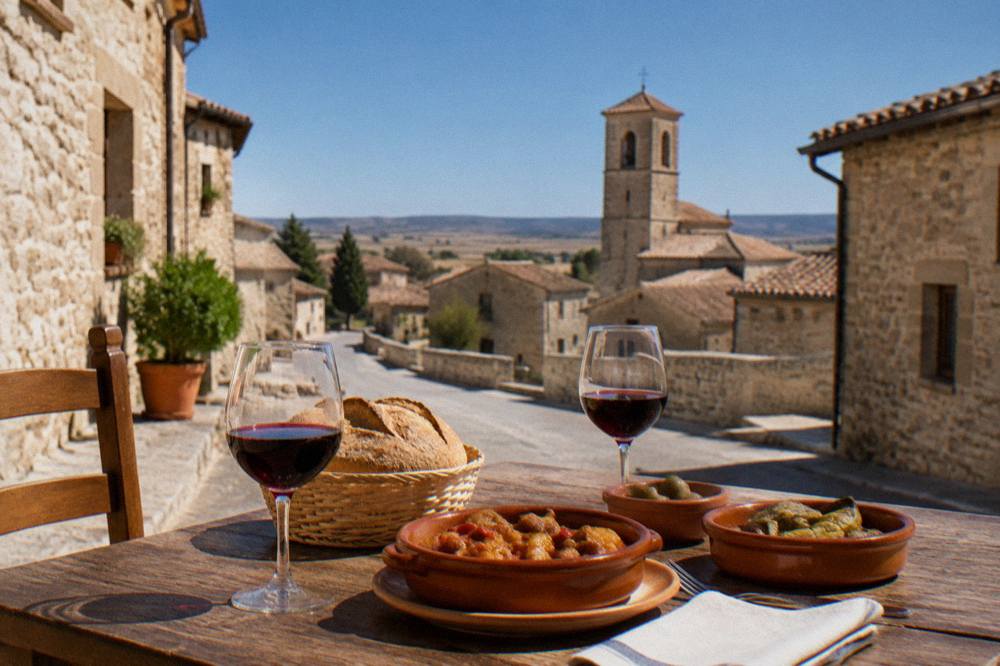
The variable that decides the budget is the drive. A rental car for the day, fuel for a short rural run, and lunch in the village or on the road are the three real costs of the excursion, and all three vary with season and party size. Lunch is worth planning for: Aragonese country cooking, and the lamb and vegetable dishes the region is known for, are the natural fuel for a day of plains walking, and the food guide on this site covers what to order.
| Budget Line | Verified Figure | Where It Applies |
|---|---|---|
| Bus or tram single | 1.70 EUR | Urban Zaragoza, no transfer |
| Tarjeta Bus trip | 0.55 EUR | Card costs 7 EUR, bus and tram |
| Tourist bus 24 h | 10 EUR | 16 stops, cash only on the bus |
| Museo Goya admission | Not published | Reopens 9 October 2026, check the listing |
| Tourist tax | None | No tourist tax in Aragon |
| Village museum admissions | Not verified | Check the notice before you go |
For the city half of the day, the guided options carry their own clear figures, and the self-guided ones are among the cheapest products available from Zaragoza. The Four Cultures audio tour runs from $11.99 per person, rated 4.2 from 5 reviews, and the app-guided walls walk from $7.99 per person, rated 4.6 from 8 reviews.
One more budget trick belongs to the Zaragoza half. Several city museums run free-entry days that a careful planner can exploit: the Caesaraugusta Roman museums are free the first Sunday of the month, the Aljafería is free the first and third Sunday and Monday of each month, the Museo del Fuego y los Bomberos is free the first Sunday, and the Museo del Origami is free the first Tuesday and Sunday. A Goya day that lands on a free-entry day frees budget for the drive south.
| Free Entry In Zaragoza | When | Notes |
|---|---|---|
| Caesaraugusta museums | First Sunday of the month | Foro, Puerto Fluvial, Termas, Teatro |
| Aljafería | First and third Sunday and Monday | October hours 10:00-18:00 otherwise, EUR 7 general |
| Museo del Fuego y los Bomberos | First Sunday | EUR 3 otherwise |
| Museo del Origami | First Tuesday and Sunday | EUR 3 otherwise |
| IAACC Pablo Serrano | Always free | Tue-Sat 10-14 and 17-21, Sun 10-14 |
| Centro de Historias | Always free | Tue-Sat 10-14 and 17-21 |
Which Guided Options From Zaragoza Best Prepare You For A Fuendetodos Day?
The best preparation is a guided or self-guided walk through Zaragoza's old town before the drive south, because the village makes most sense once you have seen the city Goya trained in: the two-hour Must-See Attractions Walking Tour covers the monumental core with a guide from $78.78 per person, while the self-guided app and audio products cover the same ground at a lower price, and all three are bookable products with live listings that carry current prices and availability.
The logic of the sequence is worth restating, because it is the difference between a good day and a flat one. Fuendetodos on its own is a small village with a famous house. Fuendetodos after a morning in Zaragoza, after walking the streets around the Basílica del Pilar and La Seo and understanding what the city gave the young painter, is a complete story. The guided walk is the fastest way to give the morning that context, and the operator's live listing carries the current price and departure details.
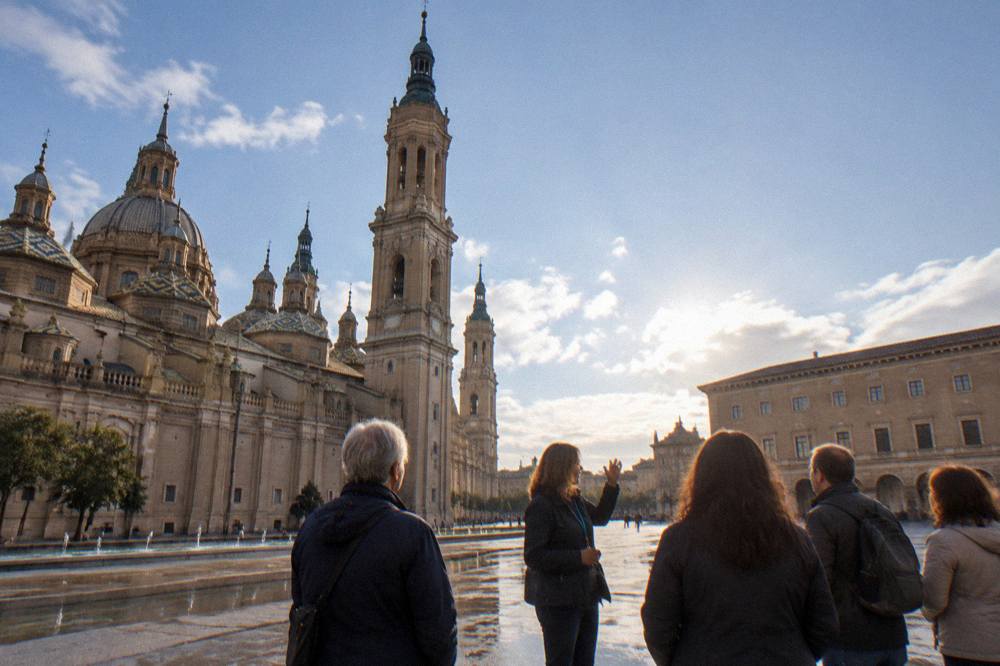
The full range of guided options, from the two-hour private walk to the app-guided walls route and the Four Cultures audio tour, appears below, and each listing carries its own current price and availability. For a Goya-themed day, the private walk is the strongest fit, because a guide can tailor the route towards the churches and quarters the painter knew.
A final planning note ties the whole day together. The Museo Goya reopens on 9 October 2026, and the weeks around that reopening, with the Fiestas del Pilar running 10 to 18 October, are the most eventful window of the Zaragoza year. A Goya day in that fortnight means a city in festival dress, a museum in its first weeks, and a village in the autumn light of the plains. Any other week of the year, the same itinerary runs quieter, and the plains south of Zaragoza, the plains that produced the painter, are the same in every season. This is the day trip that Zaragoza Travel Guide recommends pairing with a museum morning: city first, village after, and the story complete.
Common Questions About Fuendetodos
What is Fuendetodos famous for?
Fuendetodos is famous as the birthplace of Francisco de Goya, the painter and printmaker born in the village. The birthplace house and a collection built around his engravings are the village's main sights, and it is visited as a day trip from Zaragoza.
How far is Fuendetodos from Zaragoza?
Fuendetodos lies south of Zaragoza in the dry plains of the province. No verified distance or driving time is published for the route, so plan it as a short rural drive and check your own route planner before setting out.
Can you visit Goya's birthplace house in Fuendetodos?
Yes, the birthplace house is the village's main sight and is open to visitors. No verified opening hours or admission prices appear in this guide's sources, so check the current notice locally before you go.
Is there a guided tour from Zaragoza to Fuendetodos?
No bookable guided excursion to Fuendetodos appears among the guided options from Zaragoza. The practical choices are a rental car or a private driver, and the Goya theme can be covered with a guided walk in Zaragoza itself.
Where can you see Goya's work in Zaragoza?
The Museo Goya of the Fundación Ibercaja reopens on 9 October 2026, open Tuesday to Saturday 10:00 to 20:00 and Sundays and public holidays 10:00 to 14:00, closed Mondays, with its admission price not yet published. The Museo de Zaragoza's central building is closed for works and should not be on any current itinerary.
When is the best time to visit Fuendetodos?
Spring and autumn, when the plains are neither frozen nor baking. AEMET's 1981 to 2010 normals for the Zaragoza Aeropuerto station show July and August mean maximums of 32.4 C and 31.7 C, against 19.6 C in April and 21.4 C in October.