Calatayud Day Trip From Zaragoza: Mudéjar Towers, Castle Ruins And Garnacha Country
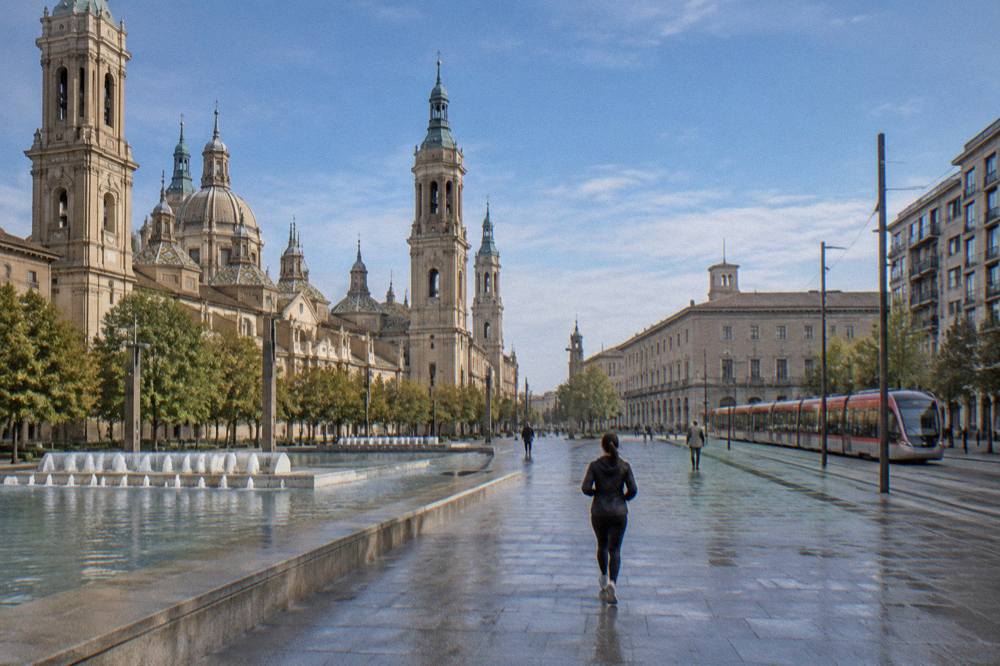
Calatayud is the Mudéjar town of the Jalón valley, reached as a day trip southwest of Zaragoza, the capital of Aragon on the Ebro, and it makes a quiet, unhurried contrast to the big-city monuments of its neighbour.
Short answer
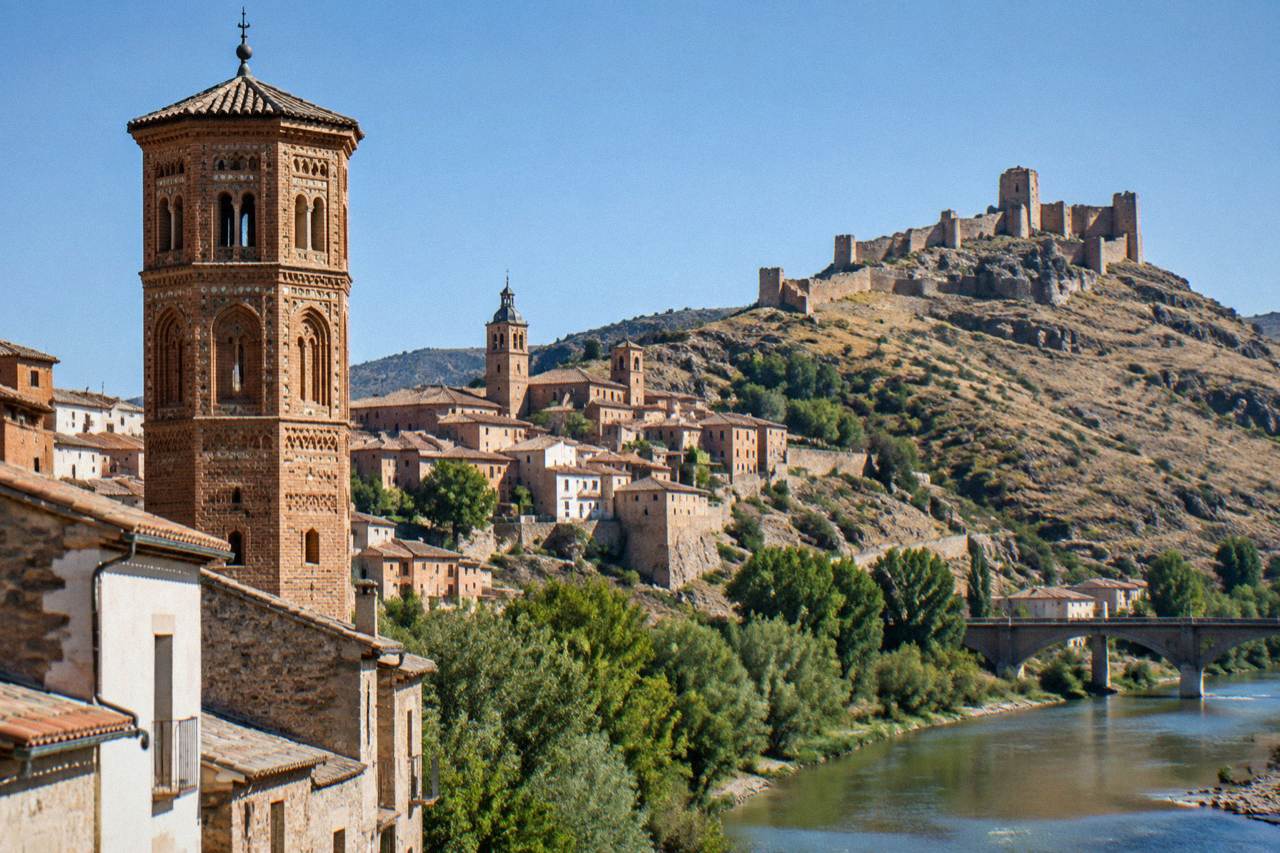
Calatayud is a historic town in the province of Zaragoza, Aragon, lying southwest of the city along the Jalón valley, best known for its Mudéjar church towers, its hilltop castle ruins and the garnacha vineyards of the surrounding wine country. It works as a half-day or full-day trip for travellers based in Zaragoza who want old alleys and wide views without another city's crowds.
Calatayud is a town in the province of Zaragoza, in the Spanish region of Aragon, lying southwest of Zaragoza itself in the valley of the Jalón river. Zaragoza, the regional capital on the Ebro, is the natural base for visiting it: Calatayud is one of the classic inland day trips, a place of Mudéjar brick towers, castle walls on a ridge and a wine country of old garnacha vines that most foreign visitors to Spain never reach.
What Kind Of Town Is Calatayud?
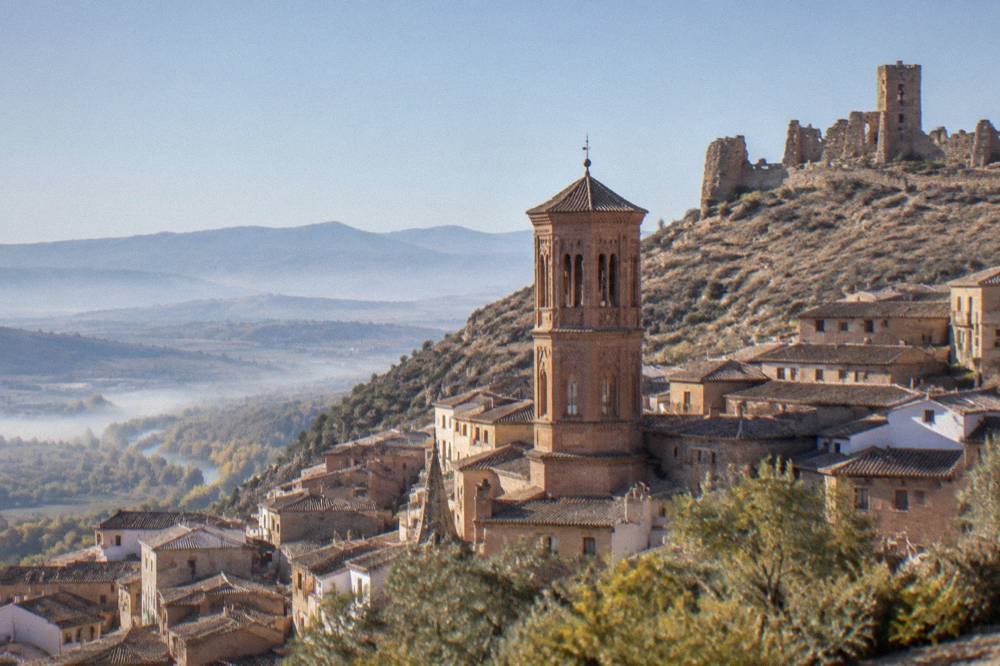
Calatayud is a medium-sized Aragonese market town in the province of Zaragoza, built on a slope below the ruins of a large medieval castle and famous above all for its Mudéjar churches, whose brick towers are the town's defining silhouette. It grew as a frontier and trading settlement in the Middle Ages, with a documented Jewish quarter and a tradition of stonework and ceramics, and today it reads as a working town with a historic core rather than a museum piece.
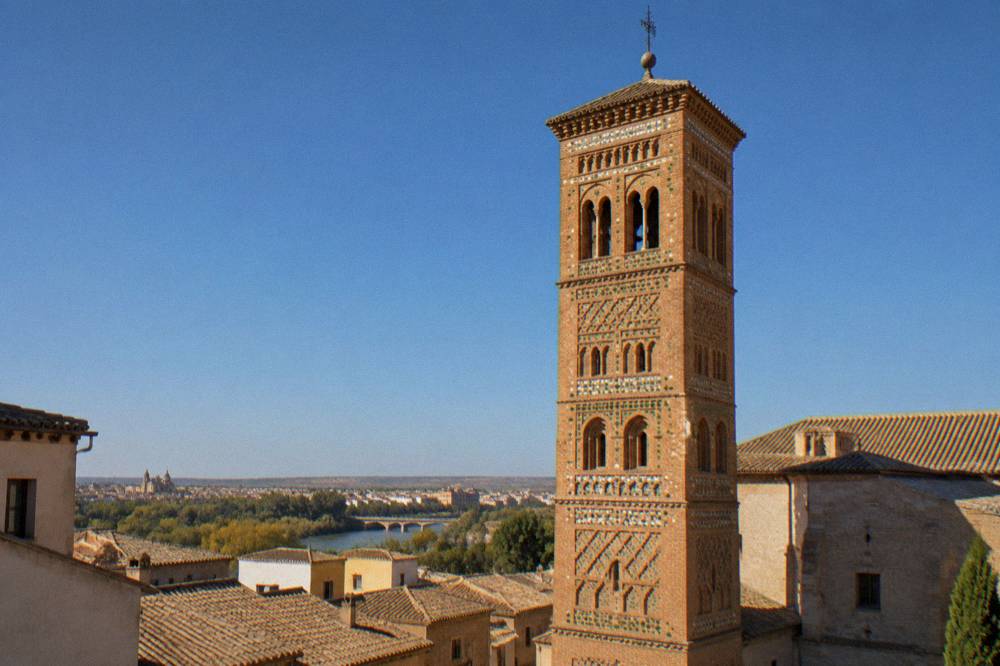
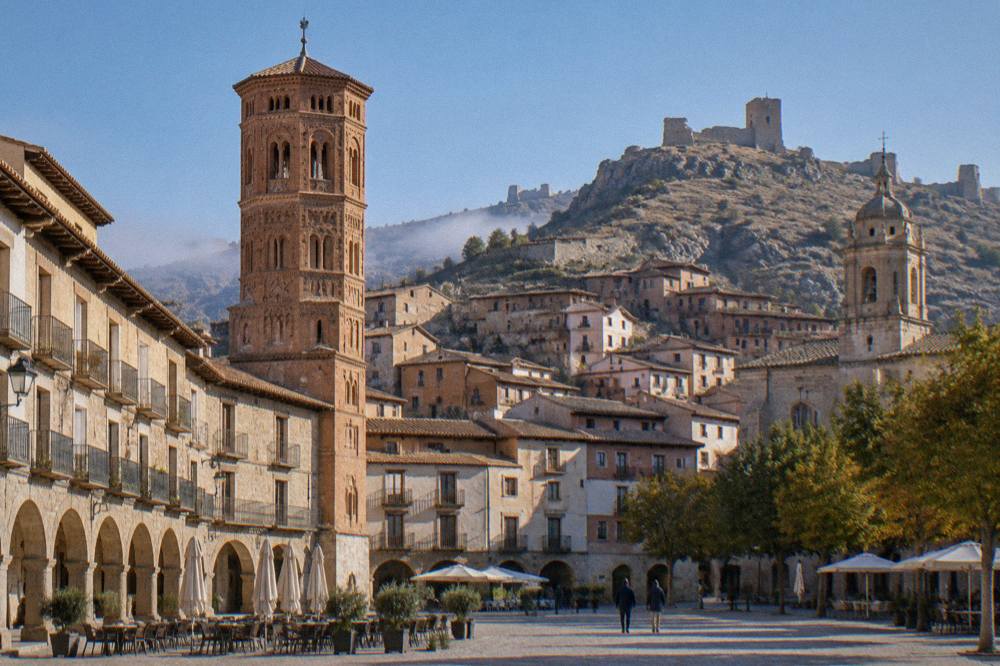
The name itself goes back to the Arabic for "castle of Ayyub", a reminder that this was a fortified frontier position between Muslim and Christian lands. What the visitor notices first, though, is the brick. Aragon's Mudéjar architecture, the work of Muslim craftsmen building for Christian patrons, is the region's signature, and Calatayud holds one of the densest collections of Mudéjar towers anywhere in the province. The collegiate church of Santa María stands at the centre, and the towers rise above a compact old quarter of alleys, arcaded squares and convent walls.
The town is also a wine capital. The Calatayud denomination of origen produces reds built on old garnacha vines grown at altitude, and the vineyards run up the hillsides around the town in every direction. Between the towers and the vines, the place has a slower rhythm than Zaragoza's monumental centre: shops close at midday, the squares empty in the early afternoon, and the light on the brick turns warm before the evening paseo begins. For background on the wider Aragonese tradition, see the site's guide to Mudéjar architecture in Zaragoza.
How Do You Get From Zaragoza To Calatayud?
Calatayud lies to the southwest of Zaragoza, in the direction of Madrid, and the town is reachable from the city by both road and rail, sitting on the main corridor that connects Aragon with the Spanish capital. No specific timetable, fare or journey time for the Zaragoza to Calatayud run is confirmed here, so check the operator's live schedules before you commit to a time. Within Zaragoza itself, the urban bus and tram single fare is 1.70 EUR, or 0.55 EUR with a Tarjeta Bus.
The practical point for a day trip is flexibility. Because Calatayud sits on a national corridor rather than a rural branch, connections in both directions are regular enough that a morning departure and an evening return are realistic, but the exact pattern changes with the season and the day of the week, and the only safe answer is the operator's own timetable page. If you are driving, the route runs out of Zaragoza towards the southwest through the Ebro basin's dry farming country, and the town is signposted throughout.
Getting to your departure point inside Zaragoza is cheap. The 2026 Avanza fare table lists the urban bus and tram single at 1.70 EUR, with the rechargeable Tarjeta Bus bringing any single down to 0.55 EUR, and the card itself costs 7 EUR and works on both bus and tram. Night lines are 1.00 EUR. The city's getting around guide covers the rest of the network.
| Transport in Zaragoza | 2026 fare | Notes |
|---|---|---|
| Bus or tram single | 1.70 EUR | No transfer included |
| Same with Tarjeta Bus | 0.55 EUR | Card costs 7 EUR, valid on bus and tram |
| Night line single | 1.00 EUR | Night services only |
| Tourist bus | 10 EUR | 24 hours, 16 stops, 90-minute loop |
| Airport bus, line 505 | 4.65 EUR single | About 2.25 EUR with a Lazo card |
One planning note for drivers: Zaragoza operates a low-emission zone in the Casco Histórico, active Monday to Friday from 08:00 to 20:00, with sanctions since 12 December 2025. A vehicle without a DGT environmental label cannot enter during those hours, though the city's own FAQ allows a 15-minute grace period if you enter by mistake. Rental cars come labelled, but check the sticker before you drive into the old town to start your trip.
If you would rather not plan the day yourself at all, there are guided day trips out of Zaragoza, though none of the bookable ones currently runs to Calatayud itself. The guided excursions head to the Pyrenees, to Tarazona and Moncayo, to Alquézar and to the wine districts, and the comparison table further down this page sets out what each one costs.
What Should You See In Calatayud In One Day?
The core of a Calatayud day is the old quarter around the collegiate church of Santa María, the Mudéjar towers visible from almost any street, and the walk up to the castle ruins on the ridge above the town, which give the widest view of the roofs, the valley and the hills. Add the old Jewish quarter lanes, a convent pastry stop and the Roman site of Bilbilis outside town, and the day is full without feeling rushed.
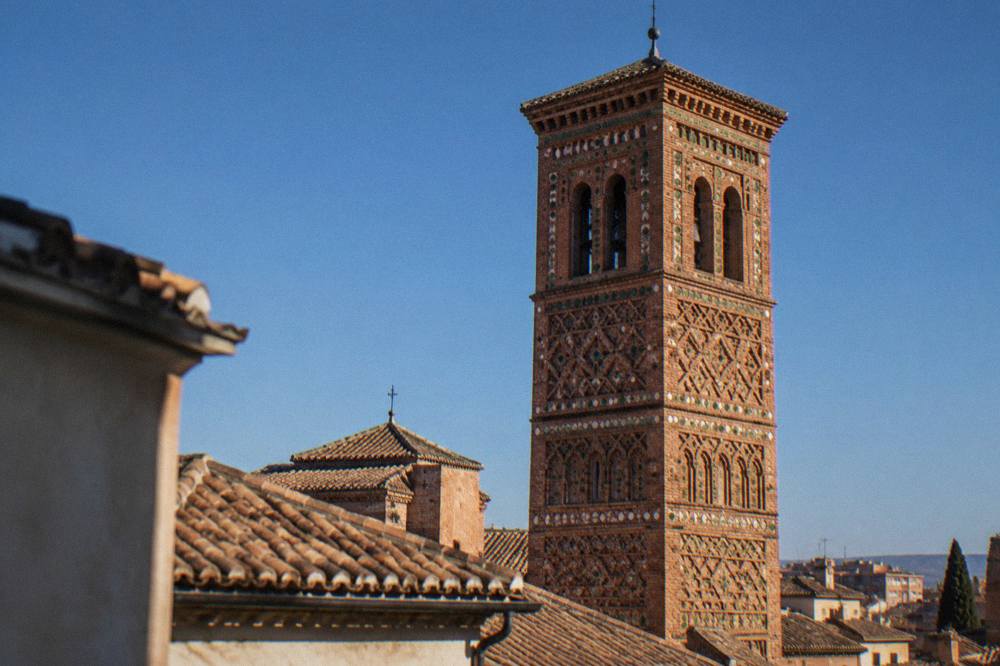
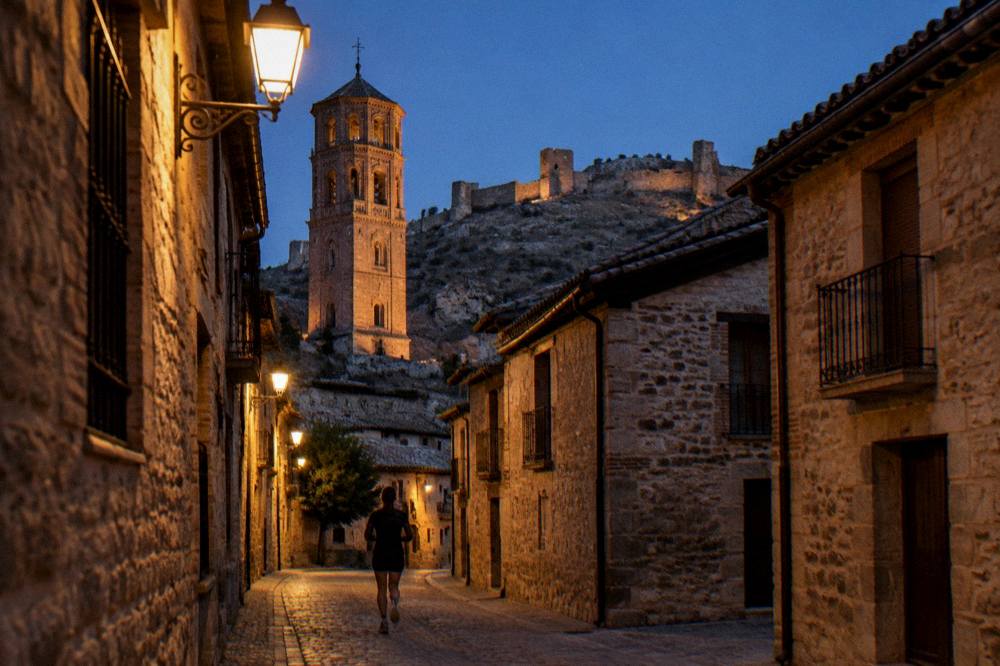
Start in the main square, the Plaza de España, an arcaded space that works as the town's living room. From there the old quarter spreads uphill in lanes of stone and brick, and the collegiate church of Santa María, with its great Mudéjar tower, anchors the centre. Santa María is the town's principal monument, and its tower is the one most photographed, patterned brick laid in geometric bands with ceramic inlays catching the light.
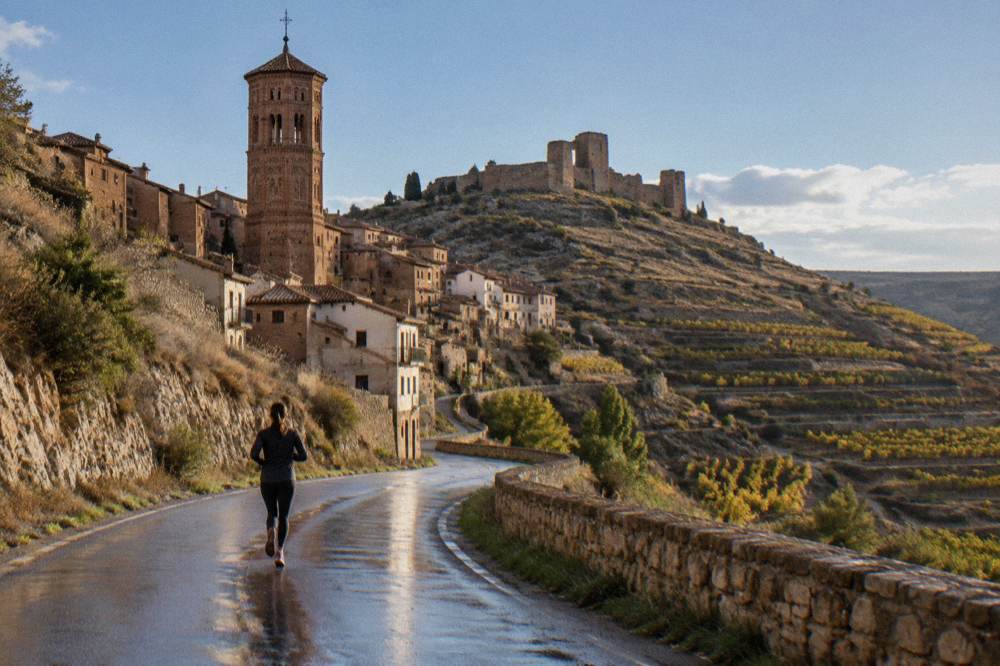
The castle, the Castillo de Ayud, is less a building than a landscape. Long stretches of wall and the bases of towers run along the ridge, and the climb is rewarded with the whole town below and the Jalón valley opening beyond. Go in the morning or late afternoon in summer, because the ridge has no shade and Aragon's summer heat is real. The town's other churches, several of them with their own Mudéjar towers, are scattered through the streets below, so a walk between them doubles as a tour of the old quarters.
Bilbilis, the Roman town outside Calatayud, is the wildcard. It was the home city of the poet Martial, who wrote about its cold winters and its gold, and the excavated remains include a theatre cut into the hillside. Access and opening arrangements vary by season, so check locally before making it the centrepiece of your day. The town's tourist information point is the place to confirm what is open, since no opening hours for Calatayud's monuments are confirmed here.
What About The Wine Country Around Calatayud?
The Calatayud denomination of origen surrounds the town with vineyards, and its signature wine is garnacha from old, high-altitude vines, typically rich and mineral rather than sweet, with a growing reputation among Spanish reds. A wine stop is the natural afternoon half of a Calatayud day, either at a cellar in the surrounding villages or over a long lunch in town, and the region is close enough to Zaragoza that a tasting afternoon is realistic without an overnight.
The vineyards climb the hills on all sides of the town, some of them on slate soils at altitude, which is where the garnacha gets its concentration. Bodega visits in the area generally need arranging ahead, and the pattern of which cellars take walk-ins changes through the year, so the practical move is to book a morning in the town and an afternoon tasting before you leave Zaragoza. If a structured wine day appeals more than a self-driven one, the guided wine excursions from Zaragoza run to the Somontano district and to wineries in the countryside around the city, and the Cariñena wine region is another Aragonese wine country day trip in a different direction.
None of these goes to Calatayud's denomination specifically, but they show the shape of the market: a guided wine day from Zaragoza is a full-day, driver-included affair, not a cheap add-on. The wider set of guides lives on Zaragoza Travel Guide.
How Does A Calatayud Day Compare With Other Day Trips From Zaragoza?
Calatayud is the quiet, cultural option among Zaragoza's day trips: less dramatic than the Pyrenees excursions to Ordesa or Canfranc, less haunting than Belchite's Civil War ruins, and less storybook than Albarracín, but easier to combine with wine and closer to the rhythm of ordinary Aragonese life. If you have already seen Zaragoza's big three, the Basílica del Pilar, La Seo and the Aljafería, Calatayud is the trip for towers, views and garnacha rather than for spectacle.
The comparison matters because Zaragoza is unusually rich in day trips. To the north lie the Pyrenees options, including the Ordesa National Park and the Canfranc Station run towards the French border, and the Moncayo Natural Park and Tarazona sit to the west. To the southeast, Daroca is another walled Mudéjar town, Teruel is the region's second Mudéjar capital, and Albarracín is the famous red-walled village. Calatayud's own selling point is that it is a genuine lived-in town with a castle view and a wine district, not a village staged for visitors.
For guided comparison, the guided day trips from Zaragoza, with their from-prices and durations, look like this:
| Guided day trip from Zaragoza | Kind | From price | Duration |
|---|---|---|---|
| Ordesa, Aínsa and Sorrosal waterfall | Pyrenees | $66.40 per person | 11 hours |
| Canfranc, Jaca and Sallent de Gállego | Pyrenees | $66.40 per person | 11 hours |
| Olive oil tour and Belchite old town | Food, day trip | $106.92 per person | 5 hours |
| Cursed town of Trasmoz with food | Tarazona and Moncayo | $209.33 per person | 7 hours |
| Half-day winery tour | Wine, day trip | $166.28 per person | Half day |
| Full-day Somontano wine and Alquézar | Wine, day trip | $280.95 per person | Full day |
None of these runs to Calatayud, which tells you something honest: the town is a self-guided destination. That suits independent travellers and anyone with a rental car, and it keeps costs low, since the only fixed outlays are transport and lunch.
When Is The Best Time Of Year For A Calatayud Day Trip?
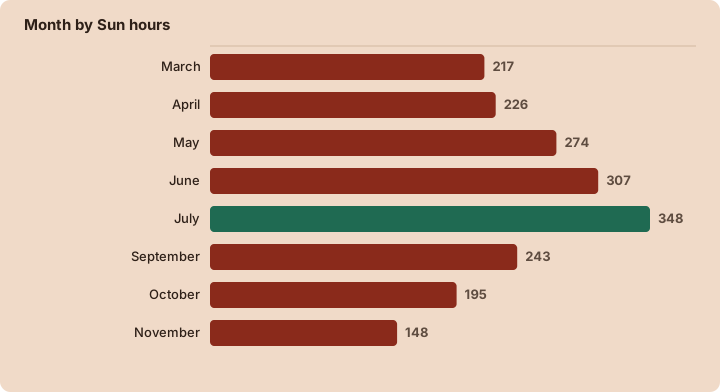
Spring and autumn are the best seasons for Calatayud, because the town's streets and the castle ridge are walked in the open and Aragon's summer heat is punishing in both. AEMET's 1981 to 2010 normals for the Zaragoza Aeropuerto station show July as the hottest month with a mean maximum of 32.4 C and May as the wettest at 44 mm, so April, May, October and the fringes of September combine comfortable temperatures with long light.
The climate data for the region, from the Zaragoza Aeropuerto station's 1981 to 2010 series, the only window the station publishes, gives the shape of the year:
| Month | Mean max C | Mean C | Rain mm | Sun hours |
|---|---|---|---|---|
| March | 17.3 | 11.6 | 19 | 217 |
| April | 19.6 | 13.8 | 39 | 226 |
| May | 24.1 | 18.0 | 44 | 274 |
| June | 29.3 | 22.6 | 26 | 307 |
| July | 32.4 | 25.3 | 17 | 348 |
| September | 27.1 | 21.2 | 30 | 243 |
| October | 21.4 | 16.2 | 36 | 195 |
| November | 14.8 | 10.6 | 30 | 148 |
Two things follow from that table. First, the castle climb in July or August is an early-morning job, with a mean maximum of 32.4 C in July and barely 17 mm of rain across the whole month, so carry water and go before the heat builds. Second, October, which brings a mean maximum of 21.4 C and 36 mm of rain, is a fine month for the trip, and if your dates fall between 10 and 18 October you will be in Zaragoza for the Fiestas del Pilar, the city's great festival, with the Ofrenda de Flores on 12 October, which makes a Calatayud escape a good counterweight to the crowds in the capital.
What Should A One-Day Plan For Calatayud Look Like?
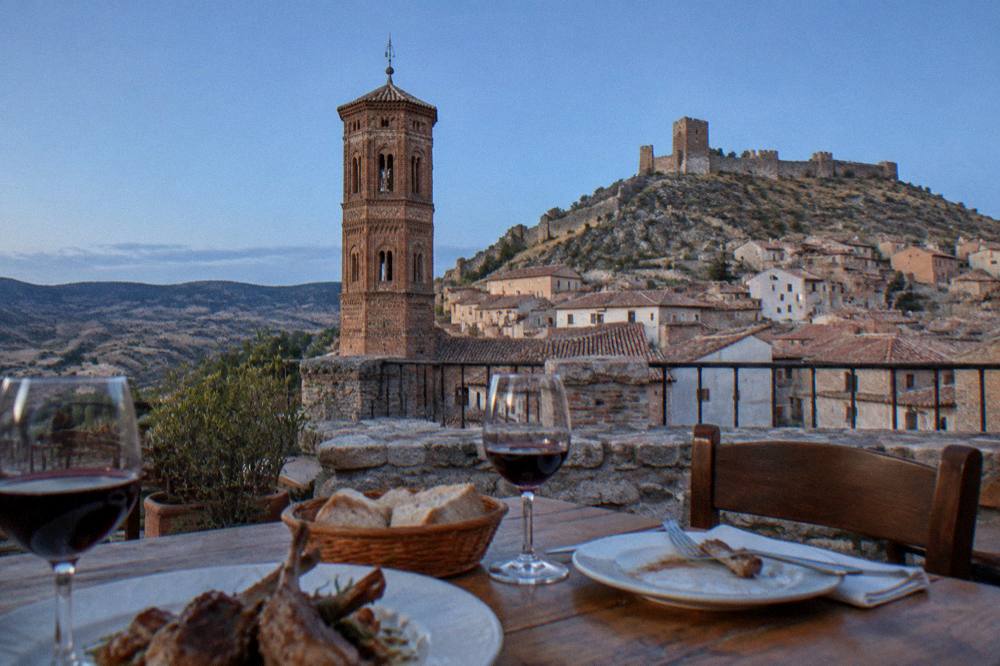
A good Calatayud day runs old quarter in the morning, castle at midday before the heat, a long lunch with Calatayud garnacha, and either a bodega visit or a slow afternoon in the squares, finishing with the evening light on the Mudéjar towers before returning to Zaragoza. The town is compact enough that everything on foot fits between breakfast and an evening return, and the only fixed decision is whether to include a winery, which needs booking ahead.
The order matters less than the pacing. The castle ridge is best before the sun is high, and the collegiate church and the tower lanes are pleasant at any hour. Lunch in Aragon is a serious midday affair, and Calatayud's restaurants serve the region's staples, lamb dishes in the ternasco tradition, migas and vegetables from the market gardens, so treat the meal as the centrepiece of the afternoon rather than an interruption. The site's Zaragoza food guide covers what to expect on Aragonese plates before you order.
If you are combining the trip with sightseeing in Zaragoza on the same or the previous day, the entry prices for the city's big monuments are worth knowing in advance:
| Zaragoza monument | General entry | Notes |
|---|---|---|
| Basílica del Pilar, temple | Free | Tower viewpoint 6 EUR adult |
| La Seo cathedral | 10 EUR | Includes Museo de Tapices |
| Aljafería palace | 7 EUR | 9 EUR with guided tour |
| Caesaraugusta four-museum bono | 7 EUR | 5 EUR reduced |
| Acuario de Zaragoza | 20 EUR | Child 4 to 14, 14 EUR |
One caution from the standing facts: the Museo de Zaragoza's central building is closed for Ministry of Culture works with no reopening date, so do not plan it into a Zaragoza morning. The Museo Goya, by contrast, reopens on 9 October 2026 after renovation, open Tuesday to Saturday 10:00 to 20:00 and Sunday 10:00 to 14:00, closed Mondays, with its admission price not yet published.
Can You Combine Calatayud With Other Destinations?
Calatayud combines naturally with the wine villages of its own denomination and with the Roman site of Bilbilis, and it can sit alongside the Moncayo and Tarazona country to the west as a two-day southwest loop, but it does not pair well with the Pyrenees destinations, which lie in the opposite direction and demand a full day each. The honest advice is to keep Calatayud as its own day and resist combining it with anything that needs more than an hour of driving in either direction.
The southwest quarter of Aragon is the least touristed part of the region's day-trip map, and that is its charm. Sos del Rey Católico, the stone town where King Ferdinand was born, lies further north in that same western country, while Tarazona and the Moncayo massif give a cathedral town and a mountain in one direction. Calatayud's own hinterland, the Jalón valley's vineyards and the hill villages around it, is quiet enough that a day there feels like a different region from Zaragoza's monumental centre, which is exactly the point of going.
It is a different flavour of day from Calatayud's churches and vineyards, but it shares the same broad direction, and the listing rates it 4.7 from 6 reviews.
What Does A Calatayud Day Trip Cost?
The direct costs of a Calatayud day are low and mostly controllable: transport from Zaragoza at whatever the operator's current fare is, lunch as your biggest single item, and little else, because the old quarter, the castle ridge and the church towers cost nothing to walk, and no entry prices for Calatayud's own monuments are confirmed here. Budget the day around food and wine rather than tickets, and check any bodega or museum price locally before you go.
What can be stated with figures is the Zaragoza end of the trip, and the transport table earlier in this page covers it: 1.70 EUR per urban single, 0.55 EUR with the Tarjeta Bus, and the tourist bus at 10 EUR for 24 hours if you want a hop-on circuit of the capital on your return. Beyond that, the honest position is that Calatayud is a cheap day out. There is no tourist tax in Aragon, the regional government having explicitly ruled one out, and the town's pleasures, walking, looking and eating, are priced like everyday Aragon rather than like a resort.
A self-guided Calatayud day sits below all of them once you have paid your transport, which is the trade: you save money and give up the guide, the driver and the guaranteed seat.
Is Calatayud Worth The Trip From Zaragoza?
Calatayud is worth the trip for travellers who want a second Mudéjar experience after Zaragoza's own monuments, a castle view without an entry queue, and a taste of an Aragonese wine region that international tourism has barely touched, and it is skippable for anyone who needs a single big spectacle, because the town's pleasures are cumulative rather than instant. Give it a full day with a long lunch and it rewards, squeeze it into two hours and it will not.
That is the honest case. The site's own one day in Zaragoza itinerary shows how much the capital itself holds, and Calatayud is not a rival to the Basílica del Pilar or the Aljafería. What it offers is depth: the same Mudéjar craft in a quieter key, a wine country you can taste without a tour bus, and the sense, rare on Spain's tourist trail, of a town going about its business. For the independent traveller with a free day in Aragon, that combination earns the journey, and for everyone else, the guided excursions to the mountains and the wine districts remain the comfortable alternative, with the featured Ordesa and Aínsa excursion from $66.40 per person a strong pick among them.
Common Questions About Calatayud
How far is Calatayud from Zaragoza?
Calatayud lies to the southwest of Zaragoza, in the direction of Madrid, but no verified distance or journey time is stated here, so check the operator's live timetable or a mapping service for the current figures before you plan your day.
What is Calatayud famous for?
Calatayud is famous for its Mudéjar church towers, above all the tower of the collegiate church of Santa María, for the castle ruins on the ridge above the town, and for the garnacha wines of the Calatayud denomination of origen that surrounds it.
Is there a guided tour from Zaragoza to Calatayud?
No. The bookable day trips from Zaragoza run to the Pyrenees, to Tarazona and Moncayo, to Alquézar and to wine districts, and none currently goes to Calatayud, so the town is a self-guided destination reached independently.
What is the best time of year to visit Calatayud?
Spring and autumn. AEMET's 1981 to 2010 normals for the Zaragoza Aeropuerto station show July with a mean maximum of 32.4 C, which makes the unshaded castle ridge hard going in midsummer, while April and October sit at 19.6 C and 21.4 C mean maximums respectively.
Can you visit the Roman site of Bilbilis from Calatayud?
Yes, Bilbilis lies a short drive outside the town, with excavated remains including a hillside theatre, but its opening arrangements vary by season, so confirm locally at the town's tourist information point before making it the centrepiece of your day.
Calatayud will never top a list of Spain's headline destinations, and that is precisely its value: a Mudéjar town, a castle ridge and garnacha country within a day's reach of Zaragoza, Aragon's capital on the Ebro, and a reminder of how much inland Spain rewards the traveller who takes one more day trip than the itinerary demanded.