Pyrenees Day Trip From Zaragoza
Zaragoza sits on the Ebro in the middle of Aragon, and the high Pyrenees of the province lie within reach of a single long day out. This page sets out the guided excursions that run there, what each one covers, and how to plan the journey.
Short answer
Yes. Guided day excursions from Zaragoza reach the Aragonese Pyrenees, including Canfranc, Jaca, Sallent de Gállego, Aínsa and the Ordesa valley, in roughly 11-hour round trips from the city, with prices from about $66.40 per person.
Zaragoza, the capital of Aragon in north-eastern Spain, sits inland on the Ebro, and the same province that gives the city its dry, continental climate also stretches north to some of the highest ground in the Pyrenees. A day trip from Zaragoza to the mountains is therefore a trip within a single province: no border, no region change, just a long ride north from the plain into the high valleys of Huesca's peaks.
Can You Do A Day Trip From Zaragoza To The Pyrenees?
Yes, and the practical way to do it is a guided excursion, because the Aragonese Pyrenees lie far enough north that a self-drive or public-transport round trip consumes most of the day in transit. Three bookable excursions run from Zaragoza to the high valleys: an 11-hour trip to Canfranc, Jaca and Sallent de Gállego from $66.40 per person, an 11-hour Ordesa, Aínsa and Torla sightseeing tour at the same starting price, and a second Canfranc, Jaca and Sallent tour from $67.66.
All three are day trips, not city walks, and all three start in Zaragoza.
The geography explains the format. Zaragoza lies on the dry Ebro plain, where AEMET's 1981 to 2010 normals for the Zaragoza Aeropuerto station show a yearly average of just 322 mm of rain and about 2,693 hours of sun. Drive north through Huesca's province and the land climbs steadily into the Atlantic-facing valleys of the high Pyrenees, a different climate and a different landscape entirely. The excursions bundle the travel, the guide and the stops into one ticket so that the mountains, not the motorway, fill the day.
The three guided options differ mainly in which valley they favour. One pair of tours covers the western gate of the range: the railway town of Canfranc, the historic city of Jaca and the village of Sallent de Gállego in the Tena valley. The other covers the eastern side: the medieval town of Aínsa, the gateway village of Torla and the Sorrosal waterfall, with the Ordesa valley as the objective. A traveller who wants the famous mountain scenery picks Ordesa; a traveller who wants railway history and two towns picks Canfranc and Jaca.
The comparison below holds the numbers that matter when choosing. Prices and ratings come from each operator's live listing, and durations are as the listings state them.
| Excursion | Decision name | Duration | From (per person) | Rating |
|---|---|---|---|---|
| Canfranc, Jaca and Sallent de Gállego from Zaragoza | 11-Hour Canfranc and Jaca Excursion | 11 hours | $66.40 | 4.7 from 10 reviews |
| Ordesa, Aínsa, Torla and Sorrosal waterfall | 11-Hour Ordesa, Aínsa Day Trip | 11 hours | $66.40 | 5 from 3 reviews |
| Canfranc, Jaca and Sallent de Gállego tour | Canfranc, Jaca and Sallent Tour | Full day | $67.66 | 5 from 2 reviews |
What Do You See In Canfranc, Jaca And Sallent De Gállego?
The excursion pairs two towns with one mountain village: Canfranc, the border railway town whose grand international station is one of the most photographed buildings in the Pyrenees; Jaca, the ancient capital of Aragon with its Romanesque cathedral and citadel; and Sallent de Gállego, a stone village in the Tena valley under high peaks. The tour runs 11 hours, is rated 4.7 from 10 reviews, and costs from $66.40 per person. It starts in Zaragoza and returns there the same evening.
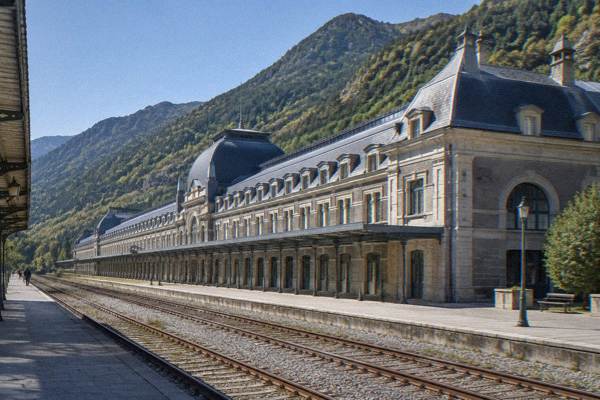
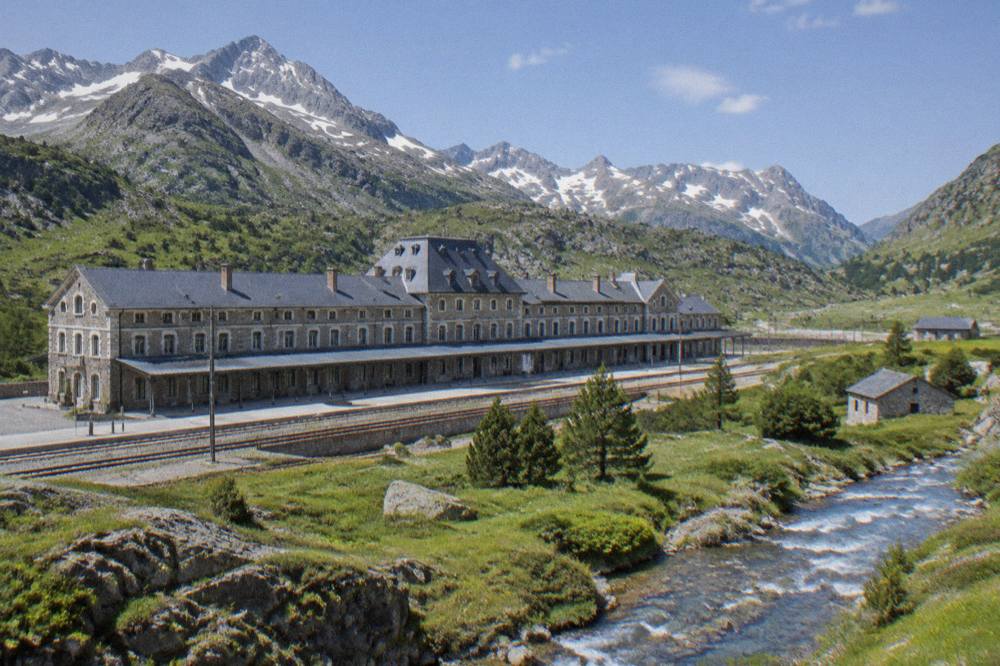
Canfranc's station is the stop most visitors come for. The huge French-Spanish railway terminus, built to carry trains under the Pyrenees, has spent decades as a monument to an interrupted international line, and its restoration has turned it into one of the range's signature sights. The town around it is small, and the walk from the village to the station building is the whole visit: a look at the façade, the platform shed and the mountain wall behind it.
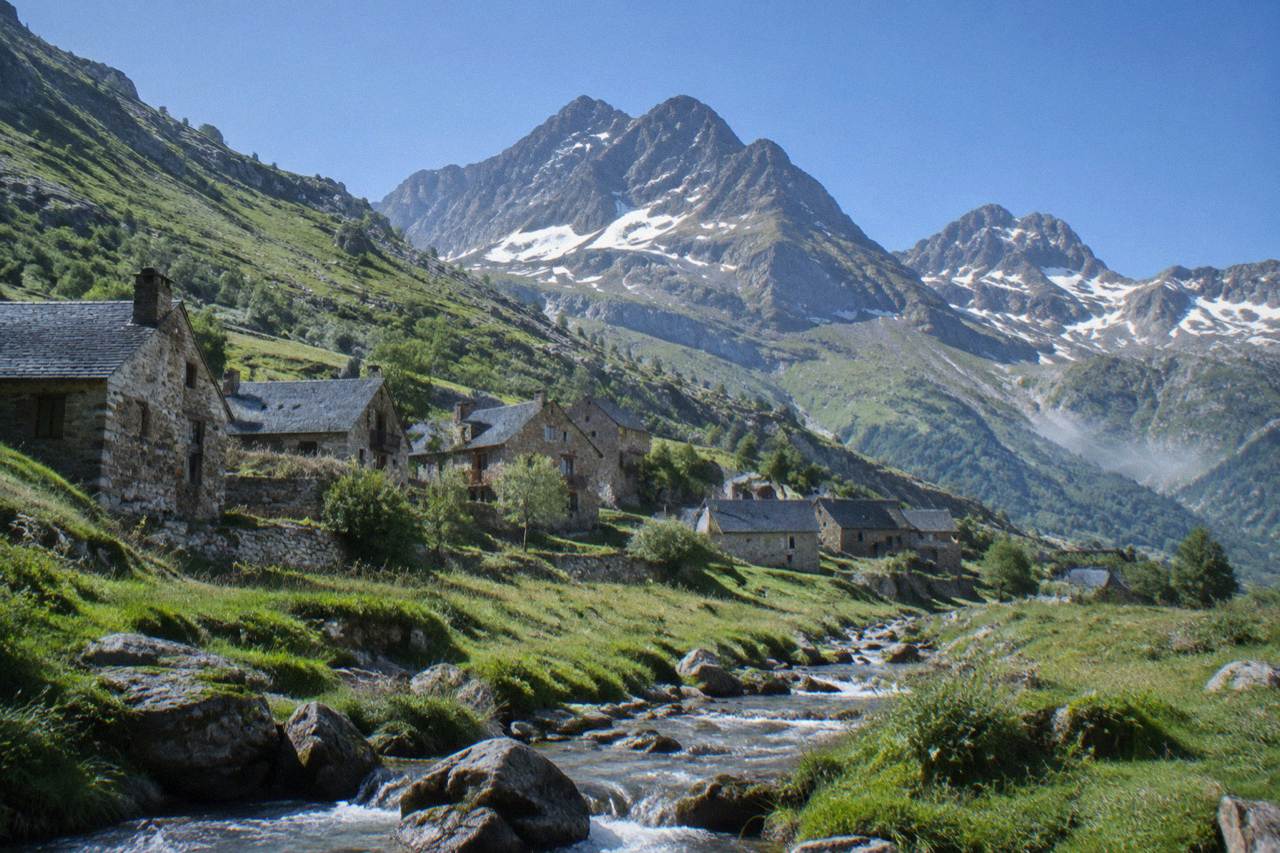
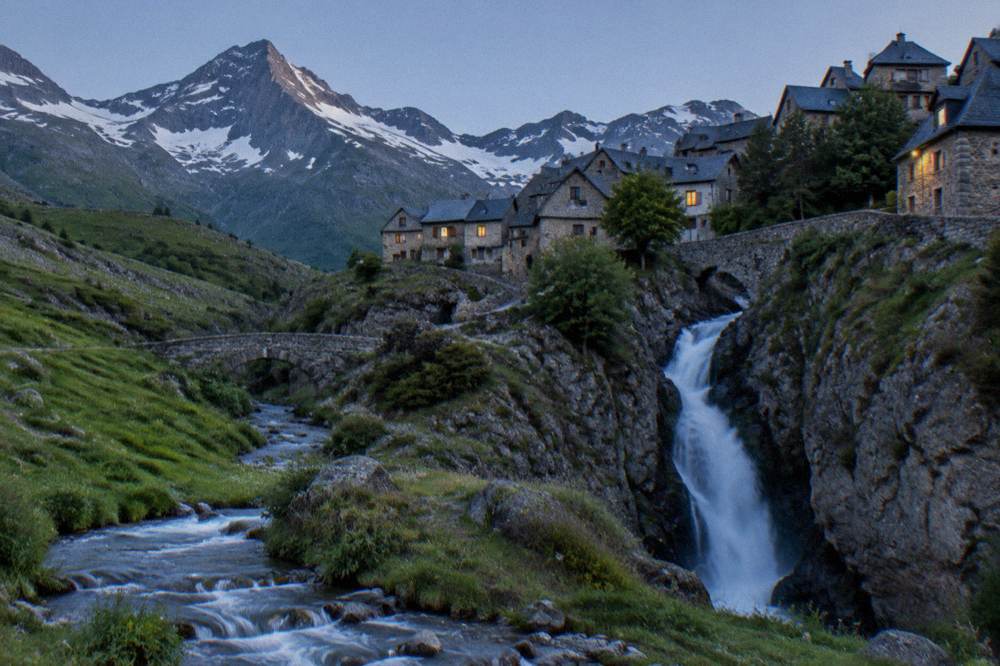
Jaca is the opposite: a working town with a long history. It claims one of the oldest Romanesque cathedrals in Spain, and its citadel, a star-shaped fortification, still stands in the middle of the town. Sallent de Gállego, the third stop, sits in the Tena valley with the Lanuza reservoir below it and the peaks of the Alto Gállego above, and it is the stop that delivers the high-mountain scenery the day promises.
The Canfranc, Jaca and Sallent de Gállego excursion is the featured option on this page, and it suits a first Pyrenees day out from Zaragoza well: two towns with real sights, one high valley, and no hiking boots required. Check availability for the date you want before you fix the rest of a trip around it, because the days that suit a Zaragoza itinerary fill first.
Each stop makes a different kind of visit, and the table below separates them so you can tell whether the day matches your interests.
| Stop | What it is | What the visit amounts to |
|---|---|---|
| Canfranc | Border railway town, grand international station | Short walk, photographs, the station building and its setting |
| Jaca | Historic town, Romanesque cathedral, citadel | A town stop with cafés, squares and two monuments |
| Sallent de Gállego | Stone village in the Tena valley | Mountain scenery, the Lanuza reservoir and village streets |
If the Canfranc side of the range is the one that appeals, the site's pages on Canfranc station and on Jaca go deeper into each place than a one-day excursion can.
What Does The Ordesa And Aínsa Day Trip Include?
The Ordesa excursion heads for the eastern valleys instead: Aínsa, the medieval hill town whose stone plaza is the heart of the Sobrarbe region; Torla, the gateway village to the Ordesa valley; and the Sorrosal waterfall, which drops beside the village of Broto. The tour runs 11 hours, costs from $66.40 per person and is rated 5 from 3 reviews on its listing. Like the Canfranc trip, it starts and ends in Zaragoza in a single day.
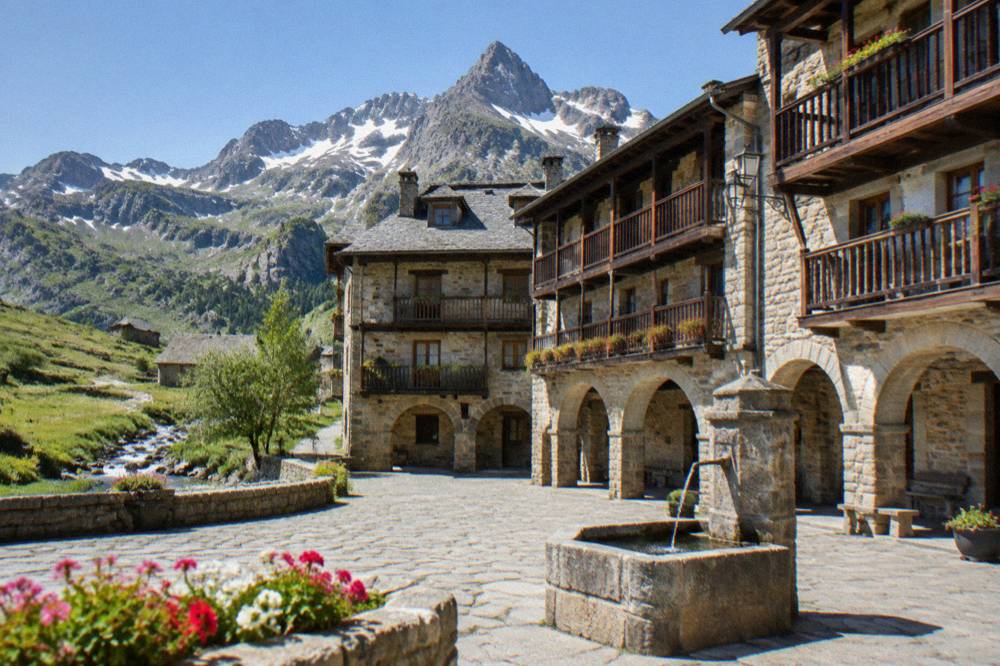
Aínsa is the stop that gives this tour its character. The old town sits on a hill above the confluence of the Cinca and Ara rivers, and its arcaded main square is one of the most intact medieval plazas in the Pyrenees. Torla, further north, is the village that guards the entrance to the Ordesa valley, and from its streets the massif of the Monte Perdido range is visible on clear days. The Sorrosal waterfall, a thin tall drop in a rock gorge, is a short stop that adds a natural sight to a day otherwise built on towns.
The Ordesa valley itself is the reason most people know this corner of Aragon. The valley is the heart of the national park that protects it, its glacial canyon walls rising around grassy floors that fill with flowers in early summer. A sightseeing day from Zaragoza reaches the valley's edge and the viewpoints around Torla rather than the deep interior, which is a full hike of its own; travellers who want to walk inside the canyon should read the site's Ordesa National Park page and plan an overnight rather than a day return.
When Is The Best Time Of Year For A Pyrenees Day Trip From Zaragoza?
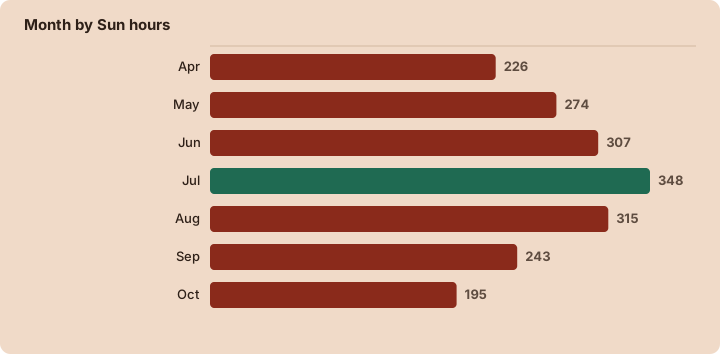
The excursion season runs roughly from late spring to early autumn, and the two best windows are June and September: June because the high valleys are green and the waterfalls are at their fullest, September because the summer crowds thin while the weather in the mountains usually holds. Zaragoza itself is hottest in July, with a 1981 to 2010 mean maximum of 32.4 C at the airport station, which makes a mountain day an escape from the plain as much as a sightseeing trip.
The climate data below is AEMET's 1981 to 2010 normals for the Zaragoza Aeropuerto station, the only window the station publishes, and it describes the city you leave from, not the mountains you arrive in. The Pyrenees are cooler and wetter than every figure here, but the numbers still matter: they tell you what the plain will feel like when you board in the morning and return in the evening.
| Month | Mean max C in Zaragoza | Mean min C in Zaragoza | Rain mm | Sun hours |
|---|---|---|---|---|
| Apr | 19.6 | 7.9 | 39 | 226 |
| May | 24.1 | 11.8 | 44 | 274 |
| Jun | 29.3 | 15.8 | 26 | 307 |
| Jul | 32.4 | 18.3 | 17 | 348 |
| Aug | 31.7 | 18.3 | 17 | 315 |
| Sep | 27.1 | 15.2 | 30 | 243 |
| Oct | 21.4 | 11.0 | 36 | 195 |
Two notes of caution come with the table. May, not a winter month, is the wettest month in the 1981 to 2010 series at 44 mm, and July and August are the driest at 17 mm each, so the plain's rain does not follow the pattern a visitor might expect. And the mountains keep their own calendar: high passes hold snow well into June, and the excursion listings, not a city climate table, are the place to check whether a given route is running on a given date.
October deserves a special mention for one reason: the Fiestas del Pilar. The city's festival runs from 10 to 18 October 2026, with the Ofrenda de Flores on 12 October, and Zaragoza is at its busiest and loudest in that week. A mountain day in the middle of the festival is a legitimate way to breathe, but book the excursion and any hotel well ahead.
How Much Does A Pyrenees Day Trip From Zaragoza Cost?
The guided excursions start at $66.40 per person for either the Canfranc, Jaca and Sallent trip or the Ordesa, Aínsa and Torla trip, with the second Canfranc tour at $67.66 from price. The day's other costs are food, any coffee stops and anything you buy in the villages. There is no tourist tax in Aragon to budget for, and no entry fee is charged for the villages, plazas and viewpoints the tours stop at.
The table below sets out the tour prices as the listings state them, alongside the other spending lines a day in the mountains actually involves. Meal costs are planning ranges, not operator promises: check the menu before you sit down, because mountain towns price for tourists in high season. The rest of the planning pages sit on Zaragoza Travel Guide.
| Cost line | Planning figure | Notes |
|---|---|---|
| Canfranc, Jaca and Sallent excursion | From $66.40 per person | 11 hours, rated 4.7 from 10 reviews |
| Ordesa, Aínsa and Torla excursion | From $66.40 per person | 11 hours, rated 5 from 3 reviews |
| Second Canfranc, Jaca and Sallent tour | From $67.66 per person | Rated 5 from 2 reviews |
| Lunch in Jaca, Aínsa or Torla | Usually a set menu or menú del día in mountain towns | Check the board before ordering |
| Tourist tax | None | Aragon ruled one out in September 2026 |
| Village entry fees | None | Plazas, streets and viewpoints are public spaces |
One way to keep the total down is to treat the excursion as the day's only paid activity and eat the way the tours usually allow: a stop in one of the towns, not a restaurant splurge at every halt. Another is to compare the two Canfranc tours directly, since they cover the same three places at slightly different listed prices and ratings; the operator's live listing for each shows what is included, such as transport, guide and any refreshment, and that difference is often worth more than a dollar or two on the headline price.
What Should You Pack For A Pyrenees Day Trip From Zaragoza?
Pack for two climates in one day: the day starts in Zaragoza, where July's 1981 to 2010 mean maximum is 32.4 C, and ends in a high valley that can be ten degrees cooler with wind and a shower. Layers are the whole answer, a light rain jacket is the single most useful item, and solid shoes matter more than hiking boots for a sightseeing tour that walks cobbles and village streets rather than trails. Sunscreen and water cover the plain-side hours of the ride.
The mountains make their own weather, and the difference between the Ebro plain and the Tena or Ordesa valleys is the difference the packing list has to bridge. The table below matches items to the part of the day that needs them.
| Item | Why it earns its place |
|---|---|
| Light rain jacket | Mountain showers arrive fast, and the 1981 to 2010 series shows rain in every month |
| Layered top half | Zaragoza heat on the plain, cool air in the high valleys |
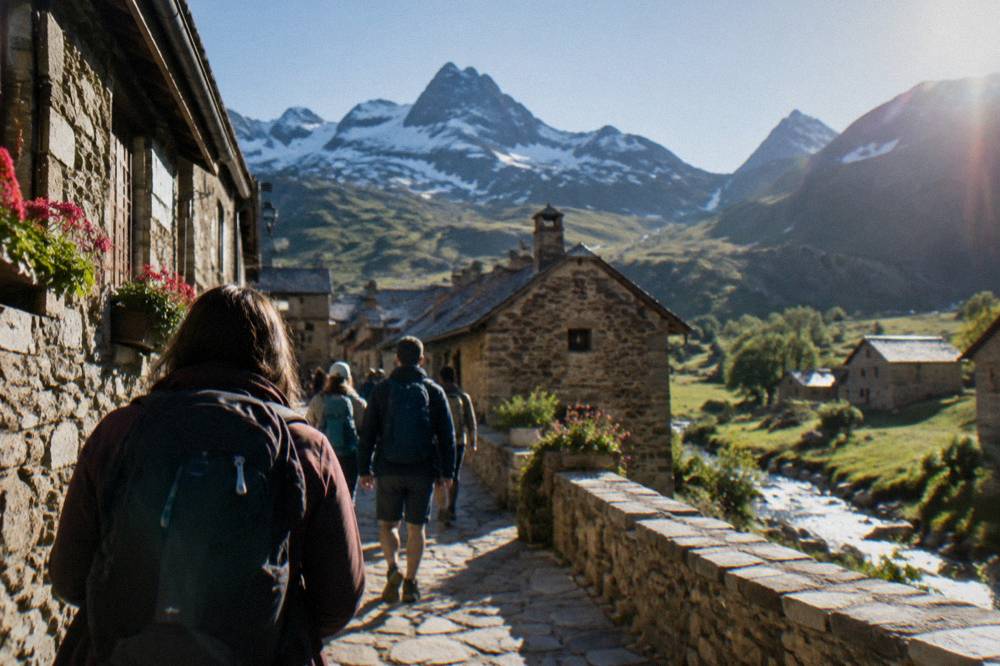
| Comfortable walking shoes | Cobbles in Jaca and Aínsa, village slopes in Sallent and Torla |
| Sunscreen and sunglasses | 348 hours of sun in a July in Zaragoza, glare at altitude |
| Water bottle | Long transfers, dry continental air on the plain |
| Small day bag | Layers come off as the day warms up |
A note on the sun figure: 348 hours is the July 1981 to 2010 average at the Zaragoza Aeropuerto station, the sunniest month of the series, and it describes the plain. The high valleys see more cloud and more rain than any of these figures, which is exactly why the jacket goes in the bag even on a day that begins under a hot Zaragoza sky.
Can You Do The Pyrenees From Zaragoza Without A Guided Tour?
Yes, but it is a self-drive or a train-and-bus project rather than a casual outing, and no verified timetable or fare for the mountain legs exists to publish here. Driving gives full control of the route and the stops; the train reaches Canfranc station itself from Zaragoza-Delicias. The trade-off in every case is time, because the valleys are far enough north that the journey is the biggest part of the day. Check Renfe for live times and fares before committing.
The honest comparison is between three ways of doing the day, and the table below keeps to what can be said without inventing a timetable.
| Way of doing it | Strengths | Drawbacks |
|---|---|---|
| Guided excursion | Travel, guide and stops handled in one booking | Fixed itinerary, set departure |
| Own car | Choose your own stops and timings | Long mountain drive both ways, parking in villages |
| Train to Canfranc | The railway is itself the sight | Connections beyond Canfranc need checking on Renfe |
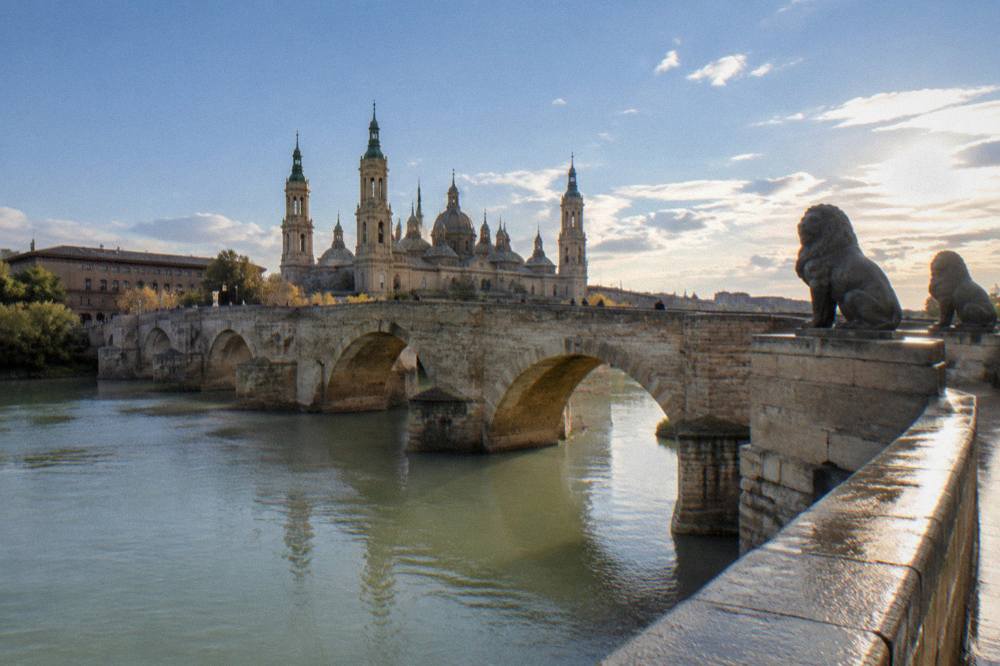
For travellers combining the Pyrenees with time in the city, the two are not in competition. A Zaragoza base works because the city's own sights, the Basílica del Pilar, La Seo and the Aljafería, fill a day on their own, and the site's one-day Zaragoza itinerary shows how. If the mountain day is the centrepiece, arrive the evening before: the excursions are long, and a morning spent arriving in Zaragoza is a morning lost. Travellers coming from the capital can read the site's day trip from Madrid page for how the two legs combine.
What Other Day Trips From Zaragoza Are Worth Considering?
The Pyrenees are the highest of Zaragoza's day trips but not the only ones: the province and its neighbours offer Monasterio de Piedra's waterfalls, the medieval hill town of Albarracín, Mudéjar Teruel, the castle of Loarre under the mountains, the ruined village of Belchite, and Goya's birthplace at Fuendetodos. Each makes a different kind of day, and the site carries a full page on every one of them. Wine country around Cariñena and the desert badlands of the Bardenas Reales extend the range further.
The table below groups the alternatives by the kind of day they make, so a traveller who has already booked the mountains can see what a second day out could hold.
| Day trip | Kind of day | Direction from Zaragoza |
|---|---|---|
| Ordesa National Park | High mountain scenery, hiking | North |
| Huesca and Loarre Castle | Mountain foothills, Romanesque castle | North |
| Monasterio de Piedra | Waterfalls and a monastery park | South-west |
| Albarracín | Medieval hill town | South |
| Belchite | Spanish Civil War ruin, sobering | South-east |
| Tarazona | Historic town under the Moncayo | West |
Belchite deserves a plain word: it is a village destroyed in the Spanish Civil War and left standing as it fell, and a visit there is a memorial, not a photo stop. The olive-oil excursions that include it treat it accordingly. For a lighter second day, Huesca and Aínsa keep the mountain theme at a lower altitude.
How Do You Choose Between The Two Pyrenees Excursions?
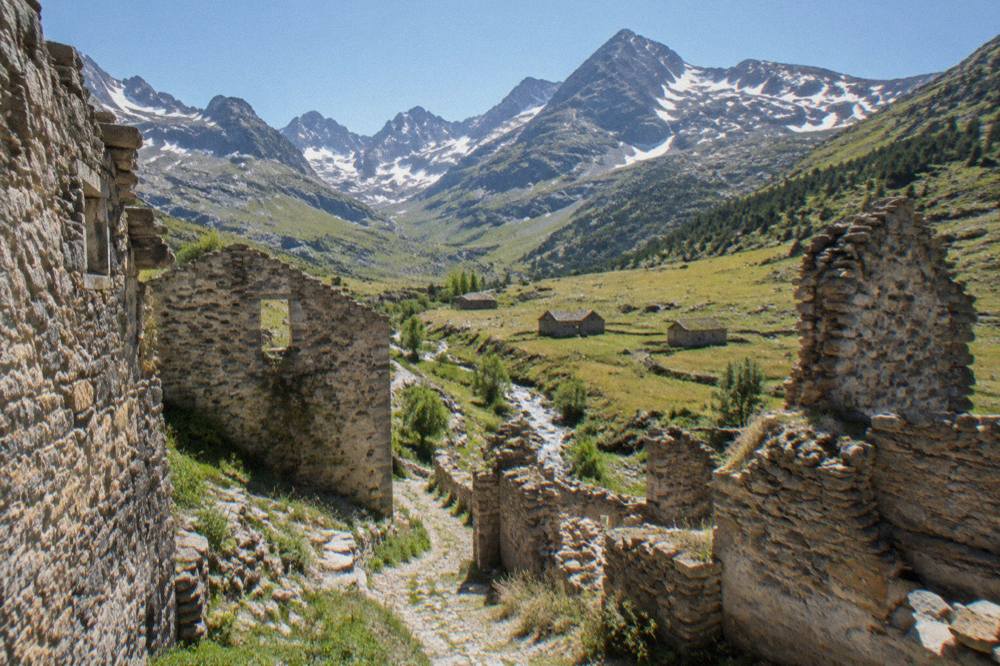
Choose the Canfranc, Jaca and Sallent excursion for railway history, two real towns and a high valley village, and choose the Ordesa, Aínsa and Torla trip for the most dramatic mountain scenery, a medieval plaza and a waterfall. Both run about 11 hours, both start from about $66.40 per person, and neither involves serious walking. If the photographs matter most, Ordesa's peaks win; if the day should feel like visiting places rather than looking at them, Canfranc and Jaca win.
Ratings lean slightly toward the Ordesa trip, 5 from 3 reviews against 4.7 from 10, but the samples are small and the real differentiator is the itinerary. The second Canfranc tour, at $67.66 from price and rated 5 from 2 reviews, covers the same three stops, so comparing what each listing includes, guide language, group size and any refreshment, matters more than the ratings do.
A practical tie-breaker is the season. Ordesa's valley is at its best from late spring, when the snowmelt fills the falls and the meadows green up, while Canfranc and Jaca are town stops that hold up in any weather. A shoulder-season traveller hedging against clouds might reasonably pick the towns; a June traveller with a clear forecast should take the mountains.
For travellers with an evening to spare in the city either side of the mountain day, a short guided walk is a cheap way to see the old town without spending the energy the excursion will take. The Best of Zaragoza sightseeing tour, from $22.28 per person and rated 4.6 from 41 reviews, runs 2.5 hours and fits the late afternoon after an excursion returns.
Common Questions About Pyrenees Day Trips From Zaragoza
Can you do a day trip from Zaragoza to the Pyrenees?
Yes. Guided excursions run from Zaragoza to Canfranc, Jaca, Sallent de Gállego, Aínsa, Torla and the Ordesa valley in about 11-hour round days, with prices from about $66.40 per person.
How much does a Pyrenees day trip from Zaragoza cost?
The guided excursions start at $66.40 per person for the Canfranc, Jaca and Sallent trip and the same price for the Ordesa, Aínsa and Torla trip, with a second Canfranc tour from $67.66. Meals are extra, and Aragon charges no tourist tax.
Which is better, the Canfranc and Jaca tour or the Ordesa and Aínsa tour?
Ordesa offers the most dramatic mountain scenery and a famous medieval plaza at Aínsa; Canfranc and Jaca offer railway history, a cathedral town and a high valley village. Both run about 11 hours from Zaragoza at similar prices, so the itinerary should decide, not the price.
When is the best month for a Pyrenees day trip from Zaragoza?
June and September are the strongest months: June for green valleys and full waterfalls, September for thinner crowds and usually stable weather. High passes can hold snow into June, so check the excursion listing for the date you want.
Do you need hiking boots for the excursions?
No. Both sightseeing excursions walk village streets, town squares and short viewpoint paths, so comfortable walking shoes are enough. Serious hiking in the Ordesa valley is a separate, overnight project.
Can you reach Canfranc by train from Zaragoza?
The railway reaches Canfranc station from Zaragoza-Delicias, and the station is one of the trip's main sights. No verified timetable or fare can be published here, so check Renfe for live times and prices before planning the day around a train.
A Pyrenees day trip from Zaragoza is the moment an inland city holiday turns alpine, and the excursions that make it possible are listed with live prices and dates on each operator's page. Whether the day goes to the railway town, the cathedral town and the stone village, or to the medieval plaza under the high peaks, the mountains of Aragon are the province's other half, and a single long day out is enough to see them.