Where To Stay In Zaragoza
Zaragoza, the capital of Aragon on the Ebro, splits into a handful of distinct districts, and the right one depends on whether you want to step out of your door onto the Plaza del Pilar or sleep somewhere quieter and cheaper a tram ride away.
Short answer
Most first-time visitors should stay in the Old Town or the Centro around Paseo de la Independencia: the Basílica del Pilar, La Seo, the Aljafería and the tapas streets are all walkable, and the bus and tram single is 1.70 EUR. Delicias suits rail arrivals and budget travellers, and the Actur and Expo riverside fits longer, quieter stays.
Zaragoza, the capital of Aragon on the Ebro, is a compact inland city where almost everything a visitor wants to see sits within a twenty-minute walk of the Plaza del Pilar, and the single biggest decision about where to stay is simply how close to that plaza you want to be. The city has no sea and no beach; its geography is the river, the dry continental climate and a historic core that grew around a Roman forum, a Moorish palace and one of the largest churches in Spain. This guide walks through each district in turn, what it is like to sleep there, what it costs to move around, and how the choice shifts with the season, especially around the Fiestas del Pilar of 10 to 18 October.
Which Area Of Zaragoza Is Best For A First Visit?
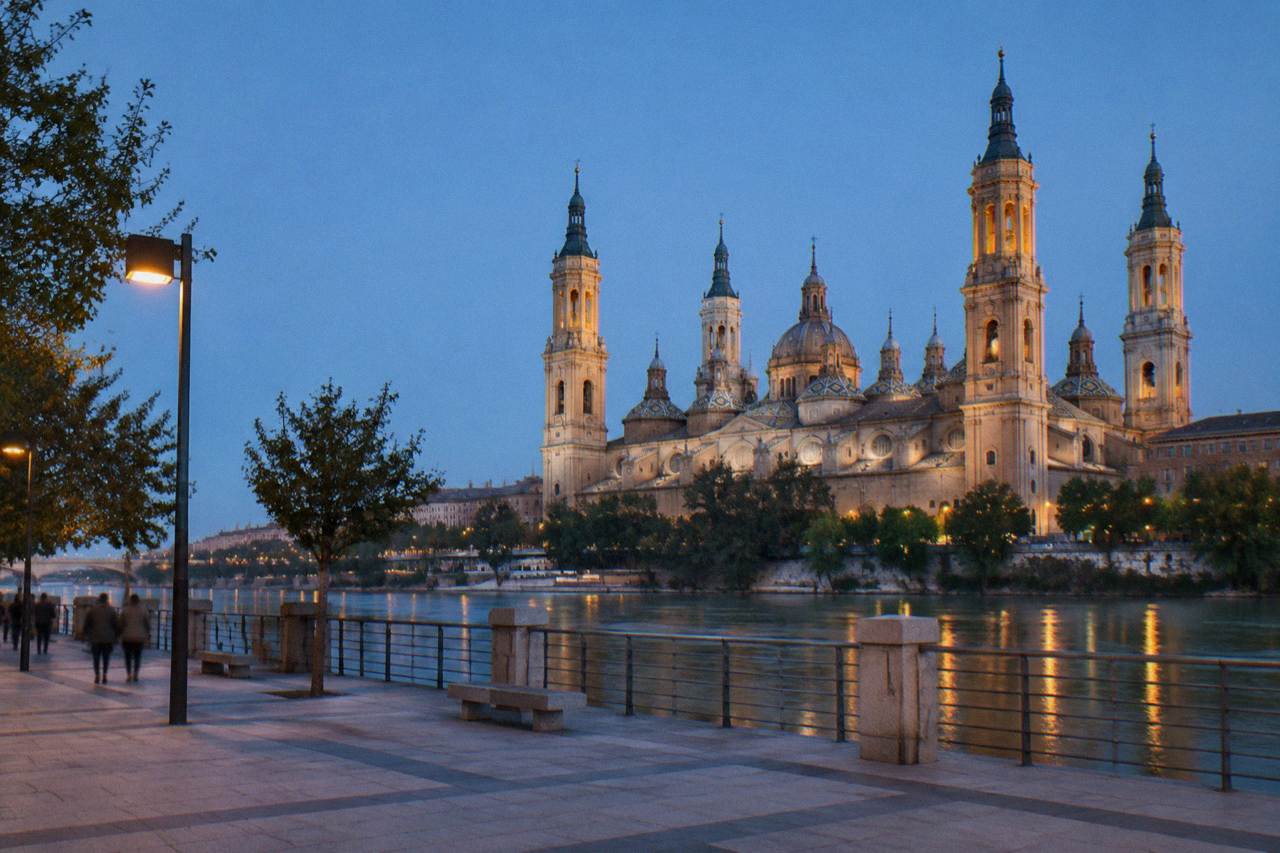
For a first visit, the Old Town (Casco Histórico) and the Centro around Paseo de la Independencia are the best bases, because the Basílica del Pilar, La Seo, the Puente de Piedra, the Roman Caesaraugusta museum sites and the Aljafería all sit inside or on the edge of this zone, and everything is walkable. The Centro is calmer at night; the Old Town puts you in the middle of the tapas streets.
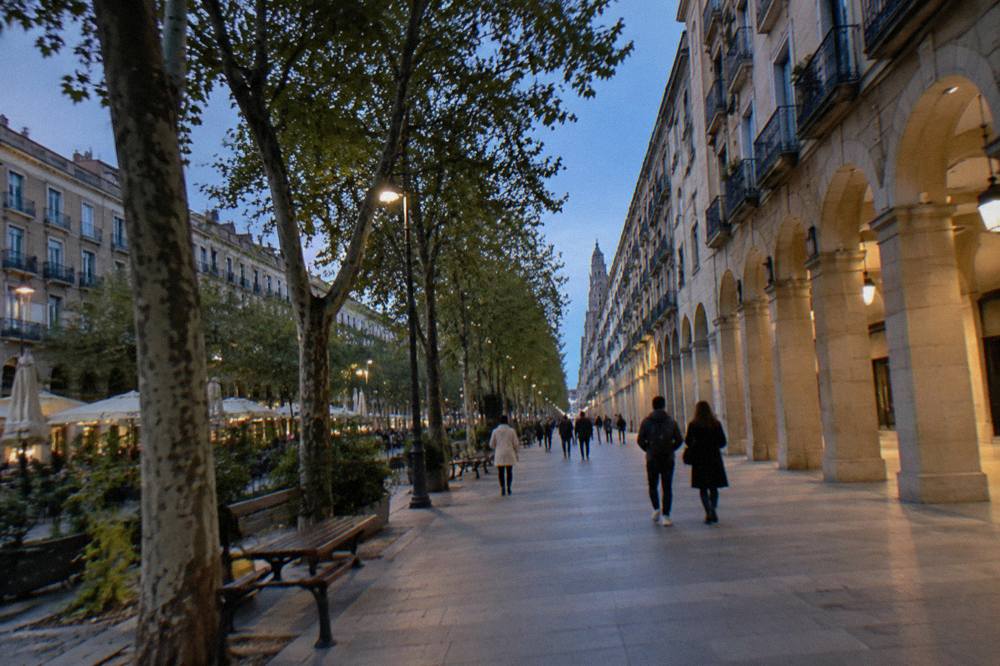
The two districts work as a pair. The Old Town is the dense street grid on the left bank around the Pilar and La Seo, where the lanes behind the basilica form a lattice of tapas bars. The Centro begins at the Paseo de la Independencia, the broad boulevard that runs from the Plaza del Pilar down to the Puerta del Carmen, and it is where most of the city's conventional hotels cluster. Staying in the Centro means a five to ten minute walk to the Pilar and a quieter night; staying in the Old Town means stepping outside straight into the oldest streets.
A good way to test the area before you book anything is to walk it with a guide. The Old Town Monumental Walk covers the historic district in the company of a local guide, rated 4.9 from 15 reviews, and Check availability on the operator's live listing before you commit to dates. The Monumental Intro Walk is a shorter, cheaper first orientation.
For a full comparison of the city's hotel options by district, see the companion best hotels in Zaragoza guide, and for hostel and budget options the hostels and budget stays page.
What Is The Old Town Like To Stay In?
The Old Town, the Casco Histórico, is the tapas-and-monuments district: the Basílica del Pilar, La Seo, the Puente de Piedra and the dense grid of small streets behind the basilica are all here, and it is the loudest, liveliest and most atmospheric place to sleep. Entering the basilica itself is free, the tower viewpoint costs 6 EUR for an adult, and La Seo charges 10 EUR general admission including three museums. Expect noise late, especially at weekends.
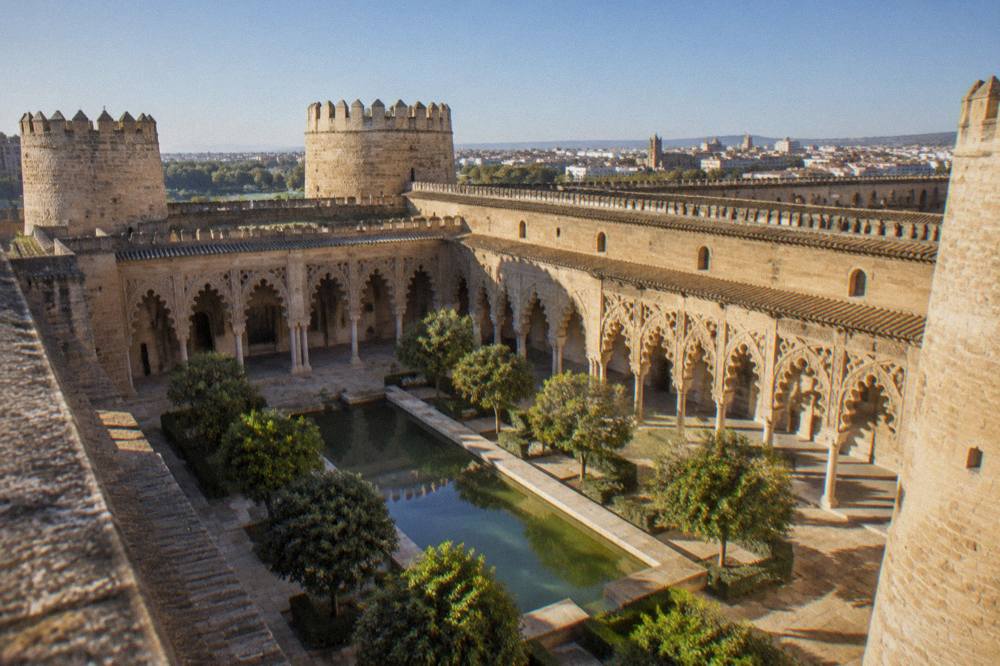
This is where the city was founded. The Roman forum, the river port and the theatre of Caesaraugusta all sit under these blocks, and the four Caesaraugusta museum sites charge 3 to 4 EUR each or 7 EUR on a combined four-museum ticket, with free entry on the first Sunday of the month. The Aljafería, the Moorish palace that is the city's great Islamic monument, stands at the district's western edge, open daily 10:00 to 18:00 in October at 7 EUR general admission or 9 EUR with a guided tour.
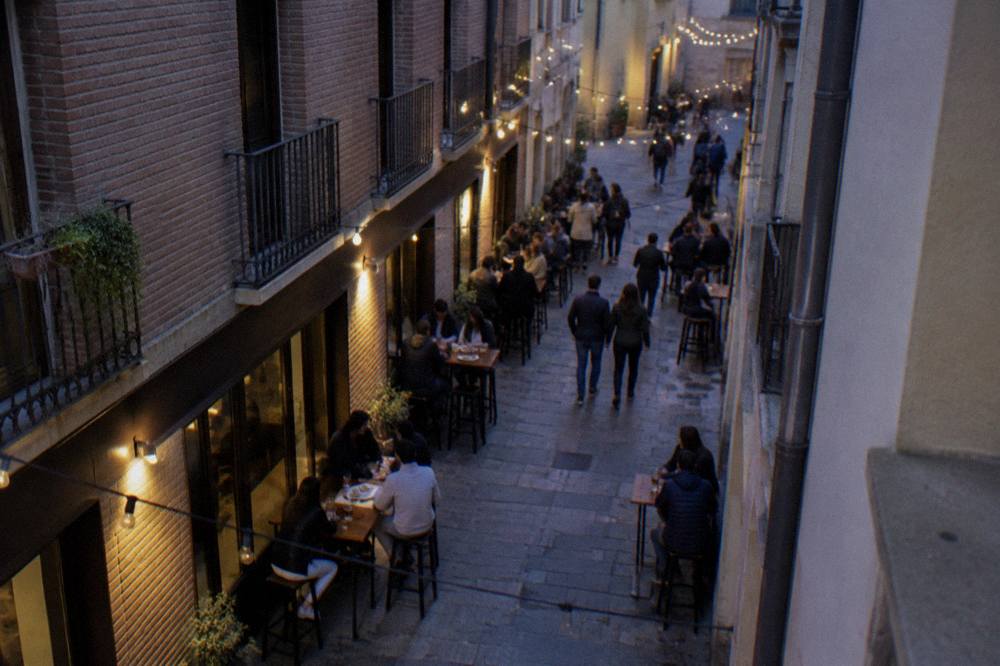
The tapas-bar lattice behind the Pilar is a dense old-town street grid of bars, and it fills every evening. That is the district's attraction and its drawback in one: you are thirty seconds from dinner, and you can hear it from bed. Ask for a room facing an interior courtyard, which is common in Spanish buildings, if you sleep lightly.
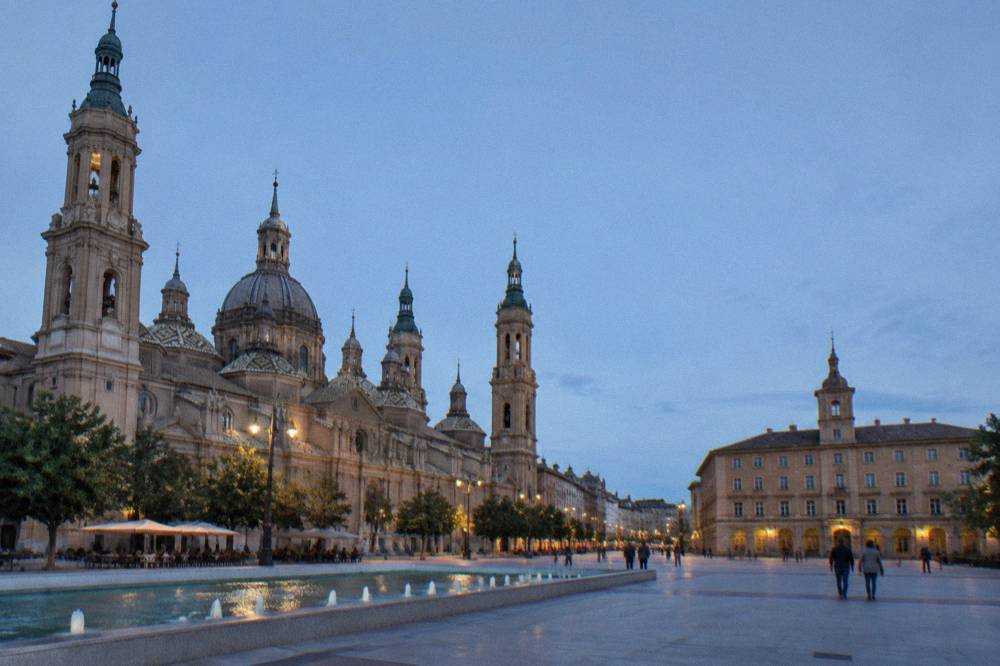
One caution for October 2026 visitors: the Museo de Zaragoza's central building on Plaza de los Sitios is closed for Ministry of Culture works with no reopening date, and the Palacio de Sástago is closed in October, so neither should figure in your plans for this district.
Where Should You Stay Near Zaragoza-Delicias Station?
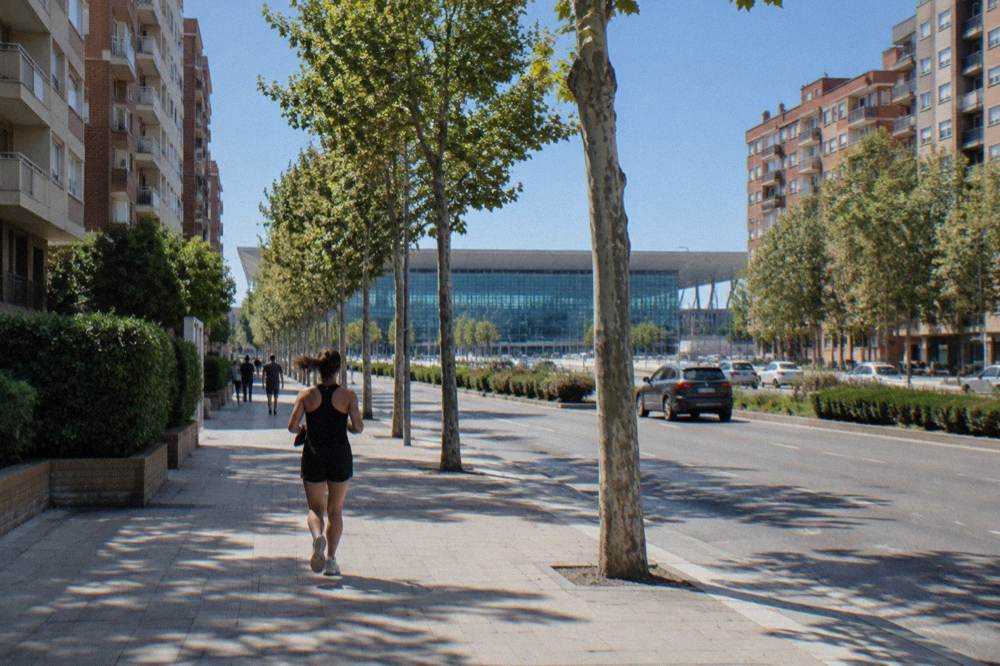
Delicias, the district around Zaragoza-Delicias station, is the practical choice for rail arrivals and budget travellers: high-speed trains from Madrid and Barcelona take about 1.5 to 2 hours, and the tram and urban buses link the station to the Pilar for 1.70 EUR a single. It is a residential, working district rather than a monumental one, so you trade atmosphere for convenience and, usually, a lower room rate.
The station is one of Spain's major rail hubs, and most guided day trips into the Pyrenees and the wine country also pick up here or nearby. If your itinerary is built around trains, or you have an early departure, being ten minutes from the platform beats being ten minutes from the basilica. The Zaragoza-Delicias station guide covers the building and its transport links in detail, and the getting around Zaragoza page explains the tram and bus network.
Which Zaragoza District Suits Families And Longer Stays?
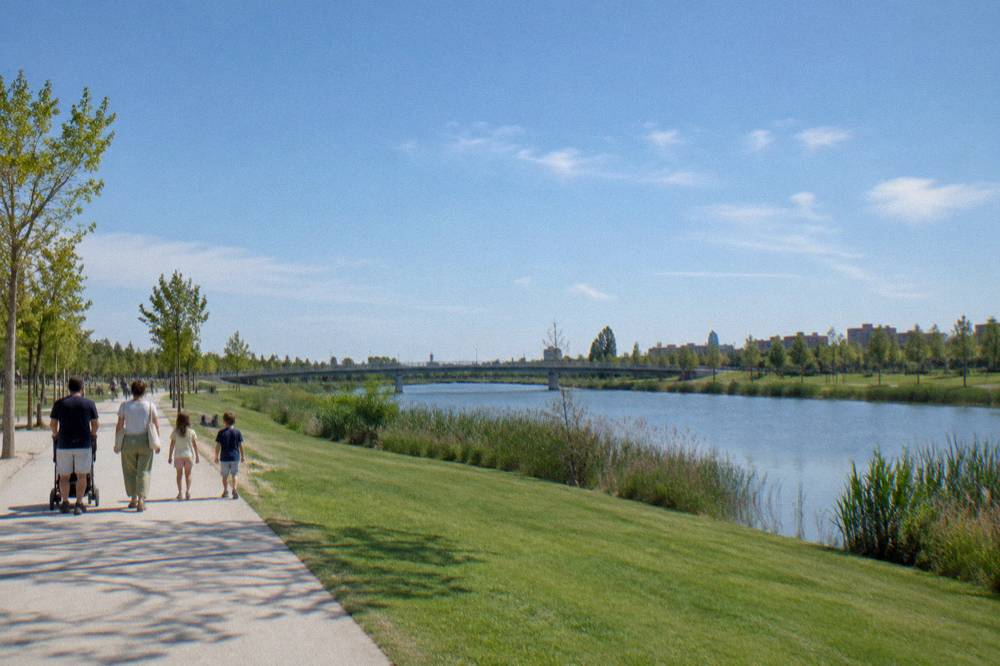
The Actur and Expo riverside, on the right bank around the Parque del Agua Luis Buñuel, suits families and longer stays: the park covers more than 120 hectares in the Ranillas meander beside the Expo 2008 site, with running circuits of 5 and 10 km, and the district is quieter, newer and greener than the Old Town. The trade-off is distance: the Pilar is a tram and bus ride away rather than a stroll.
The park was the first European green space to hold the Green Globe certification, and it floods safely in big Ebro rises by design. Families get open space, playgrounds and the river path; the Aquarium of Zaragoza, which markets itself as the largest river aquarium in Europe with more than 5,000 specimens, sits in this district, charging 20 EUR general, 14 EUR for children aged 4 to 14 and seniors, and a 55 EUR family pack online for two adults and two children. Check the operator's opening calendar before you go, because the published hours sit in an image on the aquarium's own site.
For what a family trip costs overall, the Zaragoza cost and budget guide breaks down the everyday numbers, and Zaragoza with kids covers the child-friendly sights district by district.
How Much Does It Cost To Get Around From Each District?
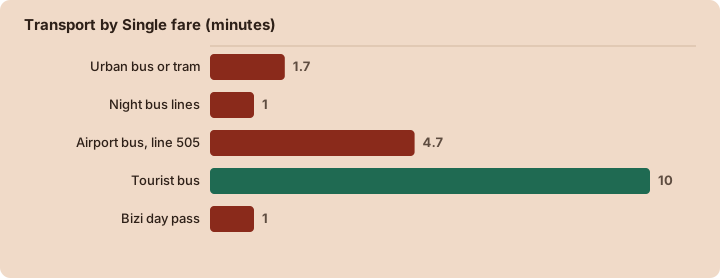
A single bus or tram ticket anywhere in Zaragoza costs 1.70 EUR, or 0.55 EUR with a rechargeable Tarjeta Bus that itself costs 7 EUR and works on both; night buses cost 1.00 EUR, the tourist bus is 10 EUR for 24 hours across 16 stops, and the airport bus, line 505, costs 4.65 EUR single or about 2.25 EUR with a Lazo card. No tourist tax exists in Aragon, and none is planned.
The tram is the spine of the network, and the bus and tram fare table is the same whichever district you sleep in. What changes is how often you ride it. In the Old Town or Centro you may never buy a ticket; in Delicias or the Actur you will buy one several times a day, which makes the Tarjeta Bus the better arithmetic even on a short stay. Everything else covered here is indexed on Zaragoza Travel Guide.
| Transport | Single fare | With card | Notes |
|---|---|---|---|
| Urban bus or tram | 1.70 EUR | 0.55 EUR | Tarjeta Bus costs 7 EUR, valid on bus and tram |
| Night bus lines | 1.00 EUR | 0.55 EUR | Night network only |
| Airport bus, line 505 | 4.65 EUR | about 2.25 EUR (Lazo card) | 25 to 35 minutes, timed to flights |
| Tourist bus | 10 EUR | discounts available | 24 hours, 16 stops, 90-minute loop, cash on the bus |
| Bizi day pass | 1 EUR + 0.50 EUR per trip up to 30 min | monthly 10 EUR | 50 EUR card deposit held |
One thing to check if you are driving: the Casco Histórico sits inside the city's low-emission zone, active Monday to Friday from 08:00 to 20:00, with sanctions in force since 12 December 2025. Vehicles without a DGT environmental label are restricted, and there is a 15-minute grace period if you enter by mistake. The car rental and parking guide covers the label rules in full.
When Is The Best Time To Book A Stay In Zaragoza?
The Fiestas del Pilar, from 10 to 18 October 2026, are the single busiest dates in the city's year, with the Ofrenda de Flores on 12 October drawing close to 99,980 registered participants, so book months ahead or avoid those dates entirely; May is the wettest month at 44 mm on the 1981-2010 AEMET averages while July and August are the driest at 17 mm, and July carries the highest mean maximum at 32.4 C.
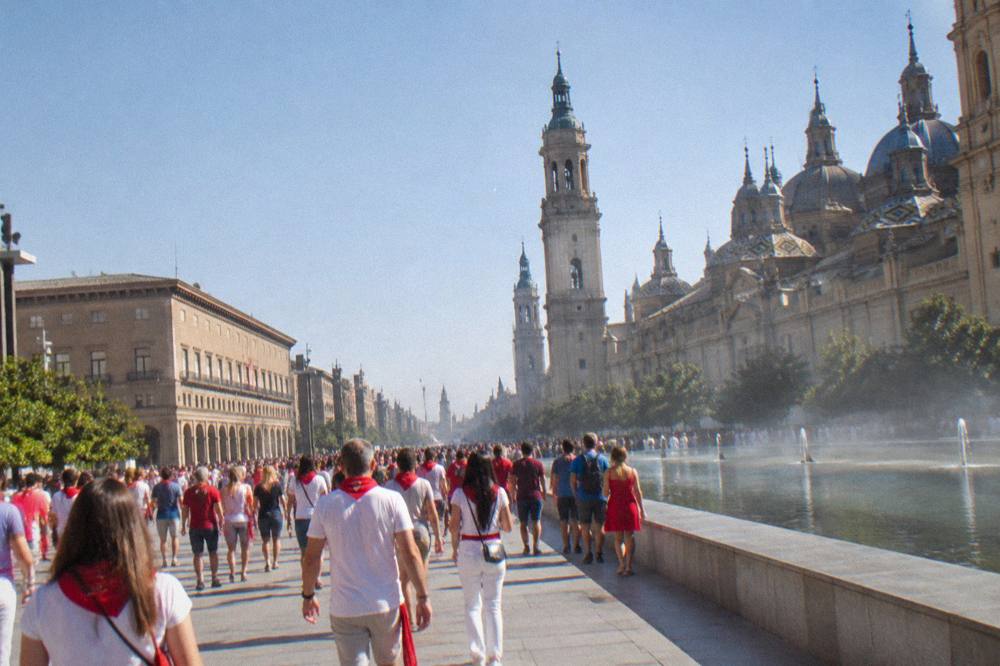
The Fiestas transform the Old Town: the pregón opens them from the Ayuntamiento balcony on 10 October at 21:00, the flower offering fills the route from Paseo de la Independencia to the Plaza del Pilar on 12 October, and the closing fireworks go off by the Ebro on 18 October. If you want to be inside that, book early and expect noise until late every night of the nine. If you do not, the dates to avoid are exactly those.
| Season | Mean max C (1981-2010) | Rain (1981-2010) | What it means for a stay |
|---|---|---|---|
| Spring (Mar-May) | 17.3 to 24.1 C | 19 to 44 mm | Mild, but May is the wettest month at 44 mm |
| Summer (Jun-Aug) | 29.3 to 32.4 C | 17 to 26 mm | Hot and dry; July sunniest at 348 hours |
| Autumn (Sep-Nov) | 14.8 to 27.1 C | 30 to 36 mm | Fiestas del Pilar in October; October averages 36 mm |
| Winter (Dec-Feb) | 10.5 to 13.1 C | 21 to 22 mm | Cold nights, January mean minimum 2.7 C |
Every figure above is the 1981-2010 average from AEMET's Zaragoza Aeropuerto station, the only window the station publishes. The best time to visit Zaragoza and Zaragoza weather guides carry the full monthly table.
Which District Is Best For Food And Tapas?
The Old Town is the food district: the dense tapas-bar grid behind the Basílica del Pilar and the streets around the Mercado Central put you within a short walk of the city's tapas culture, and the Centro's Paseo de la Independencia adds larger restaurants and cafés. The Mercado Central sits on the left bank between the two, so both districts share it.
The Zaragoza food guide covers what to order, from ternasco de Aragón lamb to migas aragonesas, and the tapas crawl page maps an evening route through the old streets. If eating well is the main purpose of the trip, the arithmetic favours the Old Town heavily: you walk to dinner, you walk home, and you never look at a tram timetable after dark.
The guided food options concentrate here too. The 3-Hour Evening Tapas Walk and the Tapas Sightseeing Tour both run in the old district, and the Wine Tasting and Tapas evening pairs Aragonese wines with the same streets.
How Do The Districts Compare Overall?
The Old Town wins on atmosphere and proximity to the monuments, the Centro wins on sleep and conventional hotels, Delicias wins on rail access and price, and the Actur and Expo riverside wins on space, family facilities and quiet; all four connect to the Pilar for a 1.70 EUR single, so the choice is about character and budget rather than access.
| District | Character | Best for | Watch out for |
|---|---|---|---|
| Old Town (Casco Histórico) | Monumental core, tapas grid | First visits, food-focused trips, short stays | Late noise, ZBE if driving |
| Centro / Paseo de la Independencia | Boulevards, shops, hotels | Hotel comfort within a short walk of everything | Less atmosphere than the Old Town lanes |
| Delicias | Residential, around the station | Rail arrivals, early departures, budget stays | Monuments are a ride away |
| Actur / Expo riverside | Modern, green, riverside | Families, longer stays, park life | Quiet at night, tram-dependent |
| Monument | Entry | Hours (October timetable) |
|---|---|---|
| Basílica del Pilar, temple | Free | Holy Chapel 08:00-20:30 daily |
| Pilar tower viewpoint | 6 EUR adult | Mon-Thu 10:30-14:30 and 16:00-20:00, Fri-Sun 10:00-20:00 |
| La Seo, including three museums | 10 EUR general | Mon-Sat 10:00-14:30 and 16:00-20:00, Sun 10:00-12:00 and 16:00-20:00 |
| Aljafería | 7 EUR, guided 9 EUR | Daily 10:00-18:00, last access 45 min before close |
| Caesaraugusta four-museum ticket | 7 EUR, 5 EUR reduced | Tue-Sat 10:00-14:00 and 17:00-21:00, Sun 10:00-14:30 |
Free-entry days are worth planning a stay around: the Caesaraugusta sites and the Museo del Fuego y los Bomberos are free on the first Sunday of the month, and the Aljafería on the first and third Sunday and Monday. The free things to do in Zaragoza guide lists them all.
Should You Book A Guided Tour Before Choosing A Hotel?
Yes, walking the old district with a guide on your first morning tells you more about where to sleep than any map can, because you learn the streets, the noise and the distances on foot before you commit; the Old Town Monumental Walk runs 2.5 hours with a local guide from $97.47 per person, rated 4.9 from 15 reviews, and a private custom walk with a local guide starts at $51.60 per person, rated 4.9 from 70 reviews.
The private custom walk is the version that adapts to your plans: tell the guide you are choosing between the Centro and the Old Town and the walk becomes a reconnaissance of both. For a free introduction, the Indispensable Zaragoza Free Tour on GuruWalk, a tip-based Old Town walk rated 4.97 from 576 reviews with its own guru leading it, covers the same lanes at no fixed price.
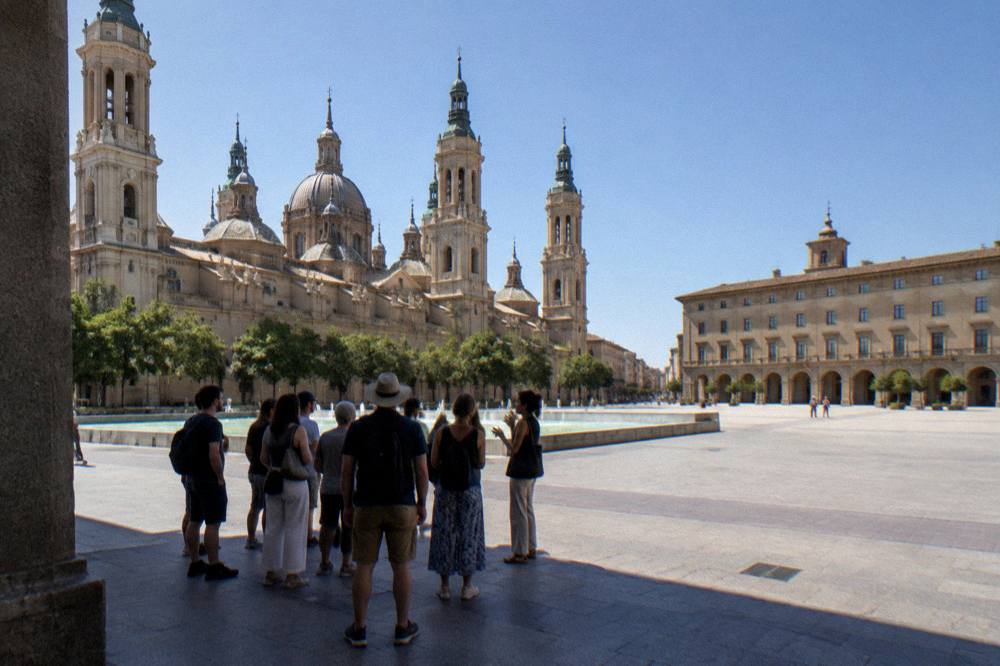
For travellers arriving from further afield, the how to get to Zaragoza, Madrid to Zaragoza and Barcelona to Zaragoza pages cover the rail and road options, and the airport to city centre guide explains the 505 bus in detail. Once you have walked the lanes and ridden the tram once, the districts sort themselves out quickly, and the guided options below are the ones that cover the ground a hotel decision depends on.
The Old Town Monumental Walk, the same 2.5-hour guided circuit of the historic district rated 4.9 from 15 reviews, is the one to take before you book, because it passes through the very streets your hotel will sit on or beside.
Common Questions About Where To Stay In Zaragoza
Where to stay in Zaragoza for the first time?
Stay in the Old Town or the Centro around Paseo de la Independencia. Both put the Basílica del Pilar, La Seo, the Puente de Piedra and the tapas streets within a short walk, and the Aljafería sits at the Old Town's western edge. The Centro is the quieter of the two at night.
Is Zaragoza walkable from any district?
The Old Town and Centro are fully walkable, with all the main monuments inside a compact zone. Delicias and the Actur are tram and bus rides from the centre at 1.70 EUR a single, or 0.55 EUR with a Tarjeta Bus.
Where should you not stay during the Fiestas del Pilar?
If you need quiet, avoid the Old Town between 10 and 18 October 2026. The Fiestas bring fireworks after the opening pregón on 10 October, street stages and the Ofrenda de Flores on 12 October with close to 99,980 registered participants. Book months ahead if you want to be inside it.
Which district is best for rail travellers?
Delicias, around Zaragoza-Delicias station. High-speed trains from Madrid and Barcelona take about 1.5 to 2 hours, and the station connects to the centre by tram and bus, so an early departure is a short hop rather than a cross-city journey.
Can you drive to a hotel in the Old Town?
Check the low-emission zone first. The Casco Histórico zone is active Monday to Friday 08:00 to 20:00 with sanctions since 12 December 2025, and vehicles without a DGT environmental label are restricted, with a 15-minute grace period if you enter by mistake.
Whichever district you choose, the whole city sits inside a 1.70 EUR tram or bus ride, so the decision is about how you want to spend your evenings rather than whether you can reach anything: sleep beside the basilica and the bars, or sleep beside the boulevards and walk in.