Zaragoza Sweets And Pastries
Zaragoza, the capital of Aragon on the Ebro, keeps a confectionery tradition that changes with the calendar: chocolate with churros in winter, torrijas at Easter, sugar almonds and guirlache at the Fiestas del Pilar, and candied fruit wrapped in chocolate all year.
Short answer
The signature sweets of Zaragoza are frutas de Aragón (candied fruit in dark chocolate), doce de calabaza (candied pumpkin), guirlache (almond and caramel brittle), and the Pilar-season adoquines and sugared almonds, best explored on foot through the old town with a guided tapas or market walk.
Zaragoza, the capital of Aragon on the Ebro, is a city whose sweet tooth runs deep and whose pastry counters change with the liturgical and festival calendar. The confectioners of Aragon built their repertoire around what the dry, continental Ebro valley produced: almonds, honey, pumpkin, pumpkin-fruit candies and, later, the chocolate that arrived through Spanish ports and settled into the cafés of the old town. The result is a tradition that is less about one famous cake and more about a rotating cast of small, intense confections, each with its season, each tied to a moment in the city's year from the cold January mornings when hot chocolate with churros makes sense, to the October Fiestas del Pilar when sugar stalls take over the centre. This guide walks through that calendar, names the sweets to look for, and points to the guided food walks that fold Zaragoza's pastry counters into a wider evening of tapas and wine. For the savoury side of the same city, see the Zaragoza food guide.
What Are The Classic Sweets Of Zaragoza And Aragon?
The classic Aragonese sweets are frutas de Aragón, candied fruits glazed in dark chocolate; doce de calabaza, a candied-pumpkin paste often eaten with walnuts; guirlache, a hard caramel-and-almond brittle; trenzas, braided sweet breads; and the chocolate con churros that anchors the city's café mornings. Frutas de Aragón are the most emblematic, and the ones visitors most often carry home.
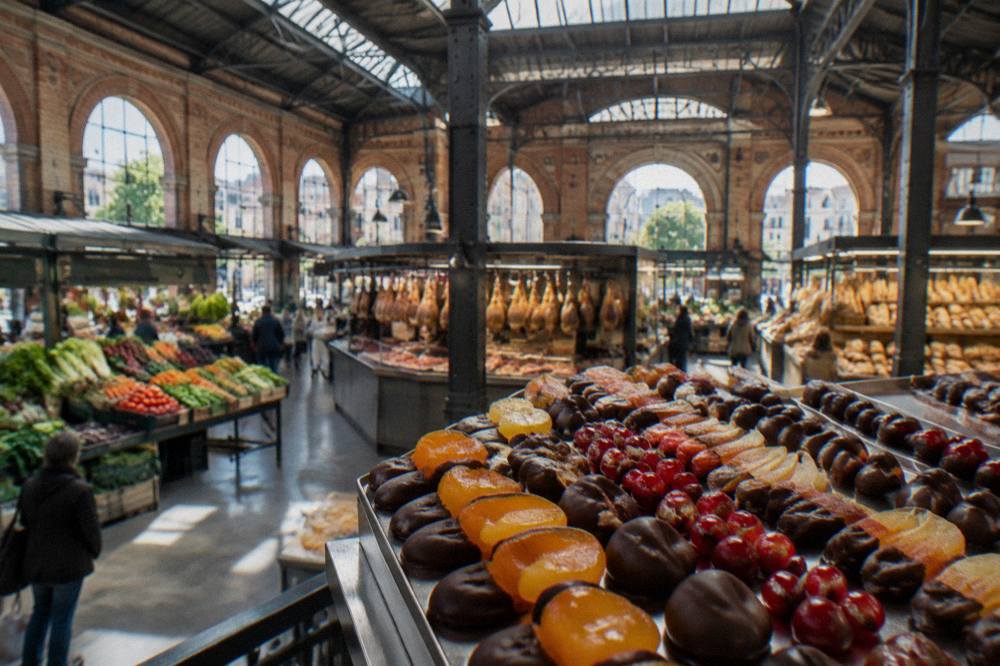
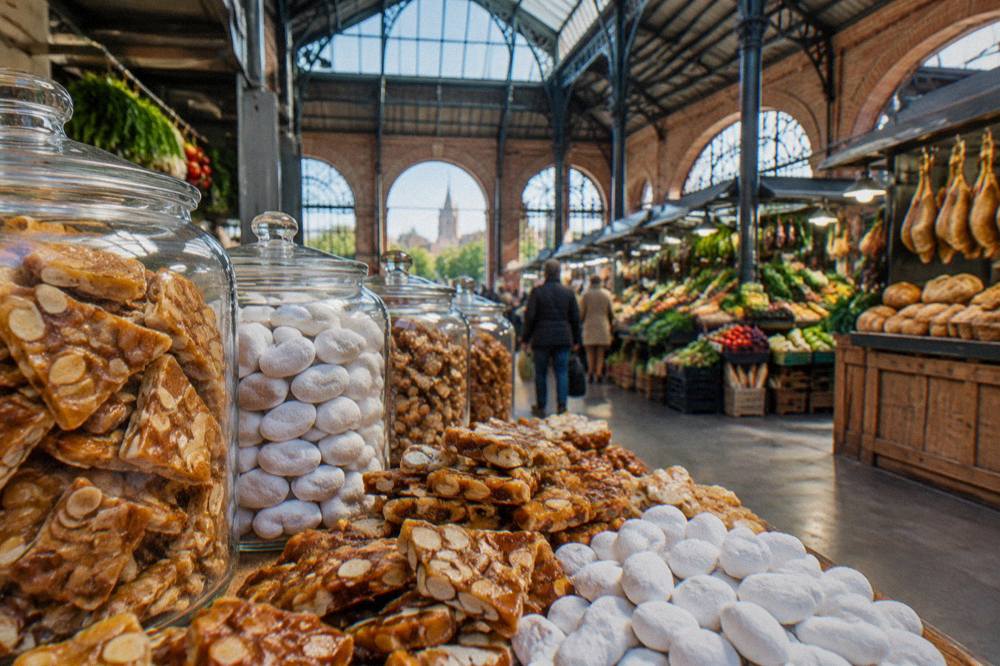
Frutas de Aragón are the region's best-known confection: pieces of candied fruit, pumpkin included, dried until dense and chewy, then dipped in dark chocolate. They travel well, which is why they became the souvenir sweet of the region, sold in neat boxed rows. Doce de calabaza is the same candying technique applied to pumpkin alone, served as a soft, amber paste that is often paired with nuts and appears on dessert plates across Aragon rather than in shop windows. Guirlache is the opposite in texture: whole almonds set in hard caramel, snapped into shards, a sweet that belongs to festival season in particular. None of these needs a museum to be understood; they need a counter, and Zaragoza's old town has counters in every direction from Plaza del Pilar.
Alongside these sit the sweets that most of Spain shares but that Zaragoza eats with local conviction. Torrijas, the milk- or wine-soaked fried bread slices, flood the city in the weeks before Easter. Roscón, the ring-shaped sweet bread, appears around Three Kings Day in January. And chocolate con churros is a year-round institution that peaks on winter mornings, when the AEMET 1981-2010 normals for the Zaragoza Aeropuerto station show a mean minimum of 2.7 degrees in January and hot chocolate stops being optional.
When Does Each Zaragoza Sweet Have Its Season?
The Zaragoza sweet calendar runs from roscón at Three Kings Day in January, through torrijas in the weeks before Easter, to the almond and sugar sweets of the Fiestas del Pilar from 10 to 18 October, with frutas de Aragón, doce de calabaza and chocolate con churros available essentially all year. The Fiestas del Pilar, with the Ofrenda de Flores on 12 October, are the city's great confectionery moment.
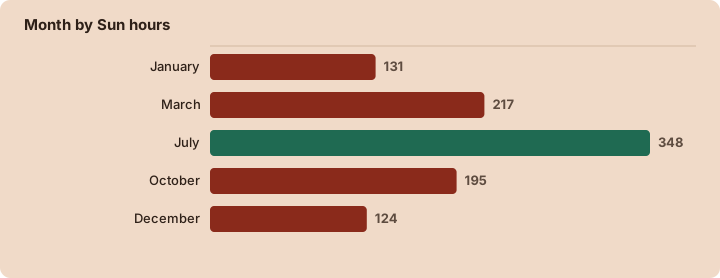
The festival calendar drives the pastry case more than any shopkeeper does. In January, roscón de reyes marks the Three Kings holiday. From late winter into spring, torrijas dominate, and the Semana Santa in Zaragoza processions of Holy Week give the fried, sugared slices their context. In 2027 that week falls from 21 to 28 March. Then comes the long quiet stretch of summer, when the AEMET 1981-2010 normals show July with a mean maximum of 32.4 C and 348 hours of sun, and heavy sweets give way to ices and lighter café fare.
October is the peak. The Fiestas del Pilar run from 10 to 18 October 2026, and the whole city centre fills with stalls selling adoquines, the hard sugar sweets sold in paper cones that are the classic Pilar purchase, alongside sugared almonds, guirlache and churros stands. The Ofrenda de Flores on 12 October, when hundreds of groups parade from Paseo de la Independencia to Plaza del Pilar, is described in detail on the Fiestas del Pilar guide and the Ofrenda de Flores page. December closes the year with Christmas sweets, and the municipal Christmas lights are scheduled to switch on from 20 November 2026.
| Season | Sweets on the counter | Anchor moment |
|---|---|---|
| January | Roscón de reyes, chocolate con churros | Three Kings Day |
| Late winter to spring | Torrijas, pestiños | Semana Santa, 21 to 28 March 2027 |
| Summer | Ices, lighter pastries, year-round frutas de Aragón | July mean maximum 32.4 C |
| October | Adoquines, sugared almonds, guirlache, churros stands | Fiestas del Pilar, 10 to 18 October 2026 |
| November to December | Christmas sweets, nougats, polvorones | Lights from 20 November 2026 |
A guided evening is the easiest way to meet several of these at once, since a tapas route through the old town moves from counter to counter. The three guided options below all start in Zaragoza and fold the city's food traditions into a single walk.
What Is Doce De Calabaza And Why Does Pumpkin Anchor Aragonese Sweets?
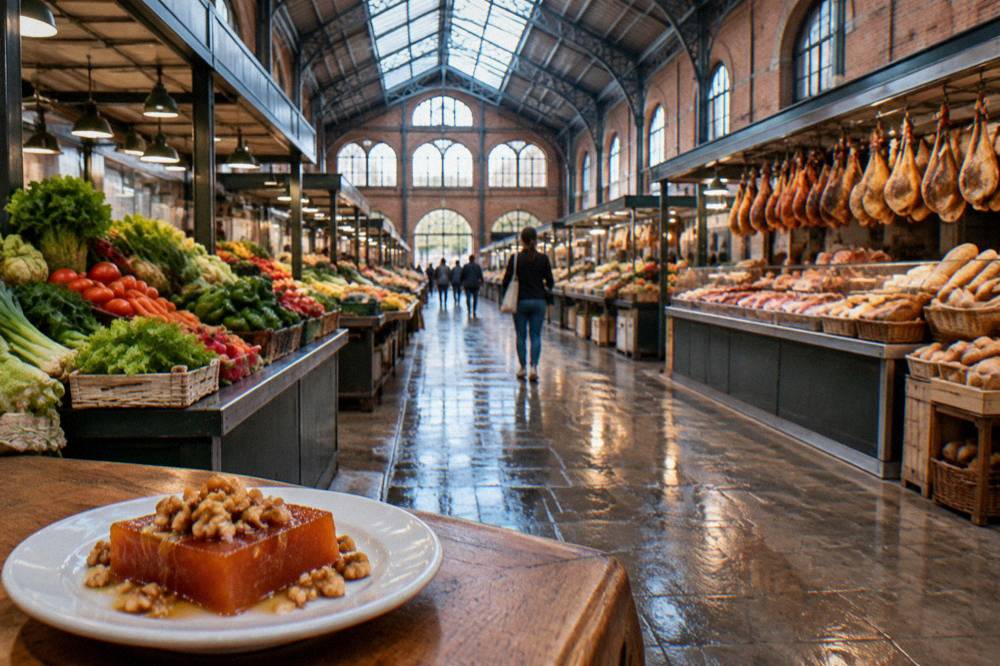
Doce de calabaza is a candied pumpkin paste, cooked slowly with sugar until it turns dense and amber, and it is the base of both a standalone dessert and the candied pumpkin that appears inside frutas de Aragón. It exists because the dry Ebro valley grew squash and pumpkin well, and candying was the way to make a vegetable keep through the year.
Candying is a traditional technique in the Aragonese pastry book, and pumpkin is its classic subject. The fruit is cut, cooked in progressively stronger sugar syrups over long sessions, and left to drain until it becomes a translucent, chewy sweet that keeps for months without refrigeration. That keeping quality is the whole point: in a dry continental climate with 322 mm of rain a year on the 1981-2010 AEMET normals for the Zaragoza Aeropuerto station, preserving the harvest in sugar was a practical skill before it was a confectionery one. The same technique turns out the candied fruit pieces that frutas de Aragón wrap in chocolate, so in a real sense one recipe underwrites the region's two most famous sweets.
Eaten plain, doce de calabaza is usually served with walnuts or a slice of fresh cheese, a combination that appears on dessert plates across Aragon rather than in dedicated shops. It is sweet, faintly earthy and very dense, and a small portion is the standard serving. For visitors who want the technique explained rather than just tasted, a cooking class that begins with a market visit is the guided route that covers it, and the midday market tour with Spanish cooking class is exactly that shape: a market walk followed by hands-on cooking, from $113.53 per person and rated 5 from 41 reviews.
What Are Frutas De Aragón And Where Did They Come From?
Frutas de Aragón are candied fruits and pumpkin pieces dipped in dark chocolate, sold in boxed rows as the emblematic confection of the region. The candying is Aragonese; the chocolate coating belongs to the era when chocolate became everyday in Spanish cafés. Together they make the sweet most visitors carry home from Zaragoza.
The candied fruit inside frutas de Aragón is the same long-syrup technique as doce de calabaza, applied to a range of fruits and to pumpkin, which by tradition is always included in the box. The chocolate shell came later, once chocolate drinking had spread through Spain and confectioners began dipping rather than just serving the candied fruit plain. The combination keeps and packs well, which is precisely why it became the regional souvenir: a box of frutas de Aragón survives a journey home in a suitcase, where a cream cake would not.
Choosing them is simple. A good box shows distinct, whole candied pieces with a dull, even chocolate coat, and the pumpkin should be labelled as present, since it is the piece with the strongest local claim. The sweets are intense, so they are eaten a piece at a time, often with coffee after a meal, which is also how the city's tapas evenings end. The evening tapas walk through the old town is the guided option that most naturally includes the coffee-and-sweet finish, and its own page describes the three-hour route.
| Guided experience | Shape | From (per person) | Rating |
|---|---|---|---|
| Evening tapas walk, old town | 3-hour evening walk | $106.92 | 4.9 from 62 reviews |
| Midday market tour and cooking class | Market visit plus hands-on cooking | $113.53 | 5 from 41 reviews |
| Olive oil tour and Belchite old town | 5-hour day trip | $108.94 | 4.8 from 18 reviews |
| Wine tasting and tapas | 3-hour tasting walk | $106.92 | 5 from 21 reviews |
What Sweets Mark The Fiestas Del Pilar In October?
The Pilar sweets are adoquines, hard sugar sweets sold in paper cones; almendras garrapiñadas, almonds in a crisp sugar shell; and guirlache, the caramel-and-almond brittle that appears at festival stalls across the city during the Fiestas del Pilar, which in 2026 run from Saturday 10 to Sunday 18 October. Churros stands multiply for the same nine days.
Adoquines are the ones that belong to Zaragoza specifically. They are large, irregular, hard sugar sweets, the kind you suck rather than bite, and their name and their presence are tied to the Pilar festival season, when stallholders set up along the central streets and the fairground takes over the Ebro banks. Almonds arrive in two forms: garrapiñadas, where the sugar shell is pale and crisp, and guirlache, where the caramel goes dark and hard around whole almonds. Both are snapped into pieces rather than cut.
The festival context matters, because the Fiestas del Pilar are the one moment when the whole city's food traditions stand in the street at once. The programme published by the municipality for 2026 lists the pregón from the Ayuntamiento balcony on 10 October at 21:00, the Ofrenda de Flores on 12 October with its route from Paseo de la Independencia to Plaza del Pilar, and an expanded fireworks programme including a closing display at the Ebro on 18 October. A sweet stall on the Paseo is part of that picture, not a separate attraction. Timing a visit around the festival is covered on the best time to visit Zaragoza page.
How Do Chocolate And Churros Fit Into A Zaragoza Morning?
Chocolate con churros is the standing morning institution of Zaragoza: long ridged fritters dipped into thick, nearly pudding-dark drinking chocolate, eaten standing or seated in the city's cafés, and most in demand on winter mornings when the 1981-2010 AEMET normals show January mean minimums of 2.7 C. It needs no festival, though it gains one in October.
The churro itself is a modest object, a strip of choux-like dough piped into ridged lines and fried to order, and the chocolate is the Spanish café kind, thick enough to coat a churro and leave a residue in the cup. What makes it a Zaragoza subject rather than a generic Spanish one is the climate it answers to. The city sits inland on the Ebro with a dry continental regime: the 1981-2010 normals for the Zaragoza Aeropuerto station give January a mean of 6.6 C and 131 hours of sun, December 3.2 C at night and 124 hours of sun, and 23.1 frost days a year. Cold, bright mornings are the churro's natural habitat, and Zaragoza has the climate that produces them.
The pairing also anchors the evening end of the tapas day, and several guided walks finish near the cafés that serve it. Porras, the wider, fluffier cousin of the churro, appear on the same counters, and the chocolate season peaks twice: in the deep winter, and during the Fiestas del Pilar, when temporary churros stands line the festival streets. The Zaragoza weather guide carries the month-by-month figures if you are planning around the cold end of the calendar.
| Month | Mean minimum C (1981-2010) | Mean max C | Sun hours | Sweet weather fit |
|---|---|---|---|---|
| January | 2.7 | 10.5 | 131 | Peak chocolate con churros season |
| March | 5.8 | 17.3 | 217 | Torrijas season begins |
| July | 18.3 | 32.4 | 348 | Ices and light pastries |
| October | 11.0 | 21.4 | 195 | Pilar sweets and churros stands |
| December | 3.2 | 10.8 | 124 | Christmas sweets, hot chocolate |
If the morning chocolate is the fixed point of a Zaragoza day, the evening is when the city's food culture opens up, and a guided tapas walk is the simplest way to move from one counter to the next without planning a route yourself.
Can You Build A Whole Zaragoza Day Around Sweets And Markets?
Yes, and the natural shape is a morning market walk, a midday cooking or tasting session, and an evening tapas route through the old town, because Zaragoza's market, cooking-class and tapas walks all start in the city centre and can be chained across one or two days. The guided options run from a $5.73 self-guided scavenger hunt to $212.71 for a five-hour complete tour with wine and tapas.
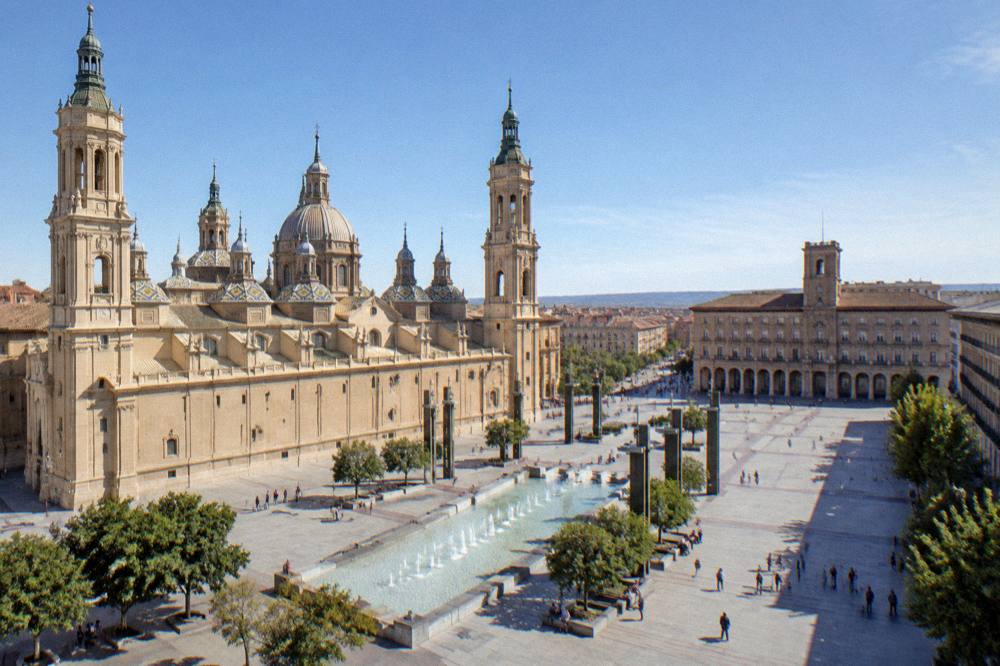
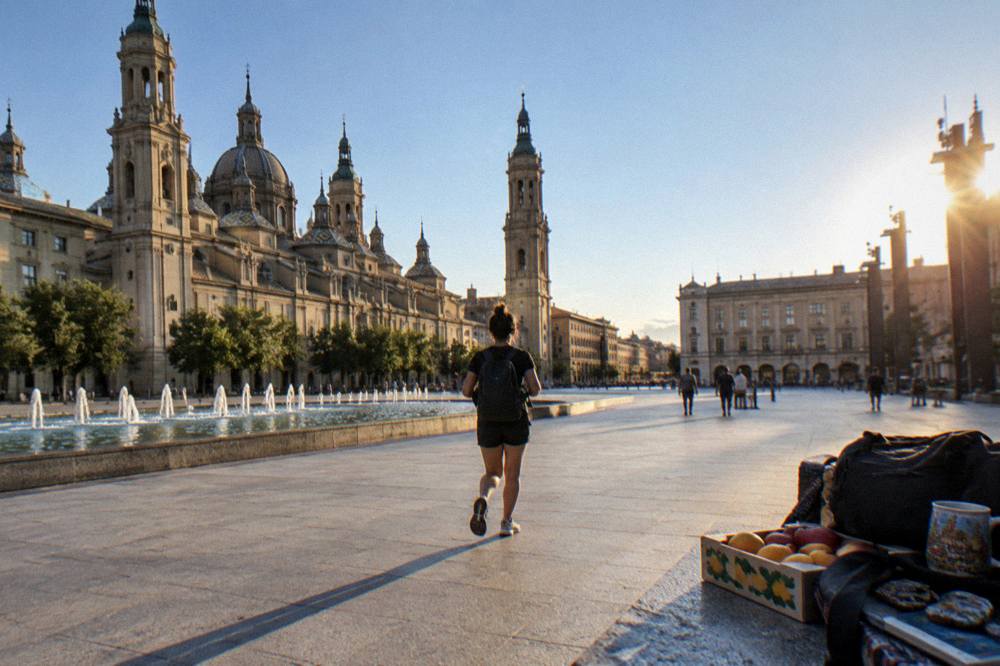
The logic is that Zaragoza's food culture is compact. The old town holds the cathedral, the Basílica del Pilar, the Roman sites and the traditional commercial streets within a walkable radius, so a morning spent at the central market area, an afternoon cooking what was bought, and an evening moving between tapas counters covers the whole food city without a car.
For visitors who prefer to self-direct the sweet half of the day, the practical route is simple: start with chocolate con churros, walk the old town's pastry counters with a box of frutas de Aragón as the objective, and finish at a café with doce de calabaza and walnuts if it is on the dessert plate. Pair the day with the wider planning advice on Zaragoza travel planning, and if the trip needs a second city dimension, the olive oil and Belchite day trip extends the same food thread into the Aragonese countryside, from $108.94 per person and rated 4.8 from 18 reviews.
How Do Zaragoza Sweets Compare With The Rest Of Spain?
Zaragoza's sweets are closer to the inland Spanish tradition than to the coastal ones: candied fruit, almond brittles and fried doughs rather than the cream-and-pastry schools of the north or the deep-fried Mediterranean sweets, with frutas de Aragón as the one confection the city exports everywhere and adoquines as the one only festival visitors meet.
Every Spanish region has a sugar specialty, and Aragon's are shaped by its agriculture. Almonds grow in the dry inland soils, so guirlache and garrapiñadas are local logic. Squash and fruit candy well in a climate with long hot summers, and the 1981-2010 AEMET normals give July and August just 17 mm of rain each, so the drying and candying that preserve a harvest are old inland skills. Chocolate con churros and torrijas are shared national institutions, but the balance of the Zaragoza counter, heavy on candied things and almond things, is inland Spain's answer to regions that lean on cream, custard or honey-soaked fritters.
For a visitor, the practical difference is portability. Frutas de Aragón, guirlache, garrapiñadas and adoquines all travel, which is why Zaragoza's airport and station shops sell them and why they turn up in the luggage of half the city's visitors. The fresh end of the tradition, the churros, the torrijas and the dessert-plate doce de calabaza, has to be eaten on the spot, and that is the half of the city that an evening walk through the old town exists to serve. The Zaragoza Travel Guide covers the rest of the city, from the Aljafería to the Ebro river walk, for the hours between meals.
What Should You Bring Home From Zaragoza?
Bring frutas de Aragón in a boxed set, guirlache or garrapiñadas in a sealed bag, and, if you visit during the Fiestas del Pilar, a cone of adoquines, because all three keep without refrigeration and survive a journey home. The fresh sweets, churros, torrijas and doce de calabaza, are for eating in the city.
The dividing line is moisture. Anything candied or caramelised is shelf-stable by design, which is the entire historical point of the technique, and a boxed set of frutas de Aragón is the standard choice because the box protects the chocolate coating. Check that the pumpkin piece is included, since it is the piece with the strongest Aragonese identity, and buy from a counter that turns stock over rather than a display that has sat in a window. Guirlache should be hard and glossy; if it is sticky, it has taken on damp and will not improve.
The timing of a purchase matters less than visitors expect. October is the richest month because the festival stalls add their stock, but the year-round confectioners carry frutas de Aragón in every season, and the city's climate, 61 percent average humidity on the 1981-2010 AEMET annual figures, is dry enough that a sealed box keeps well. If the trip is built around food more broadly, the where to stay in Zaragoza page explains which districts put you closest to the old-town counters, and the getting around Zaragoza page covers the tram and bus fares, a single ticket at 1.70 EUR or 0.55 EUR with a Tarjeta Bus.
Common Questions About Zaragoza Sweets
What sweets is Zaragoza famous for?
Zaragoza and Aragon are famous for frutas de Aragón, candied fruit and pumpkin in dark chocolate; doce de calabaza, a candied pumpkin paste; guirlache, a caramel-and-almond brittle; and the adoquines and sugared almonds sold during the Fiestas del Pilar in October.
When is the best time of year for sweets in Zaragoza?
October, during the Fiestas del Pilar from 10 to 18 October 2026, when festival stalls sell adoquines, sugared almonds and guirlache across the city centre. Winter is the season for chocolate con churros, and the weeks before Easter are the season for torrijas.
What are frutas de Aragón?
Frutas de Aragón are pieces of candied fruit, always including candied pumpkin by tradition, dipped in dark chocolate. They keep and travel well, which is why they are the standard confectionery souvenir of the region.
Can you try Zaragoza sweets on a guided tour?
Yes. The evening tapas walk through the old town pairs the city's sweet and savoury counters on a three-hour route from $106.92 per person, rated 4.9 from 62 reviews, and the midday market tour with a Spanish cooking class covers the market side of the same tradition.
What is doce de calabaza?
Doce de calabaza is a dense, amber candied-pumpkin paste, cooked slowly in sugar syrup and usually served with walnuts or fresh cheese as a dessert. It is one of the oldest techniques in Aragonese confectionery.
Do Zaragoza sweets travel well as souvenirs?
The candied and caramelised ones do: frutas de Aragón in a boxed set, guirlache and sugared almonds all keep without refrigeration. The fresh sweets, churros, torrijas and dessert-plate doce de calabaza, are meant to be eaten in the city.
A box of frutas de Aragón, a cone of adoquines bought during the Pilar festival, and a morning chocolate con churros taken standing at a counter in the old town together make a fair summary of what Zaragoza's pastry tradition is: patient sugar work, festival abundance, and a hot chocolate that answers an inland winter.