Zaragoza In Three Days
Three days is enough to see both cathedrals, the Aljafería, the Roman city under the streets, the Ebro riverside and still eat well every evening, and this itinerary sets out exactly how, with verified opening hours and 2026 prices.
Short answer
Spend day one in the Old Town around the Basílica del Pilar and La Seo, day two at the Aljafería and the Roman Caesaraugusta museums with an Ebro riverside walk, and day three in the parks and museums, ending with a tapas evening. The city is compact, walkable, and a tram and bus single costs 1.70 EUR.
Zaragoza, the capital of Aragon on the Ebro, rewards three days better than almost any mid-sized Spanish city, because its two cathedrals, its Islamic palace, its Roman ruins and its riverside all sit within walking distance of each other. The municipal monument timetable publishes free entry to the Basílica del Pilar, a EUR 10 combined cathedral ticket at La Seo, and an Aljafería admission of EUR 7, so a full three days here costs far less than the same time in Madrid or Barcelona. This itinerary spreads the sights across three realistic days, with the verified hours and 2026 fares attached to each stop, so you can plan the whole visit before you book anything.
What Can You Realistically See In Zaragoza In Three Days?
In three days you can cover the Basílica del Pilar and its tower viewpoint, La Seo and its Museo de Tapices, the Aljafería palace, all four Caesaraugusta Roman museums, the Puente de Piedra, the Ebro riverside walk, the Parque del Agua, and at least one tapas evening in the Old Town, without rushing any of it. The city centre is compact and flat, and everything on day one and day two of this itinerary is walkable. Three days also leaves room for a slow lunch, which is how Aragon eats, and for the evening light on the Ebro, which is the best free show in the city.
If you only have a weekend, the one-day Zaragoza itinerary compresses the essentials, and the two-day version adds the Aljafería and the riverside at a gentler pace. Three days is the first length that lets you see the city properly and still rest. It also happens to be the answer most visitors settle on, because Zaragoza's sights cluster so tightly that a fourth day is better spent on a day trip than inside the city.
One planning note before the days themselves. The Museo de Zaragoza's central building on Plaza de los Sitios is closed for Ministry of Culture works, with no reopening date published, so it does not appear anywhere in this itinerary. The Museo Goya, by contrast, reopens on 9 October 2026 after renovation, open Tuesday to Saturday 10:00-20:00 and Sundays 10:00-14:00, with the admission price not yet published, so check its own page before you go. Zaragoza's museum landscape is in motion right now, and a three-day plan built around what is actually open beats one copied from an older guidebook.
Day One: The Basílica Del Pilar, La Seo And The Old Town
Day one belongs to the two cathedrals and the streets between them: enter the Basílica del Pilar for free in the morning, climb its tower viewpoint for EUR 6, cross to La Seo with the EUR 10 ticket that includes the Museo de Tapices, then finish with the Puente de Piedra and the Ebro bank at sunset. All of this sits within a few hundred metres in the Old Town, the Casco Histórico, and every stop is reachable on foot from any hotel in the centre.
Start at the Basílica del Pilar. Entering the temple is free, and the municipal October timetable lists the Holy Chapel zone open 8:00-20:30, with the main altar zone open Monday to Saturday 7:30-13:30 and 16:30-20:15. The tower viewpoint, the Torre Mirador, costs EUR 6 for an adult, EUR 5 for over-65s and residents, EUR 4 for ages 13 to 18, students and groups of 20 or more, and is free for under-12s, with hours of 10:30-14:30 and 16:00-20:00 Monday to Thursday and 10:00-20:00 Friday to Sunday. Last access is 30 minutes before closing. The view from the top takes in the Ebro, both cathedrals and the whole roofline of the old city, and it is the single best EUR 6 in Zaragoza.
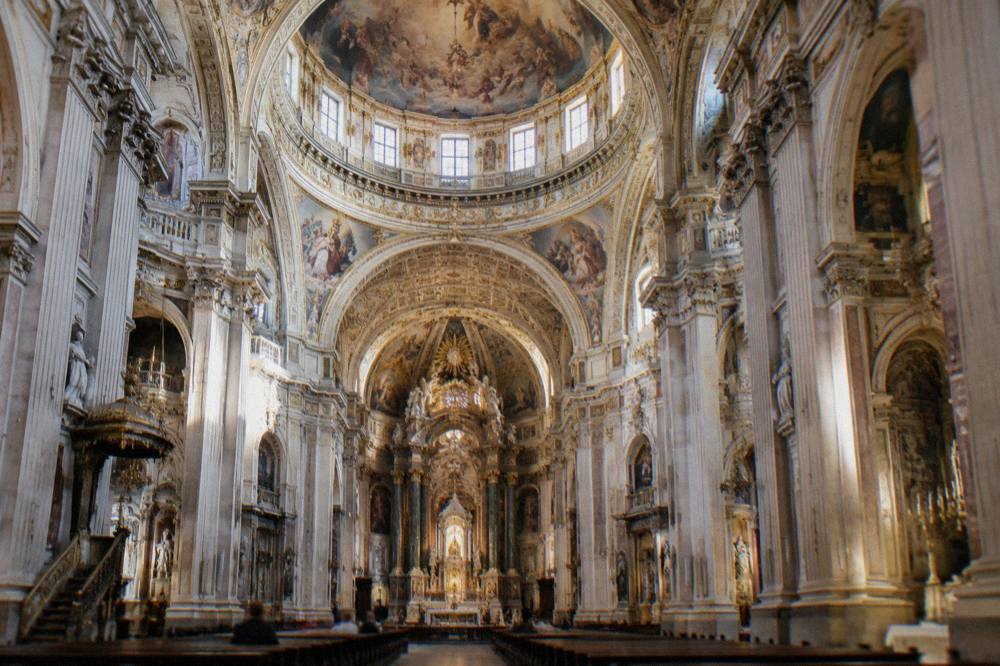
Cross the Plaza del Pilar to La Seo, the Cathedral of San Salvador, where the general ticket costs EUR 10 and includes the Museo de Tapices, the Museo Pilarista and the Rosario de Cristal, with reduced prices of EUR 9 for over-65s and EUR 7 for students and ages 13 to 18, and free entry for under-12s. A combined general-plus-tower ticket is EUR 12. The municipal timetable lists La Seo open Monday to Saturday 10:00-14:30 and 16:00-20:00, Sundays 10:00-12:00 and 16:00-20:00, and Aragon residents enter free on the 6th, 12th, 23rd and 27th of each month. The Museo de Tapices alone justifies the ticket, and it is the collection most visitors have never heard of.
The afternoon is for the streets. The Old District history walk with a guide runs 2.5 hours and covers exactly this ground, the Plaza del Pilar, the Roman walls, the hidden patios and the lanes that most map-led visitors walk straight past, and doing it on day one means everything you see on days two and three clicks into place. The tour runs from $106.92 per person and is rated 5 from 14 reviews on the operator's live listing, and Check availability before you travel, because small-group walks fill on autumn weekends.
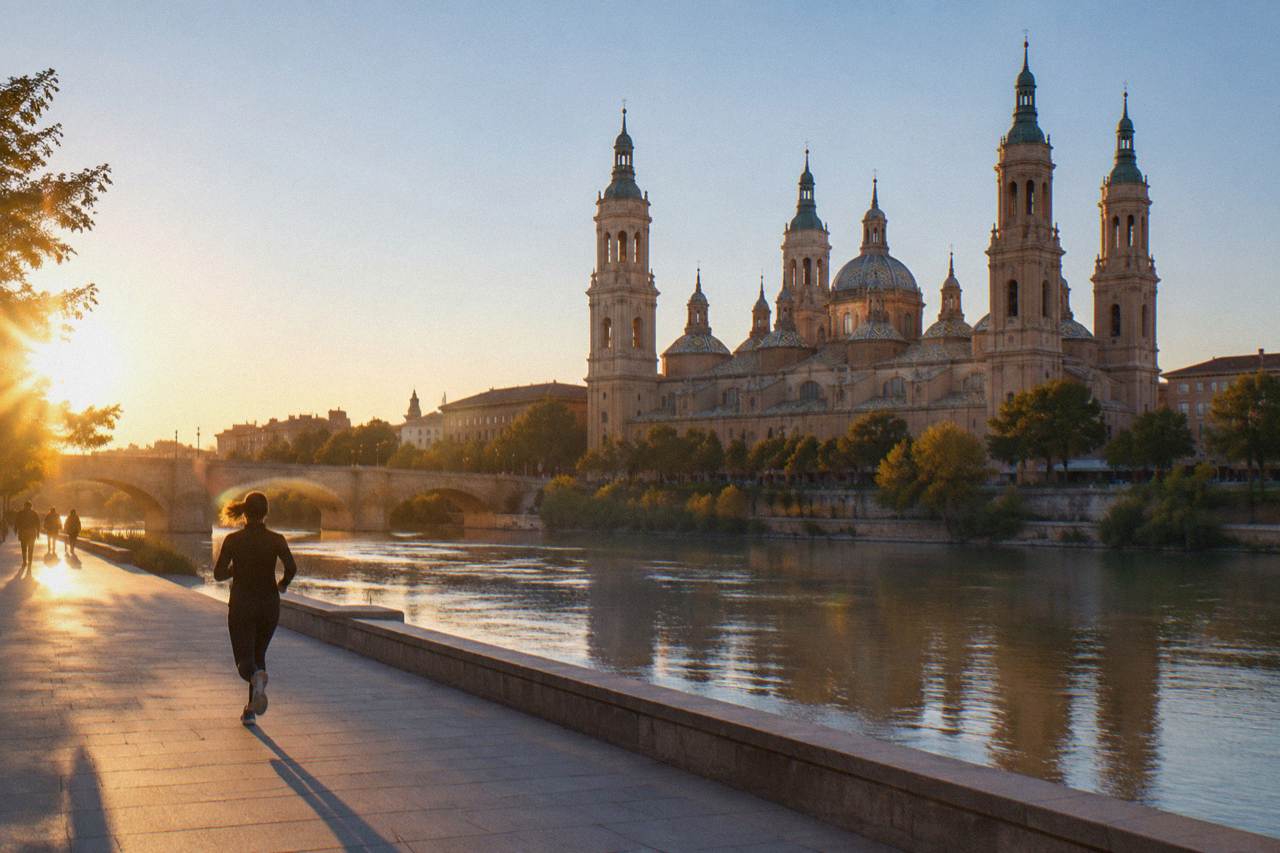
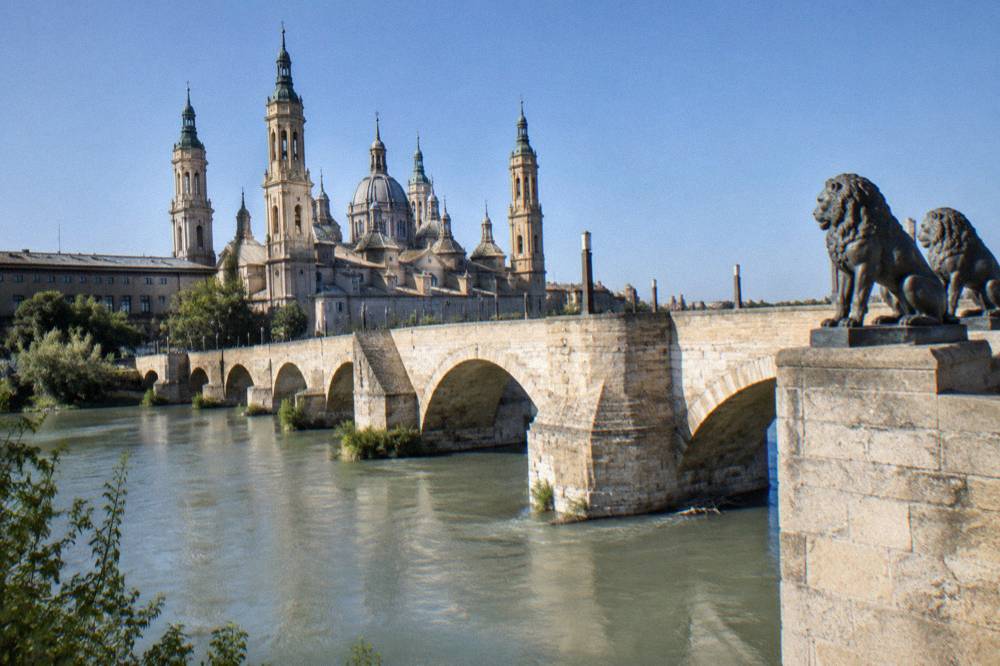
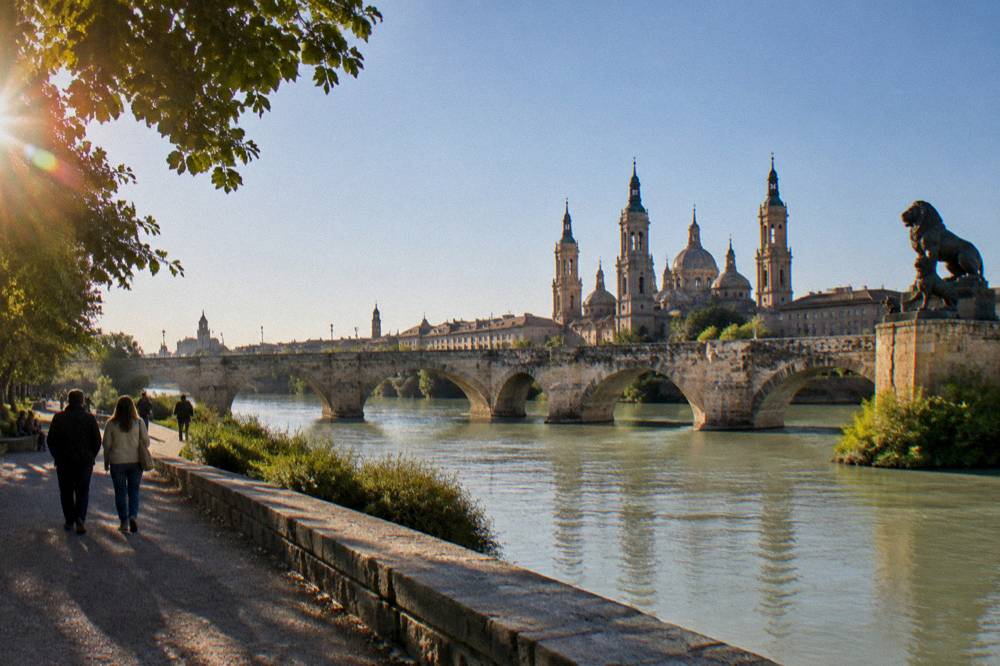
End the day at the Puente de Piedra. The current bridge was built from 1401 and opened in 1440, on the line of a Roman-era crossing, and its four bronze lions have watched the Ebro since 1991. The municipal page records that Napoleonic troops blew up one of its arches in 1813, and the restored span you cross today is the reason the bridge looks slightly asymmetric. From the far bank you get the postcard view of the Pilar over the water, and the evening is when the light is right.
Day Two: The Aljafería, Roman Caesaraugusta And The Ebro Riverside
Day two moves outward: spend the morning at the Aljafería palace, EUR 7 general admission or EUR 9 with a guided tour, return to the centre for the four Caesaraugusta Roman museums on a EUR 7 combined ticket, then walk the Ebro riverside and the Expo meander in the late afternoon. The Aljafería sits west of the centre on the tram line, and the Roman museums cluster around the Plaza del Pilar, so the day is two short hops rather than one long march.
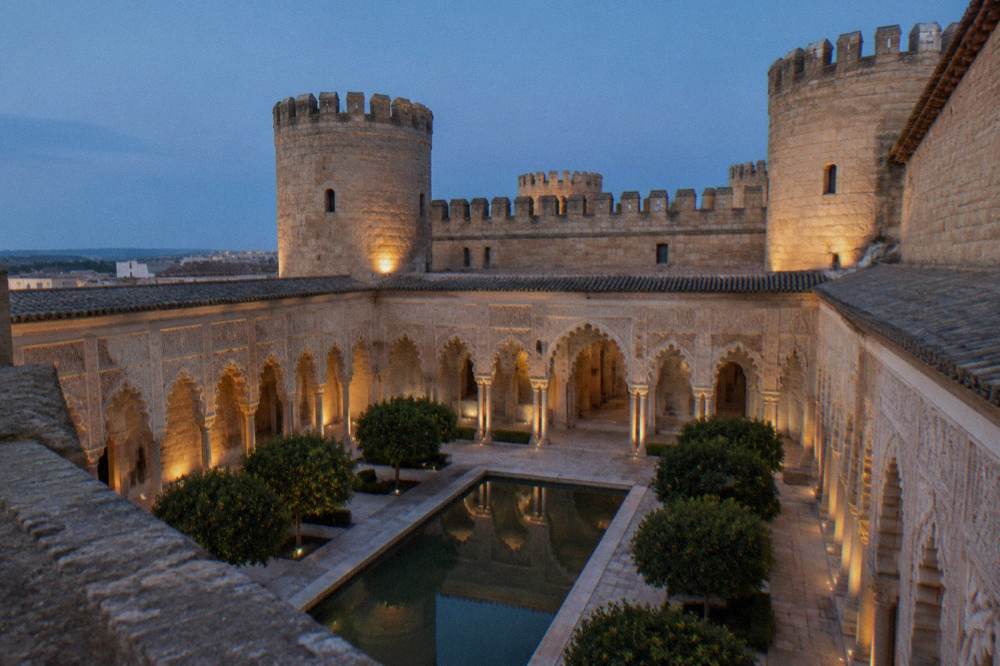
The Aljafería is the finest Islamic palace in Spain outside Andalusia, a taifa palace of the Muslim period later used by the Catholic Monarchs, and the municipal October timetable lists it open daily 10:00-18:00, with last access 45 minutes before closing. General admission is EUR 7, a ticket with guided tour EUR 9, EUR 4 if you hold a tourist bus ticket, EUR 2 for students, over-65s and Carnet Joven holders, and free for under-12s. Entry is free on the first and third Sunday and Monday of each month. Spanish-language guided tours run at 10:30, 12:30, 13:30, 15:00 and 16:00, and tickets are sold through the palace's own ticketing page. If you would rather not navigate the Spanish-language tours alone, the Aljafería ticket and guided visit product runs from $24.76 per person and is rated 4.7 from 82 reviews on its listing.
Back in the centre, Roman Caesaraugusta survives in four museum sites: the Foro, the Puerto Fluvial, the Termas and the Teatro. The municipal timetable lists all four open Tuesday to Saturday 10:00-14:00 and 17:00-21:00, and Sundays and holidays 10:00-14:30. Individual admission is EUR 4 for the Foro and EUR 3 for the Termas and the Puerto, but the four-museum bono at EUR 7, or EUR 5 reduced, is the obvious buy, and entry is free on the first Sunday of the month. The Teatro, the Roman theatre, is the most atmospheric of the four, and the Puerto Fluvial shows how the Roman city used the Ebro as its port. Two sites before lunch and two after is a comfortable rhythm.
The late afternoon belongs to the river. The Ebro walk runs along both banks, and the Parque del Agua Luis Buñuel, more than 120 hectares in the Ranillas meander beside the Expo 2008 site, offers two running circuits of 5 and 10 km and holds a Green Globe certification as the first European green space to do so. The park floods safely in big Ebro rises, which is why it feels so open. For a full account of the riverside stretch, the Ebro river walk guide covers the whole route, and the rainy-day itinerary is the fallback if the weather turns, which in this dry continental climate it does far less often than visitors expect.
Day Three: Museums, Goya, Parks And A Tapas Finale
Day three is the flexible day: the Museo Goya once it reopens on 9 October 2026, the free IAACC Pablo Serrano, the free Torreon de la Zuda viewpoint, the Caesaraugusta museum you missed, or the Parque Grande, closing with the tapas evening you have been building toward for two days. By day three you know the city's geography, so this is the day to slow down and fill the gaps, and the free-entry schedule below shows how to do most of it without spending much at all.
The Museo Goya, the Fundación Ibercaja collection, reopens on 9 October 2026 after renovation and expansion, with new access, immersive spaces and larger galleries. Its own page lists hours of Tuesday to Saturday 10:00-20:00 and Sundays and holidays 10:00-14:00, closed Mondays, with the admission price not yet published, so check the museum's own page before you go. Goya was born in Fuendetodos, in Zaragoza province, and the city's claim on him is genuine, which makes this the one museum opening in Aragon worth planning a trip around. The Goya in Zaragoza guide traces the painter's whole footprint in the city for anyone who wants to go deeper.
The free options are strong. The IAACC Pablo Serrano, the contemporary art museum, is open Tuesday to Saturday 10:00-14:00 and 17:00-21:00 and Sundays 10:00-14:00, free, and the Centro de Historias is free too, open Tuesday to Saturday 10:00-14:00 and 17:00-21:00. The Torreon de la Zuda, with its mirador of the four cultures on the fifth floor, is free and open Monday to Saturday 10:00-14:00 and 16:30-20:00 and Sundays 10:00-14:00. If you are travelling with children, the Zaragoza with kids itinerary adds the Museo del Fuego y los Bomberos at EUR 3 and the Museo del Origami at EUR 3 to the mix, and the aquarium, with a family pack of EUR 55 online for two adults and two children, is the big-ticket family stop.
The evening is the tapas finale. The tapas crawl itinerary sets out the Old Town route, and a guided version does the choosing for you: the evening tapas walking tour in the Old Town runs 3 hours from $106.92 per person and is rated 4.9 from 62 reviews on its listing, while the midday market and tapas tour, rated 5 from 9 reviews, is the alternative for anyone whose evenings are spoken for. For a different night out entirely, the Zaragoza at night itinerary covers the legends and ghosts night tour, 2 hours from $15.76 per person, and the illuminated riverside.
How Much Does Three Days In Zaragoza Cost?
Three days in Zaragoza costs roughly EUR 60 to 90 per person in monument tickets at full price, around EUR 10 in city transport if you walk most of it, and EUR 5.20 a day less if you use the first-Sunday free-entry days, with no tourist tax because Aragon has none. The regional government ruled out a tourist tax in September 2026, so the bill you see is the bill you pay. The table below prices every paid stop on this itinerary with the municipal 2026 figures.
| Itinerary stop | Adult price | Reduced price | Free options |
|---|---|---|---|
| Basílica del Pilar, temple entry | Free | Free | Always free |
| Basílica del Pilar, Torre Mirador | EUR 6 | EUR 4-5 | Under 12 |
| La Seo, general ticket | EUR 10 | EUR 7-9 | Under 12; Aragon residents on the 6th, 12th, 23rd, 27th |
| Aljafería, general | EUR 7 | EUR 2 | Under 12; 1st and 3rd Sunday and Monday |
| Aljafería, with guided tour | EUR 9 | EUR 2 | Under 12 |
| Caesaraugusta 4-museum bono | EUR 7 | EUR 5 | 1st Sunday of the month |
| Museo del Fuego y los Bomberos | EUR 3 | - | 1st Sunday |
| Museo del Origami | EUR 3 | - | 1st Tuesday and Sunday |
| IAACC Pablo Serrano | Free | Free | Always free |
| Torreon de la Zuda | Free | Free | Always free |
Transport adds little. The tram and urban bus single is EUR 1.70, or EUR 0.55 with the Tarjeta Bus, which itself costs EUR 7 and works on both. The tourist bus, a 24-hour hop-on hop-off with 16 stops on a 90-minute loop, is EUR 10, and it is the one transport spend that doubles as a sight. The Bizi bike share day pass is EUR 1 fixed plus EUR 0.50 for the first 30 minutes of each trip, with a EUR 50 card deposit held. If you arrive by plane, the airport bus is line 505, EUR 4.65 single or EUR 2.25 with a Lazo card, taking 25 to 35 minutes into the centre. For the full picture, the Zaragoza cost and budget guide breaks down accommodation tiers and daily spending. The wider set of guides lives on Zaragoza Travel Guide.
| Transport option | 2026 price | Notes |
|---|---|---|
| Bus or tram single | EUR 1.70 | No transfer; EUR 1.00 on night lines |
| Bus or tram with Tarjeta Bus | EUR 0.55 | Card itself EUR 7, valid on bus and tram |
| Tourist bus, 24 h ticket | EUR 10 | 16 stops, 90-minute loop, cash only on the bus |
| Bizi day pass | EUR 1 + EUR 0.50 per trip | First 30 min per trip; EUR 50 card deposit held |
| Airport bus, line 505 | EUR 4.65 single | EUR 2.25 with Lazo card; 25-35 min |
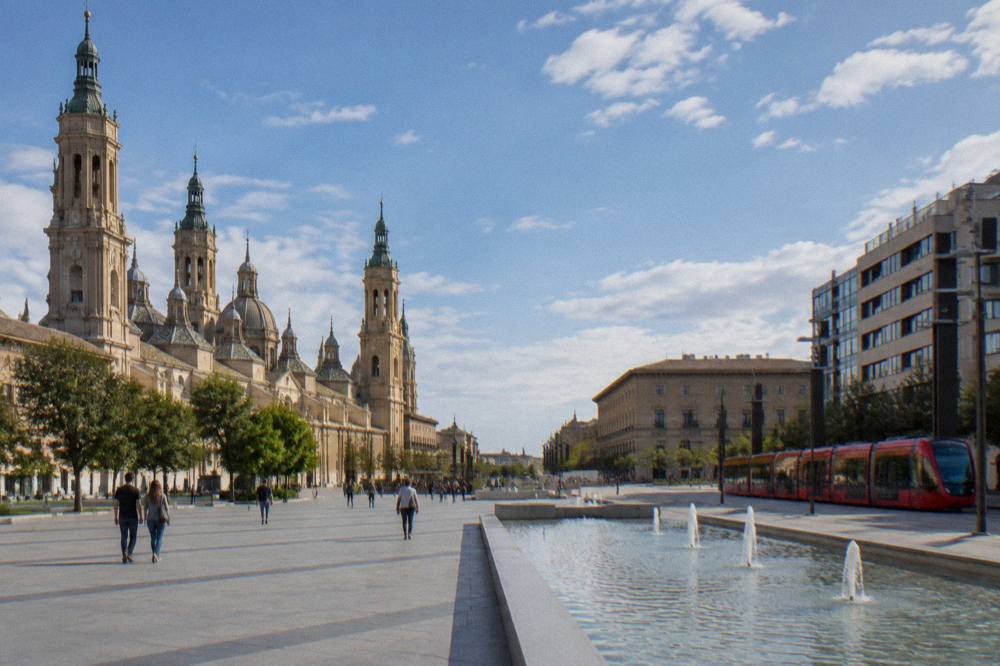
What Is The Best Time Of Year For Three Days In Zaragoza?
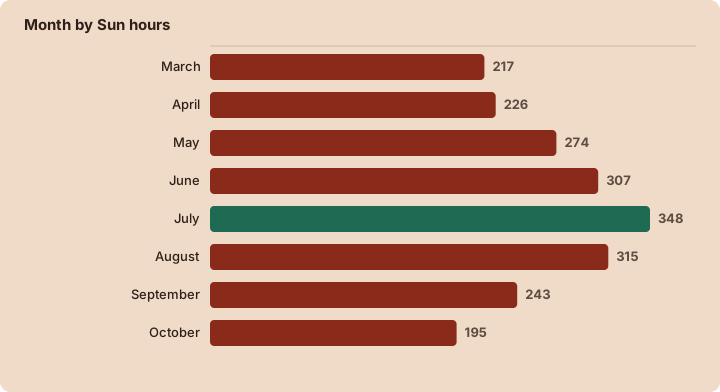
The best months for three days in Zaragoza are May, June, September and October: AEMET's 1981-2010 normals for the Zaragoza Aeropuerto station show May at a mean of 18 C and 44 mm of rain, June at 22.6 C, September at 21.2 C and October at 16.2 C, while July and August average mean maxima of 32.4 C and 31.7 C, which is hot for a walking-heavy itinerary. October carries the extra prize of the Fiestas del Pilar, and spring carries the Ebro valley at its greenest.
The climate table below is the one to plan from, and every figure is the 1981-2010 average for the Zaragoza Aeropuerto station, the only window the station page publishes. Zaragoza is inland and dry, with 322 mm of rain across the whole year, which is less than most of coastal Spain, and its wettest month is May at 44 mm while July and August are the driest at 17 mm each. The Zaragoza weather guide unpacks the cierzo, the cold, dry north-west wind that funnels down the Ebro valley, and why it makes winter days feel sharper than the thermometer suggests.
| Month | Mean max C | Mean C | Mean min C | Rain mm | Rain days 1 mm+ | Sun hours |
|---|---|---|---|---|---|---|
| March | 17.3 | 11.6 | 5.8 | 19 | 3.7 | 217 |
| April | 19.6 | 13.8 | 7.9 | 39 | 5.7 | 226 |
| May | 24.1 | 18.0 | 11.8 | 44 | 6.4 | 274 |
| June | 29.3 | 22.6 | 15.8 | 26 | 4.0 | 307 |
| July | 32.4 | 25.3 | 18.3 | 17 | 2.6 | 348 |
| August | 31.7 | 25.0 | 18.3 | 17 | 2.3 | 315 |
| September | 27.1 | 21.2 | 15.2 | 30 | 3.2 | 243 |
| October | 21.4 | 16.2 | 11.0 | 36 | 5.4 | 195 |
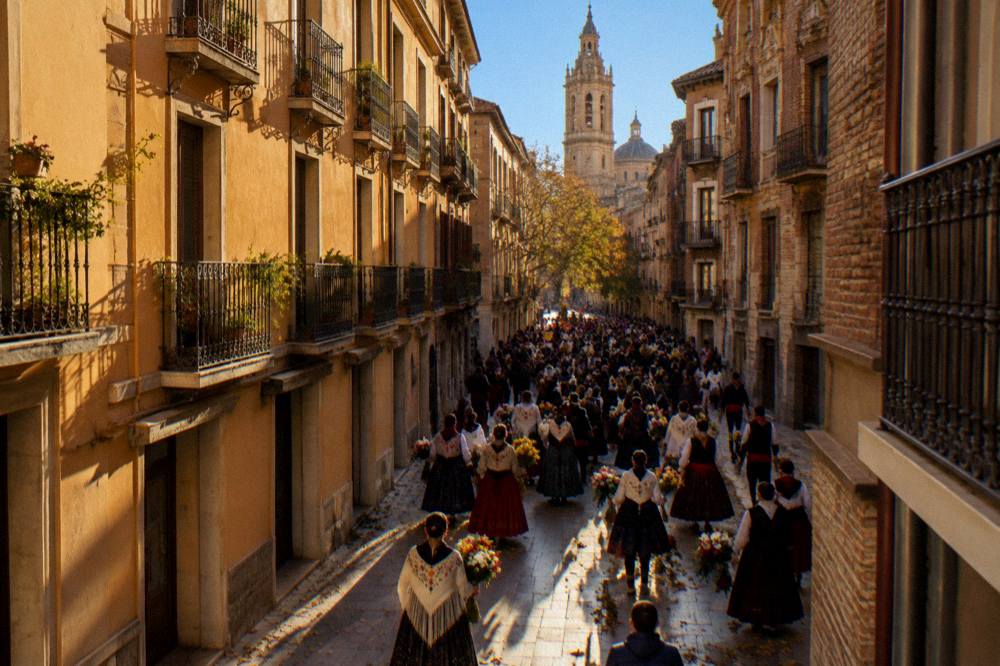
October deserves its own paragraph. The Fiestas del Pilar run from 10 to 18 October 2026, with the Ofrenda de Flores on 12 October, when hundreds of groups in regional dress carry flowers from the Paseo de la Independencia to a flower-mountain built in the Plaza del Pilar. The city's own page confirms the pregón opens the fiesta on 10 October at 21:00 from the Ayuntamiento balcony, and reported programmes add the Ofrenda de Frutos and the Rosario de Cristal on 13 October. Three days that overlap the fiesta are louder, busier and unlike any other weekend of the year, and the best time to visit guide weighs the trade-offs month by month.
How Should You Get Around Zaragoza During Three Days?
Walk almost everything, and use the tram or bus only for the Aljafería and the Parque del Agua: the bus and tram single is EUR 1.70, or EUR 0.55 with the EUR 7 Tarjeta Bus, the tourist bus is EUR 10 for 24 hours across 16 stops, and the Bizi day pass is EUR 1 plus EUR 0.50 per trip under 30 minutes. Days one and three of this itinerary need no transport at all if you stay in the centre, and day two needs one tram ride.
The 2026 Avanza fare table lists the single at EUR 1.70 with no transfer, EUR 1.00 on night lines, and EUR 0.55 with the Tarjeta Bus. The tourist bus is the exception worth considering: EUR 10 for a general 24-hour ticket, 16 stops and a 90-minute loop, with discounts available, and it is cash only on the bus. The Aljafería discount for tourist bus holders, EUR 4 admission instead of EUR 7, means the bus partly pays for itself if day two is your Aljafería day.
Two driving notes if you are coming by car. The ZBE low-emission zone in the Casco Histórico is active with sanctions since 12 December 2025, Monday to Friday 08:00-20:00, and requires a DGT environmental label, with a 15-minute grace period if you enter by mistake. The getting around guide covers car parks and the tram network in full.
Should You Add A Day Trip To A Three-Day Zaragoza Stay?
No, not on a first visit: three days is the right length for Zaragoza itself, and a day trip belongs to a fourth day, with Monasterio de Piedra, Albarracín, Teruel and Loarre all reachable from the city, and the Pyrenees excursions to Canfranc, Jaca and Aínsa running 11 hours from Zaragoza. Squeezing a day trip into a three-day stay means cutting the Aljafería or the Roman museums, and that trade is a bad one on a first visit.
The day-trip options split into two bands. The half-day and short options, like the olive oil and Belchite tours, run around 5 hours, and Belchite, the Civil War ruin village, is a sobering and unforgettable stop that deserves more than a rushed afternoon. The long options, the Canfranc and Jaca excursion and the Ordesa and Aínsa tour, both run 11 hours from Zaragoza at from $66.40 per person, and they are really a fourth-day commitment. The day trip from Madrid and day trip from Barcelona pages cover the opposite direction, for anyone using Zaragoza as an add-on to a bigger Spanish trip.
If your three days fall in October and you are tempted to swap a museum for a fiesta afternoon, do it. The Fiestas del Pilar programme includes jota competitions, free concerts and family events across the whole city, and the flower offering alone is worth rearranging a day for. The things to do in Zaragoza page is the full catalogue when you want to swap any single stop on this plan for something else.
Common Questions About Three Days In Zaragoza
Is 3 days in Zaragoza enough?
Yes. Three days covers both cathedrals, the Aljafería, the four Caesaraugusta Roman museums, the Ebro riverside, the Parque del Agua and a proper tapas evening, with time to spare. The city centre is compact and walkable, and the sights cluster so tightly that a fourth day is better spent on a day trip than inside the city.
What is the best order to see Zaragoza's main sights?
Day one in the Old Town around the Basílica del Pilar, La Seo and the Puente de Piedra; day two at the Aljafería in the morning and the Roman Caesaraugusta museums plus the Ebro riverside in the afternoon; day three for the museums and parks, ending with tapas. That order groups the sights by walking distance and keeps each day on foot.
How much do tickets cost for Zaragoza's main monuments?
Entering the Basílica del Pilar is free and its tower viewpoint costs EUR 6. La Seo's general ticket is EUR 10 including the Museo de Tapices. The Aljafería is EUR 7 general or EUR 9 with a guided tour. The four Caesaraugusta museums cost EUR 7 on the combined bono. Free-entry days exist for several of them, including the first Sunday of the month at the Caesaraugusta museums.
Is Zaragoza expensive for a three-day trip?
No. There is no tourist tax in Aragon, the regional government having explicitly ruled one out, and a three-day monument ticket budget runs roughly EUR 60 to 90 per person at full price before food and lodging. City transport is EUR 1.70 a single, or EUR 0.55 with the Tarjeta Bus, and many of the best viewpoints and museums are free.
When is the best month for a three-day visit?
May, June, September and October, on AEMET's 1981-2010 averages for the Zaragoza Aeropuerto station: May averages 18 C, September 21.2 C and October 16.2 C, while July and August average mean maxima above 31 C, which is hot for a walking itinerary. October also brings the Fiestas del Pilar, from 10 to 18 October in 2026.
Do you need a car for three days in Zaragoza?
No. Everything on this itinerary is walkable or one tram ride away, and the ZBE low-emission zone in the Casco Histórico restricts unlabelled cars Monday to Friday 08:00-20:00. A car only earns its keep on a fourth day with a day trip to Monasterio de Piedra, Albarracín or the Pyrenees foothills.
The plan above is built entirely from what the city itself publishes: the municipal monument timetable for hours and prices, the Avanza fare table for transport, and AEMET's normals for the weather. Follow it day by day, or swap stops freely, because in a city this compact almost any substitution still leaves you within a ten-minute walk of the Ebro.