Monasterio De Veruela: A Day Trip From Zaragoza
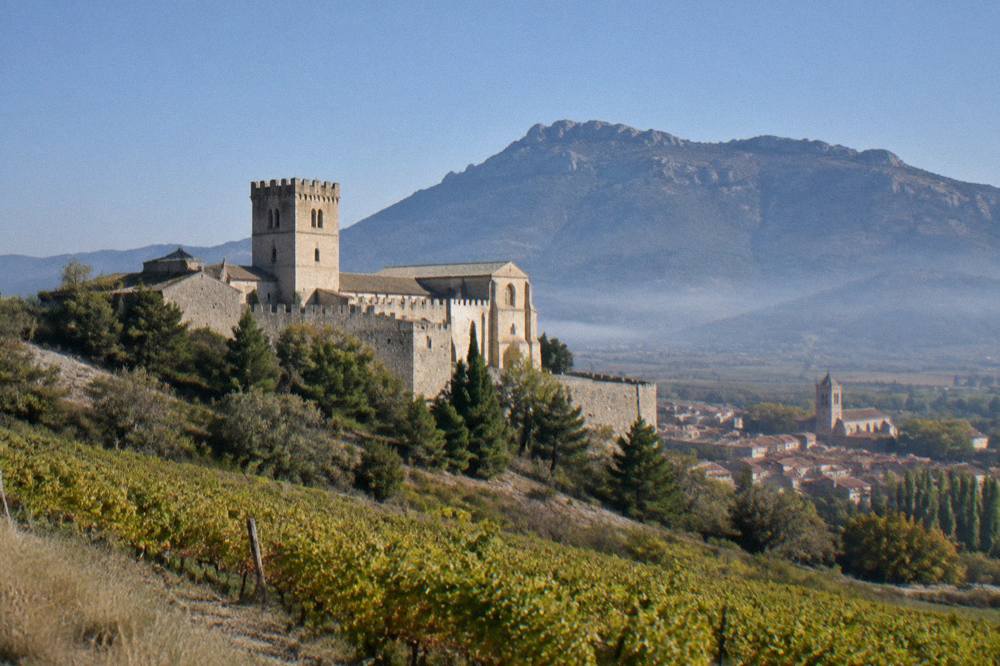
Monasterio de Veruela is a ruined Cistercian abbey in the Vera de Moncayo, west of Zaragoza toward the Moncayo massif, and it makes one of the region's quietest and most atmospheric day trips.
Short answer
Monasterio de Veruela is a former Cistercian monastery at the foot of the Moncayo, reached from Zaragoza by road in the direction of Tarazona. No entry price, opening hour or journey time for the site has been verified, so check the operator's notice before you go.
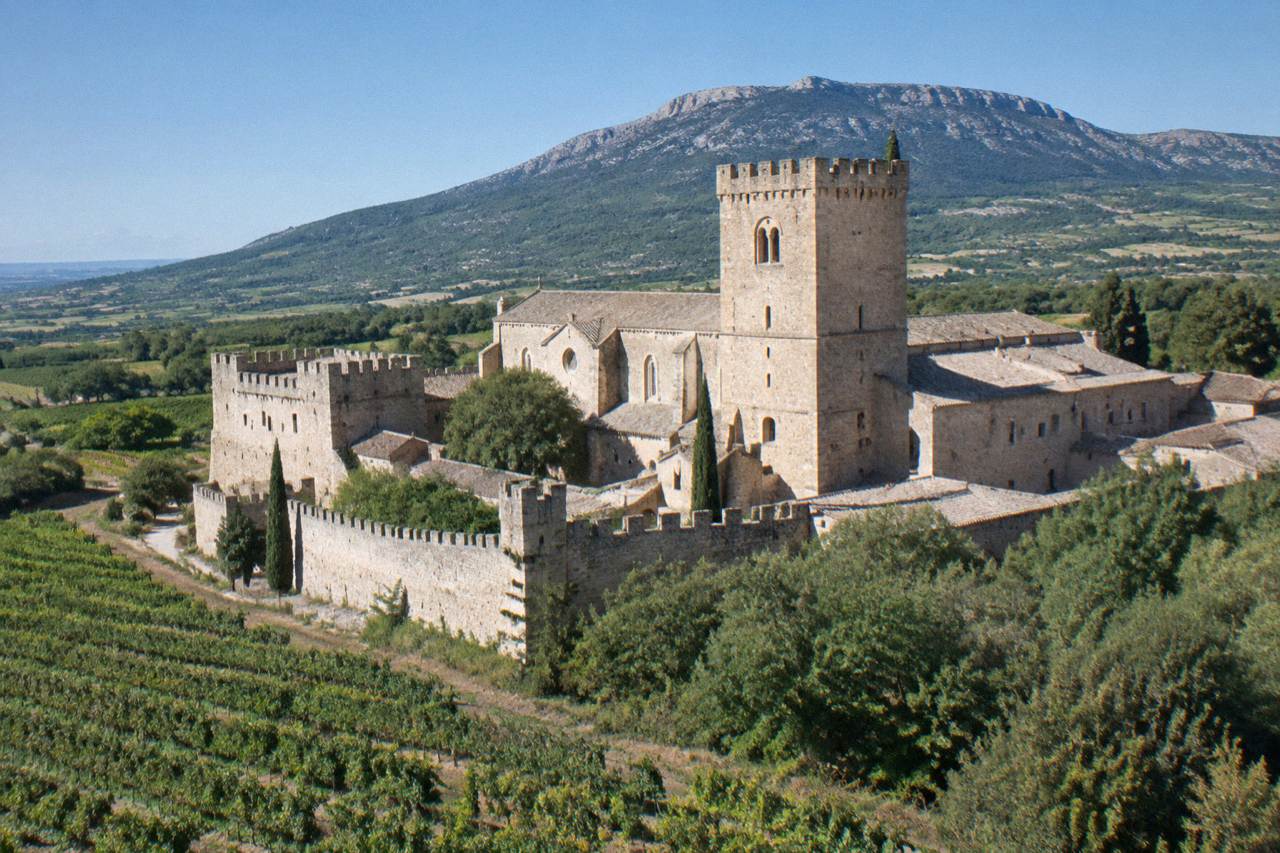
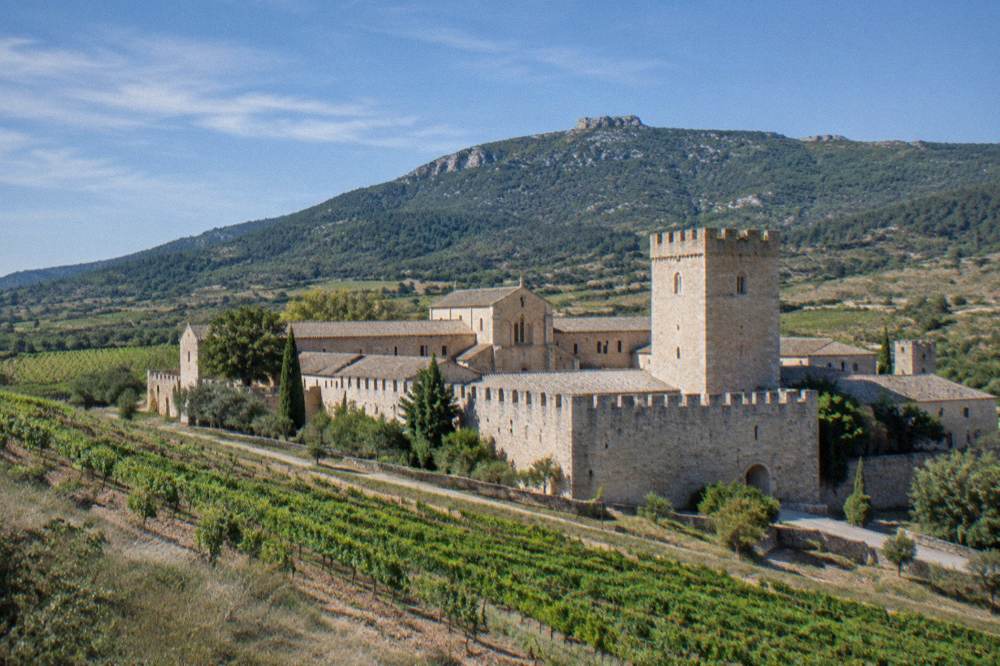
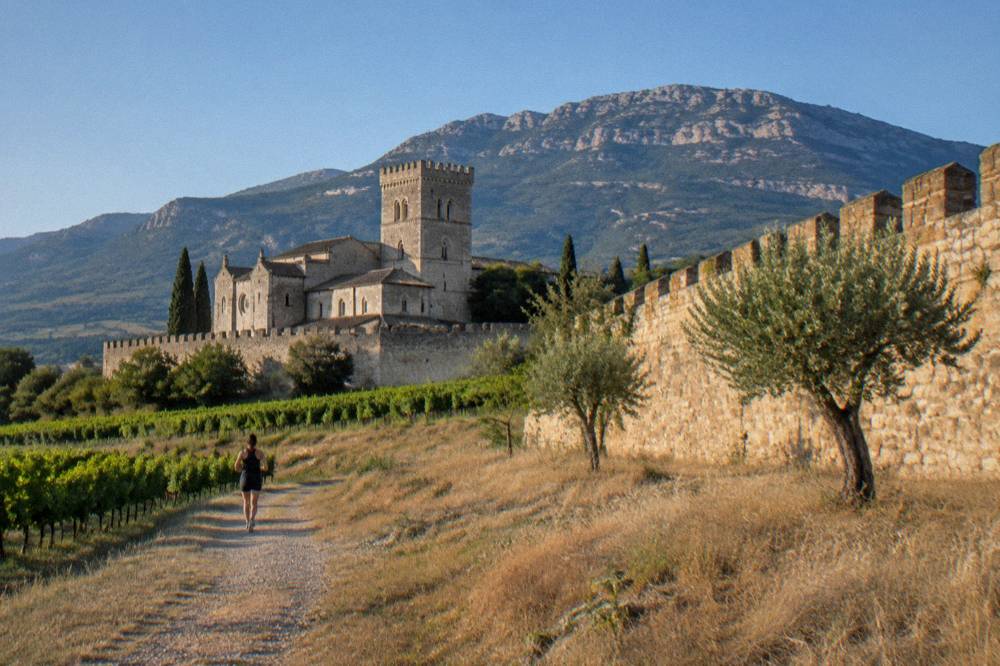
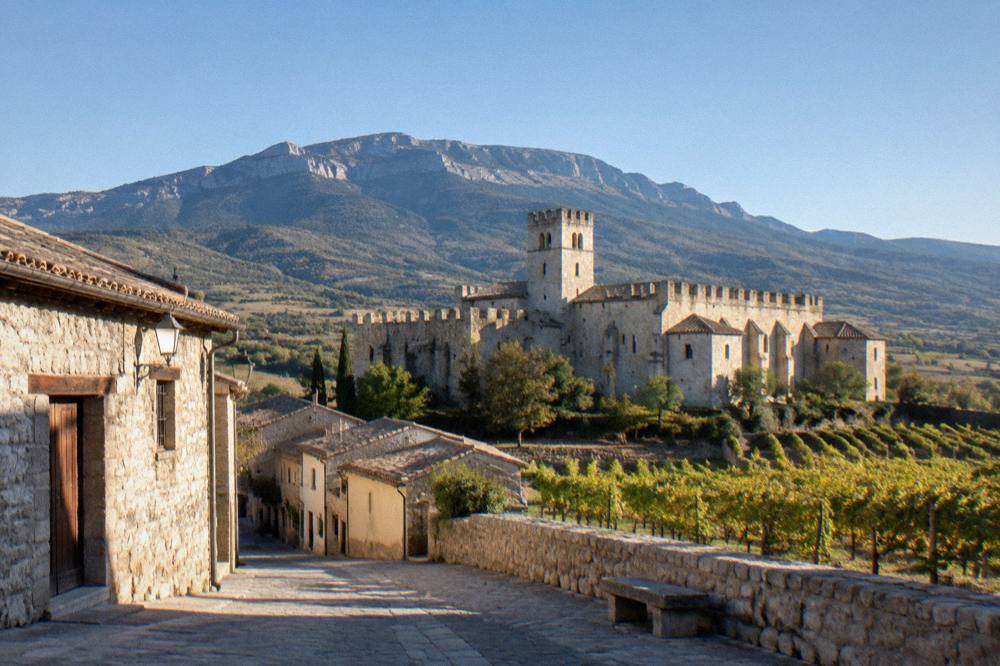
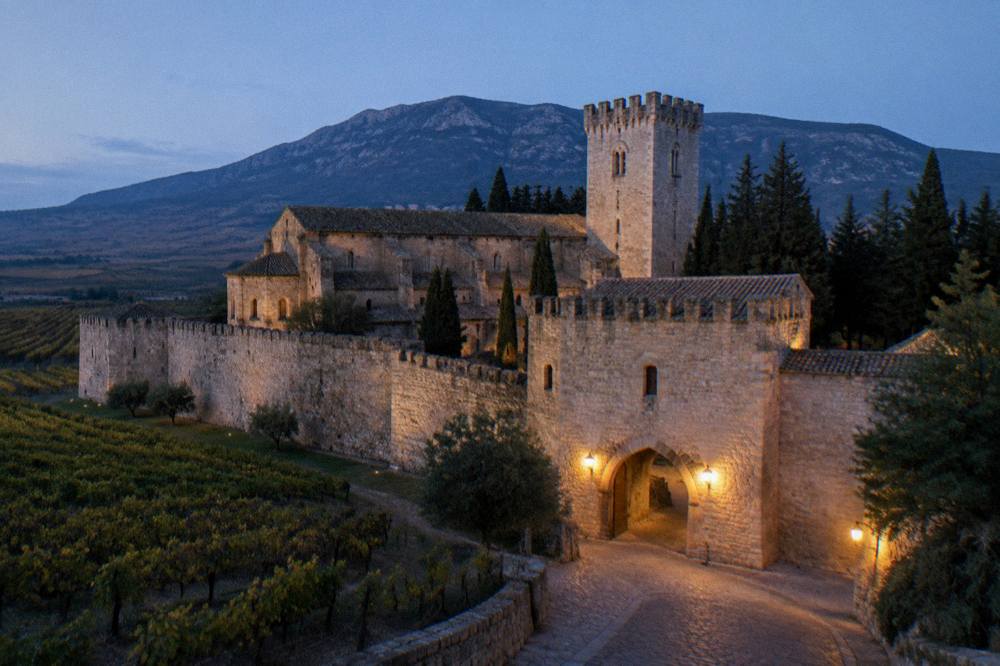
Monasterio de Veruela stands in the Vera de Moncayo, the wooded slope on the Aragonese side of the Moncayo massif, west of Zaragoza, the inland capital of Aragon on the Ebro. It is a former Cistercian abbey, one of the great monastic ruins of the region, and for visitors based in Zaragoza it offers a day out that could not feel more different from the city's Mudéjar towers and stone lions. The Vera de Moncayo is wine country and forest at the same time: vineyards climb the lower slopes, holm oak and pine cover the hills above, and the monastery sits between the two, enclosed by its own wall, with the mountain rising behind it.
Everything below is built on that, with plain advice on what to check before you set out.
What Is Monasterio De Veruela?
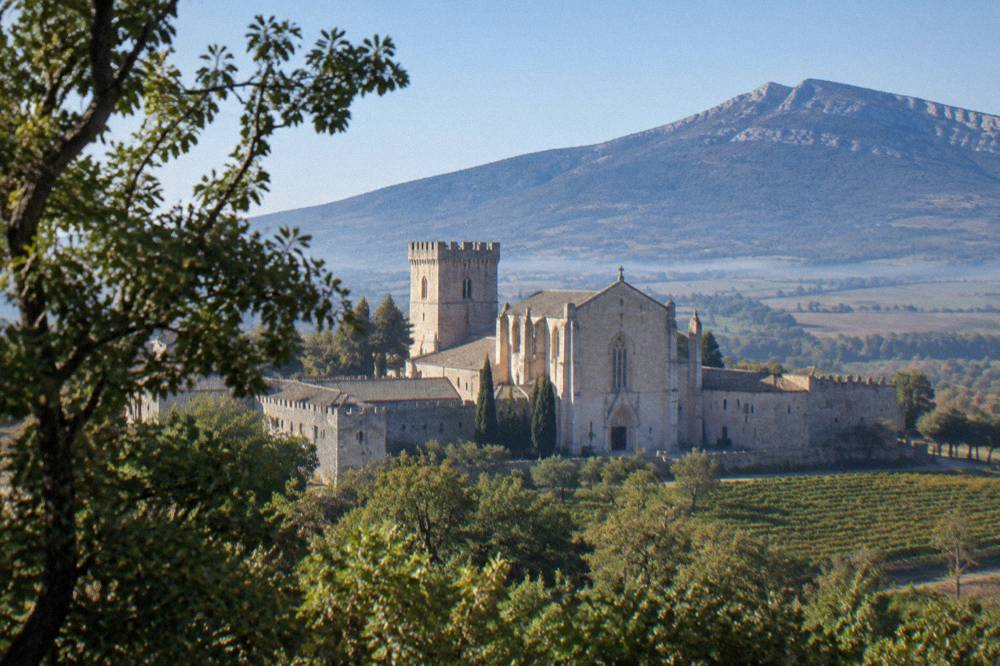
Monasterio de Veruela is a ruined Cistercian monastery in the Vera de Moncayo, on the Aragonese flank of the Moncayo massif west of Zaragoza. Founded by monks of the Cistercian order and long abandoned as a working abbey, it survives as a walled complex of church, cloister and monastic buildings surrounded by woods and vineyards, and it is one of the most atmospheric monastic sites within reach of the Aragonese capital.
The Cistercian character matters to what you actually see. Where a Benedictine or Mozarabic building might be ornate, Cistercian houses were built plain: clean stone, disciplined proportions, light rather than decoration. The order's rules shaped everything from the layout of the cloister to the treatment of the church, and at Veruela that severity is the point. The abbey church, the cloister walks and the monastic ranges around them are the core of a visit, and the wall that encloses the whole complex gives the place the feeling of a small stone city set down in the forest.
The site belongs to the same Aragonese tradition of stone building that produced the Mudéjar churches of Zaragoza itself, though Veruela is not Mudéjar: it is a different, northern, monastic strain of the region's architecture. If you come to Veruela straight from the city's Mudéjar towers, the contrast is the lesson: one tradition built in brick for a mixed medieval city, the other in stone for a community of silence.
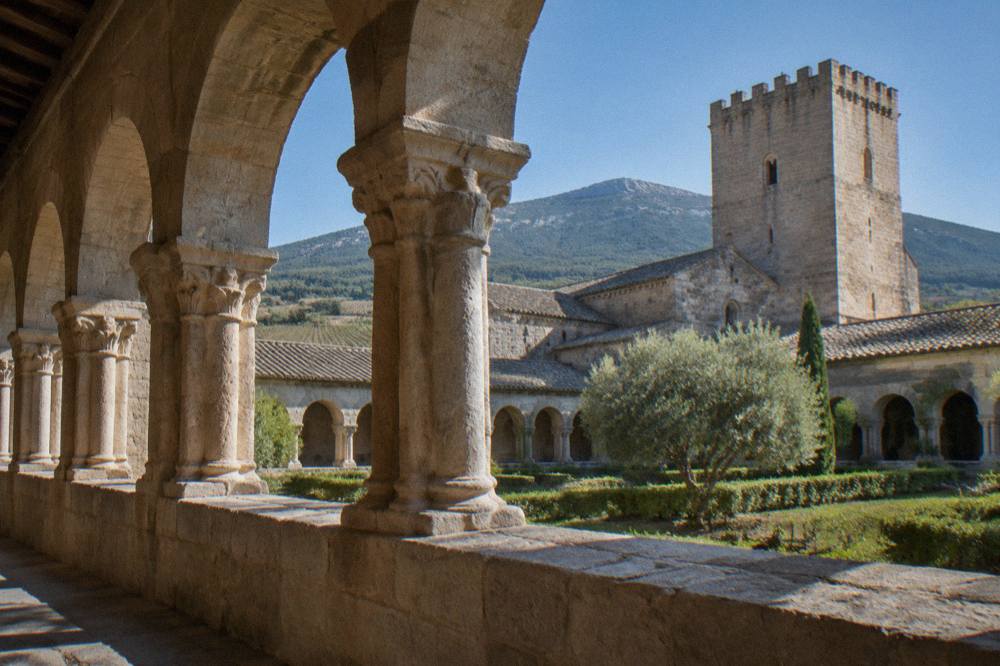
The Vera de Moncayo around it is small-village country. The monastery sits among villages that grew in its shadow, and the whole slope lives from wine and from the mountain. The Moncayo is the highest summit in the Sistema Ibérico within reach of Zaragoza, and its northern and western flanks hold the beech woods that make the natural-park side of the massif famous. A day here is a day of forest air, stone and quiet, which is precisely what the city cannot give you.
How Do You Get To Monasterio De Veruela From Zaragoza?
The monastery lies west of Zaragoza, in the direction of Tarazona and the Moncayo, and the practical way to reach it is by road, either with a hire car or with a booked excursion. No verified train or bus timetable, distance or drive time exists for this route, so plan on checking the current operator information before you set out, and treat any figure you see elsewhere with caution.
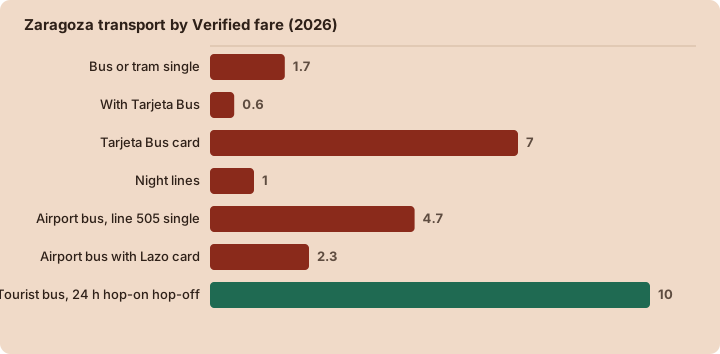
Within Zaragoza itself the verified numbers are solid. The urban bus and tram single is 1.70 EUR, or 0.55 EUR with a Tarjeta Bus, and the card costs 7 EUR and is valid on both bus and tram, per the 2026 Avanza fare table. The airport bus is line 505, never 44 or 501, at 4.65 EUR single or about 2.25 EUR with a Lazo card, running about 25 to 35 minutes and timed to flights. Those fares get you around the city, but for the run west toward the Moncayo you are planning a road journey, and the site's own notice is the place to confirm access details before you go.
| Zaragoza transport | Verified fare (2026) |
|---|---|
| Bus or tram single | 1.70 EUR |
| With Tarjeta Bus | 0.55 EUR |
| Tarjeta Bus card | 7 EUR |
| Night lines | 1.00 EUR |
| Airport bus, line 505 single | 4.65 EUR |
| Airport bus with Lazo card | about 2.25 EUR |
| Tourist bus, 24 h hop-on hop-off | 10 EUR |
Two practical notes for drivers. First, Zaragoza operates a low-emission zone in the Casco Histórico: restrictions with sanctions have applied since 12 December 2025, Monday to Friday 08:00 to 20:00, and vehicles without a DGT environmental label are the ones restricted. Second, there is no tourist tax in Aragon: the regional government explicitly ruled one out in September 2026, so your budget does not need a line for it. If you would rather not drive at all, the guided options below cover the city end of the trip, and the old town monumental walk is the natural first evening in Zaragoza before a monastery day.
What Can You See At The Monastery?
The core of a visit is the abbey church, the cloister and the walled monastic ranges, set in woods at the foot of the Moncayo. The church is the largest single space, the cloister is the heart of the monastic plan, and the enclosing wall, gatehouse and surrounding vineyards complete a site that rewards slow walking rather than a checklist.
Come expecting architecture, not a museum. The Cistercian plan was standardised across Europe: church on one side of the cloister, domestic ranges on the others, everything inside a wall with a single gate. At Veruela that plan reads clearly because the complex survived as a whole rather than as a fragment. Walk the cloister walks while the light moves across the stone, then step into the church and look at how little ornament the order permitted itself. The plainness is not decay: it is doctrine, and it is what distinguishes a Cistercian house from the decorated churches of the Ebro valley.
Because no opening hours for the site have been verified, do not build a timetable around an assumed closing time. Check the official notice before you go, and build slack into the day. The Vera de Moncayo rewards it: the villages nearby, the vineyards on the lower slopes and the woods climbing toward the Moncayo are all part of the same landscape, and a rushed visit wastes the one thing this corner of Aragon has in quantity, which is calm.
The monastery also makes a strong pairing with a city morning. Zaragoza's own sights are cheap and dense: entering the Basílica del Pilar is free, the Pilar tower viewpoint is 6 EUR for an adult, La Seo is 10 EUR general including the Museo de Tapices, and the Aljafería is 7 EUR general or 9 EUR with a guided tour, per the municipal October timetable. A monastery day therefore works best as the second or third day of a Zaragoza stay, after the city's stones have set the baseline.
| Zaragoza sight | Adult price (verified) | Notes |
|---|---|---|
| Basílica del Pilar, temple entry | free | tower viewpoint charged separately |
| Pilar tower viewpoint | 6 EUR | 5 EUR over 65 or residents, 4 EUR ages 13-18 |
| La Seo cathedral | 10 EUR | includes Museo de Tapices and Museo Pilarista |
| Aljafería palace | 7 EUR | 9 EUR guided, 4 EUR with tourist bus ticket |
| Caesaraugusta 4-museum bono | 7 EUR | 5 EUR reduced, single museums 3-4 EUR |
| IAACC Pablo Serrano | free | Tue-Sat 10-14 and 17-21 |
The city's free-entry days are worth knowing if you are stretching a budget across a multi-day stay. The Caesaraugusta museums are free the first Sunday of the month, the Aljafería is free the first and third Sunday and Monday of each month, and the Museo del Fuego y los Bomberos follows the first-Sunday pattern too. None of that applies at Veruela, but it shapes which day of the week you leave free for the monastery.
| Zaragoza free-entry day | What is free |
|---|---|
| First Sunday of the month | Caesaraugusta museums (Foro, Termas, Puerto Fluvial, Teatro) |
| First and third Sunday and Monday | Aljafería palace |
| First Sunday of the month | Museo del Fuego y los Bomberos |
| First Tuesday and Sunday | Museo del Origami |
Why Is The Vera De Moncayo Wine Country As Well As Mountain?
The Vera de Moncayo is the strip of land between the Moncayo massif and the Ebro valley where vineyards climb the lower slopes below the mountain's woods, and Monasterio de Veruela sits in the middle of it. The monastery's own history is bound up with the vine, and the modern villages of the Vera still live from the same combination of wine and forest that shaped the abbey's estate.
Monastic houses were agricultural estates, and Cistercian estates were run with particular discipline. A monastery in wine country meant cellars, presses and vineyard labour organised by the community, and that economic base is why the complex is large enough to be worth a day trip rather than a photo stop. The landscape you drive through to reach it is the working remnant of the same system: small villages, hillside vineyards, and the mountain pulling the weather inland off the Atlantic-facing slopes.
If wine is the reason you are heading this way, the Carinena wine region is Zaragoza's other great wine day trip, closer to the city on the southern side, and the two make a natural pair on a longer stay. For a guided version closer to home, the 3-Hour Wine Tasting and Tapas evening in the old town is a good way to taste Aragonese bottles without leaving Zaragoza, with Check availability beside the listing.
The mountain above the vineyards is the other half of the day. The Moncayo's beech woods are among the most visited natural sites in Aragon, and the natural-park side of the massif draws hikers from across the region. A Veruela trip can be a monastery morning and a forest afternoon, or the reverse, depending on the season and the light. In autumn the beech colour is the draw; in late spring the slopes are green and the valley warm; in July and August you will want the woods more than the open stone.
When Is The Best Time Of Year To Visit Monasterio De Veruela?
The best months for a Veruela day trip from Zaragoza are May, June, September and October, when AEMET's 1981 to 2010 normals for the Zaragoza Aeropuerto station show mean maxima of 21.4 to 29.3 C and modest rain, with October adding the Fiestas del Pilar to the city end of your trip. July and August are the hottest and driest months, and winter is cool with light rain spread thinly across the season.
Zaragoza's climate is dry continental, and the Moncayo slope modifies it only slightly: the mountain is greener than the city but the same seasonal rhythm applies. AEMET's 1981-2010 normals for the Zaragoza Aeropuerto station put May as the wettest month at 44 mm and July and August the driest at 17 mm, with 322 mm across the whole year over 51.1 days of 1 mm or more. July carries the highest mean maximum at 32.4 C and the most sun at 348 hours, which makes midsummer a morning-only proposition for open stone sites. The wider set of guides lives on Zaragoza Travel Guide.
| Month | Mean max C (1981-2010) | Rain mm (1981-2010) | Sun hours (1981-2010) |
|---|---|---|---|
| March | 17.3 | 19 | 217 |
| May | 24.1 | 44 | 274 |
| June | 29.3 | 26 | 307 |
| July | 32.4 | 17 | 348 |
| September | 27.1 | 30 | 243 |
| October | 21.4 | 36 | 195 |
October deserves a special mention, with a warning attached. The Fiestas del Pilar run from 10 to 18 October 2026, with the Ofrenda de Flores on 12 October, and the city is at its busiest and most festive. It is a superb time to be in Zaragoza and a crowded time to leave it, so if you pair Veruela with Pilar week, plan the monastery for the edges of your stay and give the city the festival days. The Ofrenda de Flores guide covers the flower offering in detail.
One thing not to worry about: the cierzo, Zaragoza's cold, dry north-west wind, is a real feature of the Ebro valley and AEMET issues Aragon wind warnings when it blows hard, but no speed or frequency figure is published for the city, and the mountain slope is partly sheltered country. Bring a layer for the woods and a hat for the open stone, and you have the weather handled.
How Does Veruela Compare With Zaragoza'S Other Day Trips?
Veruela is the quiet, architectural choice among Zaragoza's day trips: where Monasterio de Piedra is waterfalls and parkland, Tarazona is a historic town under the Moncayo, and the Pyrenees excursions are mountains on a grand scale, Veruela is a single monastic ruin in forest, best for visitors who want stillness and stone rather than spectacle.
The comparison matters because you cannot do them all in one stay. Monasterio de Piedra, covered in the Monasterio de Piedra guide, is the family favourite: a monastery too, but one famous for its waterfalls and landscaped park, built for walking with children. Veruela is the truer ruin and the quieter visit. Tarazona, in the Tarazona day-trip guide, is the closest town to Veruela's side of the Moncayo and combines naturally with it on a single day of driving, its Mudéjar and Renaissance layers making a good town-and-abbey pairing.
Further afield, the choices widen. The San Juan de la Peña guide covers Aragon's other great cliff-set monastery, a more dramatic site than Veruela and a longer run from the city. Loarre Castle is the region's flagship fortress. Albarracín and Teruel head south into the Sierra, and Fuendetodos is the Goya village, small and quick. None of these has a verified distance or drive time in the facts, so plan by day-shape rather than by kilometres: one big site per day, with a village or a vineyard in the afternoon.
The honest summary is that Veruela suits a second or third visit to Aragon best. First-timers should clear Zaragoza itself first, and the things to do in Zaragoza overview is the place to start, because the city's density of free and cheap sights is genuinely high and the monastery will still be there on your next trip.
Can You Combine Veruela With Tarazona Or The Moncayo?
Yes, and you should: Veruela, Tarazona and the Moncayo slope form one natural day loop out of Zaragoza, with the monastery as the quiet anchor, Tarazona as the town stop for food and streets, and the mountain villages and woods filling the spaces between, all reached by road in the same westerly direction from the city.
Tarazona is the practical base for this loop. It is a small city with a striking cathedral, a Mudéjar town hall hanging over a street, and a Jewish quarter of steep lanes, and it sits under the same Moncayo that shelters Veruela. Eat there rather than at the monastery: the town has the restaurants, and Aragonese country cooking, from ternasco de Aragón lamb to river vegetables, is at its best in small-town kitchens. Order the lamb slowly and the day arranges itself around it.
The Moncayo itself can be a light addition rather than a second expedition. The villages of the Vera are strung along the slope, and the road between them gives you the forest without a hike. If you want the mountain properly, treat it as its own day and keep Veruela and Tarazona together. There is a bookable excursion from Zaragoza into the Moncayo and Tarazona country, the 7-hour cursed-town trip with food, rated 4.7 from 6 reviews, though it is a guided tour rather than a self-drive loop and its route is the operator's to confirm.
For the city evenings around such a day, Zaragoza rewards a guide. The 2.5-hour old district history walk is a strong choice after a day of quiet stones, and the Most Complete Tour of Zaragoza, with a candy tasting and hidden gems, suits families who need the city to compete with the monastery.
Is Monasterio De Veruela Worth The Trip From Zaragoza?
For most visitors on a first trip, no: Zaragoza's own monuments, from the free Basílica del Pilar to the 7 EUR Aljafería, will fill two days before you need to leave the city. For anyone with a third day, an interest in monastic architecture or a reason to be in wine country, yes: Veruela is the region's most atmospheric ruin within easy reach, and the Vera de Moncayo is a landscape the city cannot imitate.
The deciding factors are season and temperament. In July, with a 32.4 C mean maximum by the 1981-2010 normals, the monastery's open stone is a morning site and the woods are the afternoon's. In May or October the whole day works. If your party includes children, Monasterio de Piedra's waterfalls will beat a silent abbey; if it includes anyone who loves architecture or photography, Veruela wins. And if your stay happens to fall across 10 to 18 October 2026, the Fiestas del Pilar will fight for every day you have, and rightly so.
One city sight should shape your Veruela timing more than any other: the Museo Goya, Fundación Ibercaja, reopens on 9 October 2026 after renovation, open Tue-Sat 10:00-20:00 and Sun and holidays 10:00-14:00, closed Mondays, with no admission price published yet. Goya is Aragon's painter, born at Fuendetodos, and the Fuendetodos day trip is the pilgrimage version of the same interest. A Goya-and-monasteries stay is a genuinely rich four-day Aragon itinerary, and the reopening makes autumn 2026 the season to do it.
Before you travel, confirm the monastery's current access arrangements on the official notice, since no opening hours or entry fee for the site have been verified here, and bring the layer for the woods. The rest, the stone, the cloister and the mountain behind it, has been standing a long time and does not need a timetable to be worth the drive.
Common Questions About Monasterio De Veruela
What is Monasterio de Veruela?
It is a ruined Cistercian monastery in the Vera de Moncayo, on the Aragonese flank of the Moncayo massif west of Zaragoza, a walled complex of abbey church, cloister and monastic buildings set among woods and vineyards.
How far is Monasterio de Veruela from Zaragoza?
No distance or drive time for the route has been verified, so none is printed here. The monastery lies west of Zaragoza in the direction of Tarazona and the Moncayo, and the practical way to reach it is by road or a booked excursion, with current operator information checked before you set out.
What can you see at Monasterio de Veruela?
The abbey church, the cloister walks, the monastic ranges and the enclosing wall with its gatehouse, all in the plain, light-focused style the Cistercian order required, surrounded by the vineyards and forest of the Vera de Moncayo.
Can you combine Monasterio de Veruela with Tarazona?
Yes, the two combine naturally on a single day loop from Zaragoza: the monastery as the quiet anchor, Tarazona for its cathedral, Mudéjar town hall and restaurants, and the villages and woods of the Vera de Moncayo between them.
When is the best time to visit Monasterio de Veruela?
May, June, September and October, when AEMET's 1981-2010 normals for the Zaragoza Aeropuerto station show mean maxima of 21.4 to 29.3 C with modest rain. July and August, with a 32.4 C mean maximum in July, make the open stone a morning-only site.
Is Monasterio de Veruela suitable for children?
Less so than Monasterio de Piedra, whose waterfalls and parkland are built for family walking. Veruela is a quiet architectural site, best for visitors who enjoy stone, silence and photography rather than spectacle.