Actur And Expo Ríbera: Zaragoza's Modern River District Explained
The Actur and Expo Ríbera is the newest face of Zaragoza, Spain: a riverside district built around the Expo 2008 site, one of Europe's largest river parks and the city's boldest contemporary architecture.
Short answer
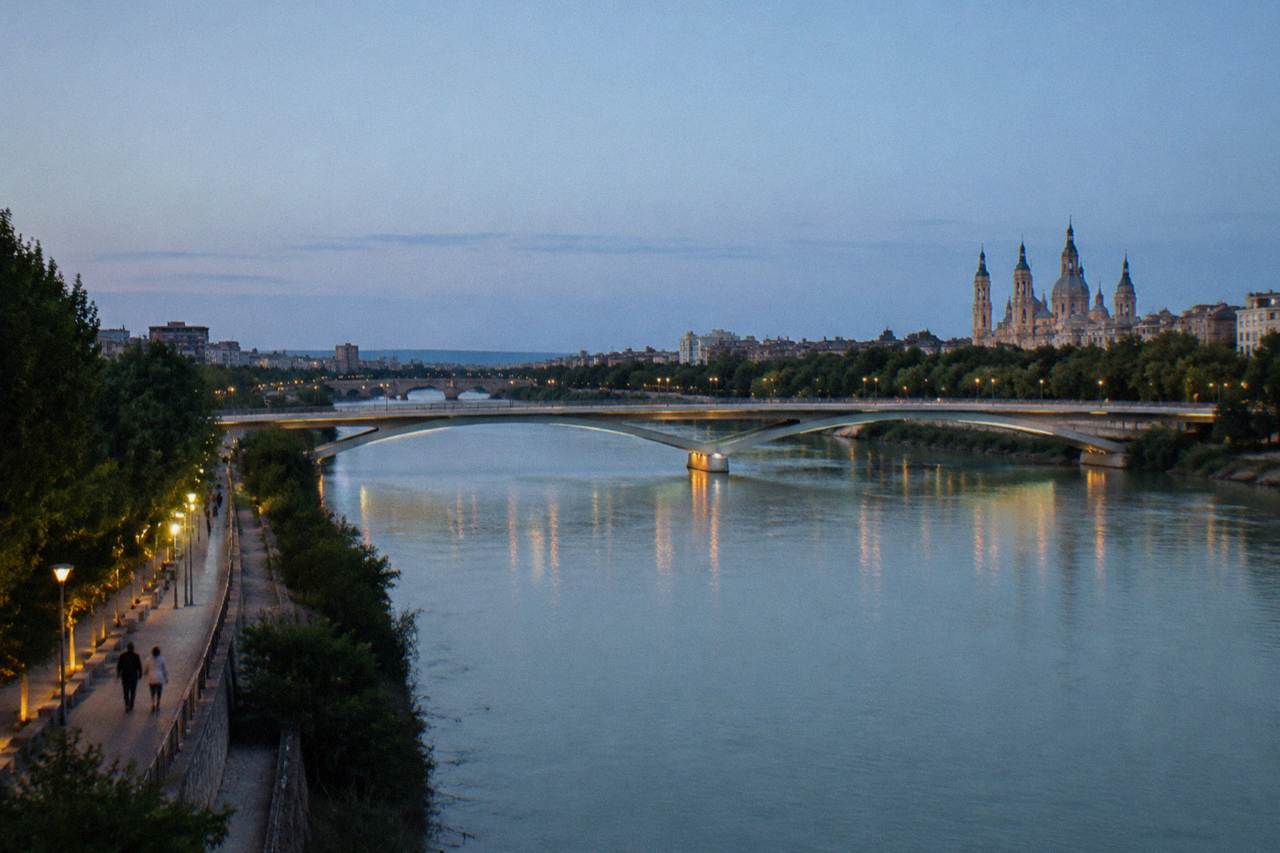
The Actur and Expo Ríbera is the modern northern bank of the Ebro in Zaragoza, Spain, home to the Expo 2008 site, the 120-hectare Parque del Agua Luis Buñuel, the Acuario de Zaragoza and a cluster of landmark bridges. It is flat, family friendly and reachable by tram, and it pairs naturally with a day in the old town.
The Actur and Expo Ríbera is the modern half of Zaragoza, Spain, the capital of Aragon on the Ebro, where the city turns its back on historic stone and faces the river instead. North and west of the historic centre, this district holds the legacy of the 2008 international exposition, a river park of more than 120 hectares, the aquarium that calls itself the largest river aquarium in Europe, and a set of bridges that changed the skyline of the whole city. The name Actur comes from the Actur urbanisation plan, the residential growth zone planned for this bank of the Ebro, and Ríbera refers to the riverside strip the Expo transformed. Together they form the part of Zaragoza where the modern city is on display.
For orientation, the old city sits on the south bank around the Basílica del Pilar, while the Actur and Expo Ríbera occupies the meanders on the opposite side. The district is flat, modern and open, a contrast to the dense lanes of the old town, and it is the part of the city most locals reach by tram. This guide from Zaragoza Travel Guide covers what the district is, what remains of Expo 2008, how to use the park and the aquarium, how to get there, and how to fold it into the rest of a visit.
What Is The Actur And Expo Ríbera District Of Zaragoza?
The Actur and Expo Ríbera is the modern, northern-bank district of Zaragoza, Spain, built around the site of the 2008 international exposition on the Ebro. It combines residential neighbourhoods planned under the Actur scheme with the Expo 2008 grounds, the Parque del Agua Luis Buñuel, the Acuario de Zaragoza and three landmark bridges. It is flat, contemporary in character and distinct from the historic centre on the far bank.
The district has two halves that visitors experience as one. The Actur side is residential: wide avenues, apartment blocks, schools and parks, the ordinary working fabric of a growing city. The Expo Ríbera side is the event footprint, the meander of the Ebro where the international exposition "Water and Sustainable Development" ran in 2008, and where the pavilions, bridges and public spaces were deliberately kept afterwards rather than demolished. Zaragoza is one of the few mid-sized European cities that converted an expo site into a permanent public district rather than a fenced ruin.
What makes the area worth a half-day is the density of contrast. Within a short tram ride of the Paseo de la Independencia you move from Mudéjar towers and Roman walls to a water park, a river aquarium and a bridge built to carry a forest canopy. The district also holds the city's main conference activity, the student population of the campus area and, on the riverside lawns, the everyday Zaragoza of joggers, cyclists and families that a first-time visitor otherwise misses.
What Was Expo 2008 And What Remains On The Site Today?
Expo 2008 was the international exposition on the theme "Water and Sustainable Development", held in Zaragoza, Spain, in 2008 on a meander of the Ebro. Today the site keeps its three signature bridges, the Torre del Agua, the Pabellón Puente, the conference buildings and the adjacent Parque del Agua Luis Buñuel, a public river park of more than 120 hectares. The site is now an open civic district rather than a ticketed attraction.
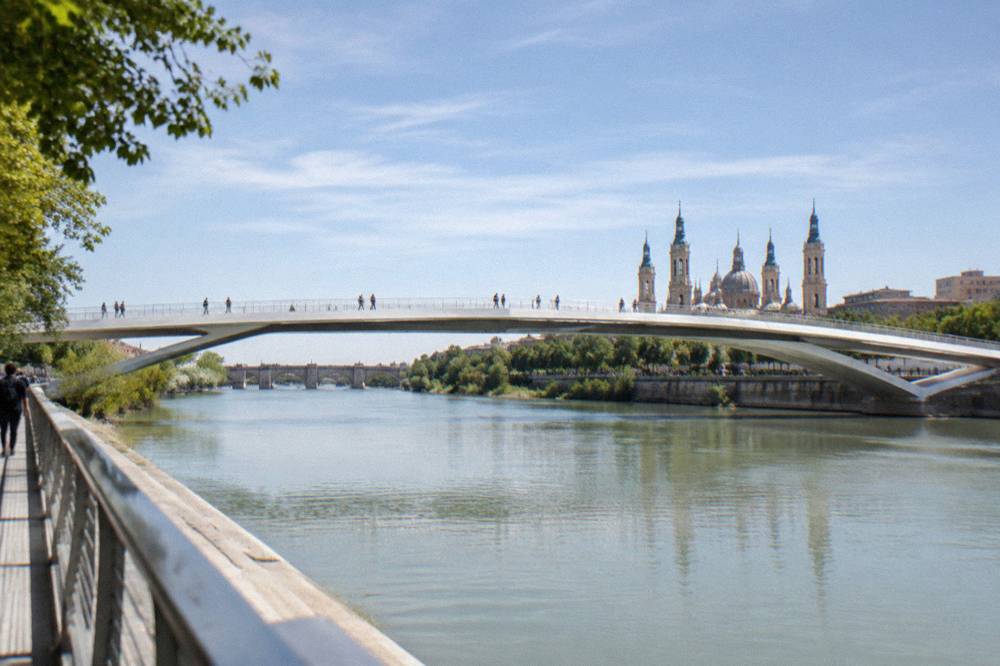
The exposition gave Zaragoza its biggest single physical transformation in living memory. The site was laid out around the Ranillas meander, and the plan was unusual for its era: the buildings and bridges were designed for afterlife, not just for the weeks of the fair. The Torre del Agua, the slender tower that anchored the site, and the Pabellón Puente, the river-spanning pavilion by Zaha Hadid's practice, were both conceived as permanent pieces of the city. The third landmark crossing, the Puente del Tercer Milenio, carries traffic and pedestrians across the Ebro at the upstream end of the meander.
| Expo 2008 legacy landmark | What it is | Visitor status today |
|---|---|---|
| Pabellón Puente | Bridge-pavilion spanning the Ebro, designed as an expo entrance | Exterior viewable at any time; admission details not published |
| Torre del Agua | Tower at the heart of the expo site | Exterior viewable; admission details not published |
| Puente del Tercer Milenio | Cable-stayed road and footbridge at the Ranillas meander | Open crossing, no ticket |
| Parque del Agua Luis Buñuel | River park of more than 120 hectares beside the site | Open public green space |
| Acuario de Zaragoza | River aquarium with 5,000-plus specimens | Ticketed attraction |
| Conference and pavilion buildings | Expo halls reused for events and institutions | Access depends on events |
Walking the site today is free and unguarded. The bridges and the tower are the visual anchors, and the lawns between them host the ordinary life of the district: dog walkers, running clubs, families with pushchairs. The site's full story, including what each pavilion became, is covered in detail on the Expo 2008 site page. What no visit should expect is a museum atmosphere. The Expo Ríbera works as a park with architecture in it, not as a heritage attraction with ropes and audioguides.
The best first visit pairs the district with the monuments across the river. The free Monumental Tour of Zaragoza is a tip-based walk that covers the old-town landmarks, and it makes a natural morning before an afternoon here.
One planning note matters more here than anywhere else in the city: the Torre del Agua and the Pabellón Puente have no verified admission price or opening hours published, so treat both as exterior sights unless a current listing says otherwise, and check any notice at the door before assuming entry. The exterior experience loses nothing, because both buildings read best from the riverbank and from the bridges anyway.
What Can You Do In Parque Del Agua Luis Buñuel?
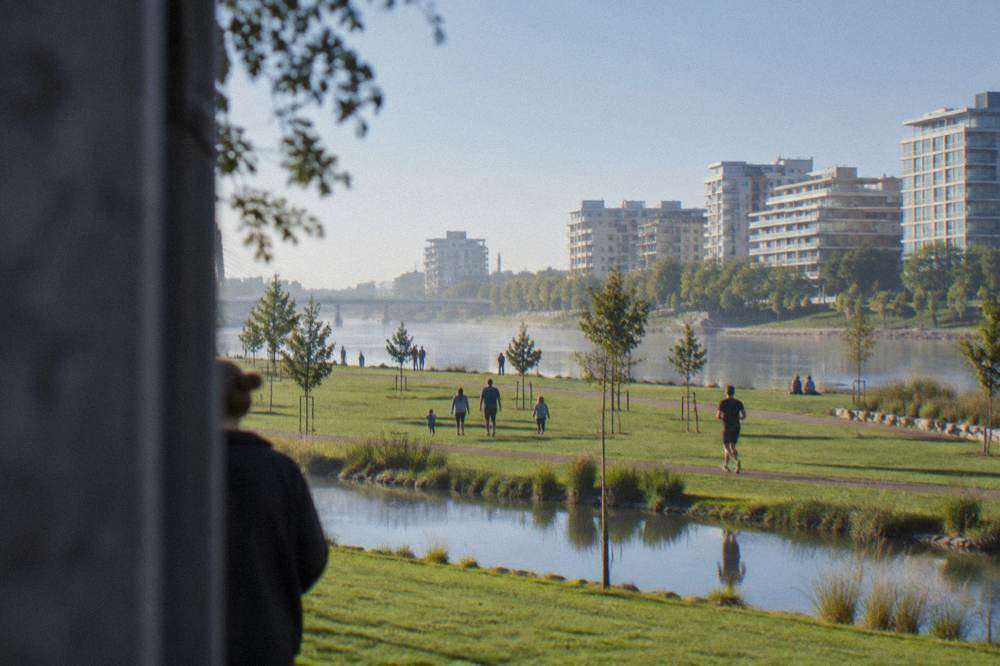
Parque del Agua Luis Buñuel is a public river park of more than 120 hectares in the Ranillas meander beside the Expo site in Zaragoza, Spain, designed to flood safely when the Ebro rises. It offers two marked running circuits of 5 and 10 kilometres, riverside lawns, play areas and water gardens, and it is described by the municipality as the first European green space to hold the Green Globe certification. Entry is free and it never closes behind a ticket.
The park is the quiet triumph of the Expo legacy. Its design accepts the Ebro as a river that rises: large parts of the meander are built to absorb floodwater without damage, which is why the landscape alternates between formal gardens near the site and looser, wilder ground nearer the channel. The municipality's own page for the park lists its two running circuits, 5 and 10 kilometres, and these are the busiest pieces of sporting infrastructure in the district; you will share them with cyclists and rollerbladers on weekend mornings.
For families, the park is the most generous public space in Zaragoza. The lawns are wide, shade is real in summer, and the water features give children something the old town cannot. The Zaragoza with kids itinerary treats the park and the neighbouring aquarium as the anchor of a family day, and that is the right instinct: the two sit beside each other, and the aquarium is the one big-ticket attraction of the district.
| Parque del Agua feature | Detail |
|---|---|
| Size | More than 120 hectares in the Ranillas meander |
| Running circuits | Two marked circuits, 5 km and 10 km |
| Flood design | Built to flood safely in big Ebro rises |
| Certification | Described as the first European green space with the Green Globe |
| Access | Free, open public space, no ticket |
| Setting | Beside the Expo 2008 site on the north bank |
The climate shapes how the park is used. AEMET's 1981 to 2010 normals for the Zaragoza Aeropuerto station show July and August as the driest months at 17 mm of rain each, with July the sunniest at 348 hours, so summer mornings and evenings are the local pattern for outdoor exercise here. May is the wettest month on the same 1981 to 2010 series at 44 mm, and October, the Fiestas del Pilar month, averages 36 mm over 5.4 rain days, which is worth knowing if you plan a picnic around the festival dates of 10 to 18 October.
Is The Acuario De Zaragoza Worth Visiting?
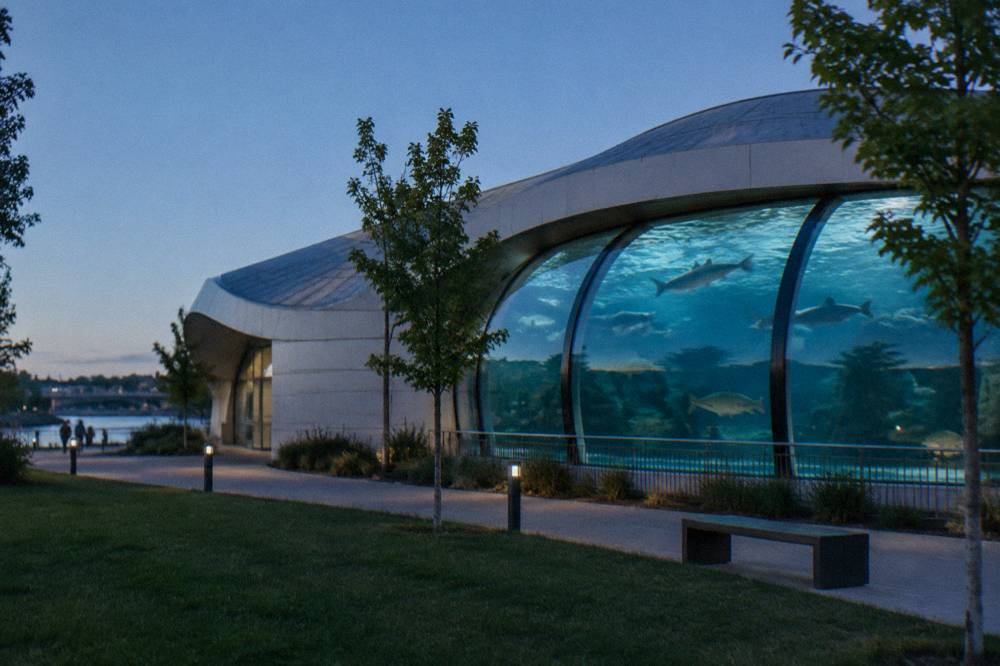
The Acuario de Zaragoza, in the Expo Ríbera district of Zaragoza, Spain, presents itself as the largest river aquarium in Europe, holding more than 5,000 specimens across freshwater river habitats. A general ticket costs 20 EUR, children aged 4 to 14 and seniors pay 14 EUR, under-4s enter free, and an online family pack for two adults and two children costs 55 EUR. Its daily opening hours are not published in a readable form, so check the calendar before you set out.
The aquarium is the one attraction in the district that was built as a permanent visitor destination, and its concept is genuinely different from a sea aquarium: the exhibits follow the world's great rivers, from the Ebro itself to the Nile, the Mekong and the Amazon, which fits the water theme the Expo left behind. For a city with no coast, an aquarium built around rivers rather than oceans is an honest idea, and it shows river species that inland visitors rarely see.
| Acuario de Zaragoza ticket | Price |
|---|---|
| General adult | 20 EUR |
| Child 4 to 14 | 14 EUR |
| Senior | 14 EUR |
| Ages 0 to 3 | Free |
| Online family pack, 2 adults + 2 children | 55 EUR |
Whether it is worth the ticket depends on your party. Families with children get the most from it, and the family pack pricing rewards exactly that group. Adult visitors travelling as a pair may prefer to spend the time and money on the food side of the city instead, using the Zaragoza tapas crawl as the evening half of the day. The honest planning position is this: the aquarium is a rainy-day and family anchor, not a must-see for every itinerary, and the park beside it is free.
One practical caution: the aquarium publishes its opening calendar as an image, and no daily hours are verified here, so do not build a tight schedule around an assumed closing time. Arrive with slack in the day. If the aquarium disappoints, the Puente de Piedra, the stone bridge whose current structure was built in 1401 and opened in 1440, with its four bronze lions added in 1991, is on the walk back toward the centre, and it costs nothing.
How Do You Get To The Actur And Expo Ríbera?
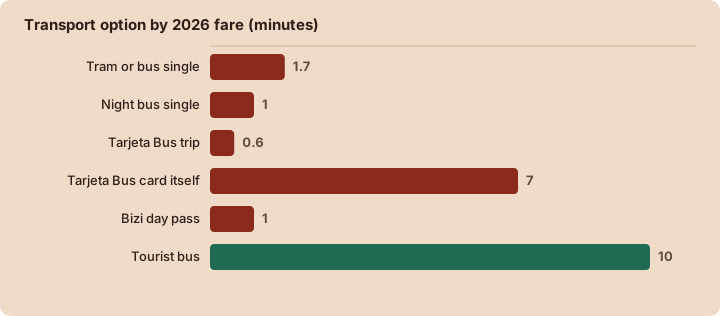
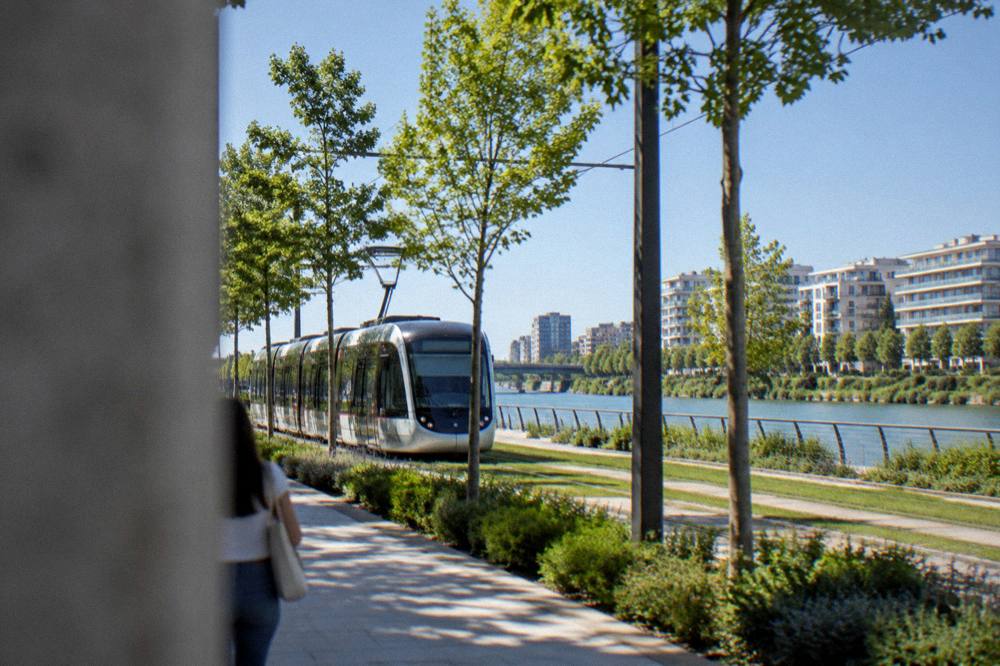
The Actur and Expo Ríbera is reached from central Zaragoza, Spain, by tram along the Zaragoza-Delicias corridor toward the Actur terminus, by urban bus, or on foot across the Ebro bridges in about the time it takes to cross the meadows. A single tram or bus ticket costs 1.70 EUR, or 0.55 EUR with the rechargeable Tarjeta Bus, which itself costs 7 EUR and works on both bus and tram. The district is flat and cycle-friendly, with riverside paths connecting it to the centre.
The tram is the natural answer. The 2026 Avanza fare table lists the urban single at 1.70 EUR for both bus and tram, with the Tarjeta Bus cutting that to 0.55 EUR per trip; night buses cost 1.00 EUR. The card costs 7 EUR and is valid across bus and tram, so a stay of more than a handful of journeys pays for itself quickly. The tram line runs through the Actur, and its stops put you within a short walk of the park's northern edge and the Expo site.
| Transport option | 2026 fare | Notes |
|---|---|---|
| Tram or bus single | 1.70 EUR | No transfer included |
| Night bus single | 1.00 EUR | Night lines |
| Tarjeta Bus trip | 0.55 EUR | Rechargeable card |
| Tarjeta Bus card itself | 7 EUR | Valid on bus and tram |
| Bizi day pass | 1 EUR fixed, plus 0.50 EUR per trip up to 30 min | Bike share, deposit applies |
| Tourist bus | 10 EUR | 24-hour hop-on hop-off, 16 stops, cash on board |
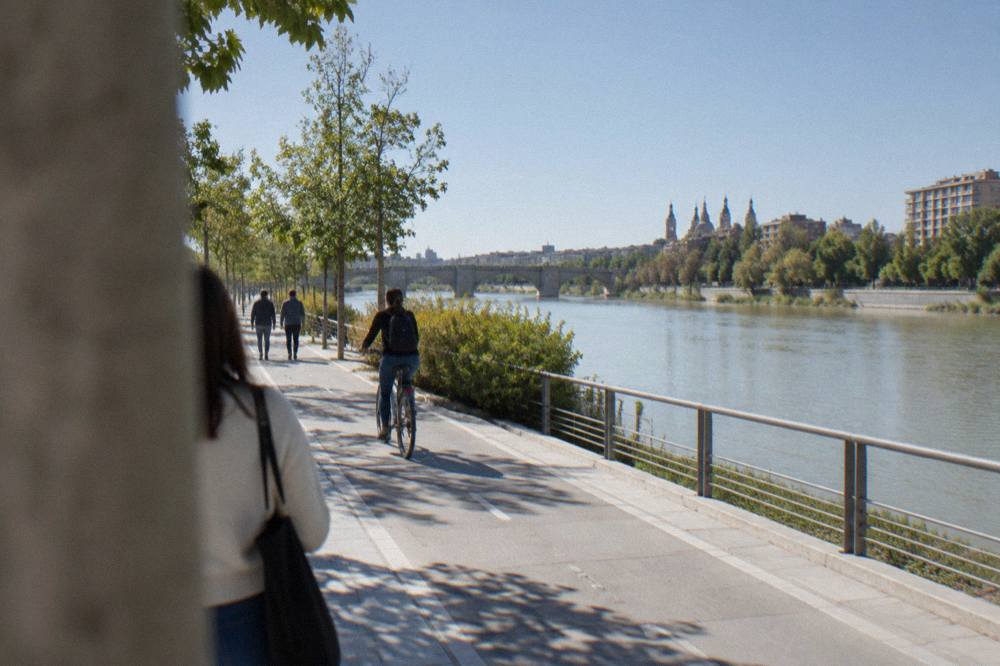
Cycling deserves more attention than most guides give it. The Bizi bike-share day pass costs a fixed 1 EUR plus 0.50 EUR per trip up to 30 minutes, with a card deposit held, and the riverside paths on both banks make the crossing between the old town and the Expo Ríbera one of the best short rides in the city. On foot, the bridges are the point: crossing the Ebro with the Pabellón Puente in view is itself the attraction, and the Ebro river walk route ties the banks together.
If you are arriving from farther afield, the district sits on the same tram corridor that serves Zaragoza-Delicias station, the stop for high-speed services from Madrid and Barcelona, which take about 1.5 to 2 hours. From the airport, bus line 505 runs to the city timed to flights; the fare table lists 4.65 EUR single, cheaper with a Lazo card. Both entry points are covered in detail on the Zaragoza airport page.
Where Should You Eat And Stay Around The Actur?
The Actur side of the district in Zaragoza, Spain, is primarily residential, with neighbourhood restaurants, shopping centres and campus-area eateries rather than the historic tapas-bar density of the old town, where the dense street grid of bars behind the Pilar draws most visitors in the evening. The Expo Ríbera itself is quiet on food, so most visitors eat in the Actur or cross back to the centre. No hotel prices, ratings or opening details are published on this page, so compare current listings when you book.
The honest food advice is geographic. The Actur serves its residents: ordinary, well-priced neighbourhood cooking, bakeries, shopping-centre food courts and the student trade around the campus. It is where Zaragoza eats on a Tuesday, and that has its own value, but it is not the postcard. For the evening, the tapas-bar lattice behind the Pilar, a dense old-town street grid of small bars, is where the city's food reputation lives, and the Zaragoza food guide covers what to order, from ternasco lamb to migas.
Staying in the Actur suits one kind of visitor: the one who wants space, modern apartments, easy parking and a tram link, and who plans to spend evenings in the centre anyway. It suits families and longer stays better than a first-time weekend visitor, for whom the centre or the La Magdalena side of the old town puts the monuments at the door. Compare the trade-offs on the where-to-stay pages before committing, because the district's charm is calm rather than atmosphere.
| Eating and staying around the Actur | Character | Best for |
|---|---|---|
| Actur neighbourhood restaurants | Residential, everyday, well priced | Casual meals, families |
| Campus-area eateries | Student trade, informal | Cheap lunches |
| Expo Ríbera riverside | Park kiosks and event catering | Daytime snacks |
| Old-town tapas grid | Dense bars behind the Pilar | Evening tapas |
| Centro hotels | Walkable to monuments | First-time visitors |
| Actur apartments | Space, parking, tram link | Families, longer stays |
A good compromise day eats in the district at lunch, when the neighbourhood kitchens are at their most local, and crosses the river for dinner. The tram makes this painless, and the walk back over a lit bridge is one of the district's free pleasures. For a guided version of the evening half, a tapas walk with a local covers the old-town bars without the guesswork.
How Do You Combine The Expo Ríbera With The Rest Of Zaragoza?
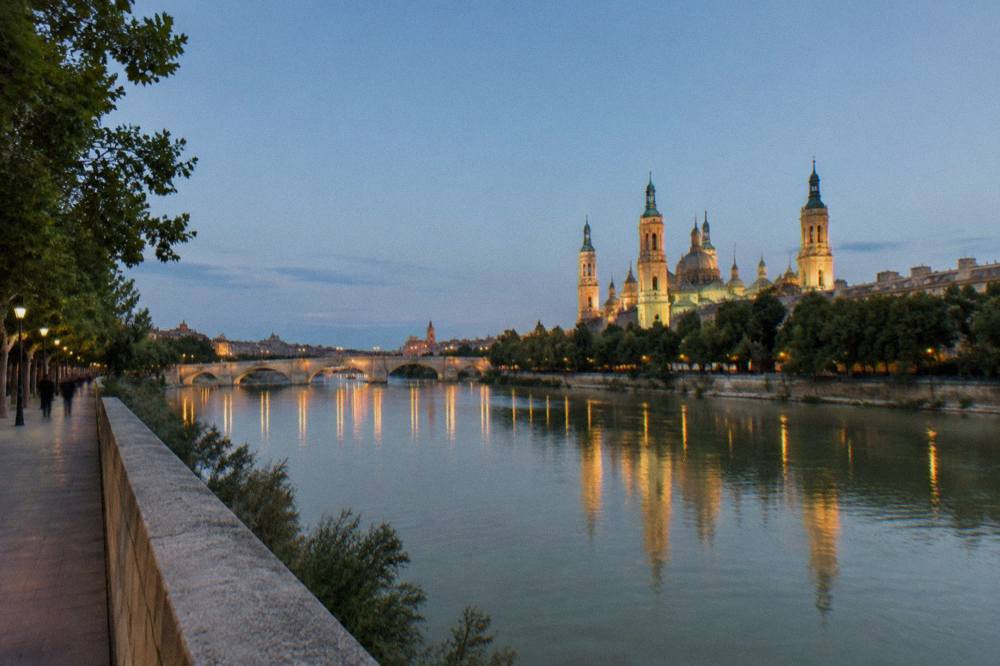
The Actur and Expo Ríbera works best as the second half of a day in Zaragoza, Spain: monuments in the old town in the morning, the river district after lunch, with the park, bridges and aquarium filling the afternoon and the lit bridges closing the evening. A one-day itinerary can fit the Pilar, La Seo and a park loop; two or three days let you add the Aljafería, the Roman museums and a day trip. The tram connection makes the split effortless.
The single-day version is tight but doable, and it is spelled out on the one-day itinerary page: the monumental core around the Pilar and La Seo before lunch, then the tram or a bridge walk to the Expo Ríbera for the park and the bridges, with the aquarium only if the party wants it. The two-day and three-day versions give the district a proper half-day and add the Aljafería palace, whose October hours run daily 10:00 to 18:00 with general admission at 7 EUR, on the western edge of the centre.
| Itinerary length | Old town and centre | Expo Ríbera and Actur |
|---|---|---|
| One day | Pilar, La Seo, old-town lanes | Park loop, bridges, exterior landmarks |
| Two days | Add Aljafería, Roman museums | Aquarium, riverside evening |
| Three days | Add museums, tapas evenings | Relaxed park day, cycling |
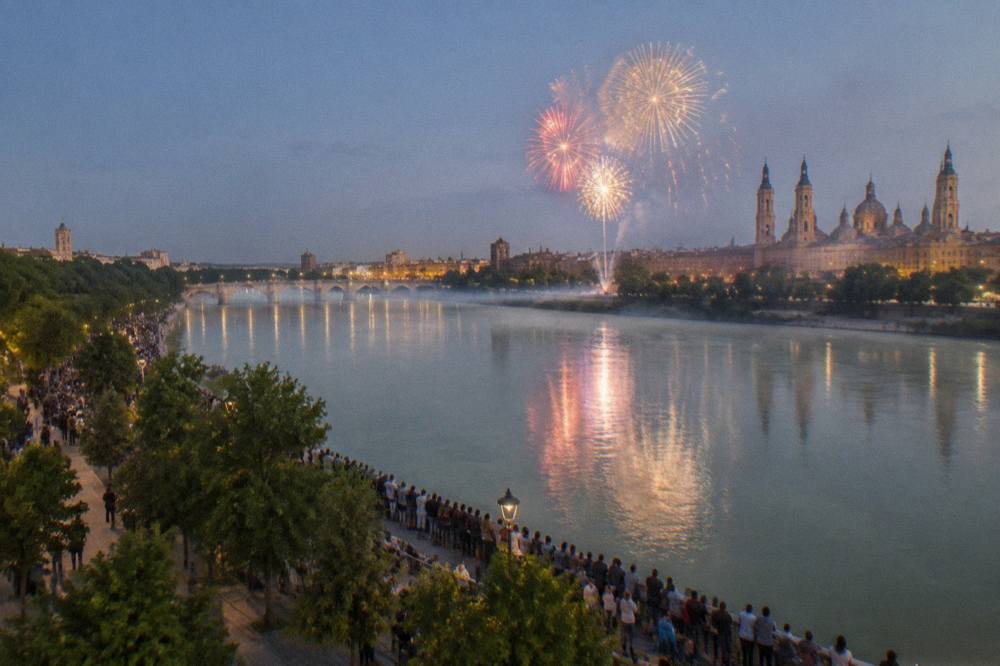
Timing the district around the year is simple. The Fiestas del Pilar, 10 to 18 October 2026, put the city's biggest festival on the centre's doorstep, and the riverside lawns host the closing fireworks by the Ebro on the final night, reported in the municipal programme; the Ofrenda de Flores fills the route from the Paseo de la Independencia to the Plaza del Pilar on 12 October with 994 registered groups and close to 99,980 registered participants. A visit in those nine days sees the district at its most crowded and most alive. For quieter planning, the best time to visit and Zaragoza weather pages break the year down month by month.
A guided anchor for the old-town half of the day is the Basílica del Pilar visit in Spanish, a 1.5-hour guided tour from $12.38 per person, which pairs neatly with an afternoon in the district.
Common Questions About The Actur And Expo Ríbera
Is the Actur the same as the Expo site in Zaragoza?
No. The Actur is the residential district planned on the north bank of the Ebro, while the Expo site is the former 2008 exposition ground in the Ranillas meander. Visitors experience them together because they sit beside each other and share the tram corridor, but the Actur is where people live and the Expo Ríbera is the park-and-architecture zone.
Can you walk into the Parque del Agua Luis Buñuel for free?
Yes. The park is open public green space with no ticket, covering more than 120 hectares in the Ranillas meander beside the Expo site. It holds two marked running circuits of 5 and 10 kilometres, and it was designed to flood safely when the Ebro rises.
How much does the Acuario de Zaragoza cost?
A general adult ticket costs 20 EUR, children aged 4 to 14 and seniors pay 14 EUR, and ages 0 to 3 enter free. An online family pack for two adults and two children costs 55 EUR. Daily opening hours are not published in readable form, so check the current calendar before you go.
Can you go up the Torre del Agua or inside the Pabellón Puente?
Neither has a verified admission price or opening hours published, so treat both as exterior sights. The tower and the bridge-pavilion read best from the riverbank and from the surrounding bridges anyway, and both are viewable at any time from outside.
How do you reach the Expo Ríbera from Zaragoza city centre?
By tram along the corridor toward the Actur, by urban bus, by bike on the riverside paths, or on foot across the Ebro bridges. A single tram or bus ticket costs 1.70 EUR, or 0.55 EUR with the Tarjeta Bus, which costs 7 EUR and works on both networks.
Is the Actur a good area to stay in for a first visit to Zaragoza?
It suits families and longer stays that want space, modern apartments, easy parking and a tram link, with evenings spent in the centre. First-time visitors on a short stay usually do better in the centre or the old-town edge, where the monuments are at the door.
The Actur and Expo Ríbera is the proof that Zaragoza kept building boldly long after its historic core was finished: a district where the river, not the cathedral, sets the rhythm, and where the best hours cost nothing at all.