La Magdalena Zaragoza: The Mudejar Church And Its Barrio, Explained
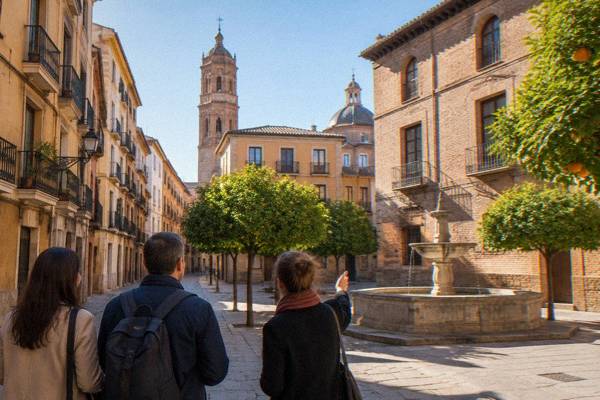
La Magdalena is a Mudejar church and its surrounding barrio on the western edge of Zaragoza's old town in Aragon, Spain, a district of brick towers, tapas streets and riverbank walks a short stroll from the Basílica del Pilar.
Short answer
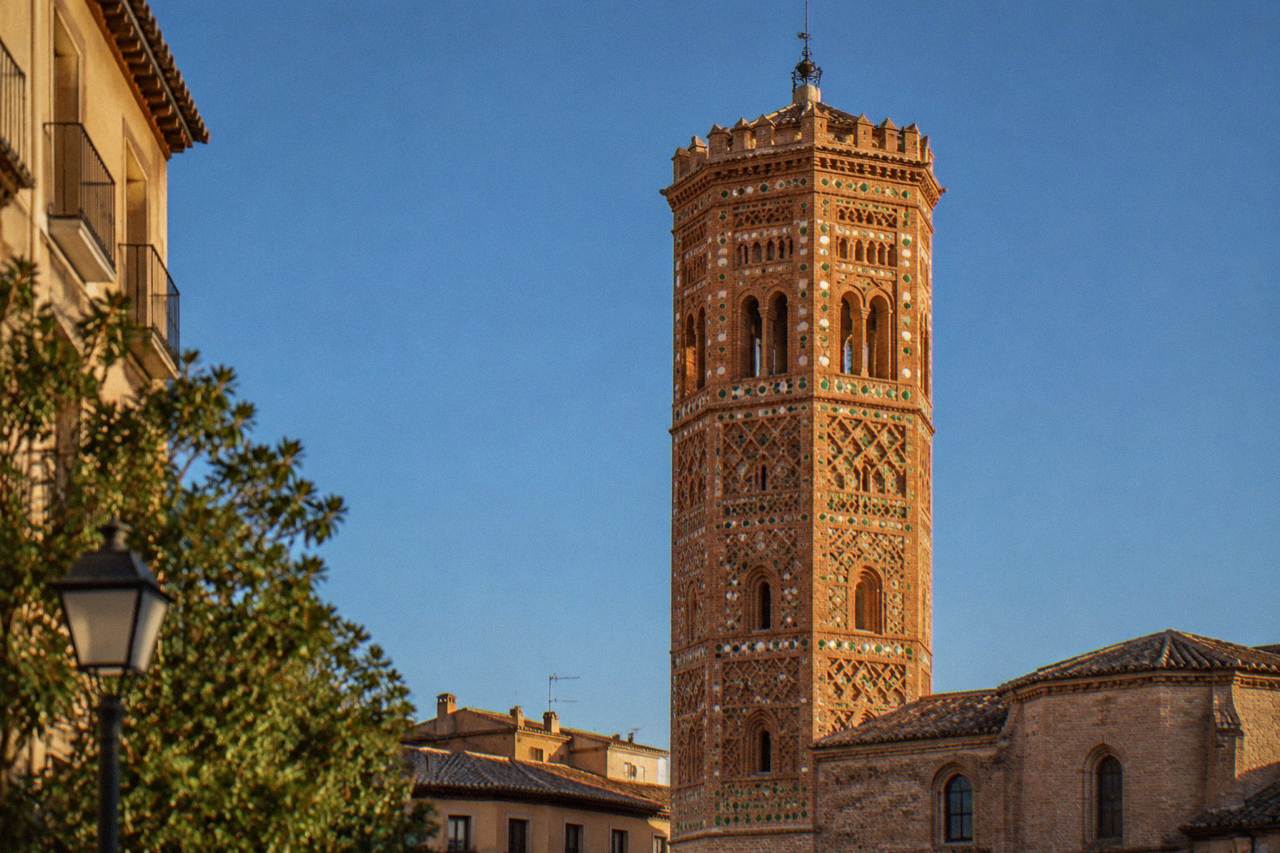
La Magdalena is a Mudejar-style church and neighbourhood in Zaragoza, Spain, west of the Plaza del Pilar and close to the Ebro. The church is one of the city's brick Mudejar landmarks but it is not part of the UNESCO Mudejar Architecture of Aragon listing, which covers only the Aljafería's surviving Mudejar features, the tower and parish church of San Pablo, and La Seo's apse, parroquieta and cimborio.
La Magdalena sits on the western side of Zaragoza's old town in Aragon, Spain, a short walk from the Plaza del Pilar and the Ebro river. This is Zaragoza, the inland capital of the region on the Ebro, not the football club, not the Mexican place name and not the Zaragoza International Bridge between El Paso and Juarez. The barrio takes its name from its church, a brick building in the Mudejar tradition that gives this corner of the city its architectural character, and the streets around it belong to the same dense old-town grid that runs behind the Basílica del Pilar. For a first overview of how the district fits into the wider city, start with things to do in Zaragoza, then come back here for the detail.
The area rewards slow walking more than any single ticketed sight. Brick towers, narrow streets, tapas bars and the riverbank at the Puente de Piedra end of the old town are the substance of a visit, and the whole district can be explored on foot from the centre without a bus or tram. The old town casco histórico guide covers the wider grid of streets this barrio belongs to, and the San Pablo barrio guide describes the neighbouring Mudejar district to the north, whose parish church is one of the city's three UNESCO-listed structures.
What Is La Magdalena In Zaragoza?
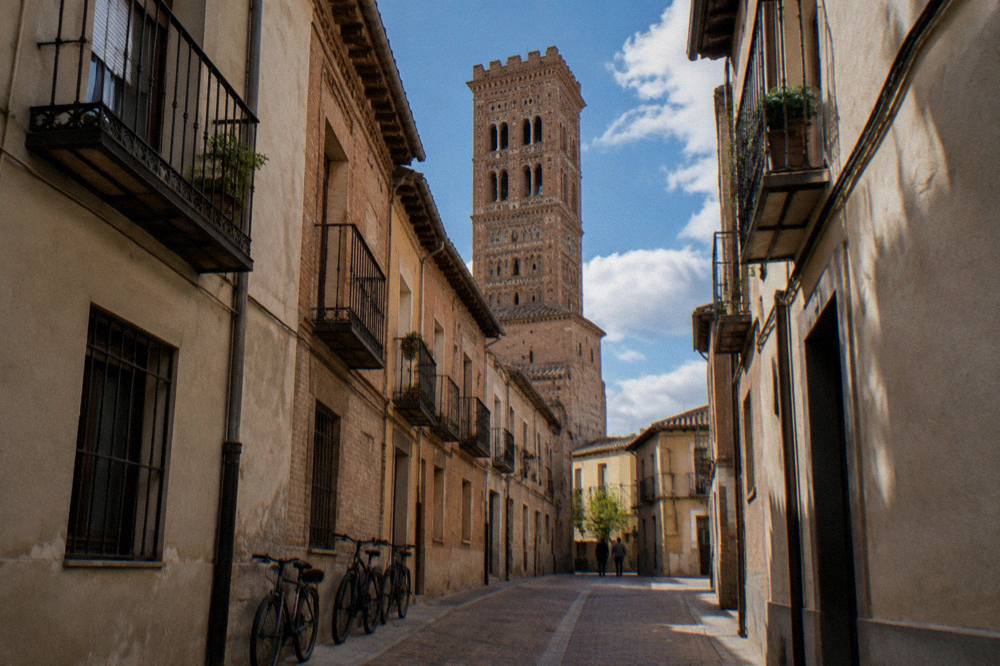
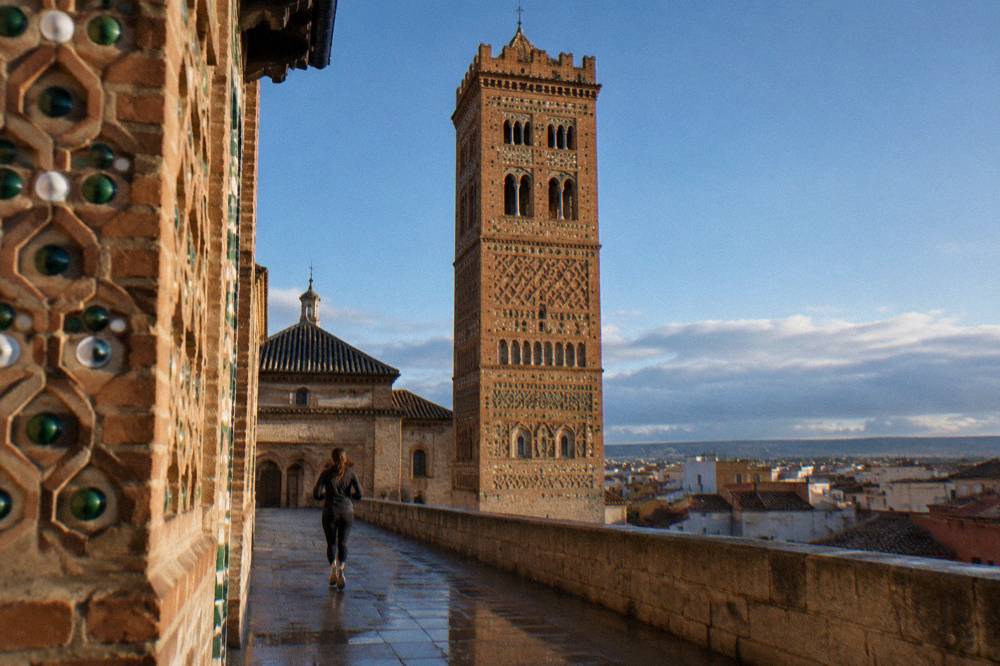
La Magdalena is a church and its surrounding barrio in Zaragoza, Spain, the capital of Aragon, lying on the western edge of the old town between the Plaza del Pilar and the Ebro. The church is built in the Mudejar tradition, the brick-and-tile craft of the Muslim artisans who stayed in Christian Spain after the Reconquest, and its tower is one of the brick landmarks that define the old town's skyline together with the towers of San Pablo and La Seo.
Mudejar is the word that unlocks Zaragoza's architecture, and it matters here more than anywhere else in the city outside the Aljafería Palace. After Aragon's Christian kingdoms took the Ebro valley, Muslim craftsmen continued to build in their own tradition, using brick, glazed tile, wooden ceilings and geometric plasterwork rather than cut stone. The result is a distinctly Aragonese style, and Zaragoza holds the densest cluster of it anywhere. The church of La Magdalena belongs to that family of buildings, along with the San Pablo church district's tower and the UNESCO-listed parts of La Seo.
The barrio itself is residential at heart. Streets of low brick apartment buildings, small squares, bakeries and bars spread west and south from the church towards the river and the ring of expansion around the Paseo de la Independencia area. It is not a museum district: people live here, shop here and eat here, and the visitor experience is one of weaving through that daily life rather than queueing at a gate.
Is The Church Of La Magdalena A UNESCO Site?
No. The church of La Magdalena is not a UNESCO World Heritage Site, and neither is the Basílica del Pilar, the Torre Nueva or the Puente de Piedra. Zaragoza holds exactly three components of the UNESCO property Mudejar Architecture of Aragon, inscribed in 1986 and extended in 2001: the surviving Mudejar features of the Aljafería Palace, the tower and parish church of San Pablo, and the apse, parroquieta and cimborio of La Seo Cathedral.
That is UNESCO's own wording, and it is narrower than many guides imply. Only the Mudejar parts of the Aljafería and of La Seo Cathedral are listed, not the whole buildings, and the listing spreads across the provinces of Teruel and Zaragoza with ten components in total, the other seven standing in Teruel, Calatayud, Cervera de la Cañada and Tobed. So La Magdalena's tower, fine as it is, sits outside the listing. The distinction matters for planning: if Mudejar architecture is the reason for your trip, the three Zaragoza components come first and La Magdalena is a supporting visit, not a headline.
| Zaragoza building | UNESCO Mudejar listing status |
|---|---|
| Aljafería Palace | Listed, its surviving Mudejar features only |
| San Pablo tower and parish church | Listed in full |
| La Seo Cathedral | Listed, its apse, parroquieta and cimborio |
| Church of La Magdalena | Not listed |
| Basílica del Pilar | Not listed |
| Puente de Piedra | Not listed |
None of this diminishes the church. A building does not need a UNESCO badge to be worth the walk, and La Magdalena's brickwork belongs to the same craft tradition that earned the listing in the first place. Think of the barrio as the vernacular chapter of the same story: the everyday Mudejar of a working district, set beside the monumental Mudejar of the three listed components.
If you want that story explained on the ground rather than read off a page, the guided options below all start in the centre and pass through the old town's Mudejar highlights.
What To See Around The La Magdalena Barrio?
The core sights of the La Magdalena area are the Mudejar church and its tower, the small squares and brick streets around it, the tapas bars of the old-town grid, and the Ebro riverbank reached within a short walk east towards the Puente de Piedra and the Basílica del Pilar. Everything sits inside a compact, walkable district, so a visit is best organised as a single loop on foot rather than a list of separate destinations.
Start at the church itself and its square, the natural orientation point for the barrio. From there the streets run downhill and east towards the Plaza del Pilar and the great basilica, the one building every visitor to Zaragoza sees. The walk between them passes through the dense old-town street grid where most of the city's tapas life happens, the lattice of narrow streets known as El Tubo, a dense grid of tapas bars behind the Pilar described further in the El Tubo guide. North of the barrio, the Lonja, Zaragoza's Renaissance exchange building, stands near the river.
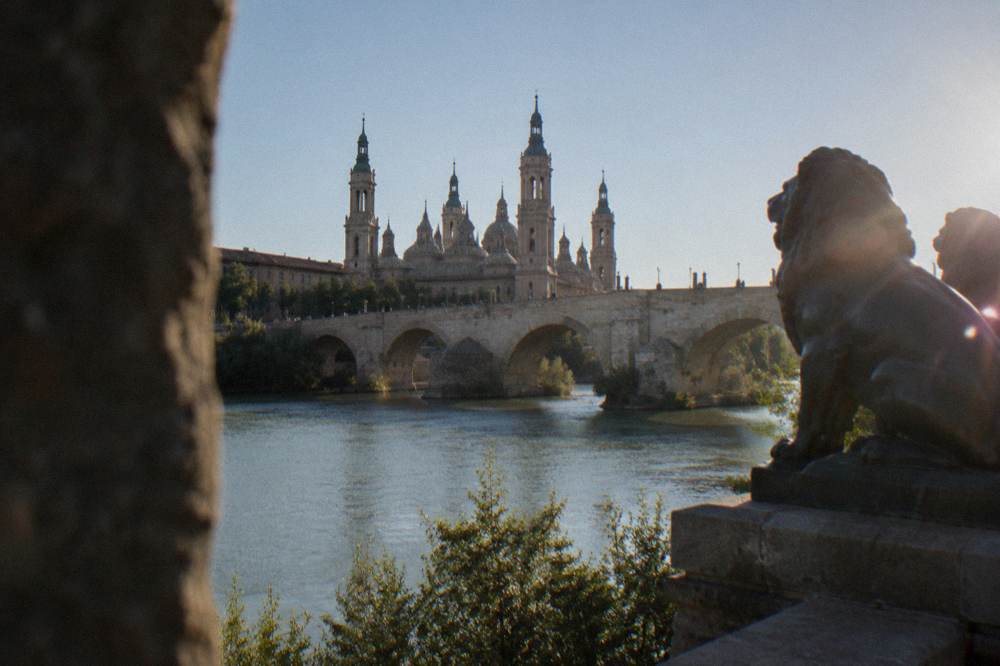
A sensible loop looks like this: church and square first, then east through the tapas streets to the Plaza del Pilar, then down to the Ebro at the Puente de Piedra, the stone bridge whose current structure was built from 1401 and opened in 1440, guarded by four bronze lions added in 1991. Cross or photograph, then return along the riverbank. The whole circuit is flat, and the Ebro river walk extends for those with more time.
| Sight | Character | Ticket needed |
|---|---|---|
| Church of La Magdalena | Mudejar brick church and tower | Check at the door, no published fee in the city's monument timetable |
| Plaza del Pilar and Basílica del Pilar | Monumental square, free basilica entry | Basilica entry free, tower viewpoint EUR 6 adult |
| El Tubo streets | Dense tapas-bar grid | No ticket, pay as you eat |
| Puente de Piedra | Stone bridge over the Ebro, four bronze lions | Free |
| La Seo Cathedral | Gothic-Mudejar cathedral, UNESCO-listed parts | EUR 10 general, includes three museums |
The basilica's own timetable is worth knowing before you set out. Entering the temple is free, the tower viewpoint costs EUR 6 for an adult with reduced rates for over 65s, residents, ages 13 to 18 and students, and children under 12 go up free. La Seo charges EUR 10 general admission, a ticket that also covers the Museo de Tapices, the Museo Pilarista and the Rosario de Cristal, with a combined cathedral-plus-tower ticket at EUR 12.
Walking the district with a guide is the cheapest way to get the architecture explained, and the free monumental tour is the natural fit here.
The free monumental tour is exactly what it sounds like: a tip-based walk through the monument cluster, rated 4.65 from 64 reviews, with no fixed price at all. If a group walk feels too rigid, the private options later in this guide let you set the route yourself, and the box below is the quickest way to check dates for the free walk.
How Do You Get To La Magdalena In Zaragoza?
La Magdalena is reached on foot from the Plaza del Pilar in a few minutes inside the old town, and the whole district is covered by Zaragoza's urban bus and tram network, where a single ticket costs EUR 1.70 or EUR 0.55 with a Tarjeta Bus, the same card that works on both bus and tram and costs EUR 7. There is no metro in Zaragoza, and none is needed: the barrio sits inside the walkable core between the centre and the river.
The fare structure is flat and simple. The 2026 Avanza fare table lists the urban bus and tram single at EUR 1.70, night lines at EUR 1.00, and the Tarjeta Bus reduced fare at EUR 0.55, with the card itself at EUR 7 and valid on both bus and tram. If you are staying anywhere in the centre, the Paseo de la Independencia area or the old town, you will likely never use it: the barrio is a walking destination.
Two things matter if you are driving. First, Zaragoza's low emission zone, the ZBE Casco Histórico, operates in the old town with sanctions since 12 December 2025, restricting vehicles without a DGT environmental label from Monday to Friday between 08:00 and 20:00, with a 15-minute grace period if you enter by mistake. Second, the tourist bus, the Zaragoza Bus Turístico, runs a 90-minute loop with 16 stops on a EUR 10 hop-on hop-off ticket valid for 24 hours, paid in cash on the bus, and it links the centre's monument cluster for anyone who would rather ride than walk. The getting around Zaragoza picture is otherwise a story of trams, buses and feet.
| Transport option | Fare | Notes |
|---|---|---|
| Bus or tram single | EUR 1.70 | No transfer included |
| Night bus single | EUR 1.00 | Night lines |
| Tarjeta Bus reduced fare | EUR 0.55 | Card costs EUR 7, valid bus and tram |
| Bus Turístico | EUR 10 | 24 h hop-on hop-off, 16 stops, 90-minute loop, cash on the bus |
| Bizi day pass | EUR 1 plus EUR 0.50 per trip up to 30 min | Bike share, EUR 50 card deposit held |
Cyclists have the Bizi bike-share system, with a day pass at a fixed EUR 1 plus EUR 0.50 per trip up to 30 minutes and a EUR 50 card deposit held on day, monthly and single-trip tickets. The riverbank and the flat old town make this a comfortable cycling city, and the Ebro-side paths connect the district to the Parque del Agua upstream.
Where To Eat And Drink Near La Magdalena?
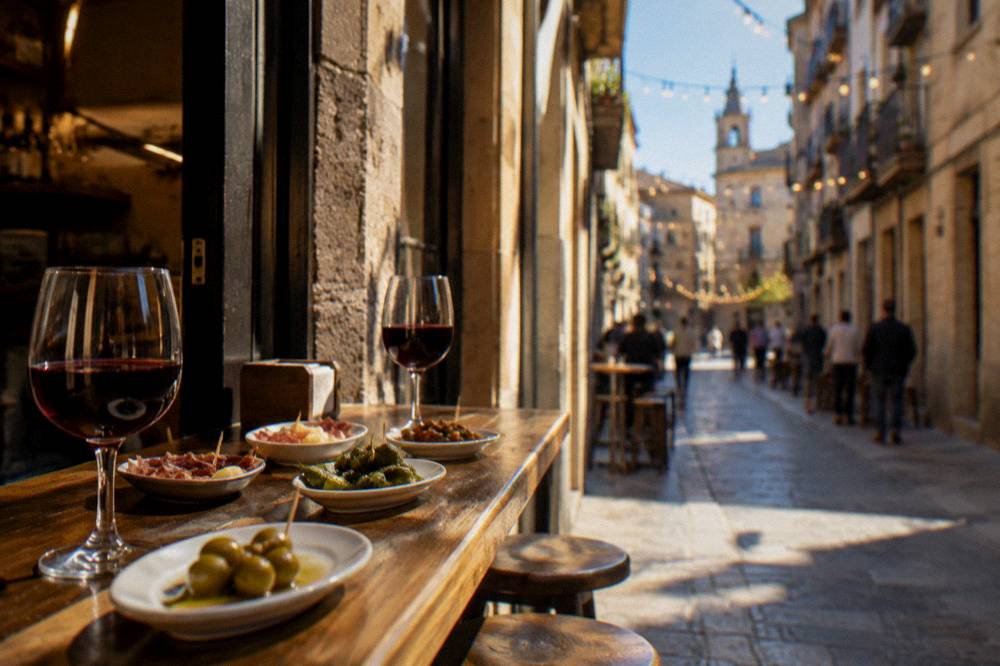
The eating around La Magdalena is old-town Zaragoza eating: a dense grid of tapas bars in the streets between the church and the Basílica del Pilar, Aragonese dishes such as ternasco lamb and migas, and a guided tapas scene with tours from around $50.65 to $106.92 per person. No bar names, opening hours or prices for individual bars can be stated with confidence here, so treat the barrio as a wander-and-pick district and let the streets decide.
The tapas tradition in this part of the city is the reason many visitors end up here at all. The old-town grid behind the Pilar, including the El Tubo lattice, packs bars shoulder to shoulder, and the Aragonese plates to look for are the ones the region is known for: ternasco de Aragón, the roast lamb of the region, migas aragonesas, the fried breadcrumb dish, and the local Cariñena and Somontano wines. The Zaragoza food guide covers the dishes in depth.
A guided tapas walk solves the choice problem, and several operate from the centre. The evening tapas walking tour in the old town runs 3 hours from $106.92 per person, rated 4.9 from 62 reviews, and the tapas sightseeing tour runs 3 hours from $50.65 per person, rated 5 from 7 reviews. The midday market and tapas tour pairs a market visit with the same idea from $106.92 per person, rated 5 from 9 reviews. For wine rather than tapas, the wine tasting and tapas tour runs 3 hours from $106.92 per person, rated 5 from 21 reviews, and the wine tasting and tapas evening in the ancient town starts from $108.94 per person, rated 5 from 75 reviews.
| Guided food experience | Duration | From (per person) | Rating |
|---|---|---|---|
| Tapas sightseeing tour | 3 hours | $50.65 | 5 from 7 reviews |
| Evening tapas walking tour, old town | 3 hours | $106.92 | 4.9 from 62 reviews |
| Midday market and tapas tour | 3 hours | $106.92 | 5 from 9 reviews |
| Wine tasting and tapas | 3 hours | $106.92 | 5 from 21 reviews |
| Wine tasting and tapas, ancient town | Evening | $108.94 | 5 from 75 reviews |
| Market tour and Spanish cooking class | Half day | $113.53 | 5 from 41 reviews |
The cooking class option is the deepest of them: a midday market tour followed by a Spanish cooking class, from $113.53 per person and rated 5 from 41 reviews. Prices sit on the operators' live listings, so check availability for your date before planning the evening around one.
What Is The Best Time To Visit The La Magdalena Area?
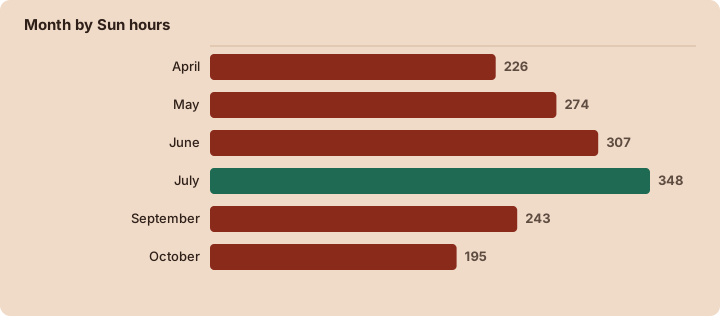
The best months to visit La Magdalena and Zaragoza are April, May, September and October, when AEMET's 1981 to 2010 normals for the Zaragoza Aeropuerto station show mean maxima of 19.6 to 24.1 C in spring and 21.4 to 27.1 C in early autumn, with May the wettest month at 44 mm and July and August the driest at 17 mm. July is the hottest and sunniest month, with a mean maximum of 32.4 C and 348 sunshine hours.
The climate here is dry continental, inland and semi-arid, with no sea anywhere near it. Summer afternoons are serious: July carries the highest mean maximum of the year at 32.4 C, and August follows at 31.7 C, both with only 17 mm of rain across the month on the 1981 to 2010 averages. If you visit in high summer, walk the barrio in the morning and evening and rest through the afternoon, which is also when the tapas streets come alive. The best time to visit Zaragoza guide unpacks the seasons month by month.
| Month | Mean max C | Mean C | Rain mm | Sun hours |
|---|---|---|---|---|
| April | 19.6 | 13.8 | 39 | 226 |
| May | 24.1 | 18.0 | 44 | 274 |
| June | 29.3 | 22.6 | 26 | 307 |
| July | 32.4 | 25.3 | 17 | 348 |
| September | 27.1 | 21.2 | 30 | 243 |
| October | 21.4 | 16.2 | 36 | 195 |
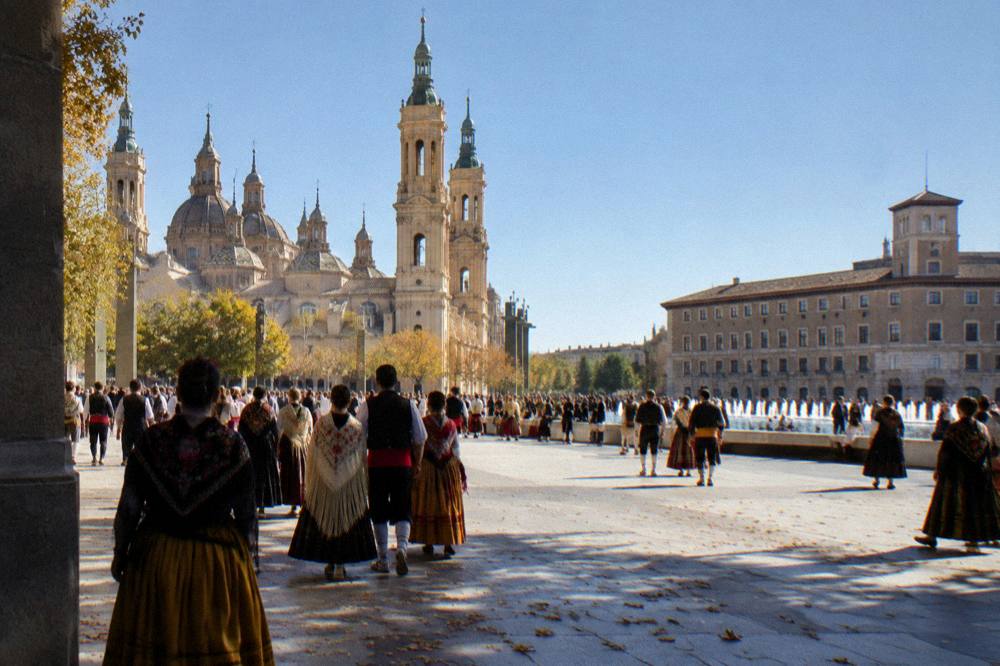
October deserves a special mention, for one reason above all: the Fiestas del Pilar. The 2026 fiestas run from Saturday 10 to Sunday 18 October, with the Ofrenda de Flores on 12 October, when hundreds of groups walk the usual route from the Paseo de la Independencia to the Plaza del Pilar carrying flowers for the virgin. The whole old town, La Magdalena included, is at its busiest and loudest that week. The pregon opens the fiestas on 10 October at 21:00 from the Ayuntamiento balcony, and the pyrotechnic programme has been widened for 2026 with displays after the pregon, in the Parque Pignatelli, at the closing night by the Ebro on 18 October and a new show in the plaza San Francisco. Venezuela is the guest country for the 2026 edition.
One honest caution for an October visit: Palacio de Sastago is closed in October, and the Museo de Zaragoza's central building at Plaza de los Sitios 6 is closed for Ministry of Culture works with no reopening date, so build an October itinerary around the monuments that are open. The Museo Goya, meanwhile, reopens on 9 October 2026, open Tuesday to Saturday 10:00 to 20:00 and Sunday and holidays 10:00 to 14:00, closed Mondays, with its admission price not yet published, so check at the ticket desk.
Which Guided Tours Cover The La Magdalena Area?
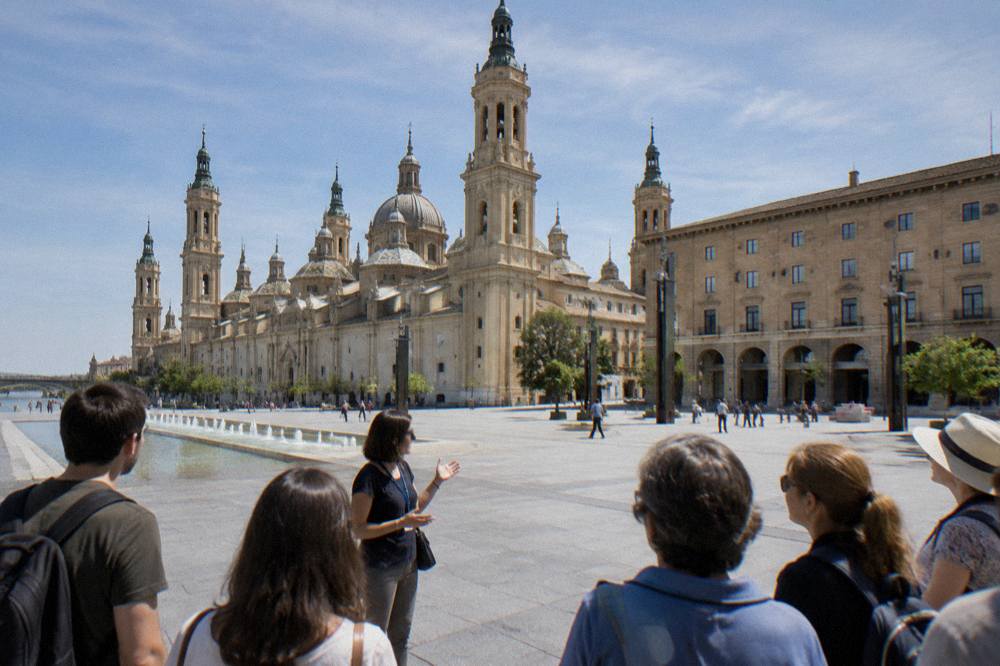
The tours that fit the La Magdalena area are the old-town walking tours of Zaragoza, from the free tip-based monumental tour through the 105-minute monumental introduction at $10.41 to the 2.5-hour historical tour of the old district at $106.92, plus private custom walks with a local from $50.65 to $54.02 per person. All of them start in Zaragoza's centre and cover the old-town streets this barrio belongs to, so none requires transport or a separate meeting point.
The free options first, because they are genuinely free. The Indispensable Zaragoza Free Tour of the old town runs 2 hours, is free and tip based, rated 4.97 from 576 reviews, and is booked through GuruWalk with its own guru leading the walk. The Free Monumental Tour of Zaragoza is likewise free and tip based, rated 4.65 from 64 reviews, and the Free Tour through the Historical Center is rated 4.15 from 122 reviews. A GuruWalk free tour costs nothing up front: you tip the guru at the end what you think the walk was worth, and the platform and the individual guru are named in the tour details because that is how those walks work.
| Tour | Type | From (per person) | Rating |
|---|---|---|---|
| Indispensable Zaragoza Free Tour: Old Town | Free walk, tip based | Free | 4.97 from 576 reviews |
| Free Monumental Tour of Zaragoza | Free walk, tip based | Free | 4.65 from 64 reviews |
| Zaragoza Monumental Sightseeing Tour | Walking tour, 105 minutes | $10.41 | 4.4 from 36 reviews |
| Private Custom Walking Tour with a Local Guide | Private walk, 2 to 8 hours | $50.65 | 5 from 86 reviews |
| Historical Tour of the Old District | Walking tour, 2.5 hours | $106.92 | 5 from 14 reviews |
| Monumental Walking Tour in Old Town | Walking tour | $97.47 | 4.9 from 15 reviews |
Among the paid walks, the monumental sightseeing tour is the budget introduction at $10.41 per person for 105 minutes, rated 4.4 from 36 reviews, and the self-guided scavenger hunt at $5.73 per person, rated 4.5 from 37 reviews, turns the same streets into a game for families, a good pairing with the Zaragoza with kids itinerary. The historical tour of the old district, 2.5 hours from $106.92 per person and rated 5 from 14 reviews, goes deepest on the stories, and the monumental walking tour in the old town, from $97.47 and rated 4.9 from 15 reviews, is its closest rival.
Private walks suit anyone who wants the route shaped around their own interests. The private custom walking tour with a local guide runs 2 to 8 hours from $50.65 per person, rated 5 from 86 reviews, and the private walking tour with a local runs 2 to 6 hours from $54.02 per person, rated 4.7 from 86 reviews. A private guide can spend the whole walk on Mudejar brickwork if that is what you came for, which is the kind of focus a group tour cannot offer.
How Does La Magdalena Fit Into A Longer Zaragoza Itinerary?
La Magdalena fits into a Zaragoza visit as a half-day old-town segment, most naturally on day one of a stay, combined with the Basílica del Pilar, La Seo, the Puente de Piedra and the tapas streets in a single walking loop. Most visitors need two to three days in the city, and the barrio sits on every sensible first-day route because it lies between the centre and the river with no transport needed.
For a one-day visit, the Zaragoza 1-day itinerary puts the old-town cluster first, and La Magdalena slots into the afternoon or the evening tapas stretch. With two days, the Zaragoza 2-day itinerary adds the Aljafería and the riverbank parks; with three, the Zaragoza 3-day itinerary opens the door to day trips. Anyone with a car or a taste for long rides can push out to the Monasterio de Piedra, Albarracín or Teruel, where more Mudejar towers continue the story this barrio begins, or north to Loarre Castle and the San Juan de la Peña monastery in the Pyrenean foothills.
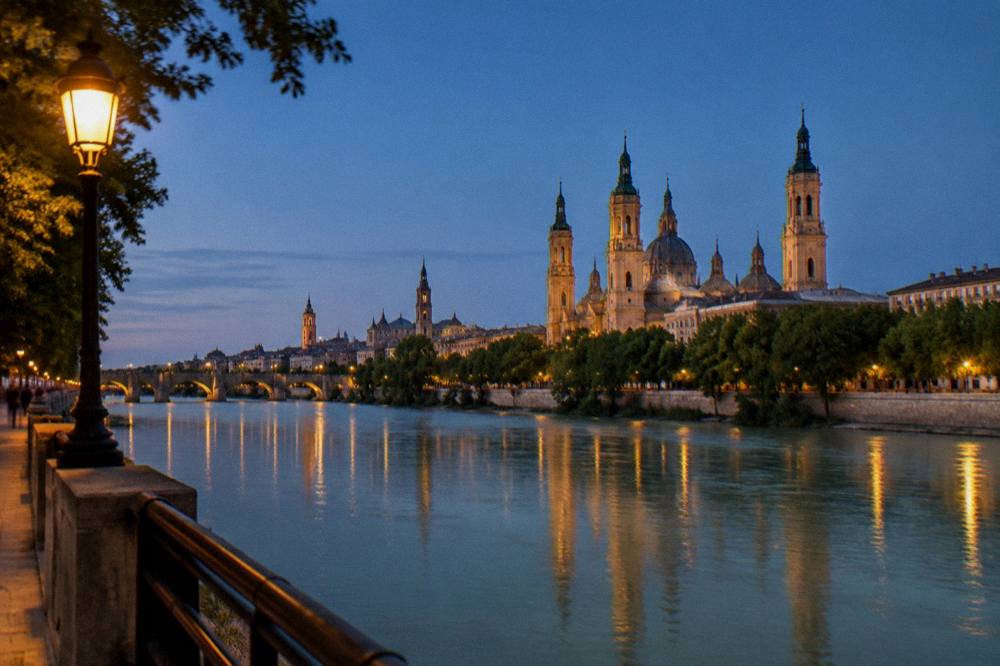
The barrio also earns its place on a rainy-day plan. Zaragoza is dry for most of the year, but the 1981 to 2010 normals still count 51.1 days of 1 mm or more of rain annually, and the tapas streets around La Magdalena are compact enough to hop between bars without a long soak. The church square, the covered market tradition of the old town and the monument cluster a few minutes east all sit within a short dash of each other, which is what a good wet-weather district looks like.
Common Questions About La Magdalena Zaragoza
Is the church of La Magdalena in Zaragoza a UNESCO World Heritage Site?
No. Zaragoza has exactly three components of the UNESCO property Mudejar Architecture of Aragon: the surviving Mudejar features of the Aljafería Palace, the tower and parish church of San Pablo, and the apse, parroquieta and cimborio of La Seo. La Magdalena, the Basílica del Pilar and the Torre Nueva are not part of the listing.
How far is La Magdalena from the Basílica del Pilar?
The barrio lies on the western edge of the old town a short level walk from the Plaza del Pilar, close enough that the basilica and the church are normally visited in the same stroll, with no bus or tram needed.
What is there to do in La Magdalena at night?
The streets between the church and the Pilar hold much of the old town's tapas life, and guided evening tapas walks run from the centre, including a 3-hour evening tapas walking tour in the old town from $106.92 per person, rated 4.9 from 62 reviews. A legends and ghosts night tour also operates from $15.76 per person.
When is the best month to visit La Magdalena and Zaragoza?
April, May, September and October, when AEMET's 1981 to 2010 normals for the Zaragoza Aeropuerto station show mean maxima between 19.6 and 27.1 C. July is the hottest month at a 32.4 C mean maximum and the sunniest at 348 hours. October also brings the Fiestas del Pilar, from 10 to 18 October in 2026.
Can you get to La Magdalena by tram or bus?
Yes, though most visitors walk. The urban bus and tram single fare is EUR 1.70, or EUR 0.55 with a Tarjeta Bus that costs EUR 7 and works on both, per the 2026 Avanza fare table. The barrio sits inside the walkable old-town core.
Are there free tours that cover the La Magdalena area?
Yes. The Indispensable Zaragoza Free Tour of the old town runs 2 hours, is free and tip based, rated 4.97 from 576 reviews, and is booked through GuruWalk, where the individual guru leads the walk. The Free Monumental Tour of Zaragoza, rated 4.65 from 64 reviews, is also free and tip based.
La Magdalena is Zaragoza at street level: brick, tapas, a fine tower that never needed a UNESCO badge, and the river a few minutes east. Walk it slowly, eat as you go, and let the Zaragoza Travel Guide take you from here to the rest of the city.