Shopping And Souvenirs In Zaragoza: What To Buy, Where, And What It Should Cost
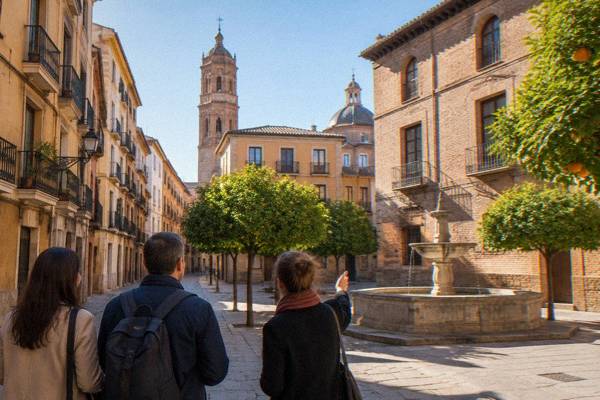
Zaragoza is not a shopping city in the way Barcelona or Madrid is, and that is the point: what it sells best is Aragonese, from Cariñena wine to Mudéjar-inspired crafts, and its shopping streets sit inside a walkable old town you can cross on foot.
Short answer
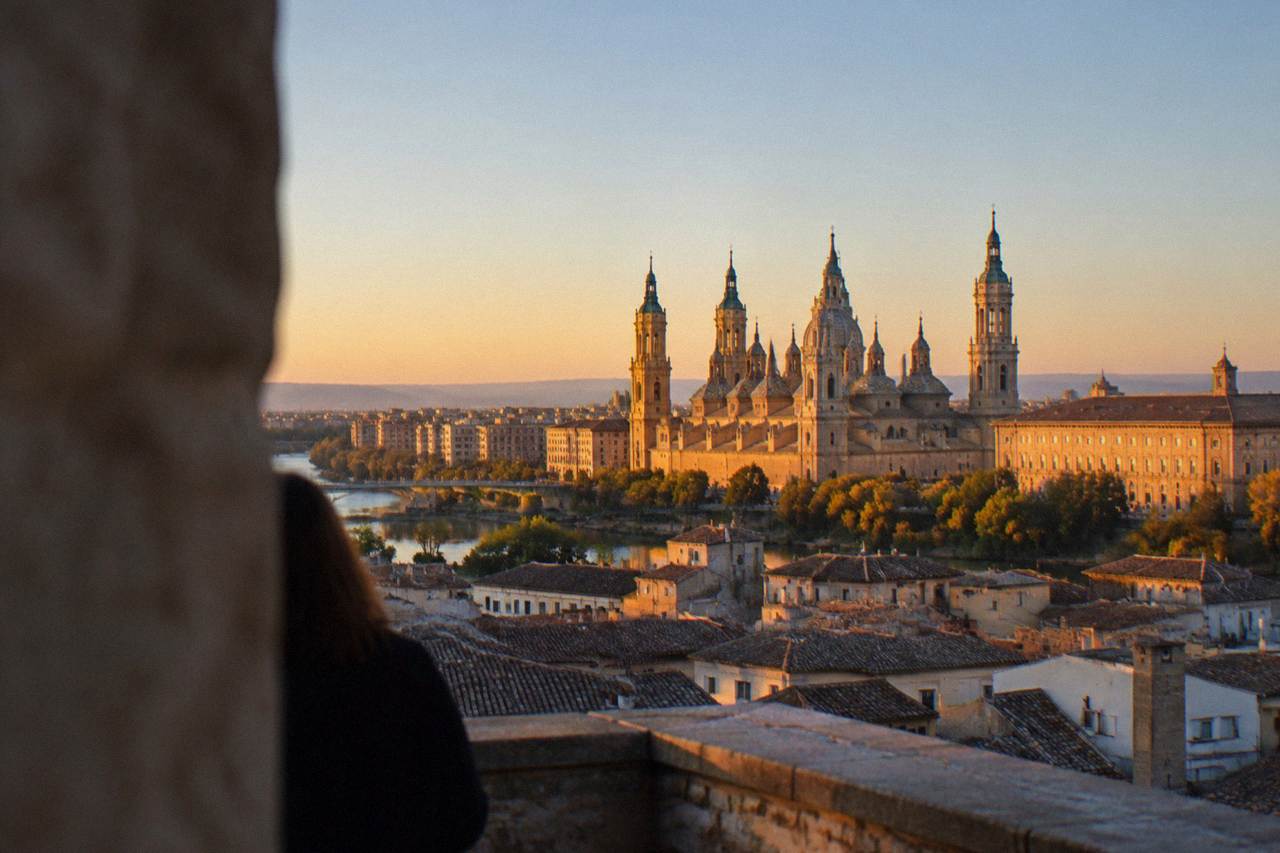
Shop the Paseo de Independencia for high-street brands, the streets around Plaza del Pilar for souvenirs, and Mercado Central for food gifts; budget roughly the price of a tram ticket (1.70 EUR) to move between districts and allow a half-day per area.
Zaragoza, the capital of Aragon on the Ebro, keeps its shopping inside a compact historic core, which makes it one of the easier Spanish cities to shop on foot. The Paseo de Independencia and the streets running off it carry the mainstream stores, the lanes around Plaza del Pilar and La Seo carry the souvenir and craft trade, and Mercado Central carries the food gifts that travel well. What the city does not have is a single luxury shopping mile or a mega-mall destination pulling visitors from elsewhere: the shopping here is local, and the best purchases are the ones you cannot easily buy in Madrid or Barcelona. This guide walks through the districts, the souvenirs Aragon is genuinely known for, the costs you can plan around, and how a guided walk first can save you an afternoon of wandering.
Where To Shop In Zaragoza: The Streets And Districts That Matter
The Paseo de Independencia is the city's main shopping street, running from Plaza de Aragón towards Plaza de España, with the department stores and familiar Spanish brands along it, while the souvenir trade clusters in the lanes between Plaza del Pilar, La Seo and the Puente de Piedra, and Mercado Central handles food gifts. Those three zones cover almost everything a visitor buys, and they sit close enough together that a single afternoon can take in all three on foot, with the old-town lanes in the middle doing most of the atmospheric work. The Paseo is the modern face; the Pilar quarter is where the postcards, ceramics and Goya prints live; the market is where the olive oil and wine get bought.
The Paseo de Independencia is broad, tree-lined and easy: it is the street locals mean when they say "going shopping". Around it, the centro and Paseo de Independencia area holds the densest concentration of shops in the city. If your trip is short, base yourself nearby; the where to stay in Zaragoza guide maps the districts.
The old-town lanes are a different experience: smaller shops, artisan windows, and souvenir stands within sight of the Basílica del Pilar. The old town, Casco Histórico guide covers the quarter street by street, and the El Tubo lane, best known for its tapas bars, also puts you steps from several gift shops. For food shopping, Mercado Central is the anchor; the Zaragoza food guide explains what to look for inside it.
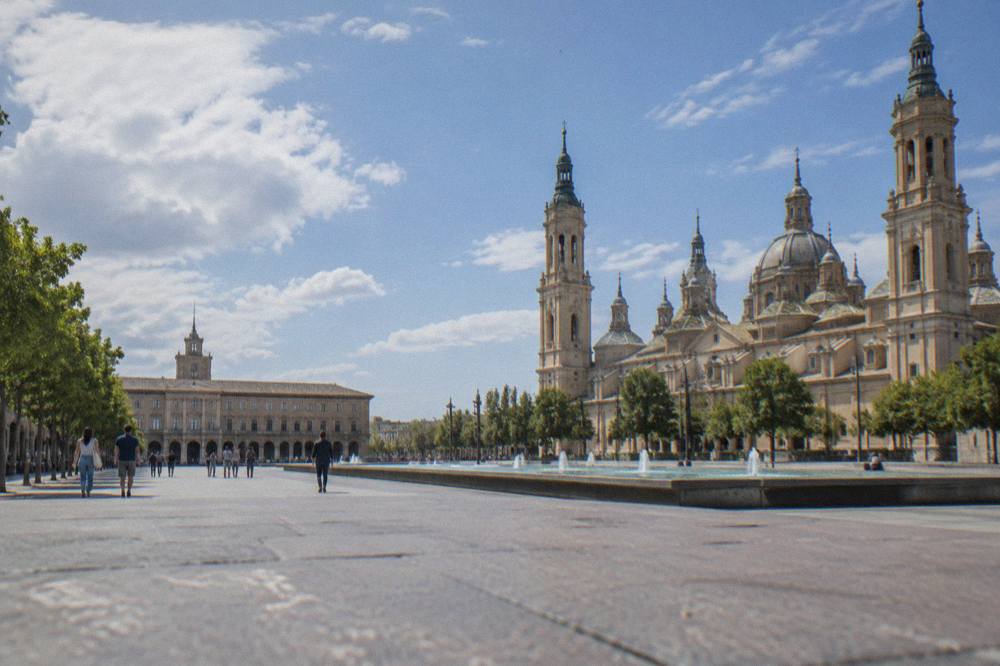
One orientation trick saves real time: take a guided walk on your first morning and shop after. The 105-minute Monumental Sightseeing Tour, from $10.41 per person and rated 4.4 from 36 reviews, runs through the monumental core and shows you exactly which lanes lead where, which is worth more than any map when the souvenir quarter's streets bend around churches. See the Zaragoza Monumental Sightseeing Tour page for details, or Check availability for a date you like.
What Souvenirs Is Zaragoza Actually Known For?
The souvenirs Zaragoza is genuinely known for are Aragonese food and drink, above all Cariñena wine and local olive oil, followed by Goya-themed prints and books, Mudéjar-pattern ceramics and textiles, and small religious keepsakes tied to the Basílica del Pilar. The first category is the honest one: Cariñena is the wine region just south of the city, its garnacha is the regional signature, and bottles bought at source are the gift that says Aragon. Goya, born in the nearby village of Fuendetodos, is the city's artistic export, and his image sells everywhere around Plaza del Pilar.**
Food gifts travel best and say the most. A bottle of Cariñena, a tin of olive oil, Aragonese sweets and a vacuum-packed piece of ternasco-related produce are all things you cannot buy in the same form outside the region. The Cariñena wine region guide covers the wine country itself if you want to buy at the winery rather than in the city, and the Zaragoza sweets and pastries page lists the confectionery that packs well.
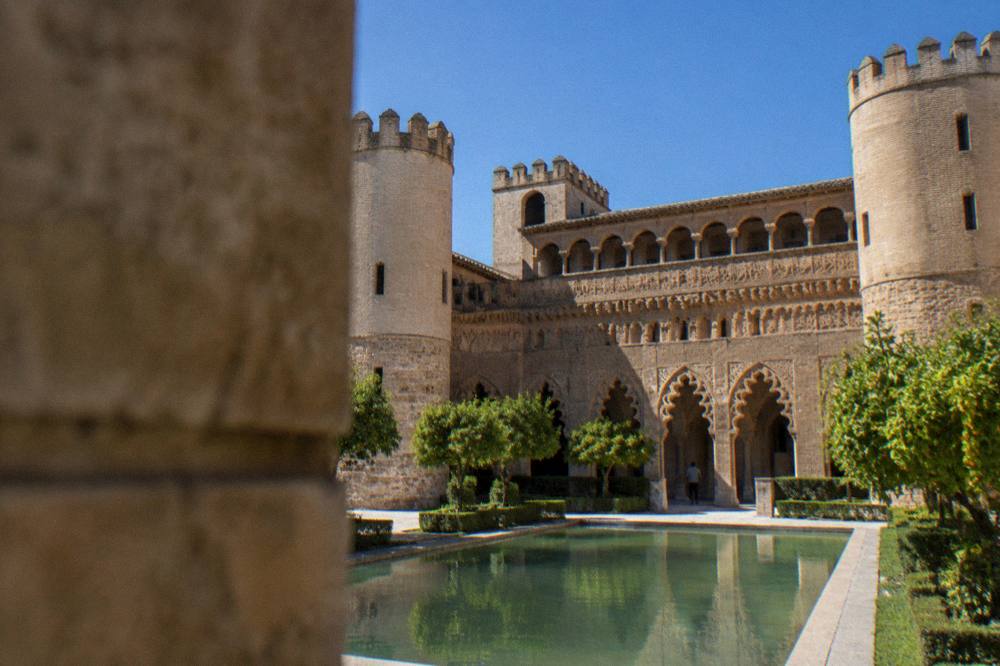
The craft category is Mudéjar. Zaragoza's brick-and-tile Islamic-influenced architecture is the city's visual signature, and artisans sell ceramics, tiles and textiles that echo the geometric patterns of the Aljafería and the churches. The Mudéjar architecture guide explains the style so you can recognise the honest pieces from the generic imports. Goya-themed gifts are the third pillar: prints, magnets and books around the Basílica del Pilar and the museums.
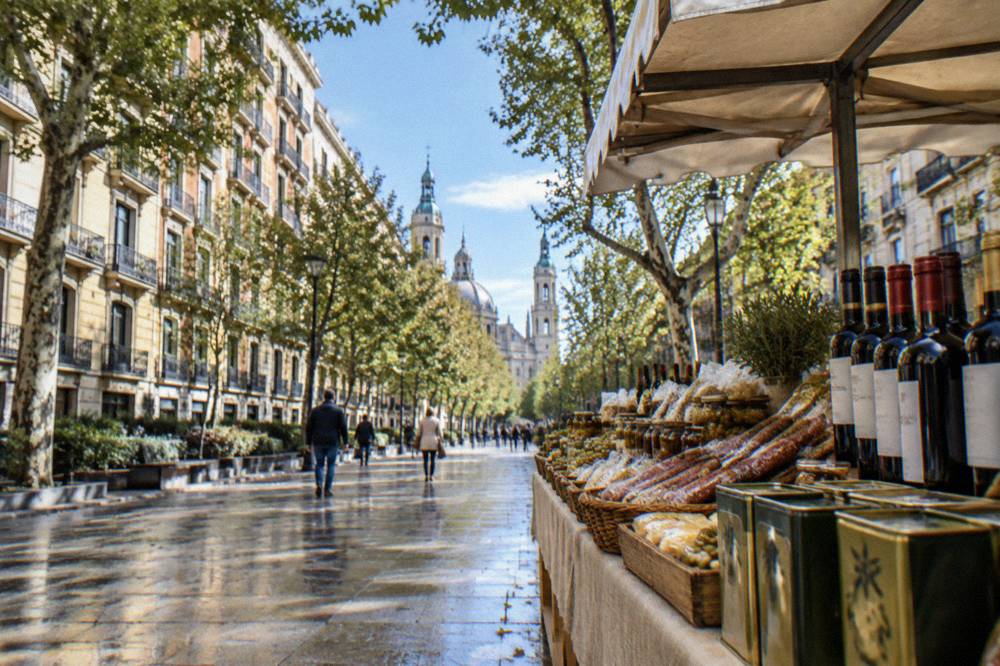
Here is the practical souvenir map, kept to categories rather than shop names, since individual shops change faster than any guide can track:
| Souvenir category | Where in Zaragoza to find it | Notes for the buyer |
|---|---|---|
| Cariñena wine and garnacha | Mercado Central and the old-town lanes | Buy at source on a Cariñena day trip for the widest choice |
| Olive oil from Aragon | Mercado Central and food shops | The Belchite-area olive oil tours include tastings |
| Goya prints and books | Around Plaza del Pilar and museum shops | Fuendetodos, his birth village, is a day trip |
| Mudéjar ceramics and tiles | Craft shops in the Casco Histórico | Look for geometric patterns echoing the Aljafería |
| Pilar religious keepsakes | Shops facing the Basílica del Pilar | The basilica itself is free to enter |
| Aragonese sweets | Mercado Central and bakeries | Check what survives the journey home |
A wine-and-tapas tasting in the old town is the efficient way to choose a bottle before you buy one: the three-hour Wine Tasting and Tapas tour, from $106.92 per person and rated 5 from 21 reviews, walks you through local pours with the food alongside. See Zaragoza: Wine Tasting and Tapas for what is included.
How Much Should A Shopping Day In Zaragoza Cost To Get Around?
Getting around Zaragoza for a shopping day is cheap by big-city standards: the urban bus and tram single is 1.70 EUR, or 0.55 EUR with a Tarjeta Bus that costs 7 EUR and works on both, the hop-on hop-off tourist bus is 10 EUR for 24 hours across 16 stops, and the Bizi bike-share day pass is 1 EUR plus 0.50 EUR for the first half-hour of each trip. That means the transport budget for a full day of moving between the Paseo, the old town and the market is a rounding error against what you will spend inside the shops. The tourist bus doubles as a shopping tool: its 24-hour window and 16 stops let you hop off at one district, shop, and hop back on.**
The fares worth knowing, all from the 2026 Avanza tariff table and the municipal Bizi page:
| Transport | Fare | What it covers |
|---|---|---|
| Bus or tram single | 1.70 EUR | One journey, no transfer; night lines 1.00 EUR |
| Tarjeta Bus trip | 0.55 EUR | Card costs 7 EUR, valid on bus and tram |
| Tourist bus (Bus Turístico) | 10 EUR | 24 hours, hop-on hop-off, 16 stops, 90-minute loop |
| Bizi day pass | 1 EUR fixed + 0.50 EUR per trip up to 30 min | 50 EUR card deposit held |
| Airport bus, line 505 | 4.65 EUR single | About 2.25 EUR with a Lazo card, 25-35 minutes |
The getting around Zaragoza guide covers all of this in depth, and the Zaragoza cost and budget page puts the whole trip in context. One Aragon-specific relief: there is no tourist tax in Aragon, the regional government having explicitly ruled one out, so your accommodation price is the price.
If you are arriving with shopping plans rather than souveniring on the way out, the car question matters, because the Casco Histórico is a low-emission zone with sanctions active since 12 December 2025, Monday to Friday 08:00 to 20:00, and vehicles without a DGT environmental label are restricted. The Zaragoza car rental and parking guide explains the ZBE and where to park outside it.
When Is The Best Time Of Year To Shop In Zaragoza?
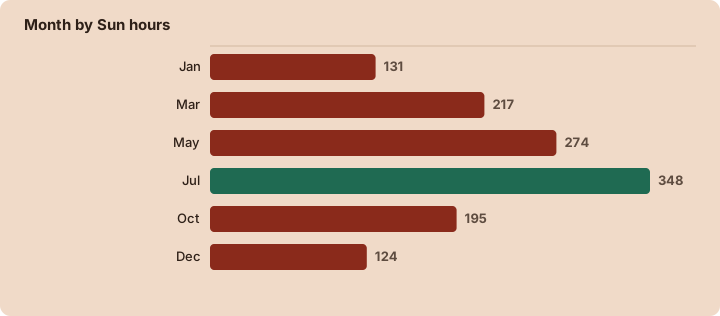
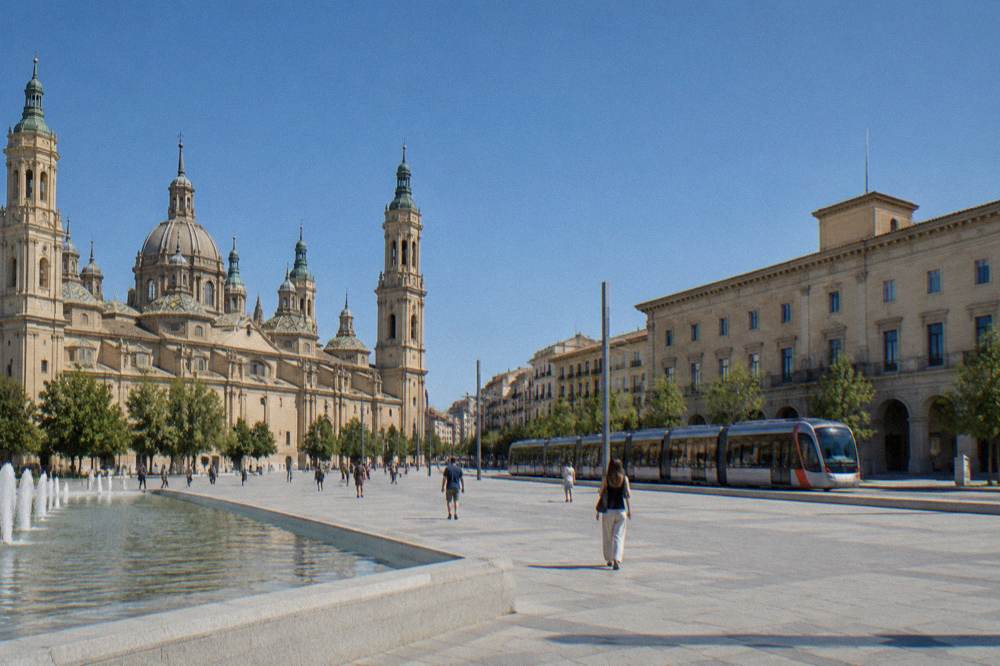
October is the best month to combine shopping with the city's atmosphere, because the Fiestas del Pilar run from 10 to 18 October 2026 and fill the centre with street stalls and craft stands, while May offers the best walking-and-shopping weather at a 1981-2010 average of 24.1 C maximum and 44 mm of rain, the wettest month on the same AEMET normals. July and August are the hardest months for a shopping trip on foot: the 1981-2010 mean maximum is 32.4 C in July and 31.7 C in August, and the old-town lanes hold heat. Winter is mild but short on daylight, with December averaging 10.8 C maximum and 124 hours of sun.**
The full picture from AEMET's 1981-2010 normals for the Zaragoza Aeropuerto station, the only window the station publishes:
| Month | Mean max C | Rain mm | Sun hours | Shopping verdict |
|---|---|---|---|---|
| Jan | 10.5 | 21 | 131 | Cool, quiet, post-Christmas sales |
| Mar | 17.3 | 19 | 217 | Comfortable walking weather |
| May | 24.1 | 44 | 274 | Warm but the wettest month, 6.4 rain days |
| Jul | 32.4 | 17 | 348 | Hot; shop mornings and evenings only |
| Oct | 21.4 | 36 | 195 | Fiestas del Pilar month, 10 to 18 Oct 2026 |
| Dec | 10.8 | 21 | 124 | Christmas lights and cold-evening browsing |
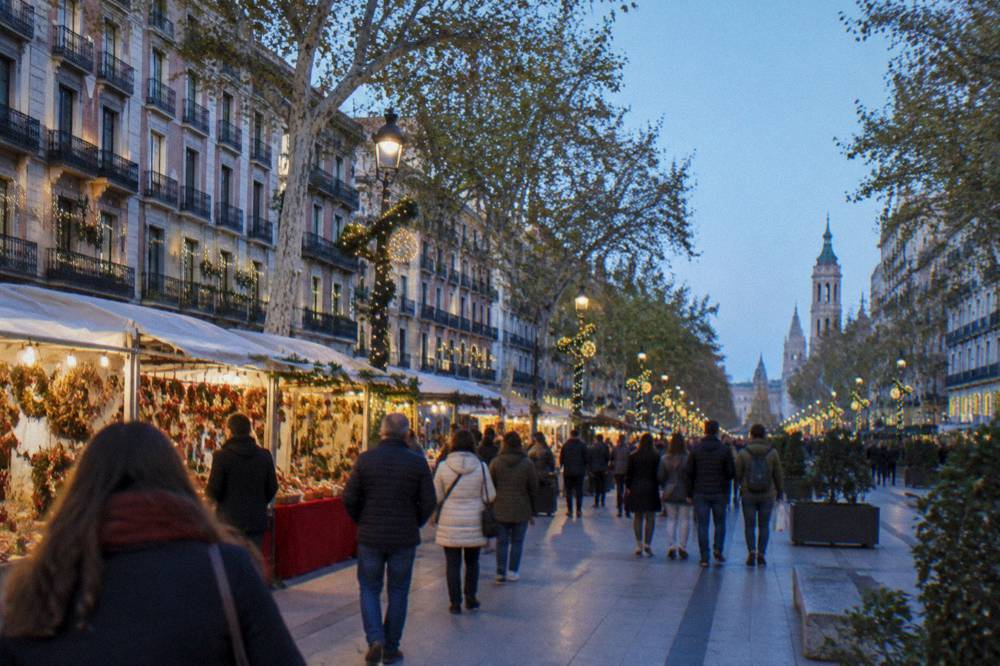
The best time to visit Zaragoza and Zaragoza weather guides carry the full twelve months. The Fiestas deserve a special mention for shoppers: the Ofrenda de Flores on 12 October brings close to a hundred thousand participants through the centre, and the streets between Paseo de Independencia and Plaza del Pilar, the usual route, are both crowded and lined with stalls. The Fiestas del Pilar and Ofrenda de Flores guides cover the programme. For a quieter festive option, the Christmas lights switch on from 20 November 2026 and run to about 7 January 2027, per the Christmas in Zaragoza guide.
Can You Shop And Sightsee On The Same Day In Zaragoza?
Yes, comfortably, because Zaragoza's shopping streets and its main monuments overlap: the Paseo de Independencia runs from Plaza de Aragón towards Plaza de España, the Aljafería sits a short tram ride west, and the souvenir lanes around Plaza del Pilar are the same lanes that hold the Basílica, La Seo and the Puente de Piedra, so a single walking loop through the Casco Histórico buys postcards and covers the city's three most-visited monuments at once. This is the real argument for shopping in Zaragoza rather than treating it as a chore: the shops are inside the sightseeing. A morning at the Aljafería, whose October hours are 10:00 to 18:00 with entry at 7 EUR general or 9 EUR guided, ends within the same district as the palace's craft-adjacent gift trade.**
The museum shops are worth planning around, and several of the museums are free on set days, which turns a cheap sightseeing day into a cheap shopping day:
| Museum or monument | Entry | Free-entry day | Gift-shop draw |
|---|---|---|---|
| Aljafería | 7 EUR general, 9 EUR guided | 1st and 3rd Sunday and Monday | Mudéjar crafts and Goya exhibition items |
| Caesaraugusta museums | 4 EUR Foro, 3 EUR Termas and Puerto | 1st Sunday of the month | Roman Zaragoza books and reproductions |
| La Seo | 10 EUR general, includes Museo de Tapices | Aragon residents, set dates | Cathedral guides and textile history books |
| IAACC Pablo Serrano | Free | Always free | Contemporary art catalogues |
| Centro de Historias | Free | Always free | City history books |
| Museo del Origami | 3 EUR | 1st Tuesday and Sunday | Paper-craft gifts, a Zaragoza speciality |
Two closures matter for anyone planning a museum-shop day right now: the Museo de Zaragoza's central building at Plaza de los Sitios 6 is closed for Ministry of Culture works with no reopening date, and the Palacio de Sastago is closed in October, with the Museo Pablo Gargallo temporarily closed. The Zaragoza museums guide tracks what is open. The Museo Goya, the Fundación Ibercaja collection, reopens on 9 October 2026, which puts Goya prints back at the centre of the souvenir trade just before the Fiestas.
Which Guided Walks Pair Best With A Shopping Day?
The best pairing is a short monumental walk in the morning and shopping in the afternoon, and the three strongest options are the 105-minute Monumental Sightseeing Tour from $10.41, the free tip-based Monumental Tour of Zaragoza rated 4.65 from 64 reviews, and a private custom walk with a local guide from $50.65 per person rated 5 from 86 reviews, which can be pointed at the shopping districts themselves. The private option is the one to pick if shopping is the day's real purpose: a local guide who knows the lanes between the Pilar and La Seo can route you past the craft shops and the market rather than past a fourth church. The free tour is the budget pick; the monumental tour is the orientation pick.**
The private custom walk deserves the headline for shoppers. Because the route is yours to shape, it is the only tour on the list that can be built around Mercado Central, the Paseo and the old-town craft lanes in one loop, with the monuments as the scenery between purchases. See Private Custom Walking Tour with a Local Guide for the options.
For a first visit, the monumental tour remains the fastest way to learn the city's geography, and the free Monumental Tour covers similar ground for a tip. Whichever you choose, morning walk, afternoon shops is the rhythm that works: the lanes around Plaza del Pilar are at their best in early evening light, and the tapas bars of El Tubo start when the shopping stops.
What Should You Know Before Flying Home With Your Purchases?
Bottled wine and olive oil go in checked luggage, never carry-on, and the airport bus to Zaragoza airport is line 505 at 4.65 EUR single, about 25 to 35 minutes, timed to flights, while the city centre you leave behind is a low-emission zone on weekdays, so plan the taxi or the tram rather than a rental car for the last morning. The practical packing rule for Aragonese food gifts is simple: glass breaks, so wrap bottles in clothes and centre them in the case. The flights to Zaragoza and Zaragoza airport guides cover the airlines, which include Ryanair, Wizz Air, Volotea, Vueling and others across 13 destinations, so check your route allows a checked bag at a sane price before you buy six bottles of garnacha.**
Non-EU visitors should note that the EU's Entry/Exit System, biometric registration for short stays, is fully live since 10 April 2026, while ETIAS, the travel authorisation, has not started and accepts no applications yet. Neither affects your souvenirs, but both affect the queue at the airport. For the journey in, the Zaragoza airport to city centre guide covers the 505 in detail, and the how to get to Zaragoza page handles the bigger picture.
Is Shopping In Zaragoza Expensive?
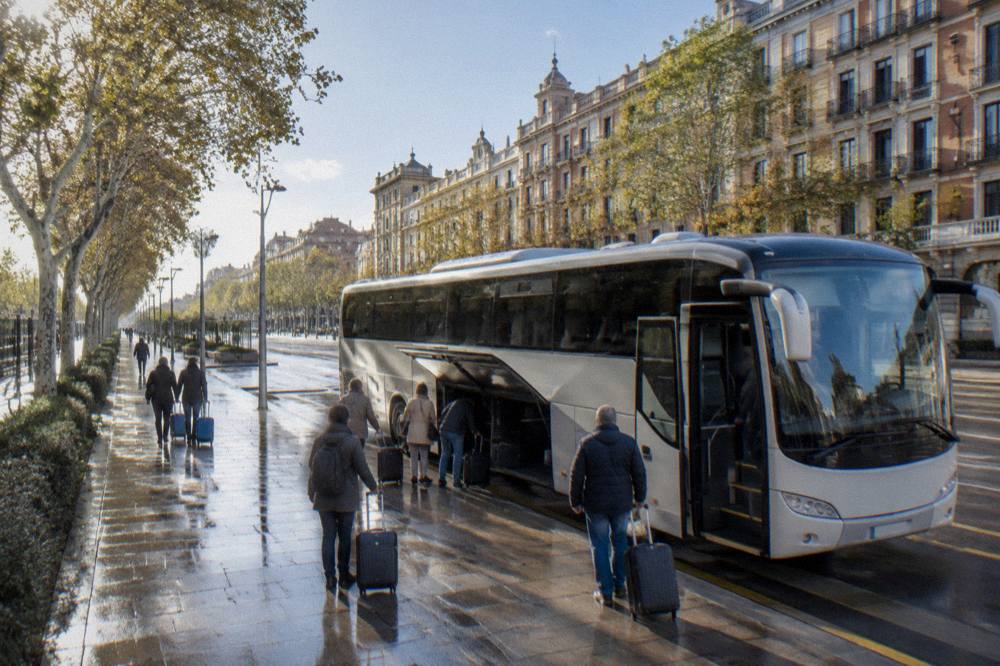
No, the costs that frame a Zaragoza shopping day are modest: the tram or bus single is 1.70 EUR or 0.55 EUR with a Tarjeta Bus, the hop-on hop-off tourist bus is 10 EUR for 24 hours, and there is no tourist tax in Aragon because the regional government explicitly ruled one out, so the overhead on a shopping day is transport plus lunch. What you spend in the shops is up to you, but the city's cost base is closer to a mid-sized Spanish city than to Barcelona or Madrid. The Zaragoza cost and budget guide breaks down a full trip.
What Food Gifts Should You Buy In Zaragoza?
The food gifts Zaragoza is known for are Cariñena wine, especially garnacha, Aragonese olive oil, and the region's sweets and pastries, all available at Mercado Central and in old-town food shops, with the widest wine choice found on a Cariñena winery day trip rather than in the city. A wine tasting tour in the old town, from $106.92 per person, is the way to taste before you buy. The Zaragoza food guide lists the specific products worth carrying home.
Do Shops In Zaragoza Close For Siesta?
No verified source establishes a siesta or trading-hours pattern for Zaragoza shops, so check the hours of any specific shop you need rather than planning around an assumption, though as a practical matter the Fiestas del Pilar period from 10 to 18 October keeps the centre busy and open late, and the municipal monument timetable shows attractions, not shops, running split morning and afternoon hours. The only hours worth planning around with confidence are the monument and museum hours in the municipal October timetable, which this guide's tables already carry. For shopping hours, the shop's own notice is the source.
Are The Souvenir Shops Near The Basílica Del Pilar?
Yes, the souvenir trade clusters in the lanes immediately around Plaza del Pilar, between the Basílica, La Seo and the Puente de Piedra, with Goya prints, Pilar keepsakes and Mudéjar-style crafts all sold within a few minutes' walk of the basilica, whose entry is free. The basilica's own tower viewpoint costs 6 EUR for an adult if you want the view over the shopping quarter before you descend into it. The Basílica del Pilar guide covers the building itself.
Can You Combine A Zaragoza Shopping Trip With A Day Trip To Buy Wine Or Oil At Source?
Yes, and it is the better way to buy: the Cariñena wine region sits south of the city and is covered by a dedicated day-trip guide, olive oil tastings are built into the Belchite old-town tours from $106.92 per person rated 5 from 35 reviews, and the half-day winery tour from $166.28 per person rated 5 from 21 reviews buys at the winery door. Buying at source gives you the producer's full range and usually the explanation that goes with it. The Cariñena wine region and Belchite guides cover the destinations, and Belchite itself is a Civil War ruin, so go for the oil and the history, soberly.
How Many Days Do You Need For Shopping And Sightseeing In Zaragoza?
Two days is the comfortable answer: one for the monumental core and its souvenir lanes, one for the Paseo, Mercado Central and a food or wine tasting, with the 105-minute Monumental Sightseeing Tour on the first morning doing the orientation work for both days. The Zaragoza 2-day itinerary is built exactly around that split, and the Zaragoza travel planning guide handles the rest of the trip.
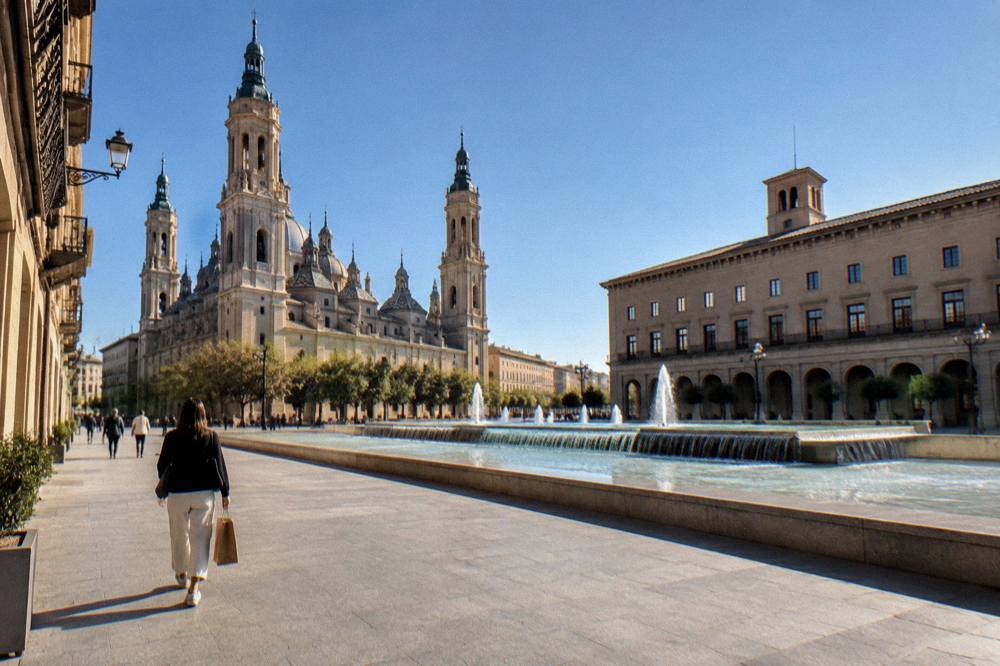
A shopping day in Zaragoza ends where most of the city's days end: with a bag of Aragonese things you could not have bought anywhere else, on a lane within sight of the Pilar, deciding whether the tapas come before or after one last shop. Plan the streets with the Zaragoza Travel Guide and the rest takes care of itself.